

&imwidth=800&imheight=600&format=webp&quality=medium "BRICS Summit ends without joint statement as Iran war exposes deep blocs divisions")
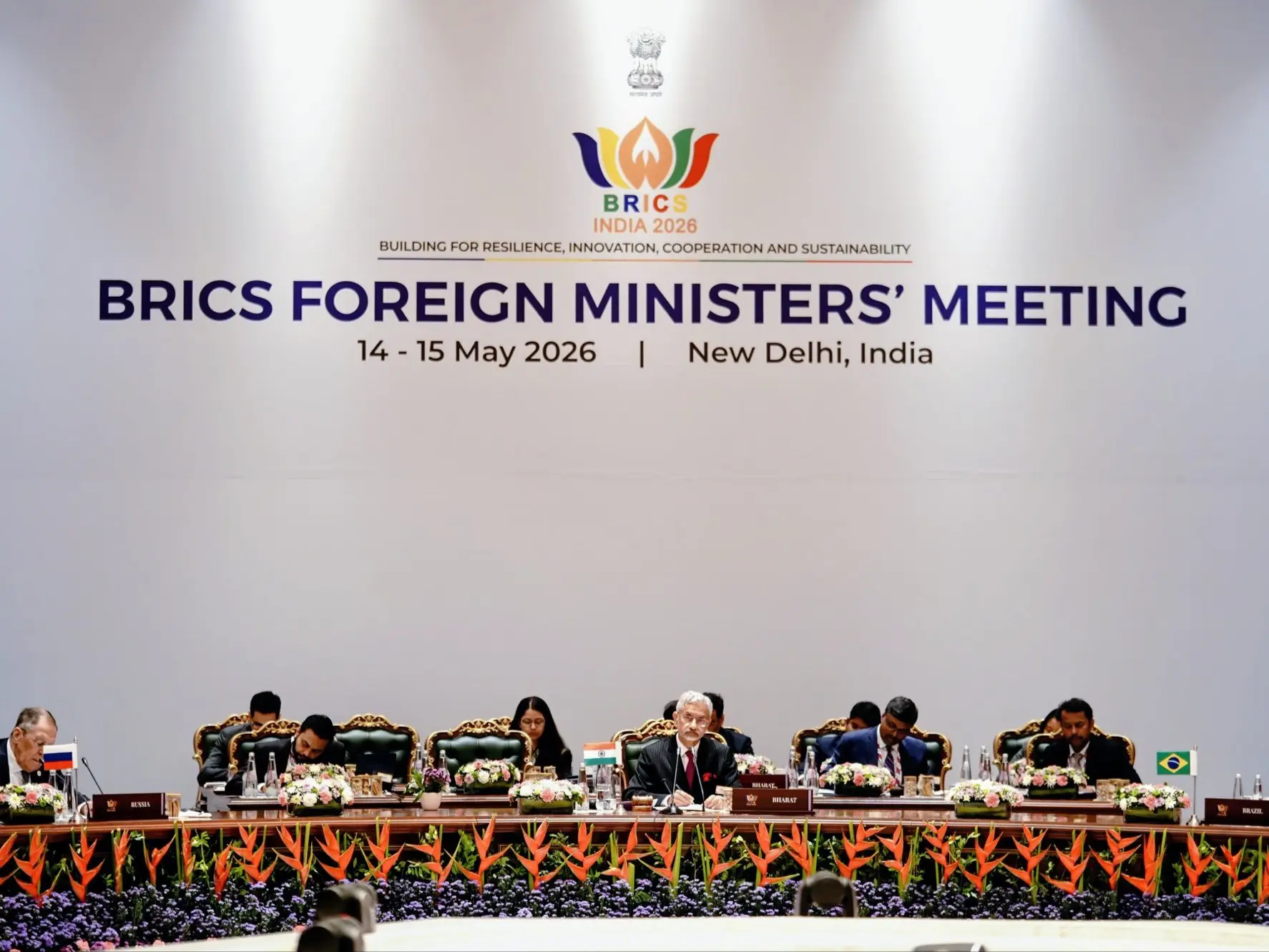
A two-day meeting of BRICS foreign ministers ended in deadlock on Friday (May 15), failing to produce a unified joint statement after sharp divisions erupted over the ongoing US-Israeli war on Iran.The diplomatic impasse forced host nation India, which holds the 2026 BRICS chair, to release only a “chair’s statement and outcome document” rather than a traditional joint communique, news agency Reuters reported. The document explicitly acknowledged that “there were differing views among some members as regards the situation in the West Asia/Middle East region.” The fracture highlights the structural friction within the expanded 10-member bloc, which includes Brazil, Russia, India, China, South Africa, Egypt, Ethiopia, and recent inductees Iran and the United Arab Emirates as it struggles to maintain a cohesive geopolitical identity amidst active conflict.
At Bharat Mandapam, Iran condemned and termed acts by the US and Israel "unlawful aggression".The current conflict, now in its 77th day, began on February 28 with heavy airstrikes on Iranian infrastructure, triggering a major global energy crisis after Iran effectively choked off maritime transit through the Strait of Hormuz.
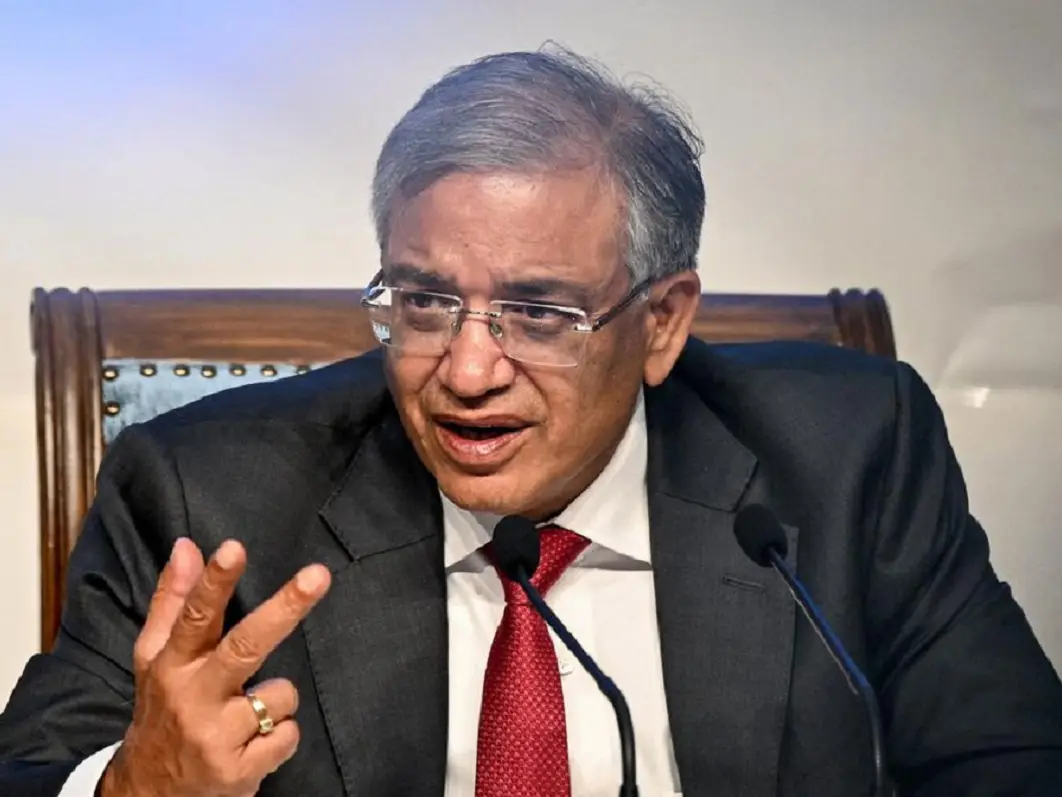
However, Iran’s diplomatic push ran directly into resistance from the UAE. Tehran has launched multiple missile and drone strikes against Emirati territory since the conflict began, accusing Abu Dhabi of aiding Western military efforts. Speaking at a press conference following the conclusion of the talks, Iranian Foreign Minister Abbas Araghchi confirmed that a single member state had blocked key sections of the proposed joint text. While Araghchi refrained from naming the UAE directly, his remarks left little doubt about the culprit.
"We only hit American military bases and American military installations which are unfortunately on their soil," Araghchi stated, attempting to downplay direct animosity with the Gulf state. "I hope by the time that we come for the summit, they come to a good understanding that Iran is a neighbour... we have to live with each other."
Trending Stories
&imwidth=180&imheight=135&format=webp&quality=medium)
'Nidal Hasan's firing-squad execution to be livestreamed', says Pentagon; first US military execution since 1961
&imwidth=180&imheight=135&format=webp&quality=medium)
'Baseless and misconceived': India issues statement after Elon Musk's 'oligarchs' claim over Starlink delay
&imwidth=180&imheight=135&format=webp&quality=medium)
Trump's naked 23-karat gold statue unveiled near European Parliament
&imwidth=180&imheight=135&format=webp&quality=medium)
Musk doubles down on Starlink India licence allegations; Rahul Gandhi says ‘wait till...’
&imwidth=180&imheight=135&format=webp&quality=medium)
Thai Actors Fourth Nattawat, Gemini Norawit face racism accusations from Indian fans over viral Bollywood act
&imwidth=180&imheight=135&format=webp&quality=medium)
Nigeria govt rolls out 30-day NNPC petrol discount, insists it is not a subsidy
&imwidth=180&imheight=135&format=webp&quality=medium)
Captain Smit Machchhar on feet again, walks 10 steps as recovery continues after Flydubai flight attack
&imwidth=180&imheight=135&format=webp&quality=medium)
‘Battlespace has expanded’: Wg Cdr Priti Ojha (Retd) reflects on changing face of air power on IAF Day
&imwidth=180&imheight=135&format=webp&quality=medium)
‘IPL franchises provided a big base’: SA20 commissioner Graeme Smith on league’s success
&imwidth=180&imheight=135&format=webp&quality=medium)
24-year-old Sri Lankan man sentenced to death for blasphemy in Saudi Arabia
&imwidth=180&imheight=135&format=webp&quality=medium)
A Love Other Than Yours: The temptation to cheat and what pushes people over the edge
&imwidth=180&imheight=135&format=webp&quality=medium)
Russia president Putin promises to 'do everything' to help settle Middle East conflict as US-Iran negotiations stall
&imwidth=180&imheight=135&format=webp&quality=medium)
BTS agency HYBE announces first-ever Weverse Con Festival in India
&imwidth=180&imheight=135&format=webp&quality=medium)
Trump has a new 'enemy': Anyone who calls it 'artificial intelligence'. Here's what we wants instead
&imwidth=180&imheight=135&format=webp&quality=medium)
Paxton in leaked audio says Trump hurting his election chances
&imwidth=180&imheight=135&format=webp&quality=medium)
India at UN: Pak allows terror groups to operate from its soil
&imwidth=180&imheight=135&format=webp&quality=medium)
Air India, Air India Express increase fuel surcharge on domestic, international flights amid rising ATF costs
&im=FitAndFill=(700,400)&imwidth=180&imheight=135&format=webp&quality=medium)
Nana Patekar’s upcoming big-screen films: From Shakti Shalini to Eetha
&imwidth=180&imheight=135&format=webp&quality=medium)
Nobel Peace Prize 2026: Trump to Carney, who are the top contenders? Why the ISS is a surprise contender
&imwidth=180&imheight=135&format=webp&quality=medium)
Flydubai flight attack: Indian pilot Smit Machchhar to receive Israel's highest civilian bravery award for saving 174 lives
&im=FitAndFill=(700,400)&imwidth=180&imheight=135&format=webp&quality=medium)
US midterms 2026: 10 leaders and candidates to watch in the battle for Congress
&imwidth=180&imheight=135&format=webp&quality=medium)
42 ex-judges write open letter, express concern over allegations against Election Commission
&im=FitAndFill=(700,400)&imwidth=180&imheight=135&format=webp&quality=medium)
From Kramatorsk buses to Yandex fire: Russia-Ukraine war in the last 48 hours
&imwidth=180&imheight=135&format=webp&quality=medium)
Pakistan denies reports of PAF jets being used in attacks against Iran-backed Houthis in Yemen
&imwidth=180&imheight=135&format=webp&quality=medium)
New York ICE shooting sparks protests as Mamdani to call on Trump to halt ICE operations
&imwidth=180&imheight=135&format=webp&quality=medium)
Nana Patekar's #MeToo controversy: From Tanushree Dutta’s allegations to court ruling
&imwidth=180&imheight=135&format=webp&quality=medium)
Atlantic hurricane Isaias could make landfall as a strong Category 2 storm, tornado warnings issued
&imwidth=180&imheight=135&format=webp&quality=medium)
Who is Nana Patekar's wife Neelakanti? The bank officer who earned Rs 2,500 when he earned Rs 50
&imwidth=180&imheight=135&format=webp&quality=medium)
France student protests: Over 500 arrested, govt promises 3,000 substitute teachers
&imwidth=180&imheight=135&format=webp&quality=medium)
French students light European bonfire, protests erupt in Belgium, Italy & Greece | Gravitas
&imwidth=180&imheight=135&format=webp&quality=medium)
Arizona congressional candidate claims she was sexually assaulted while repairing signs
&imwidth=180&imheight=135&format=webp&quality=medium)
New Cold War: Why is China buying more gold? Explained
&imwidth=180&imheight=135&format=webp&quality=medium)
Zendaya gives The Odyssey white lace jacket a stylish twist at Paris Fashion Week 2026
&imwidth=180&imheight=135&format=webp&quality=medium)
SC asks Centre to frame mechanism against unethical pharma marketing practices
&imwidth=180&imheight=135&format=webp&quality=medium)
US suspends Microsoft, Infosys, Tata, Wipro from green card programme over alleged H-1B abuse
&imwidth=180&imheight=135&format=webp&quality=medium)
Trump honours Microsoft CEO Satya Nadella with top technology honour amid immigration scrutiny
&imwidth=180&imheight=135&format=webp&quality=medium)
Sri Lankan Tamil worker gets death sentence in Saudi Arabia over blasphemy, calls for pardon intensify
The UAE Foreign Ministry did not immediately offer a public response to Araghchi’s comments. The lack of consensus placed India in a complex diplomatic tightrope. As the world's third-largest oil consumer, New Delhi has been heavily hit by rising fuel prices driven by the Hormuz blockade, through which 20% of global oil flows. Yet, India must carefully balance its strategic partnerships with Washington and Israel against its deep bilateral ties with Gulf oil exporters and Iran.
While the final chair's statement noted broad consensus on upholding international law and preserving safe maritime commerce, the failure to issue a formal declaration underscores the reality of an expanded BRICS: a bloc united on changing the Global South narrative, but deeply fractured by regional wars.

