Gaza aid blockade: Israel faces allegations of war crimes, genocide and use of starvation as a weapon of war

&imwidth=600&imheight=450&format=webp&quality=medium "Gaza aid blockade: Israel faces allegations of war crimes, genocide and use of starvation as a weapon of war")
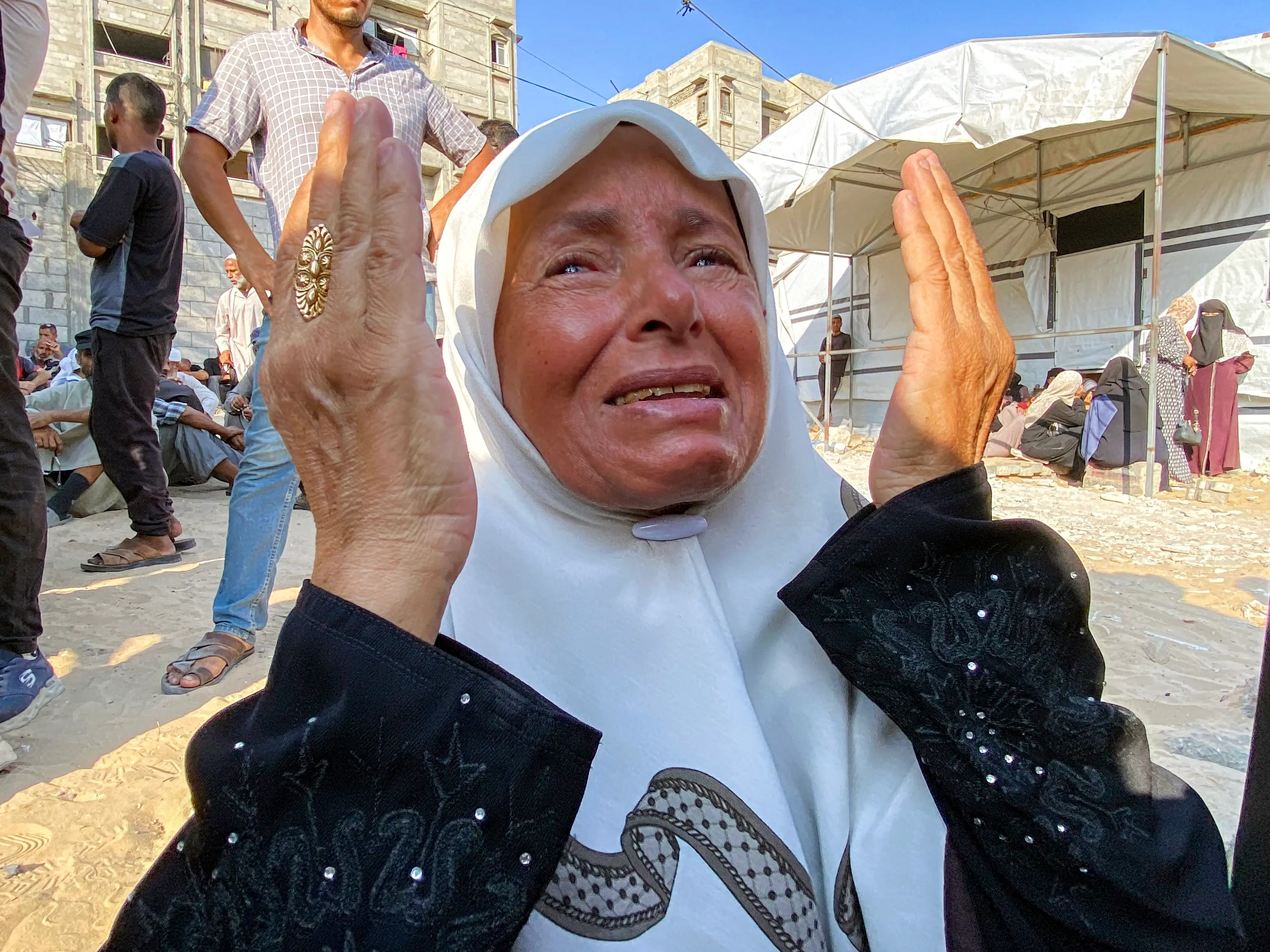
A Palestinian woman reacts after the killing of a relative in Gaza by Israel Photograph: (AFP)
Israel’s blockade of Gaza has drawn serious accusations of violating international humanitarian law (IHL), constituting war crimes with genocidal intent. The Israeli administration could face these charges even after its war with Hamas is over.
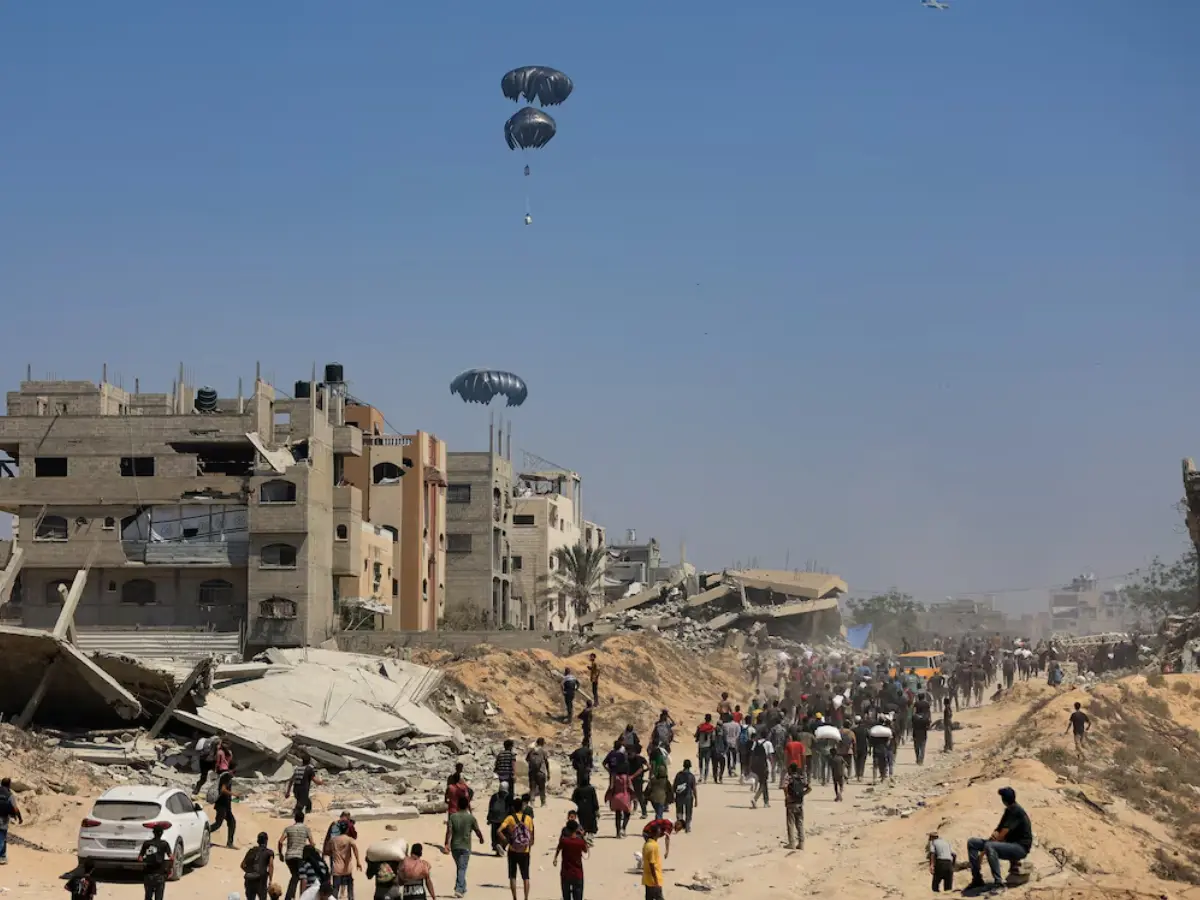
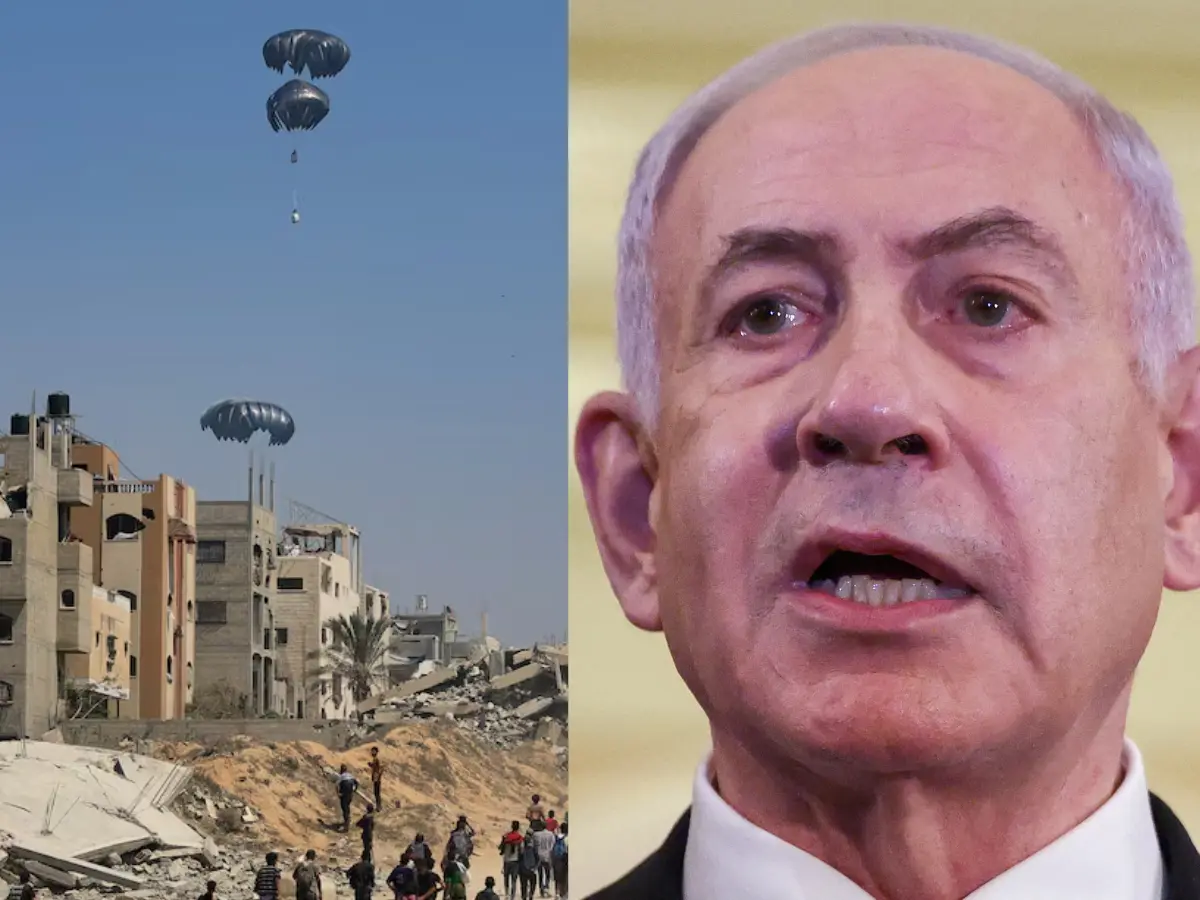
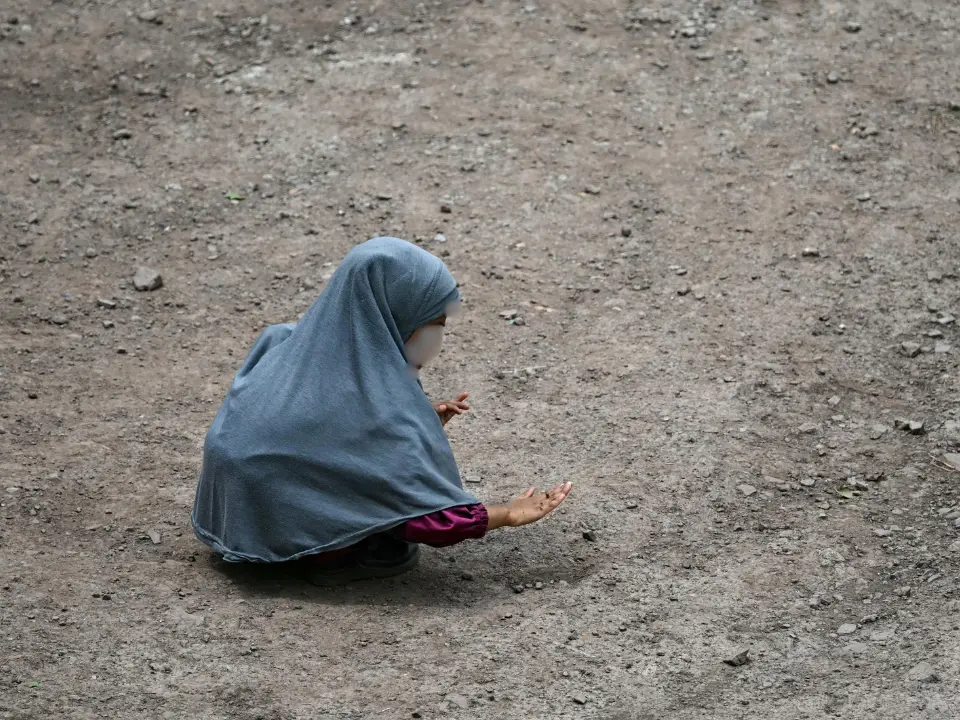
On Monday (July 28), Israel resumed a military pause to allow for aid to enter for hundreds of starving and desperate Palestinians in Gaza. As the Hamas-Israel war continues, the pressure is mounting on Tel Aviv to end the humanitarian crisis, with the UN describing it as a ‘make-or-break days ahead’ for Gazans. In the past few days, Israel has faced allegations of using aid distribution as a weapon of war, with 'genocidal intent'. Will Israeli leaders be prosecuted for war crimes in the context of the aid blockade that left scores of children dying due to starvation?
Did Israel use starvation as a weapon of war?
This is an allegation made by rights groups like Human Rights Watch, Amnesty International, as well as the United Nations. They have described Israel’s aid blockade in Gaza as a ‘deliberate use of starvation’ to weaken the civilian population of Gaza. This is defined as a war crime under the Rome Statute of the International Criminal Court (ICC) of the UN. The claims are bolstered by recent statements from some Israeli officials themselves, who claimed that a 'complete siege' of Gaza had been implemented with no food, fuel, electricity or medical care.
Collective punishment of Gazan civilians by Israel
The aid blockade is being seen as a collective punishment of Gaza’s civilian population, which is prohibited under IHL. The women, children and men are deprived of basic needs like food and water amid the extensive destruction of Gaza’s infrastructure, including hospitals that Israel had bombed during the war that started in 2023 after the Hamas terror attack.
Trending Stories
&imwidth=280&imheight=210&format=webp&quality=medium)
&imwidth=280&imheight=210&format=webp&quality=medium)
&imwidth=280&imheight=210&format=webp&quality=medium)
&imwidth=280&imheight=210&format=webp&quality=medium)
&imwidth=280&imheight=210&format=webp&quality=medium)
&imwidth=280&imheight=210&format=webp&quality=medium)
&imwidth=280&imheight=210&format=webp&quality=medium)
&imwidth=280&imheight=210&format=webp&quality=medium)
&imwidth=280&imheight=210&format=webp&quality=medium)
&imwidth=280&imheight=210&format=webp&quality=medium)
&imwidth=280&imheight=210&format=webp&quality=medium)
&imwidth=280&imheight=210&format=webp&quality=medium)
&imwidth=280&imheight=210&format=webp&quality=medium)
&imwidth=280&imheight=210&format=webp&quality=medium)
&imwidth=280&imheight=210&format=webp&quality=medium)
&imwidth=280&imheight=210&format=webp&quality=medium)
&imwidth=280&imheight=210&format=webp&quality=medium)
&imwidth=280&imheight=210&format=webp&quality=medium)
&imwidth=280&imheight=210&format=webp&quality=medium)
&imwidth=280&imheight=210&format=webp&quality=medium)
&imwidth=280&imheight=210&format=webp&quality=medium)
&imwidth=280&imheight=210&format=webp&quality=medium)
&imwidth=280&imheight=210&format=webp&quality=medium)
&imwidth=280&imheight=210&format=webp&quality=medium)
&imwidth=280&imheight=210&format=webp&quality=medium)
&imwidth=280&imheight=210&format=webp&quality=medium)
&imwidth=280&imheight=210&format=webp&quality=medium)
&imwidth=280&imheight=210&format=webp&quality=medium)
&imwidth=280&imheight=210&format=webp&quality=medium)
&im=FitAndFill=(700,400)&imwidth=280&imheight=210&format=webp&quality=medium)
&imwidth=280&imheight=210&format=webp&quality=medium)
&imwidth=280&imheight=210&format=webp&quality=medium)
&imwidth=280&imheight=210&format=webp&quality=medium)
&imwidth=280&imheight=210&format=webp&quality=medium)
Genocide allegations against Israel over actions in Gaza
According to Amnesty International, Israel's actions in Gaza amount to 'genocidal measures' aimed at physically destroying the Palestinian population by imposing lethal living conditions in Gaza.
The rights group, in a 2024 report, concluded that Israel’s actions meet the criteria for genocide under the Genocide Convention. It cited evidence of killings, serious bodily and mental harm, and conditions calculated to bring about the destruction of Palestinians in Gaza.
Gaza war: Israel is already facing cases with genocide aspects
Already, a genocide case against Israel is under review by the International Court of Justice (ICJ), which issued orders demanding that Israel allow humanitarian aid access. Separately, the ICC had issued arrest warrants against Israeli leaders, including Prime Minister Benjamin Netanyahu, on war crimes charges related to the blockade and associated starvation tactics.
Israel blockade invited widespread condemnation
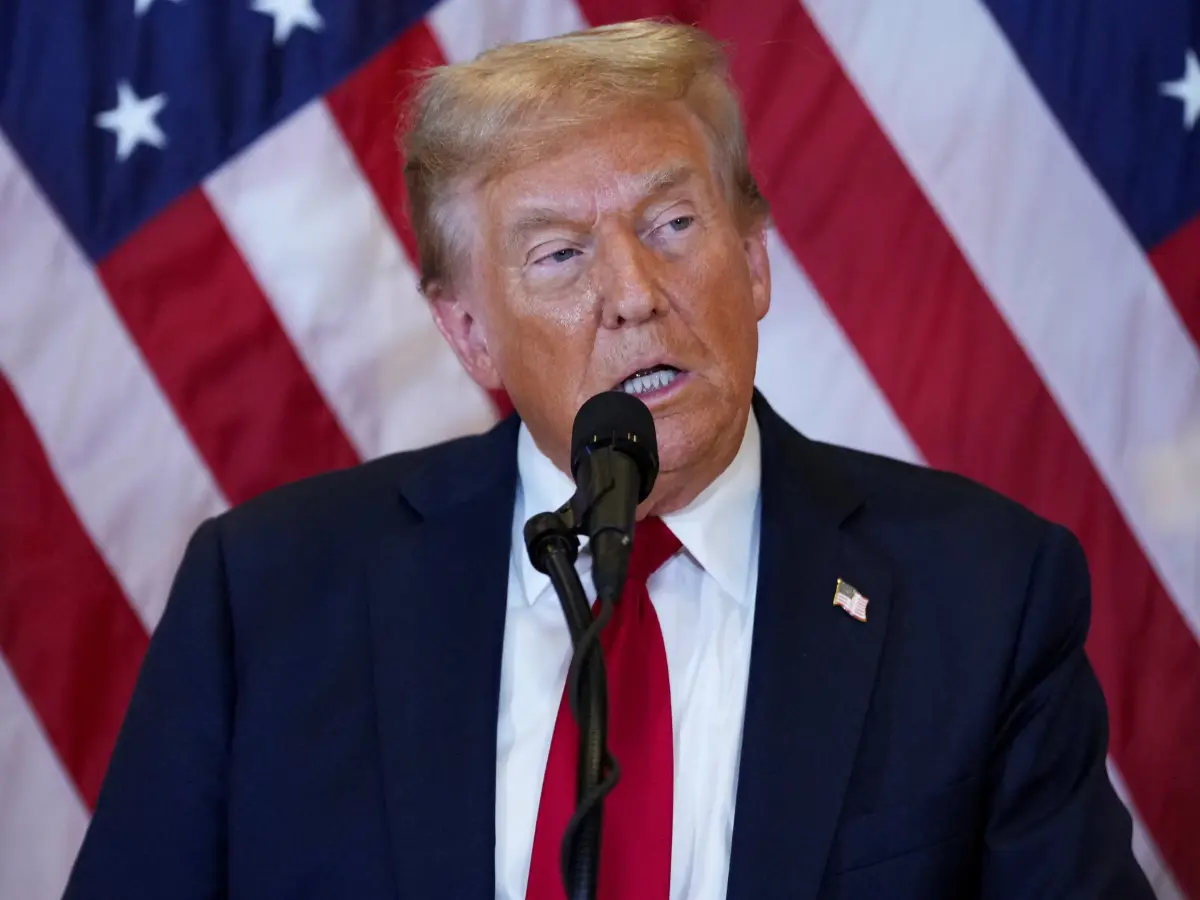
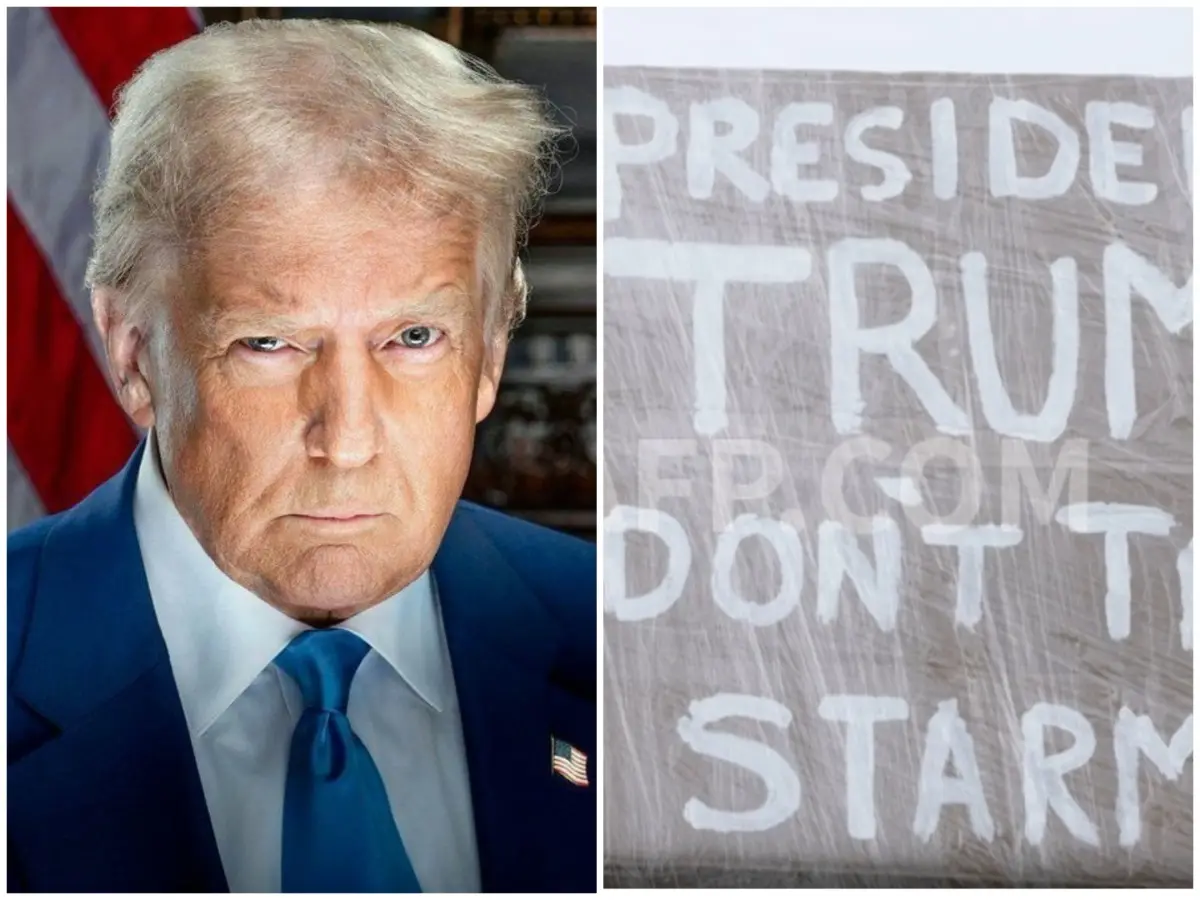
Besides the UN, several countries including France, UK, Germany and Germany have condemned the Gaza blockade, with the Spanish Prime Minister openly calling it a 'genocide.' The US, under President Donald Trump, has criticised Israel’s actions but stopped short of sanctions.
What Israel says about claims of genocide and using aid as a weapon in Gaza
Israel has rejected accusations of war crimes and genocide, characterising the aid blockade as a necessary security measure aimed at pressuring Hamas to release hostages and cease armed activities.
For its part, the Netanyahu government alleged that Hamas is plundering and diverting aid. Israel claims it only targets Hamas and not civilians, but the situation on the ground is more complicated, with rights groups and international organisations noting the disproportionate burden on civilians caused by the blockade and Israeli military operations.
Future looks grim for Israel once the dust settles in Gaza
Though minimal aid has started entering Gaza, the Israeli actions have caused a devastating humanitarian crisis for Palestinians. The developments may have triggered French President Emannual Macron's move to recognise Palestine state.
Without a doubt, after two years of bombardment, the starvation and infrastructure collapse in Gaza is widespread.
Legal experts and human rights bodies who insist that Israel’s policies constitute war crimes could pursue their cases even after the war is over.
The alleged use of starvation as a method of warfare and collective punishment of civilians with possible genocidal intent will come under scrutiny, particularly when the ICJ and ICC investigate further.