Bangladesh general elections 2026: A look at the South Asian country's previous elections

&imwidth=600&imheight=450&format=webp&quality=medium "Bangladesh general elections 2026: A look at the South Asian country's previous elections")
Bangladesh general elections 2026 Photograph: (AFP)
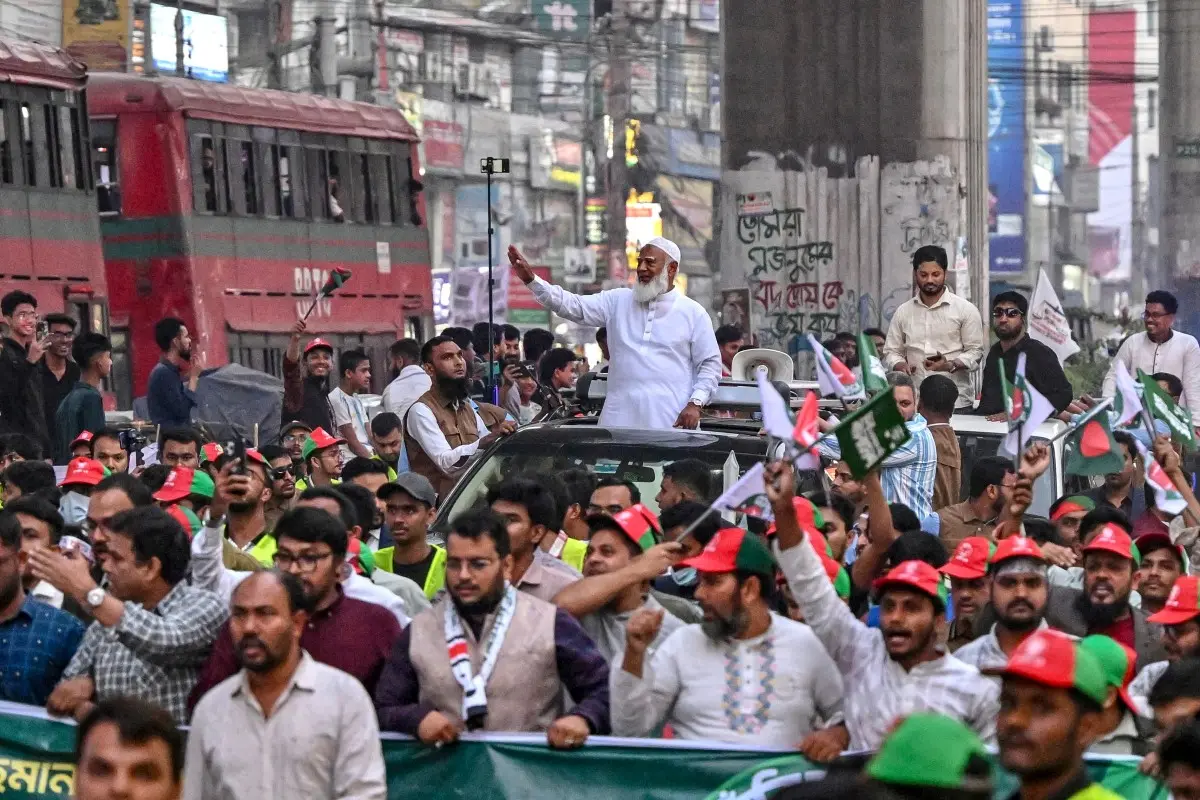
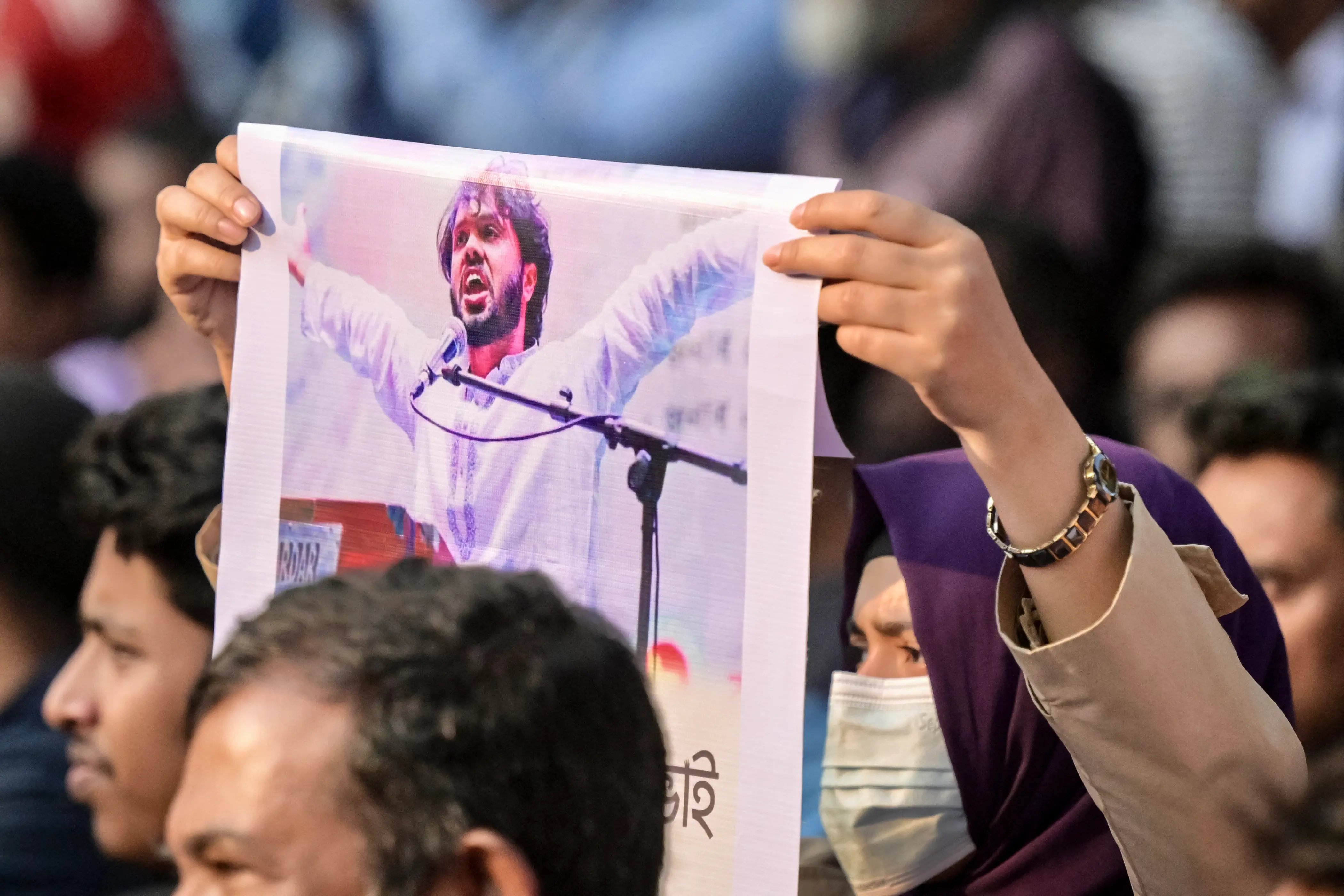
Bangladesh general elections 2026: Awami League and Bangladesh Nationalist Party (BNP) are facing off in the country's first general elections since Sheikh Hasina's ouster. Here is what the past elections have looked like in the country.
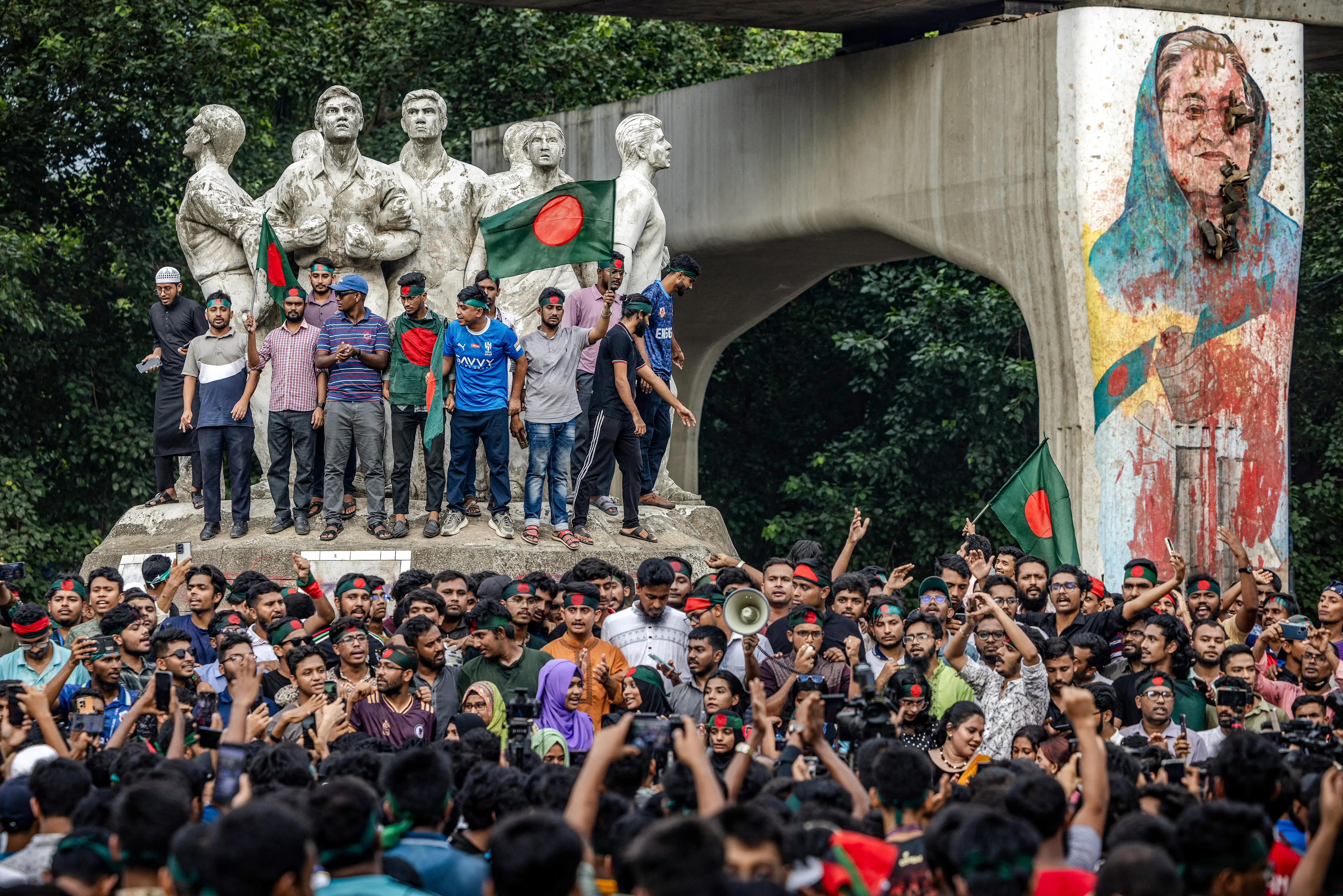
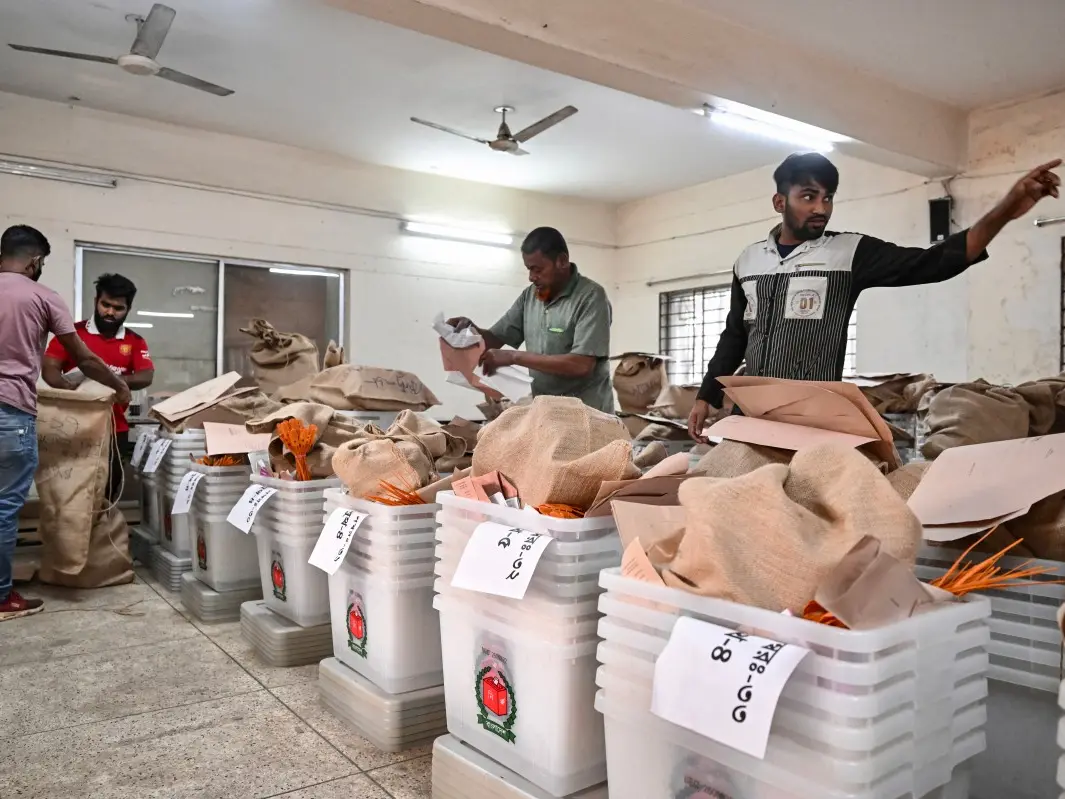
Bangladesh is holding its 13th general election on February 12. These are the first polls since former Prime Minister Sheikh Hasina was ousted following student-led protests in the country. More than 127 million people are eligible to vote in "the biggest democratic exercise of the year."
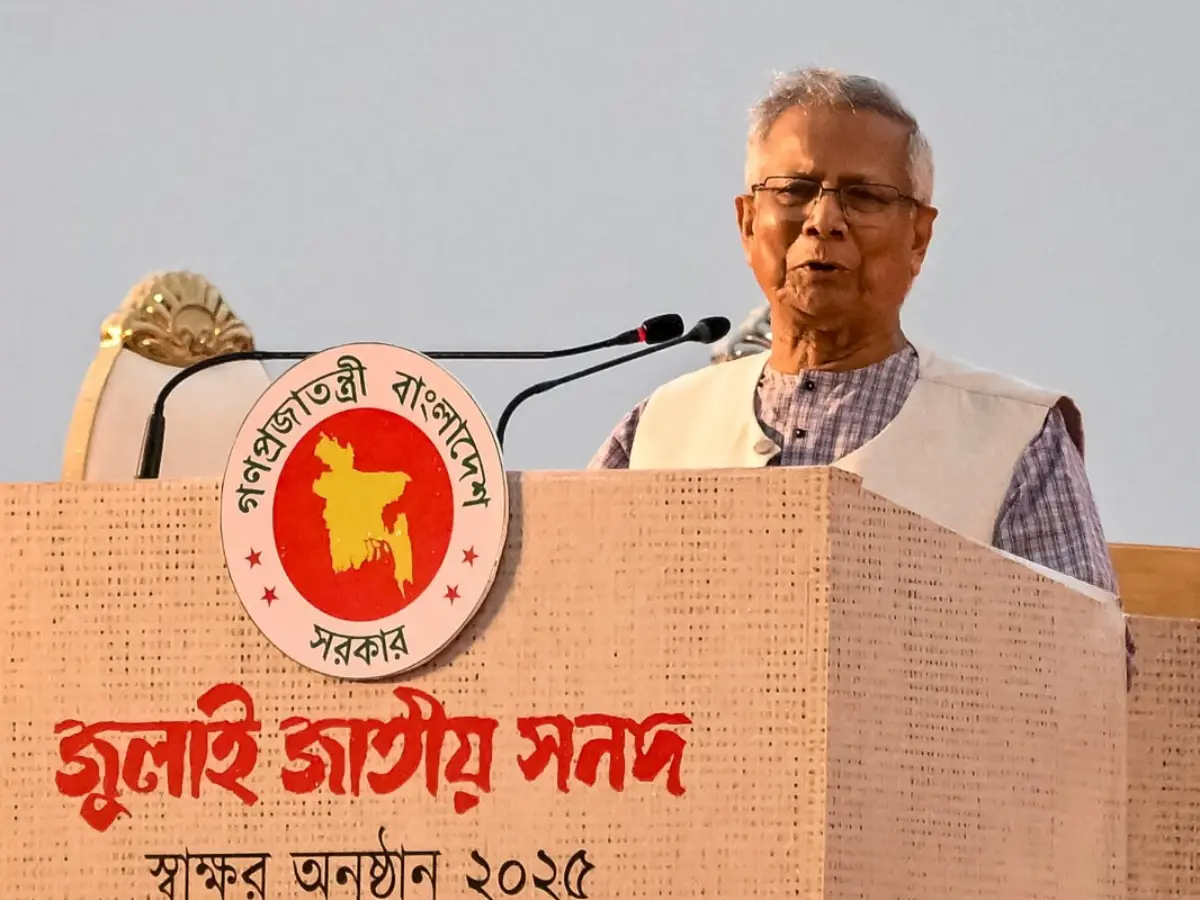
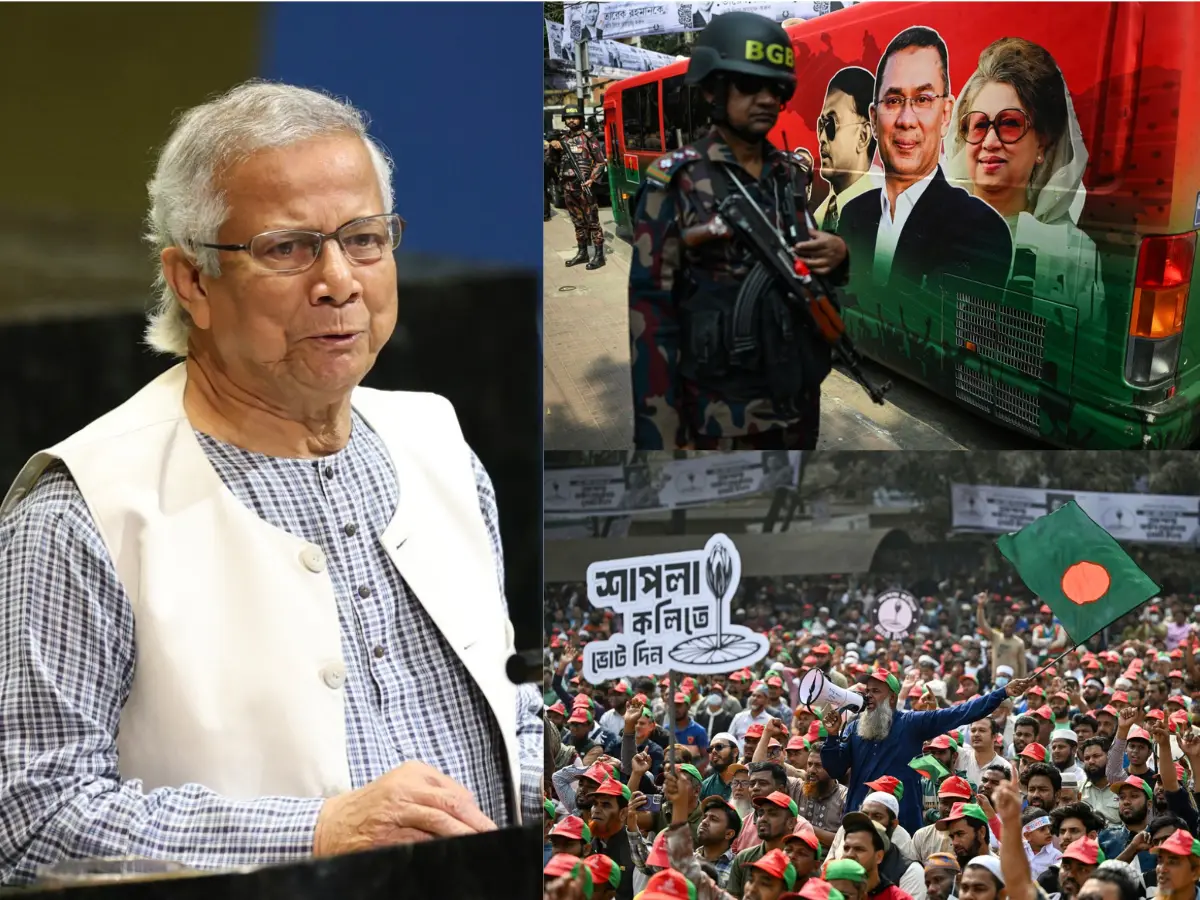
Nearly 15 million Bangladeshi expatriates will also be able to vote by post for the first time. However, unrest and violence are expected on the day of the elections. The current caretaker government is led by Nobel laureate Muhammad Yunus. Awami League and Bangladesh Nationalist Party (BNP) have been the two main parties in the country. But this year, the former is banned since its members are on trial for the brutal crackdown on protests in 2024. The BNP and the Jamaat-e-Islami are the two main contenders this time. Here is what past elections in Bangladesh have been like.
Bangladesh, formerly East Pakistan, was part of the general elections held in December 1970. There were calls for independence for the Bengali majority. Pro-independence leader Sheikh Mujibur Rahman’s Awami League won almost all 162 seats in East Pakistan. But the Pakistani military government did not let it form the government, after which Rahman declared they would separate from Pakistan by 1971. The Pakistani Army went after activists, which led to the beginning of the Bangladeshi Liberation War from March to December 1971. Large-scale violence occurred, and nearly three million people lost their lives. The country gained independence, and Rahman became its first prime minister.
First post-independence election in Bangladesh
The first general election in Bangladesh after gaining independence from Pakistan was held in 1973. The Awami League (AL), led by Sheikh Mujibur Rahman, won 293 of 300 seats. Mujib was accused of using wrongful means to win the elections, including rigging polls through ballot-stuffing and intimidating and arresting opposition leaders. Mujib used his position in power to ban all opposition parties in 1974.
Rahman is assassinated in counter-coup
Trending Stories
)
)
)
)
)
)
)
)
)
)
)
)
)
)
)
)
)
)
)
)
)
)
)
)
)
)
)
)
)
)
)
)
)
)
&im=FitAndFill=(700,400))
)
)
)
)
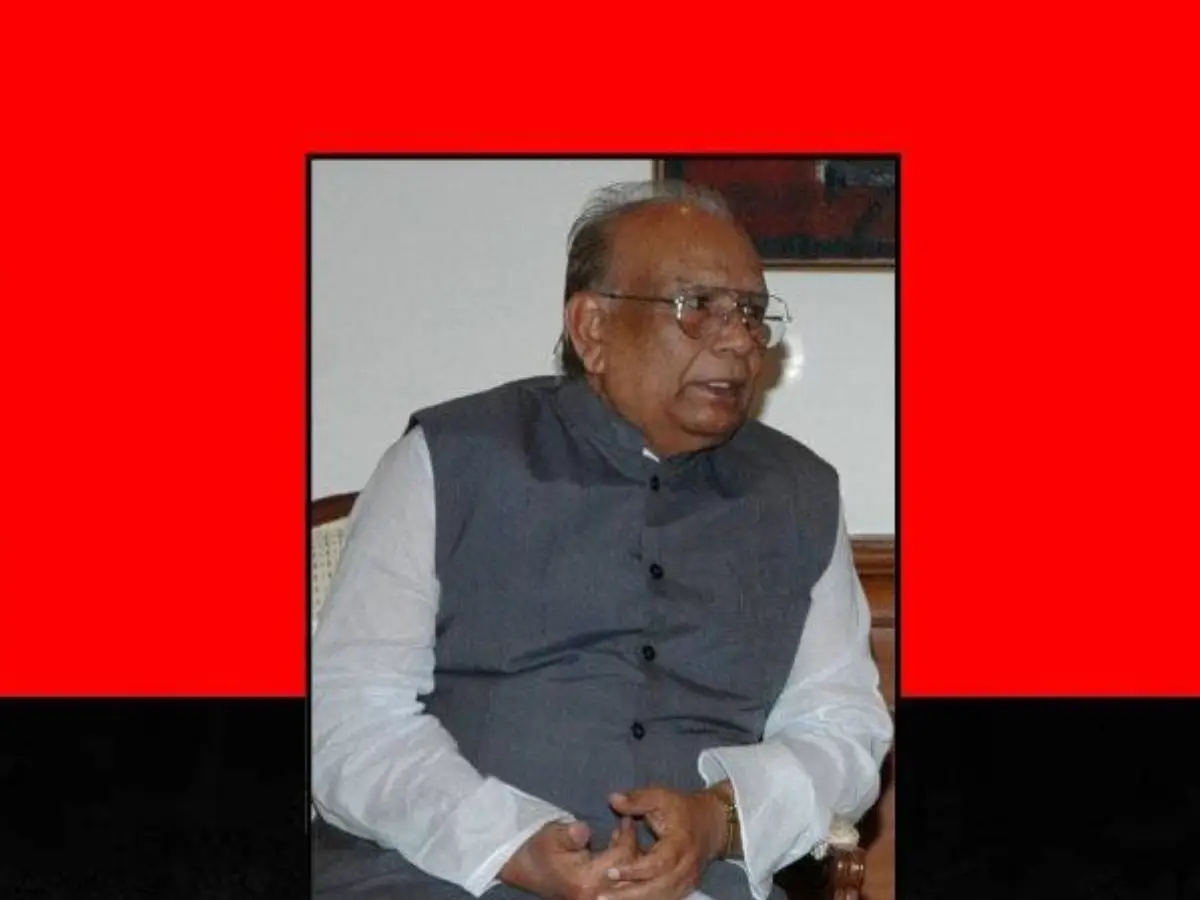
In 1975, Rahman and a family member were assassinated following a bloody coup led by Colonel Sayed Farooq-ur-Rahman. The military took control of the country, with Finance Minister Khondaker Mostaq Ahmad declaring himself president. Ahmad abolished the one-party system and permitted the formation of opposition parties. But he could not remain in power for long, as in November 1975, a counter-coup led by General Khaled Mosharraf, a loyalist of the late Sheikh Mujibur Rahman, ended his tenure. Chief Justice Abu Sadat Mohammad Sayem assumed the presidency with military backing, serving until April 1977, when he resigned citing health concerns. Army Chief Ziaur Rahman took the reins.
1979 elections
Ziaur Rahman's newly formed Bangladesh National Party (BNP) won the first polls since 1979, winning 207 out of 300 parliamentary seats. The Awami League won only 39 and alleged that the elections were rigged. Ziaur was assassinated in an abortive military coup on May 30, 1981.
1986 and 1988 elections
BNP won 65 per cent of the vote in 1981, but Army chief Hussain Muhammad Ershad seized power in a bloodless coup in March 1982, imposing martial law.The next elections were held in May 1986, and his Jatiya Party won 183 seats. Opposition parties boycotted the elections. Elections were again held in 1988, and the Jatiya Party won 259 seats.
1991 - Bangladesh gets its first female prime minister
BNP and the Awami League came together to force Ershad to resign in 1991. Ziaur’s widow, Khaleda Zia, led the BNP, while Sheikh Hasina, the eldest of Rahman’s two surviving daughters, led the Awami League. Fresh elections were held on February 27, 1991. BNP won 140 seats, and Khaleda Zia became Bangladesh’s first female prime minister.
1996 - Hasina becomes Prime Minister
Relations between the ruling BNP and the Awami League became tense following a parliamentary by-election for the Magura-2 constituency. BNP was accused of rigging the elecions and Zia was pressured to resign. All opposition parties boycotted the February 15, 1996, election, handing BNP a near-unanimous victory. But BNP had to hand over power to a caretaker government after just 12 days. Another election was held on June 12, and Hasina became the prime minister.
2001 - BNP returns to power
In 2001, BNP regained power, and Khaleda Zia formed a government for a second time. Ahead of the January 2007 polls, the BNP, the opposition Awami League, and others butted heads over a caretaker government. BNP named a retired chief justice with ties to Zia, leading to riots. BNP-appointed president, Iajuddin Ahmed, finally became the leader. Later, more riots occurred when news broke that fake names had been included on the list of candidates.
2008 - Hasina wins again
The elections finally happened on December 29, 2008. The Awami League, led by Hasina, entered alliances to form the government. Hasina returned to power for the second time in 2009. But the party was not happy with the military for causing a delay in the elections. So Hasina amended the constitution remove the caretaker government requirement. Her government also cracked down against opposition leaders in 2014, and Zia was placed under house arrest. There was widespread violence, and the BNP and its supporters refused to participate in the elections, handing Hasina another victory.
2018 - Awami League-Jatiya Party alliance
The next elections on December 30, 2018 and the ruling Awami League-Jatiya Party coalition were accused of rigging. There were reports of violence against opposition BNP members. The Jamaat-e-Islami, the country’s largest Islamic party, was banned, and several of its leaders were executed. Khaleda Zia was convicted and handed a 17-year jail term in a corruption case, resulting in her being barred from the elections. The Awami League-Jatiya Party alliance won more than 90 per cent of seats.
2024 - Hasina wins and is removed following violent protests
The last election under Hasina’s administration was held on January 7, 2024. By this time, she was seen to have almost full control over the electoral commission. Opposition BNP boycotted the elections, and Jamaat was still banned, which gave Hasina another term in office. In July, mass protests led by students broke out over a job quota system. The demonstrations turned violen,t and nearly 1,400 people died. Hasina fled the country on August 5. On August 8, Muhammad Yunus became the interim leader of Bangladesh.