Why can't a CPU do everything a GPU does?

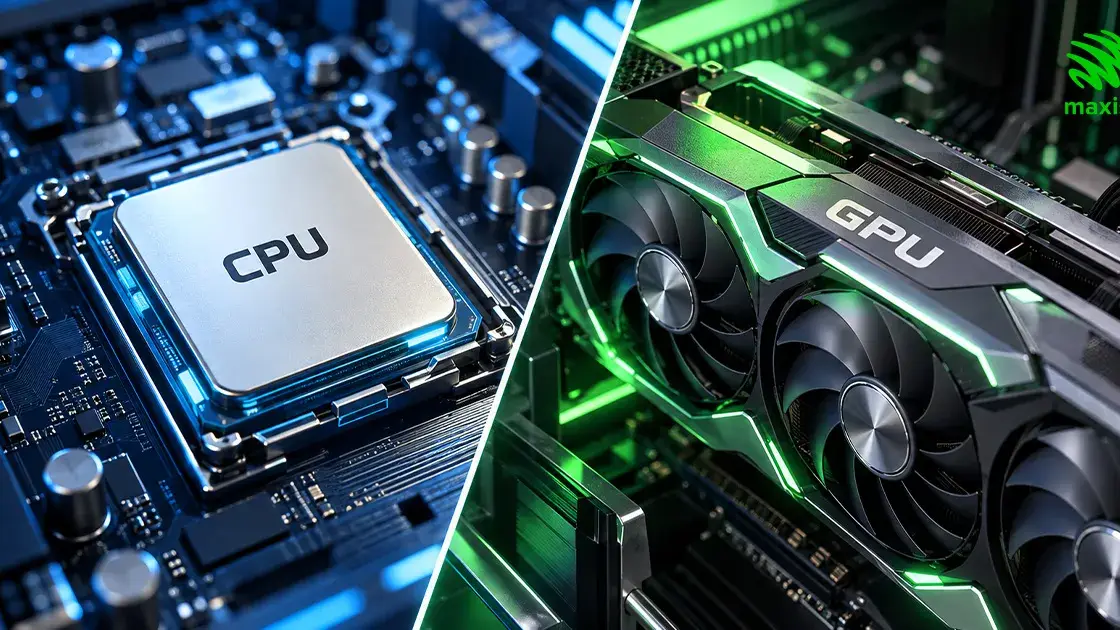
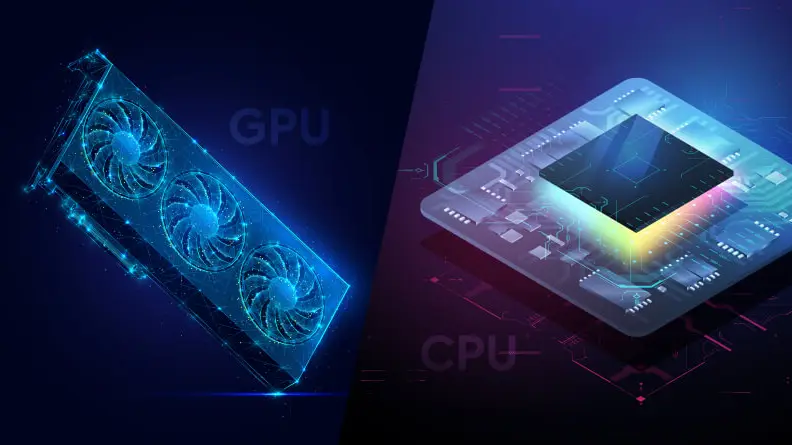
A CPU relies on a few heavy-duty cores for sequential tasks, while a GPU packs thousands of small cores for parallel execution. This architectural divide makes CPUs unable to handle mass rendering or AI workloads efficiently.
The Architecture Divide
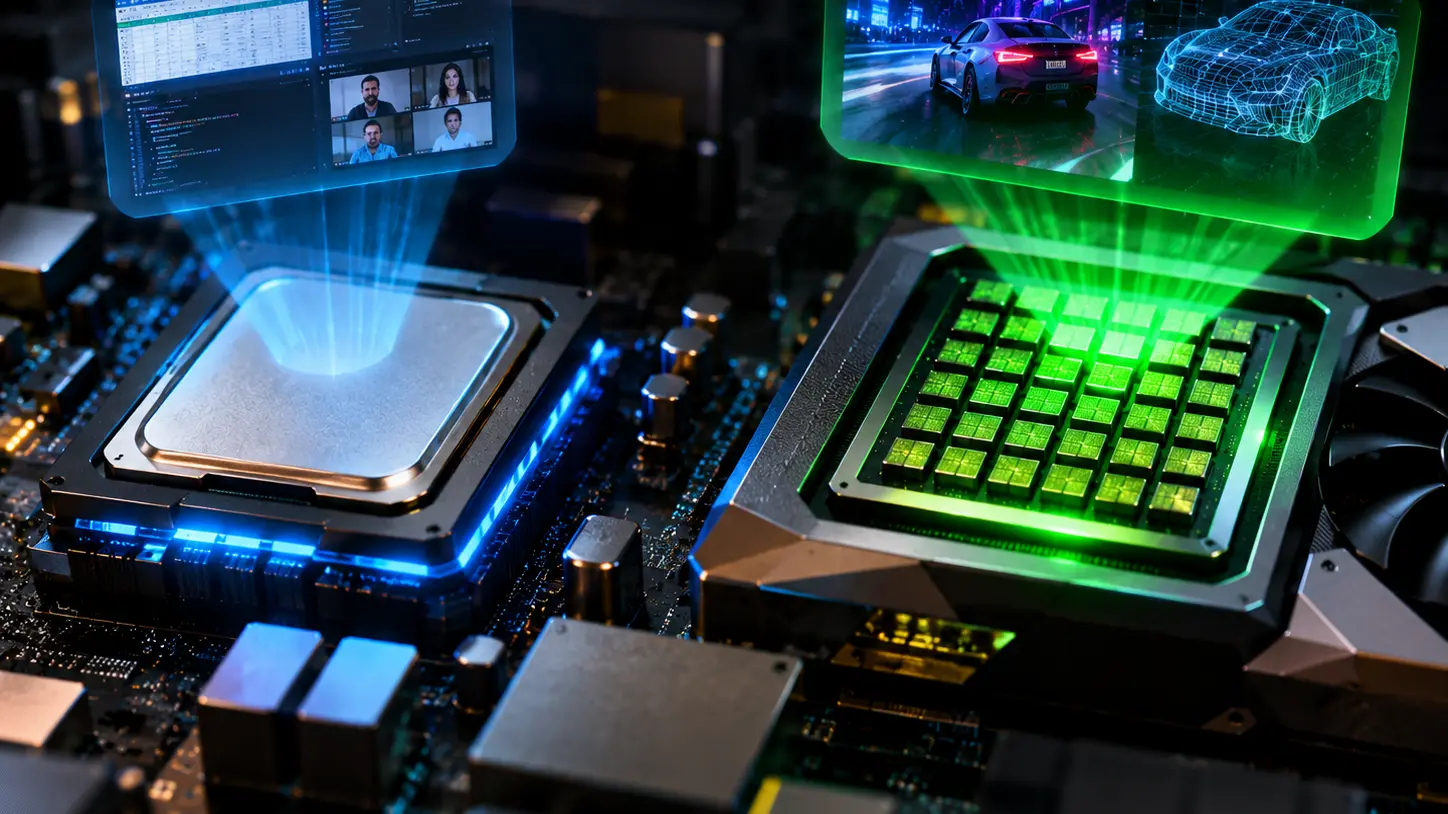
A Central Processing Unit and a Graphics Processing Unit are fundamentally built for completely different computing goals. While a CPU is engineered to handle complex, sequential logic instructions, a GPU is designed to execute massive workloads simultaneously.
The Master Manager Approach
A modern CPU typically features 8 to 24 heavy-duty cores optimized for raw clock speed. Each core acts like a master manager, executing complex branching tasks one after another with minimal delay.
The Army of Tiny Cores
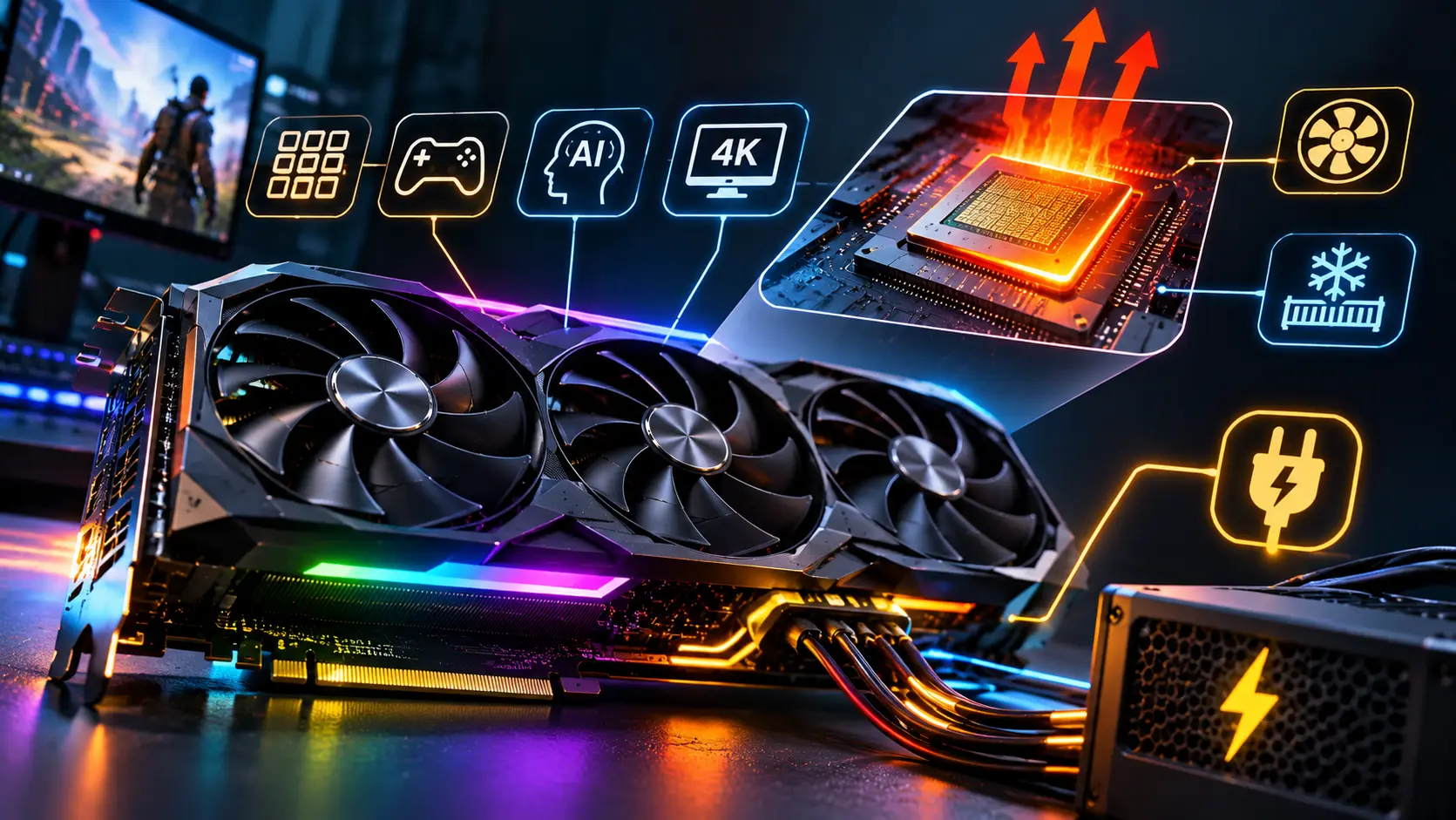
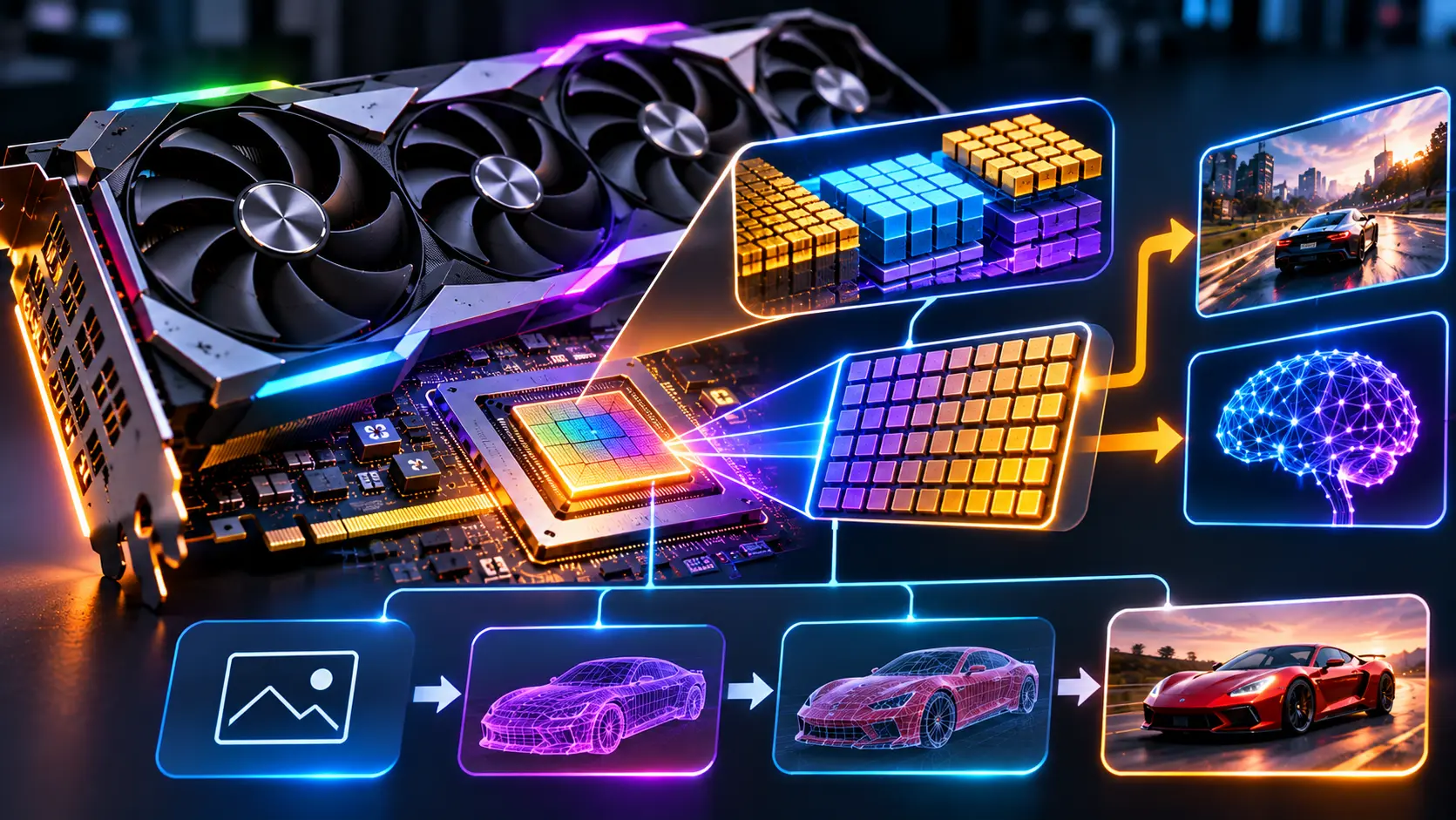
Conversely, a flagship GPU packs thousands of small, streamlined processing cores. This massive parallel structure cannot handle complex operating system logic, but it easily crushes millions of repetitive mathematical calculations at once.
Processing Pixels in Parallel
Rendering a high-resolution 3D game requires calculating the lighting, geometry, and texture of millions of pixels concurrently. If a CPU attempted this sequential workload, frame rates would drop to agonizing single digits.
Feeding the AI Revolution
Training modern artificial intelligence models requires trillions of simultaneous matrix multiplications. A CPU lacks the dense parallel architecture required to process these massive vector arrays efficiently at practical speeds.
The Memory Bandwidth Wall
GPUs pair their processing cores with ultra-fast High Bandwidth Memory capable of transferring terabytes per second. CPUs rely on lower-bandwidth cache hierarchies that would create severe data bottlenecks during heavy parallel rendering tasks.
Better Together
Rather than competing, modern computers rely on both processors working in seamless harmony. The CPU manages the operating system and game logic, while offloading heavy graphical rendering and artificial intelligence tasks directly to the GPU.