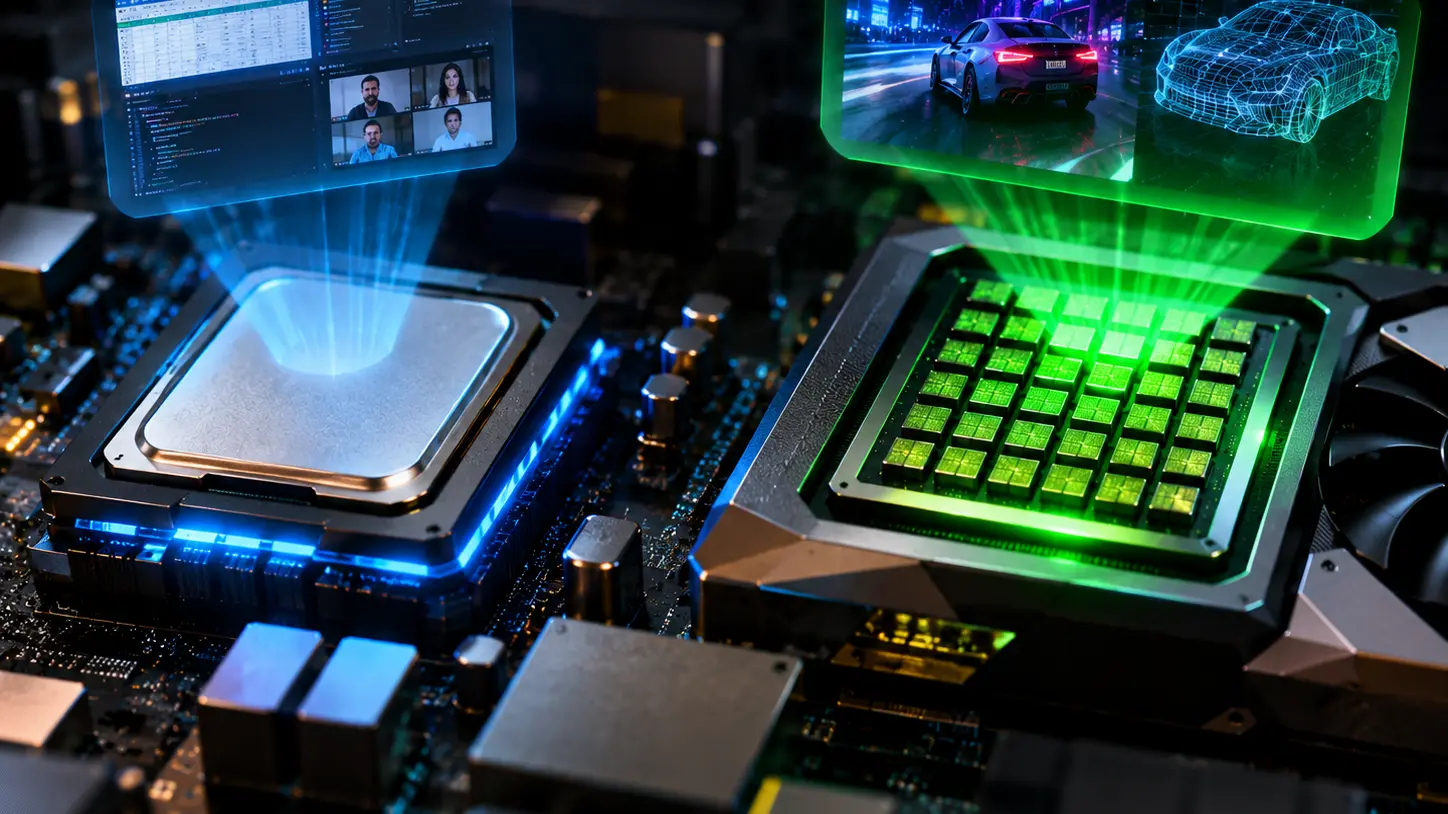
CPU vs GPU: Why more cores do not always mean better performance

More cores do not guarantee better performance due to sequential task limits, memory bottlenecks, and software constraints. Efficiency and instruction speed matter far more than raw core counts.
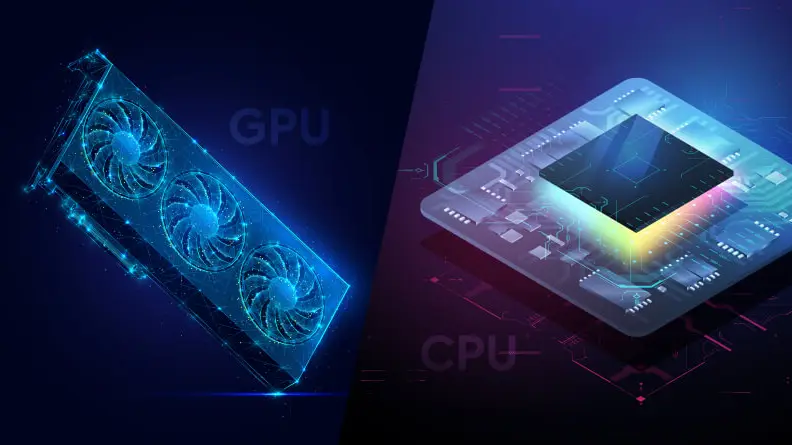
The Core Count Myth
Marketing campaigns love to flaunt massive core counts as the ultimate measure of computing power. However, simply packing more processing units onto a silicon chip does not automatically translate into faster real-world speed.

Sequential Task Limits
Amdahl’s Law dictates that certain computational tasks are strictly sequential and cannot be split up. Even if a processor features 64 distinct cores, a single-threaded operation will only ever utilise one core, leaving the rest completely idle.
The GPU Core Illusion
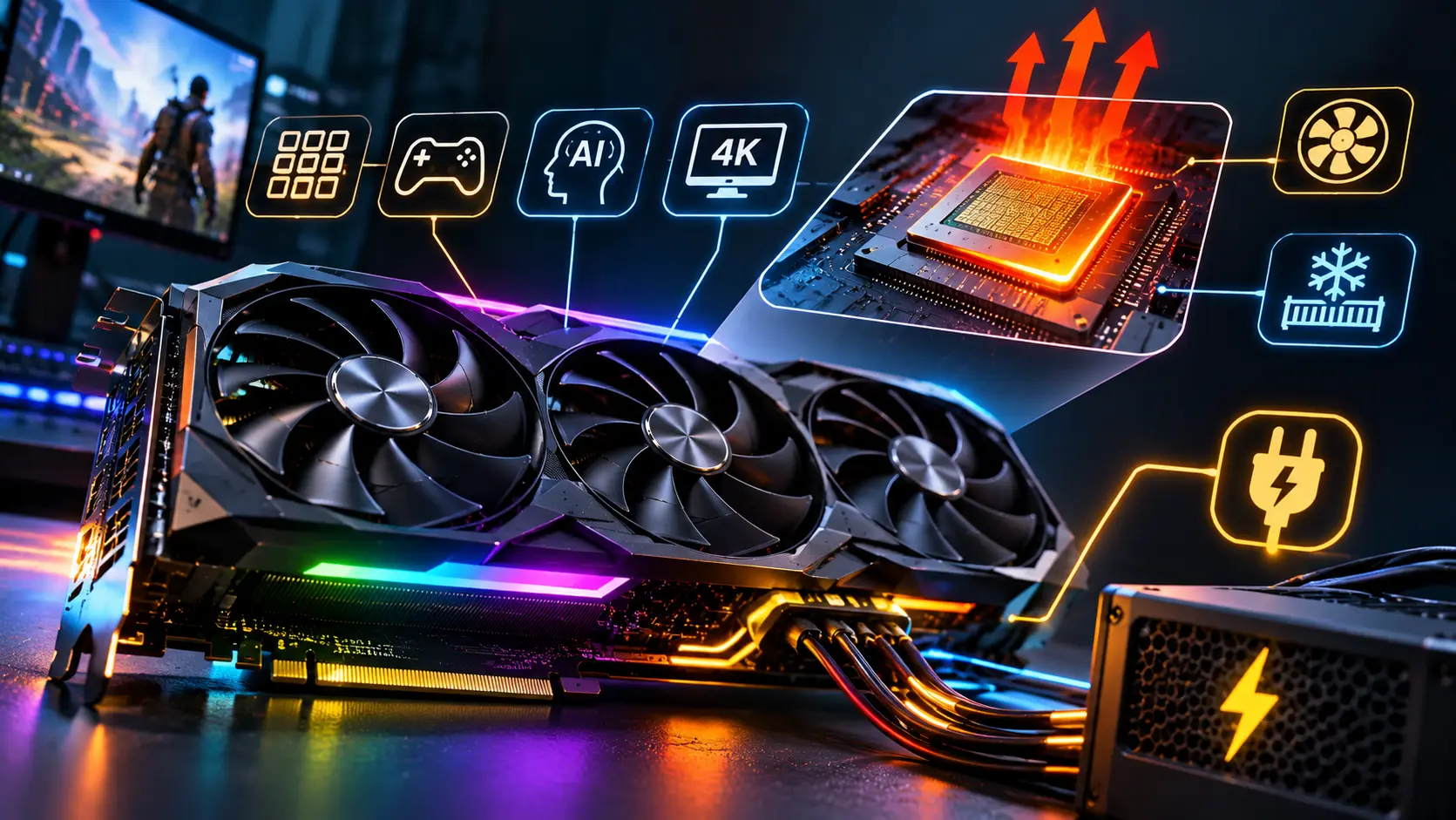
While a high-end graphics card boasts over 16,000 tiny cores, they are fundamentally streamlined for simple parallel math. Slapping thousands of these simplified units onto a standard central processor would actually destroy its ability to run complex operating systems.

The Memory Bandwidth Bottleneck
Processing cores are only as fast as the data fed into them by system memory. If memory bandwidth cannot keep pace with thousands of active cores, they spend most of their processing cycles waiting idly for data packages to arrive.
Thermal Throttling Limits
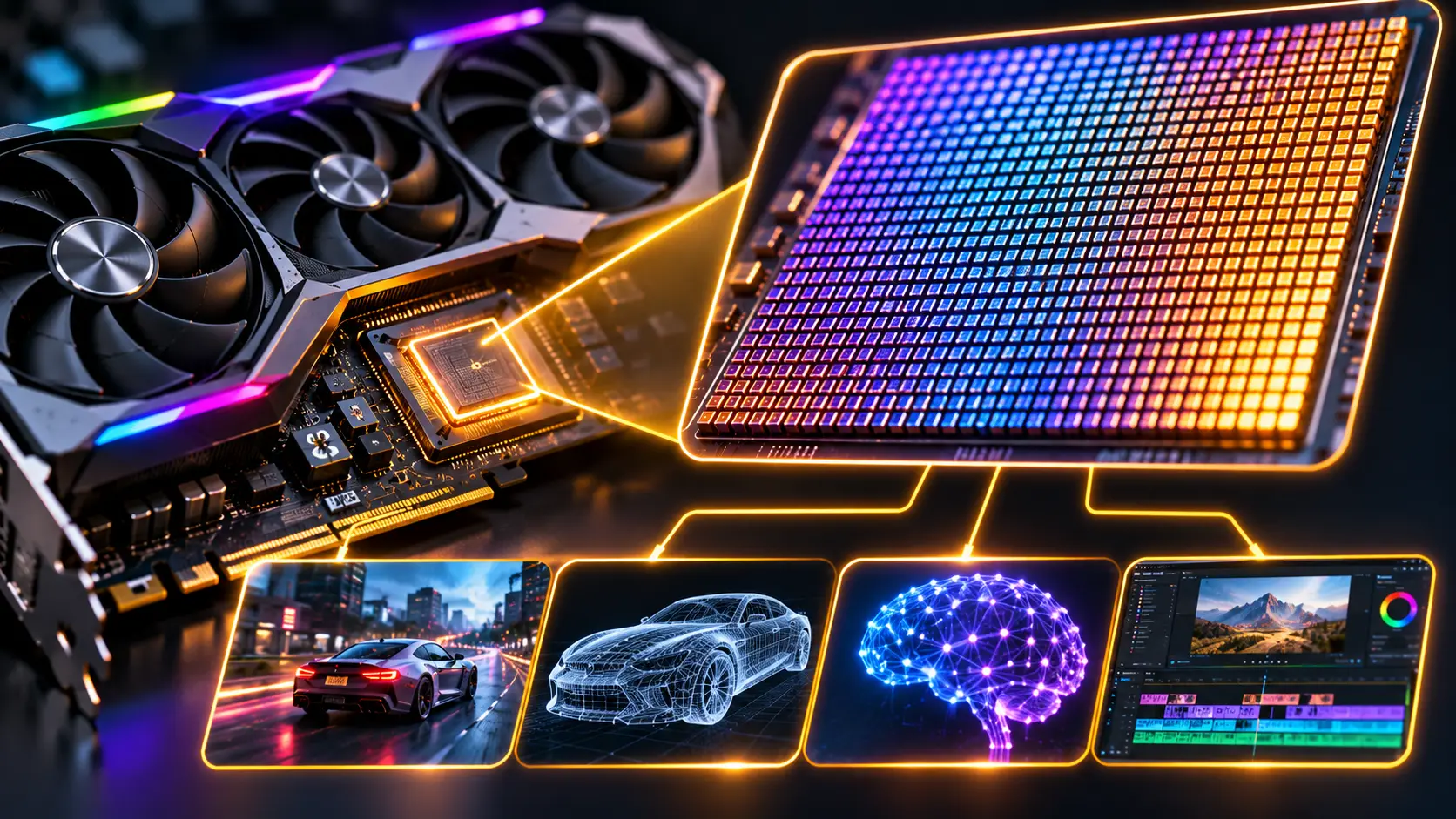
Packing excessive cores onto a tight physical space generates extreme localized heat density. When temperatures spike, processors must automatically throttle their clock speeds downward, resulting in slower performance despite having more active units.

Software Optimisation Barriers
Hardware performance relies entirely on how well software is coded to distribute workloads. If an application cannot divide its tasks across multiple threads efficiently, adding extra processor cores yields zero measurable speed improvement.

Quality Over Quantity
Modern processor engineering focuses on instructions per clock cycle rather than raw core inflation. A few lightning-fast, highly efficient cores routinely outperform bloated multi-core processors on everyday tasks and gaming workloads.