Bangladesh Elections: Could Jamaat-e-Islami’s rise push Dhaka closer to Pakistan and the muslim world?

Jamaat-e-Islami has long remained a polarising presence in Bangladesh politics. The party opposed Bangladesh’s independence from Pakistan in 1971, a stance that has shaped its controversial legacy.
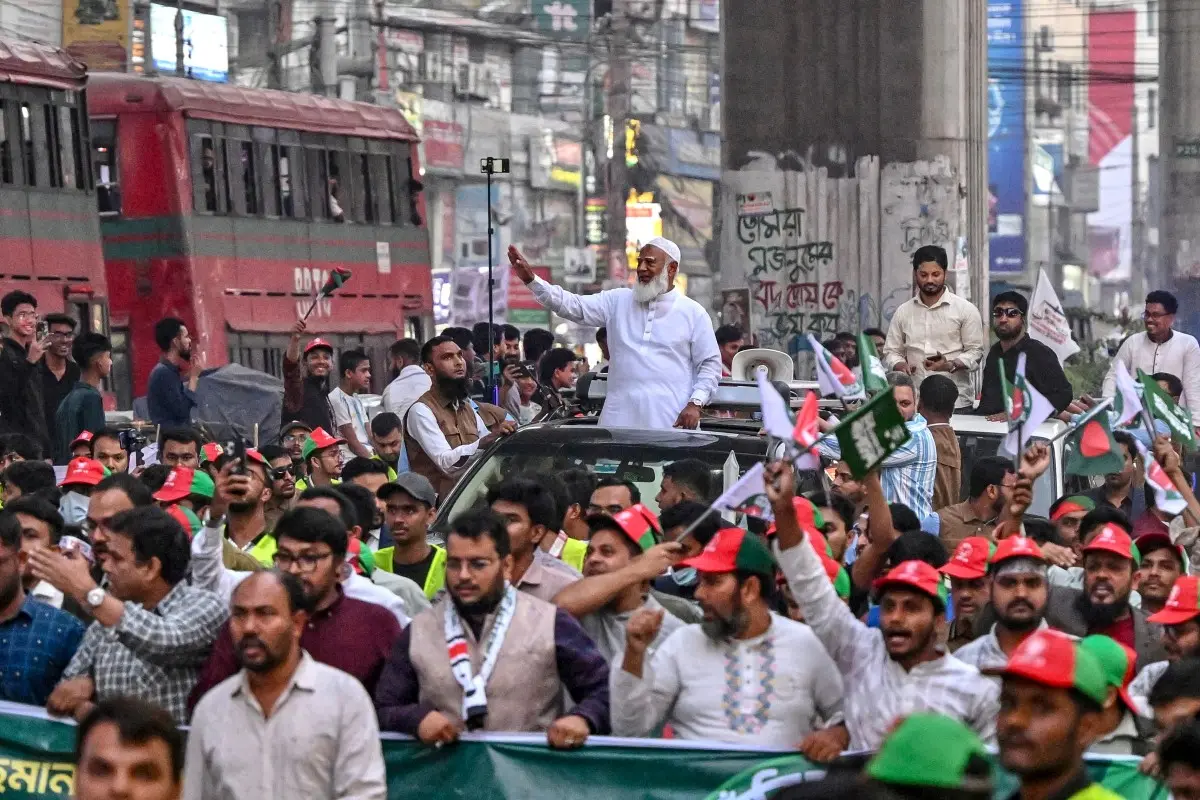
From Political Isolation to Electoral Relevance
Bangladesh’s upcoming national election on February 12 has placed Jamaat-e-Islami back at the centre of political discourse, marking an important shift for a party once barred from electoral participation. The Islamist organisation, banned for years due to its alleged links to war crimes during Bangladesh’s 1971 independence struggle, is now re-emerging as a significant political force amid a rapidly changing political landscape following Sheikh Hasina’s removal from power.
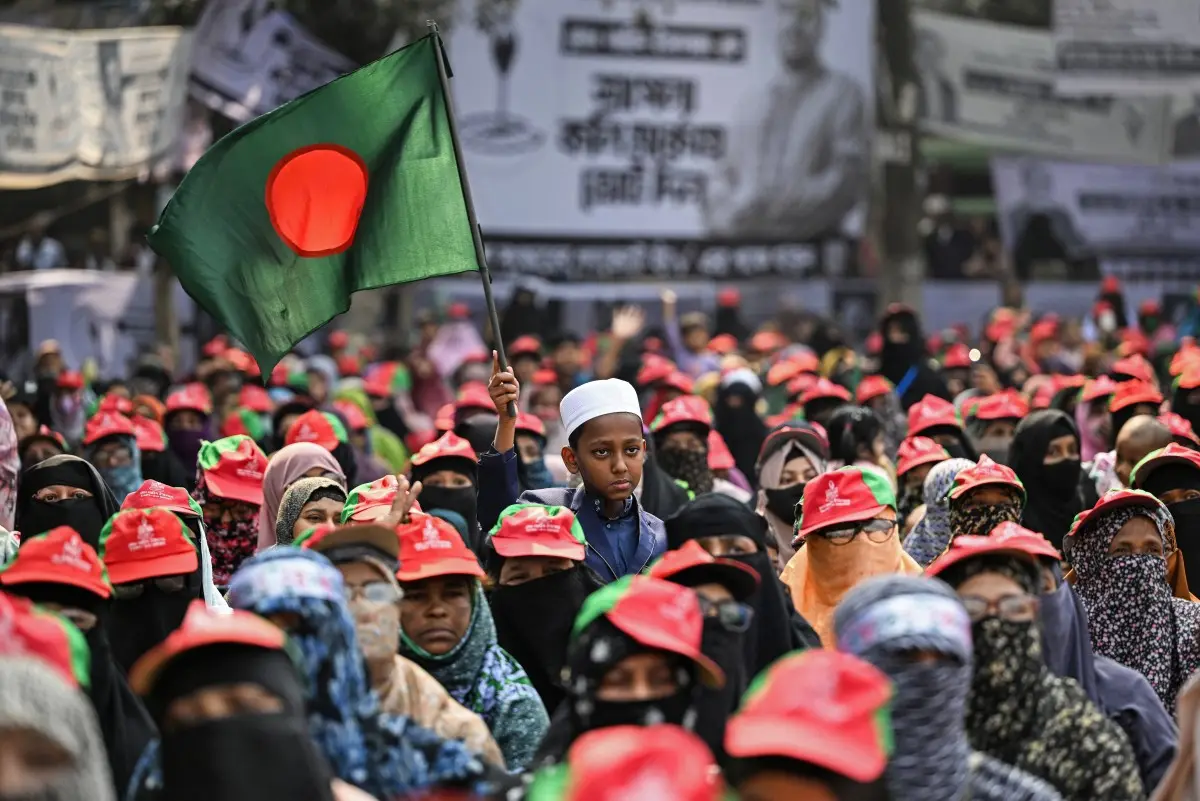
Historical Baggage and Political Controversy
Jamaat-e-Islami has long remained a polarising presence in Bangladesh politics. The party opposed Bangladesh’s independence from Pakistan in 1971, a stance that has shaped its controversial legacy. Over the years, several of its senior leaders were convicted for alleged involvement in wartime atrocities. Despite this, recent political shifts and legal developments have allowed the party to regain organisational strength and public visibility ahead of the 2026 elections.
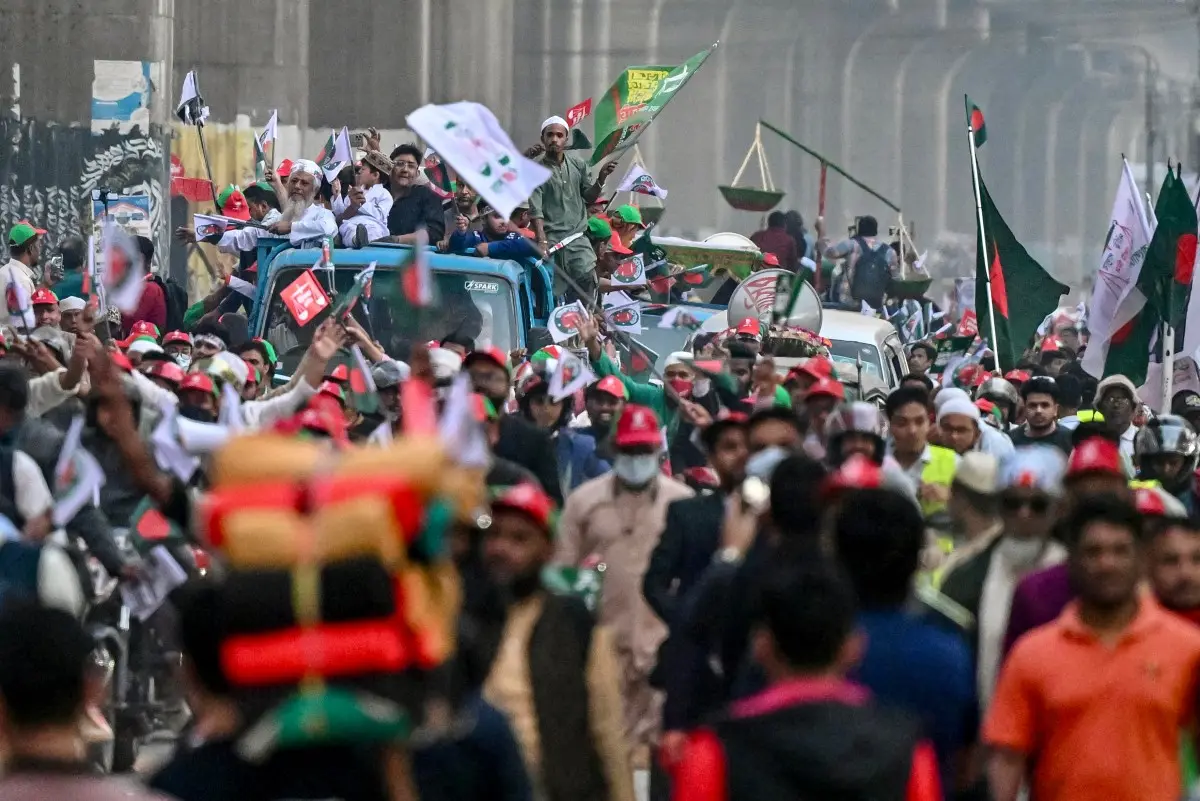
Strategic Alliances Strengthen Electoral Standing
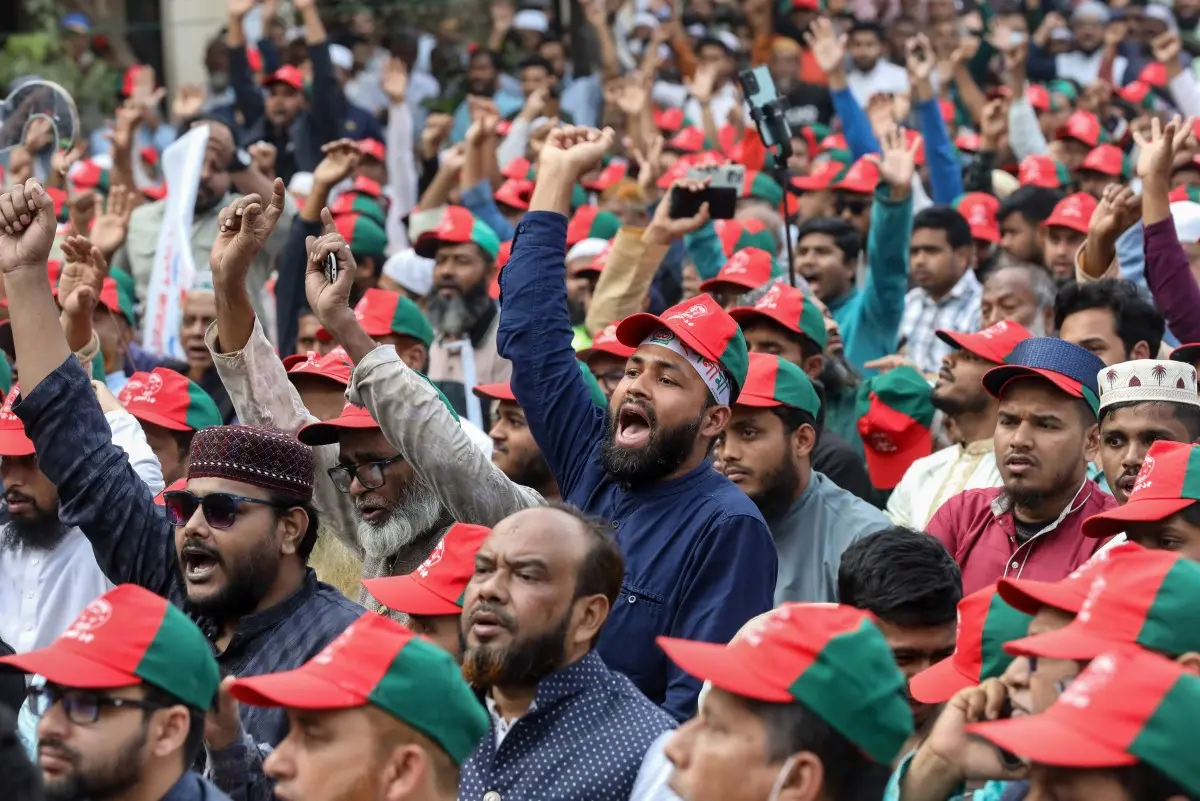
Recent reporting indicates Jamaat’s growing alignment with opposition political formations, including sections of the Bangladesh Nationalist Party (BNP). Surveys cited in pre-election analyses suggest the BNP remains the leading electoral contender, yet Jamaat’s revival is expected to significantly influence coalition dynamics and voter behaviour. Observers note that even without securing an outright victory, Jamaat’s electoral gains could position it as a key power broker in government formation.
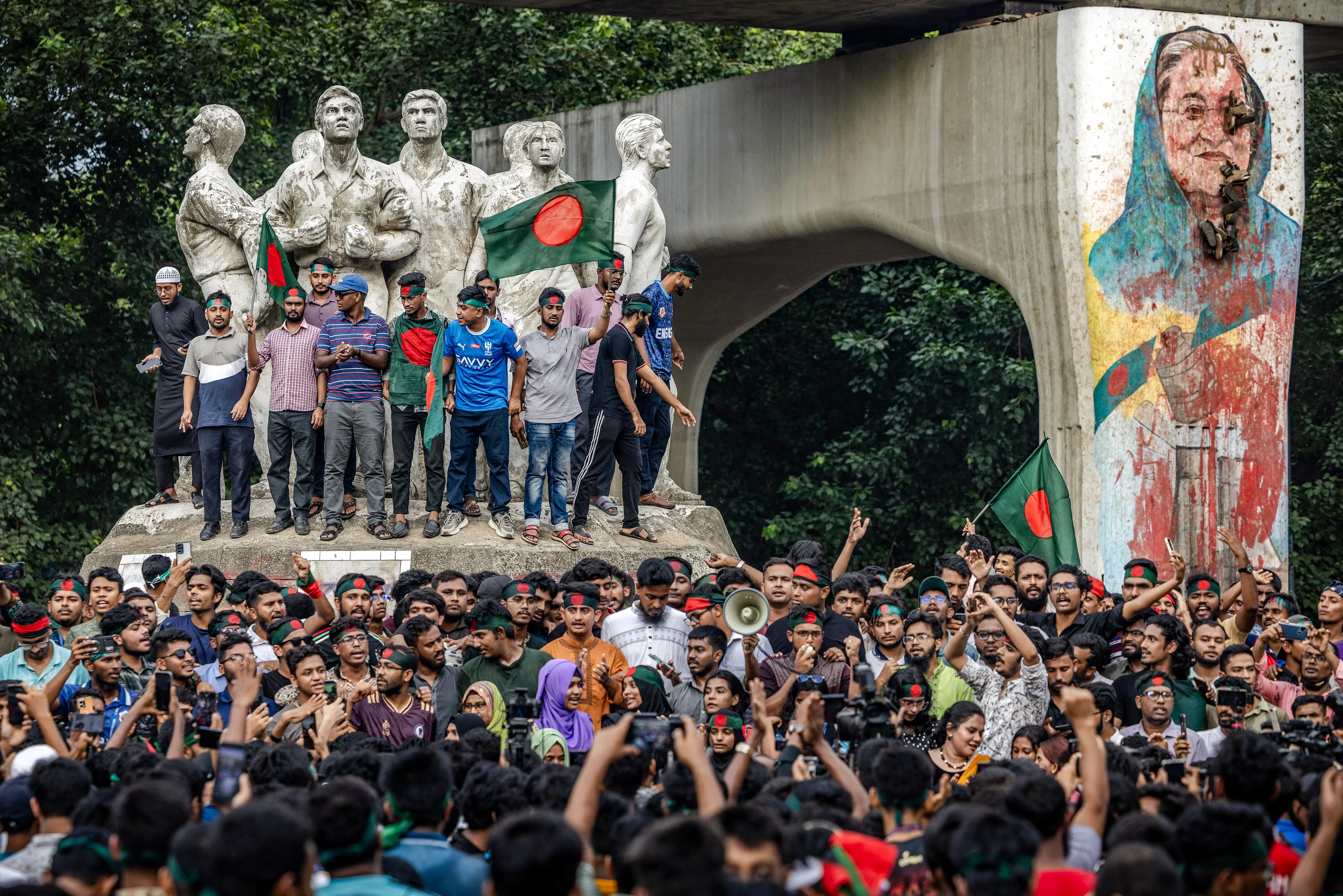
Appeal Among Youth and Conservative Voters
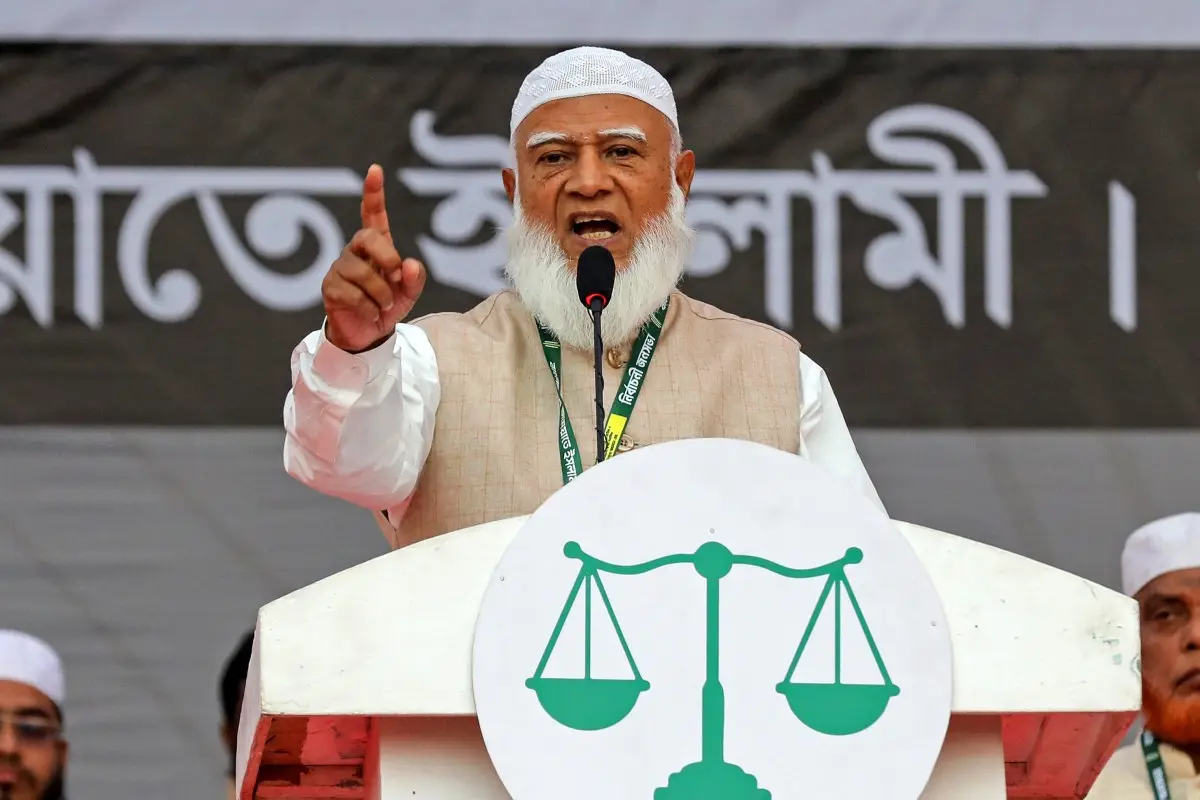
Jamaat-e-Islami has expanded its outreach to younger voters and socially conservative constituencies as part of its political repositioning. Analysts note that the party has relied on grassroots networks, religious platforms and community mobilisation to rebuild support. It has also attempted to broaden its appeal by nominating a Hindu candidate, Krishna Nandi, and aligning with a Gen-Z-led political group named National Citizen Party. In recent outreach efforts, the party has sought to engage minority communities, including Hindus, while emphasising themes such as governance reform, anti-corruption measures and Islamic values, which resonate with sections of the electorate amid economic and political uncertainty.
Moderate Concerns and Political Polarisation
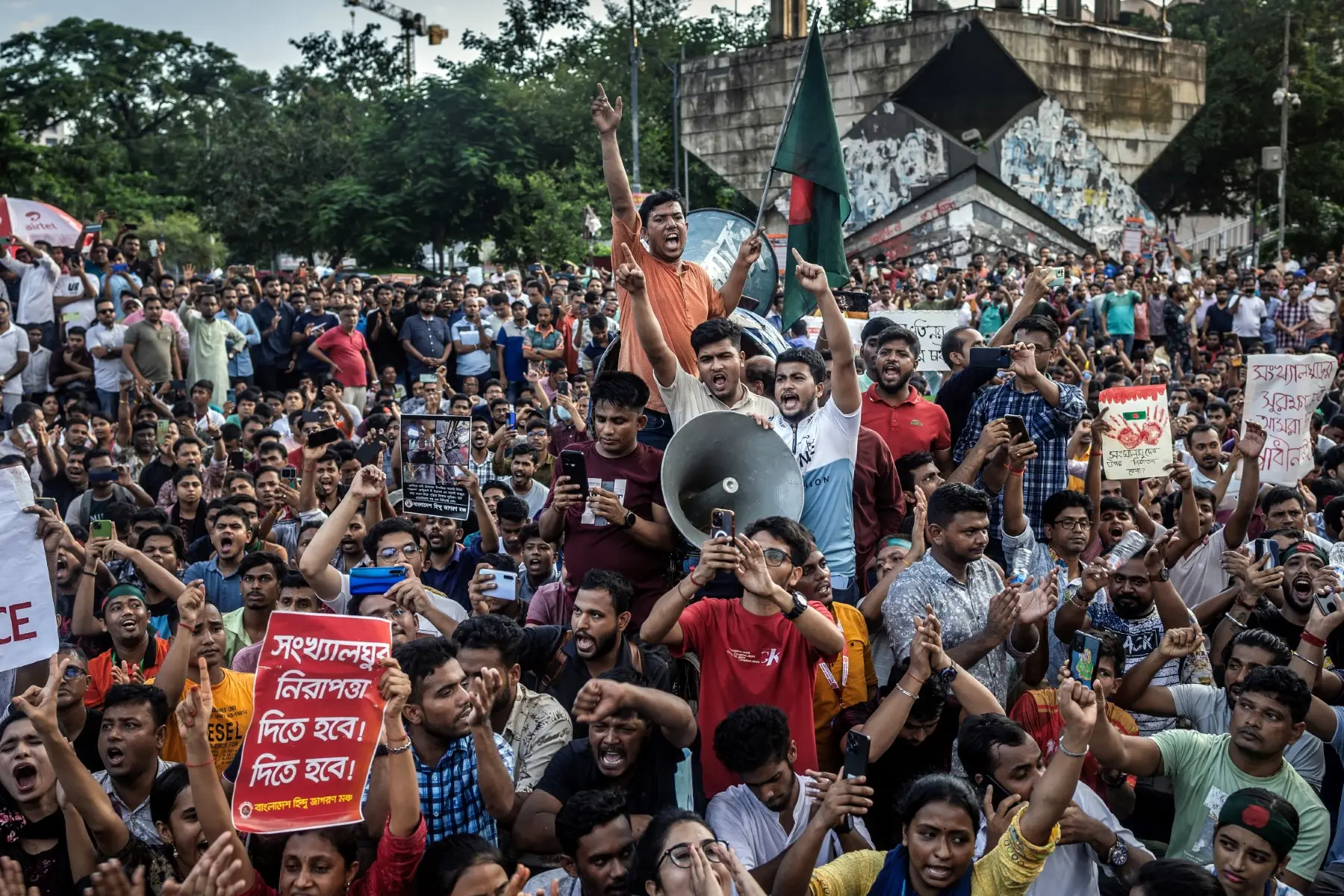
The party’s resurgence has also triggered apprehension among moderate political groups and civil society organisations. Critics argue that Jamaat’s growing influence could deepen ideological divisions within Bangladesh’s political structure. Reports suggest that sections of the urban middle class and liberal groups remain wary of the party’s historical positions and its potential impact on Bangladesh’s secular political framework.
Why should it matter to India?
Jamaat-e-Islami’s electoral rise could reshape Dhaka’s regional positioning. While no formal foreign policy shift has been announced, a stronger Islamist influence is seen as potentially complicating Bangladesh’s ties with New Delhi. The Bangladesh Nationalist Party (BNP) and Jamaat-e-Islami have traded allegations of foreign alignment, with Jamaat accusing the BNP of being overly close to India, while the BNP has highlighted Jamaat’s historical links with Pakistan, India’s longstanding regional rival. These rival narratives have placed Bangladesh’s election within a wider strategic context for India, where political shifts in Dhaka are viewed as directly affecting security, trade and regional stability.
A Defining Election Moment
Although the supporters of JeI may culturally sympathise with Muslim-majority countries or express solidarity on religious issues, but strategic state-level alignment involves far more than just their ideology. The 2026 election will be a critical test of Bangladesh’s political evolution. Jamaat-e-Islami’s transformation from a banned organisation to a potential coalition influencer highlights broader changes within the country’s democratic process.
)
)
)
)
)