Why US fighter jets use seamless bubble canopies compared to Russian jets

US jets use frameless bubble canopies for a 360-degree view and reduced radar signatures. Russian jets rely on framed windshields for structural reinforcement and to protect pilots from slipstreams.
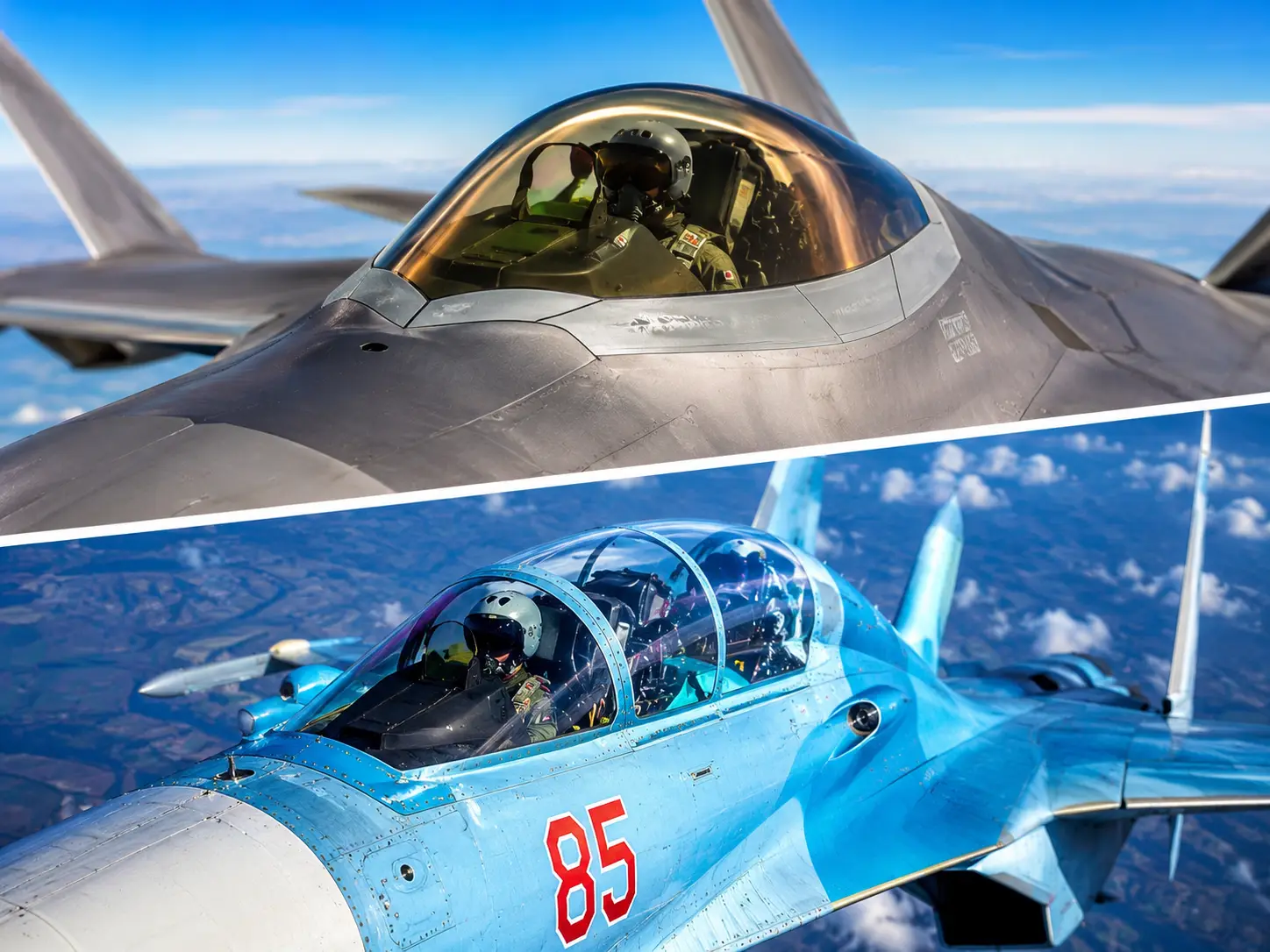
360-Degree Field Of View
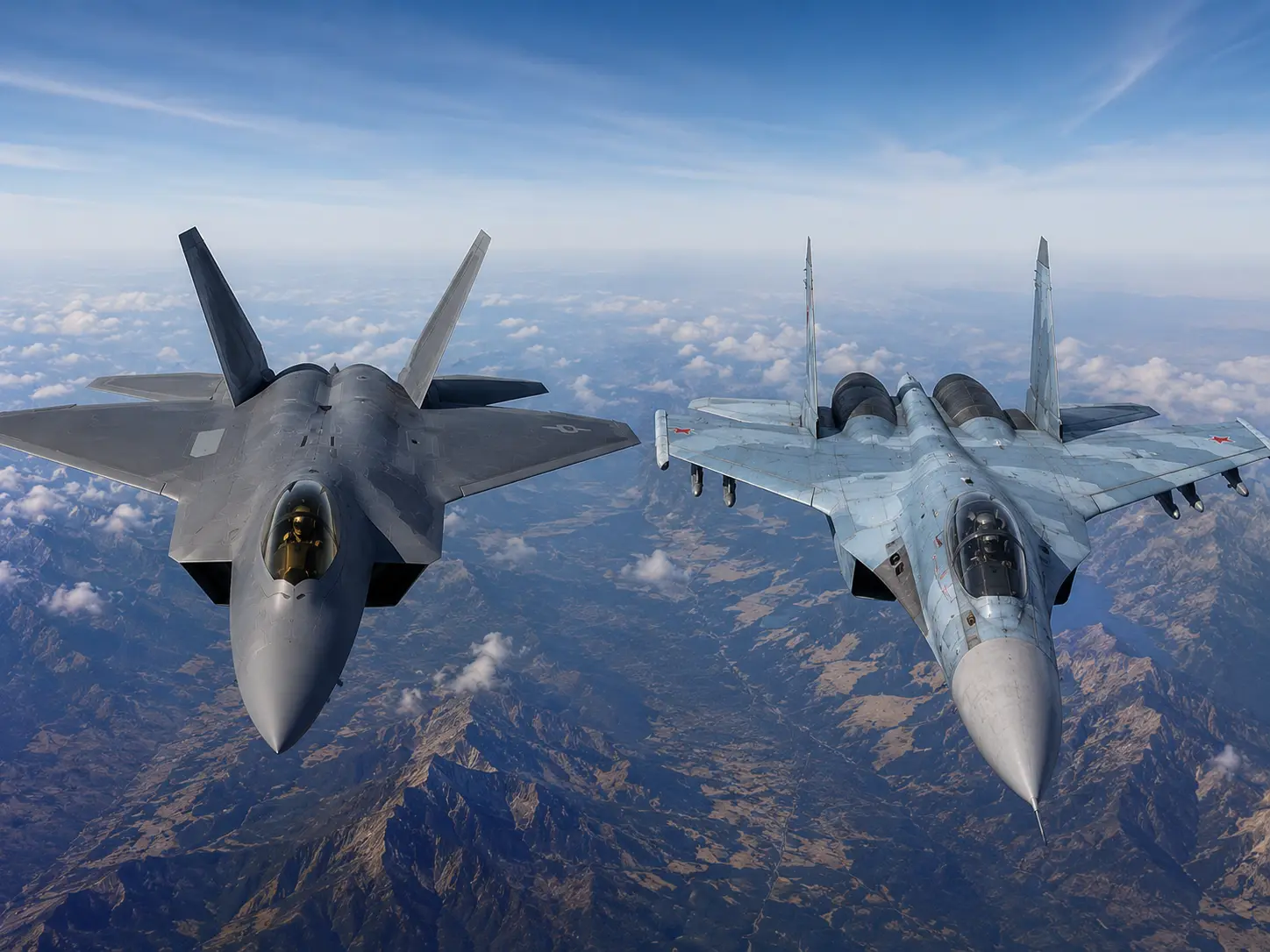
The primary purpose of a frameless bubble canopy is to grant pilots an unobstructed, 360-degree field of view. US fighter jets like the F-16 and F-22 utilise this design to eliminate the forward bow frame, which acts as a major visual obstruction during combat.
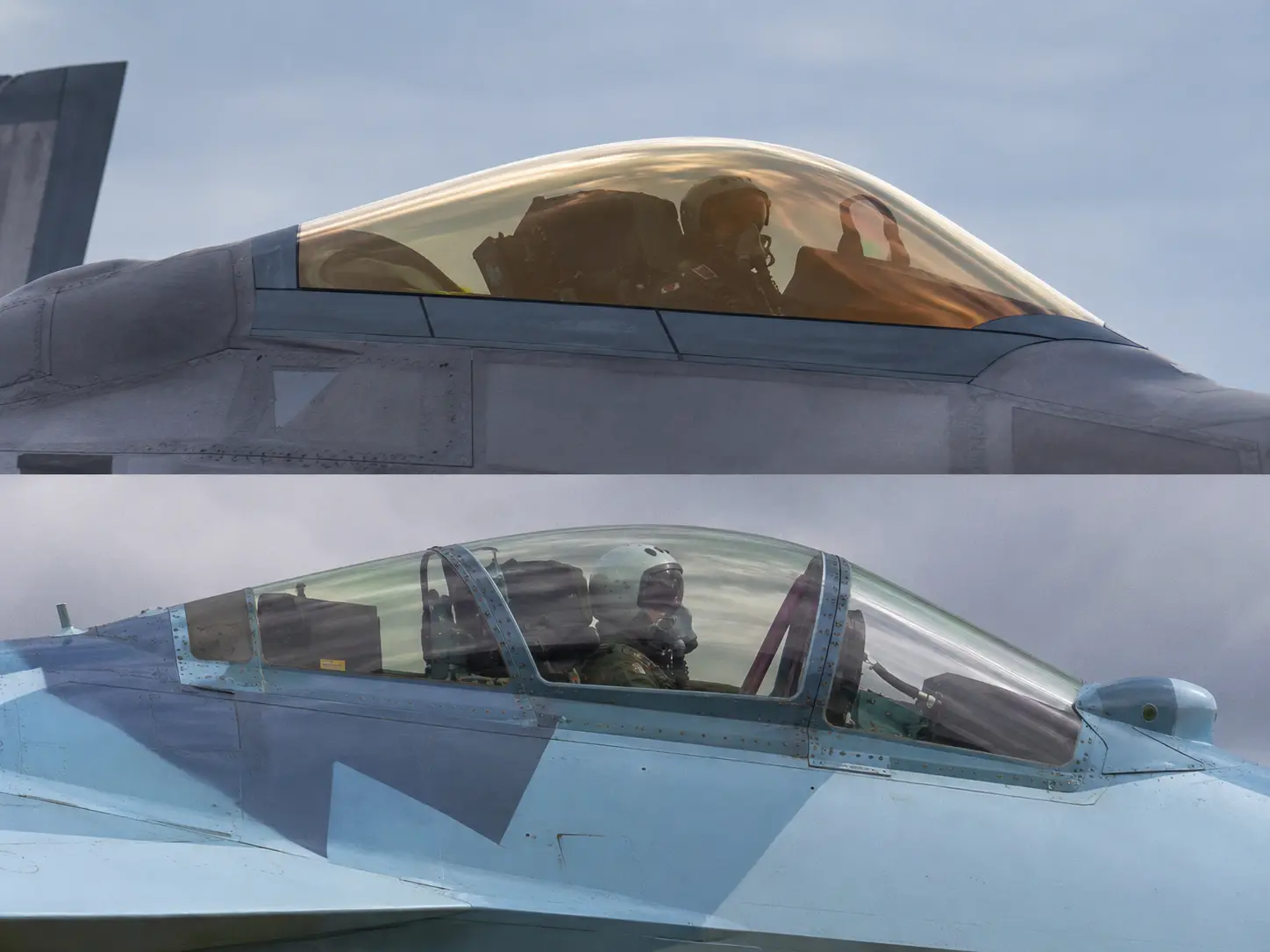
1-Piece Variable-Thickness Design
Russian jets often use a separate front windshield because flat glass panes limit optical distortion. To achieve a frameless design, American technology improved to allow for variable-thickness, single-piece canopies. This complex manufacturing ensures consistent optical properties.
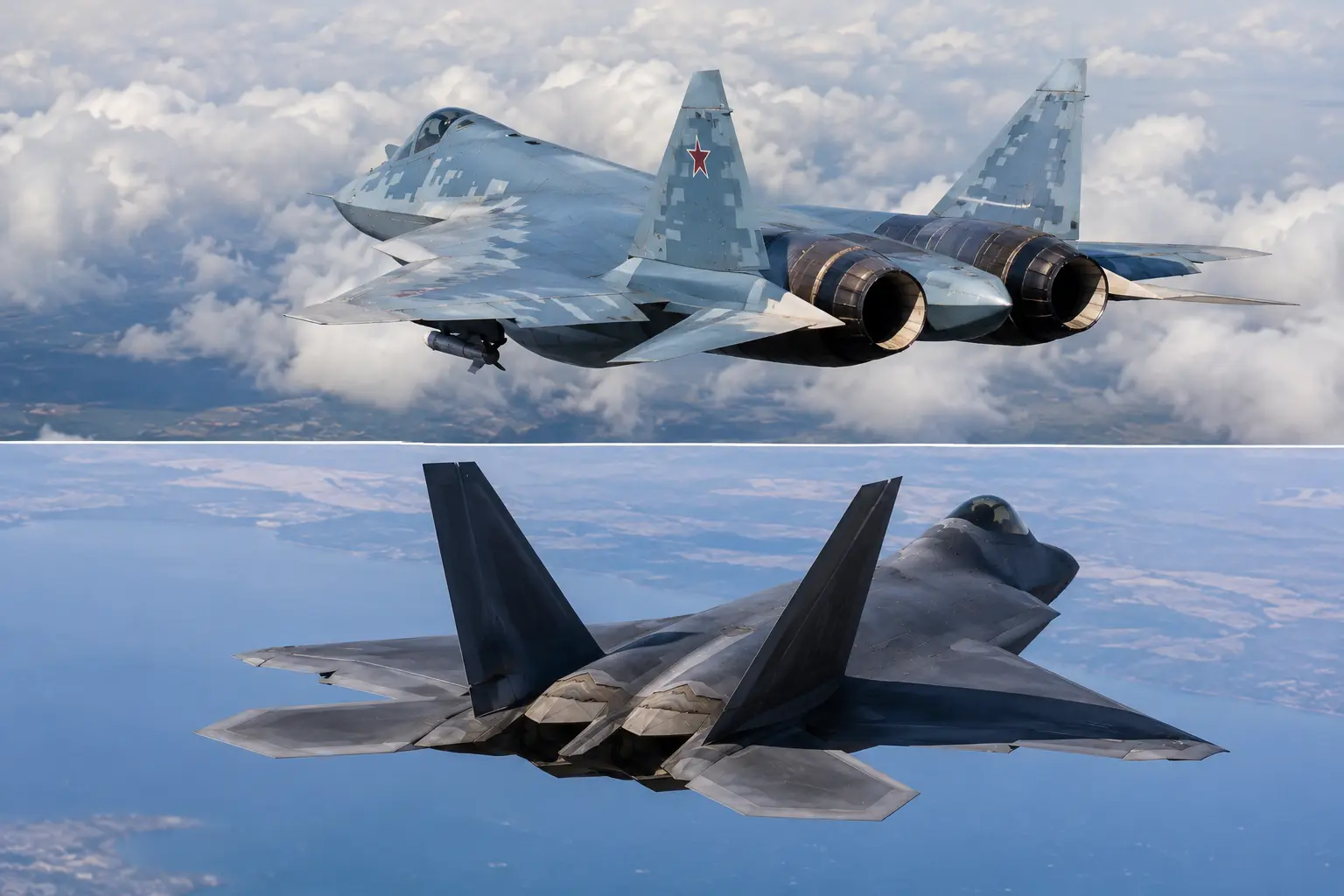
0.75-Inch Thick Polycarbonate
A canopy's front section must be incredibly strong to withstand high-speed impacts. Because seamless American canopies lack a structural metal bow, they are formed from thick, bird-proof polycarbonate. The F-22 Raptor's single-piece canopy is manufactured to be 0.75 inches thick to survive collisions without breaking.
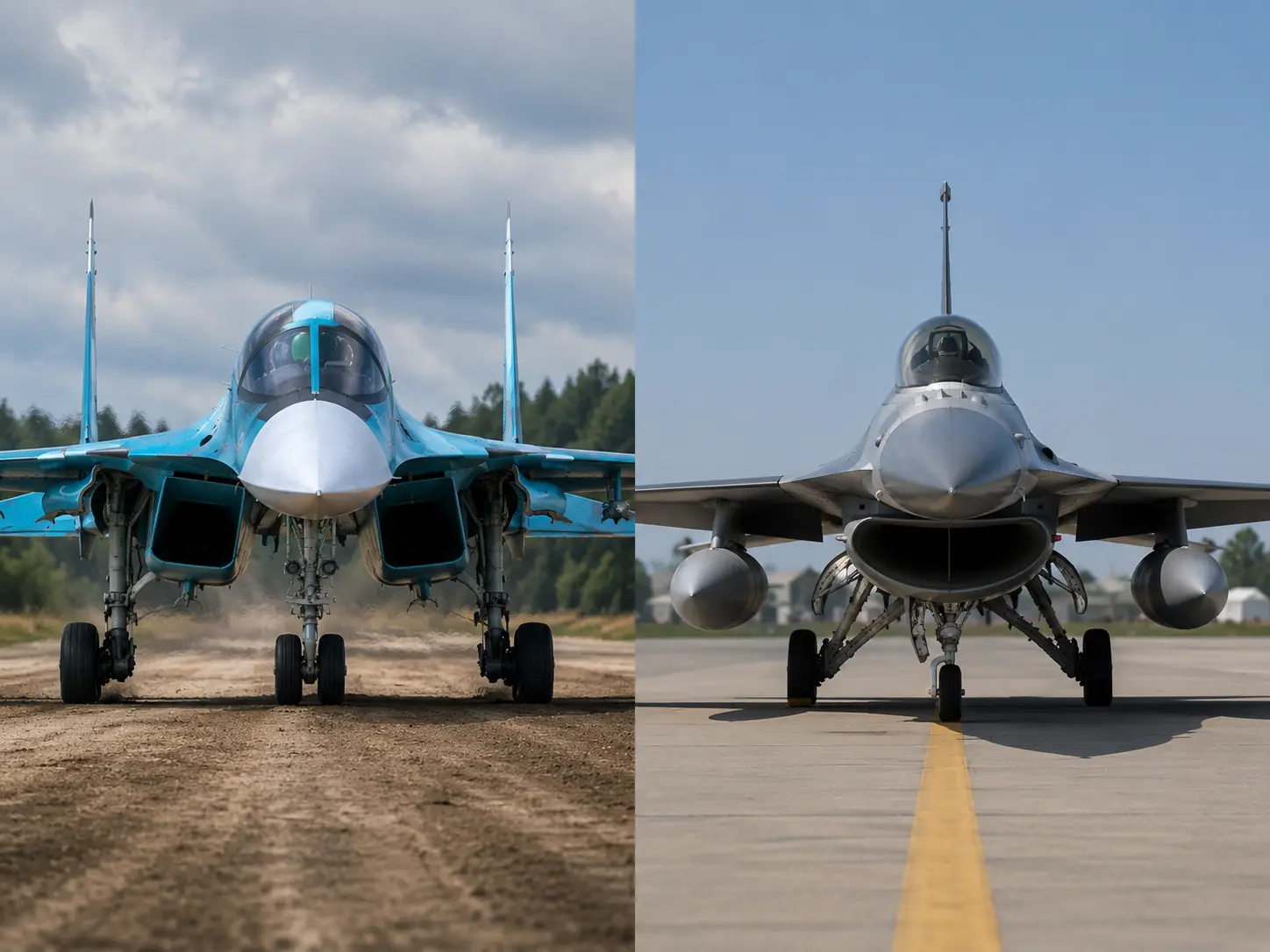
2-Piece Structural Windshields
Russian aircraft retain a separate windshield frame because it provides natural structural reinforcement. If the rear canopy blows away or opens accidentally, the permanently installed front windshield safely protects the pilot from the blinding aerodynamic slipstream.
15 Per Cent RCS Reduction
Frameless canopies eliminate metallic edges that can bounce radar signals back to the source. US jets further enhance this smooth profile by adding an indium-tin-oxide layer to the canopy. This reflective gold tint dissipates incoming electromagnetic energy and reduces an F-16's overall radar cross-section by 15 per cent.
)
)
)
)
)