'Layered air defence': The surprising reason the S-400 is so difficult to defeat

The S-400 uses multiple missile variants to form an overlapping 400-km air defence shield. Integrating VHF radars, it tracks 300 targets and engages 36 threats simultaneously, making it incredibly difficult to defeat.
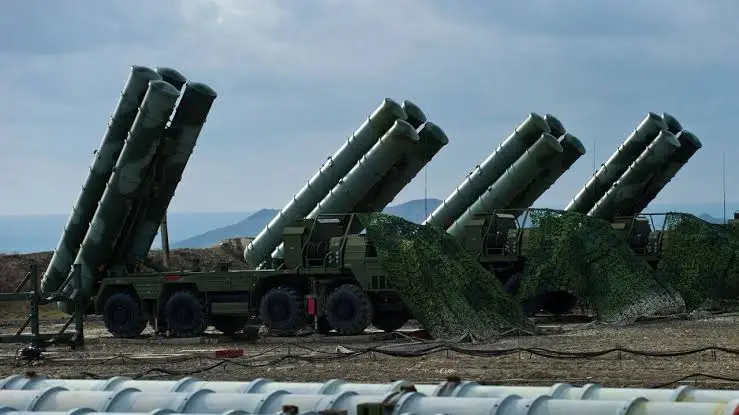
A Multi-Layered Shield
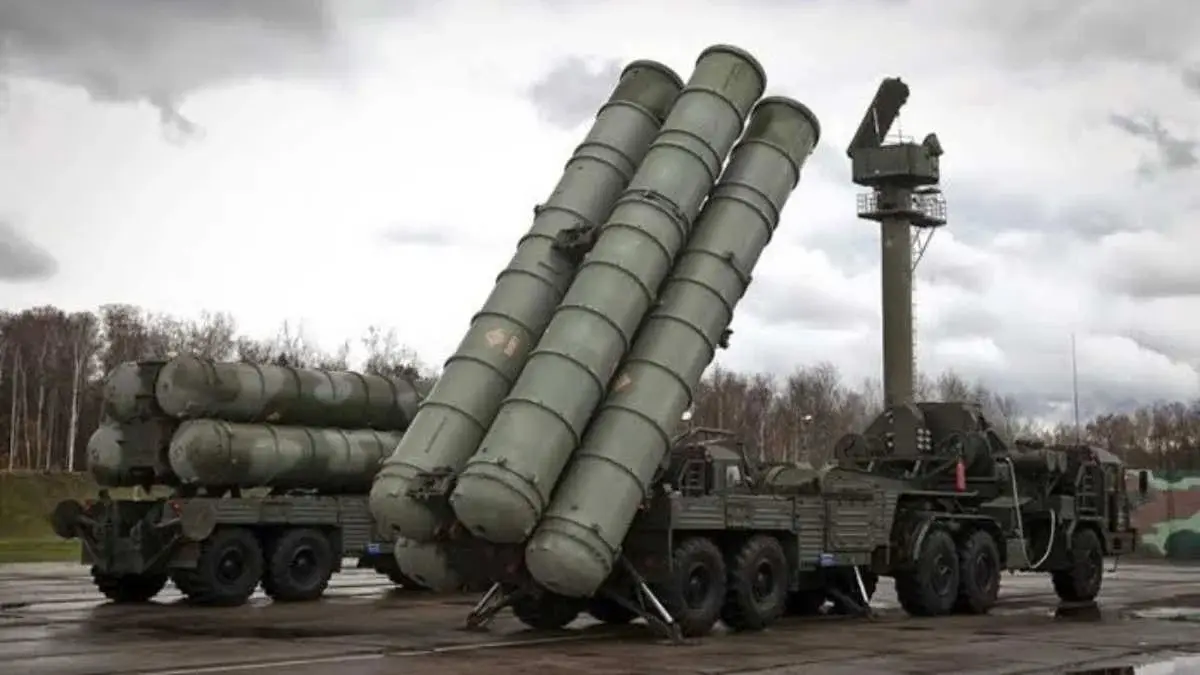
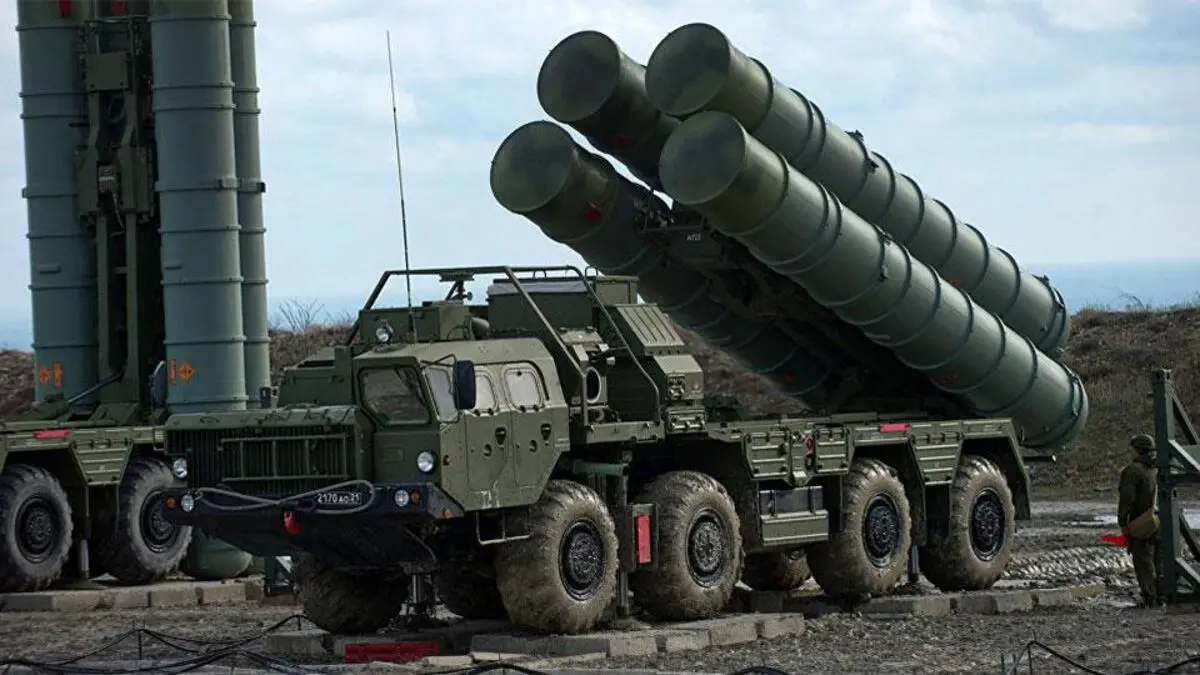
The Russian S-400 Triumf is notoriously difficult to defeat because it does not rely on a single weapon. Instead, it deploys multiple interceptor variants to create overlapping defensive zones stretching up to 400 kilometres.
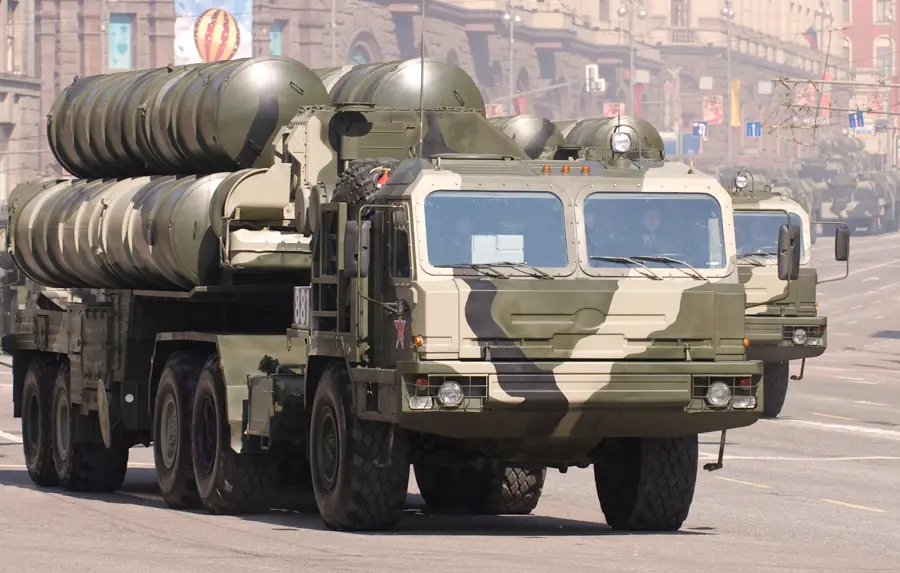
The 400-Kilometre Reach
The system's outermost layer utilises the heavy 40N6E missile to destroy high-value targets. Travelling at speeds up to Mach 14, this interceptor targets enemy bombers and electronic warfare aircraft at extreme ranges.
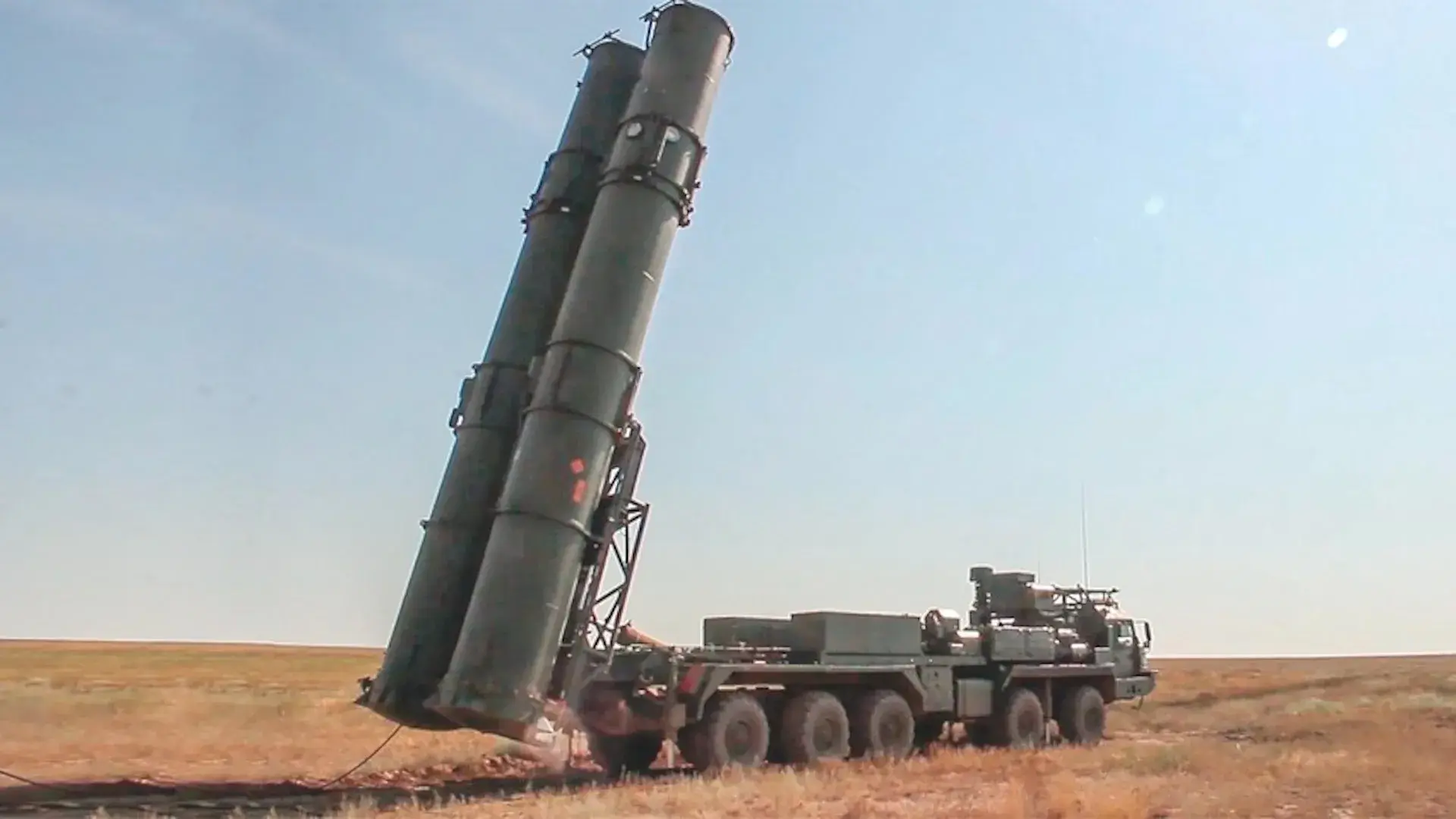
The Mid-Range Enforcers
For threats that breach the outer perimeter, the S-400 deploys the 48N6 series of interceptors. These highly capable missiles form a robust 250-kilometre barrier engineered to destroy supersonic fighter jets and incoming ballistic missiles.
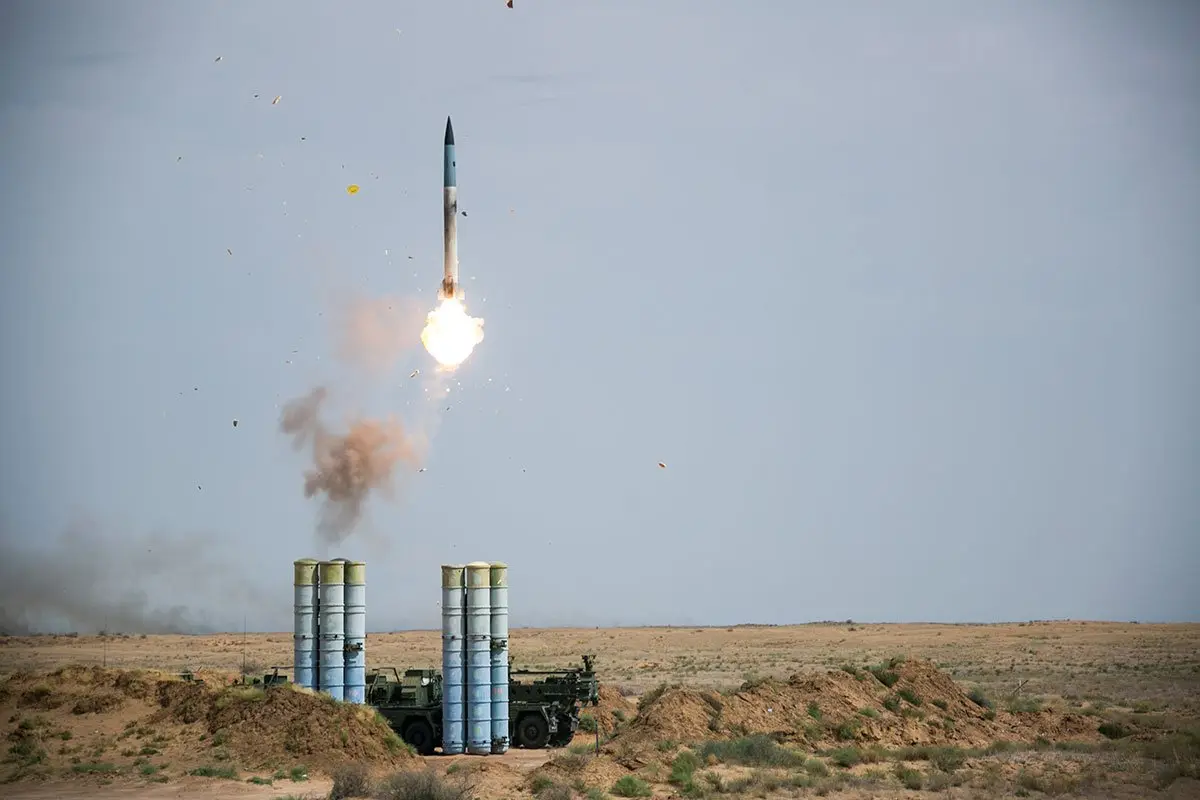
Close-Quarter Interception
To eliminate agile, low-flying cruise missiles and smart munitions, the battery relies on nimble 9M96E interceptors. These smaller weapons operate at ranges of 40 kilometres, creating a deadly inner ring of defence.
The 600-Kilometre Eyes
This layered arsenal is guided by a diverse radar suite, including the 91N6E long-range surveillance radar. According to official specifications, the system can maintain 300 target tracks while simultaneously engaging 36 aerial threats.
Exposing Stealth Fighters
To counter advanced fifth-generation fighters, the network integrates the Nebo-M multi-band radar. By operating across VHF frequencies, it severely degrades modern radar-absorbent coatings to successfully expose hidden stealth aircraft.
Tactical Airspace Denial
This complex, multi-layered architecture forces hostile aircraft to fly dangerously low or operate much farther from defended zones. By effectively collapsing adversary airspace options, the S-400 degrades enemy mission effectiveness before any weapons are released.
)
)

)
)