Gen-Z & Bangladesh elections: How a quarter of voters could reshape post-Hasina politics & become kingmakers in a historic poll

It will be the first national poll since the 2024 mass uprising that led to the removal of long-time Prime Minister Sheikh Hasina, signalling a pivotal shift in the country’s political landscape.
A Generation at the Centre of Political Change
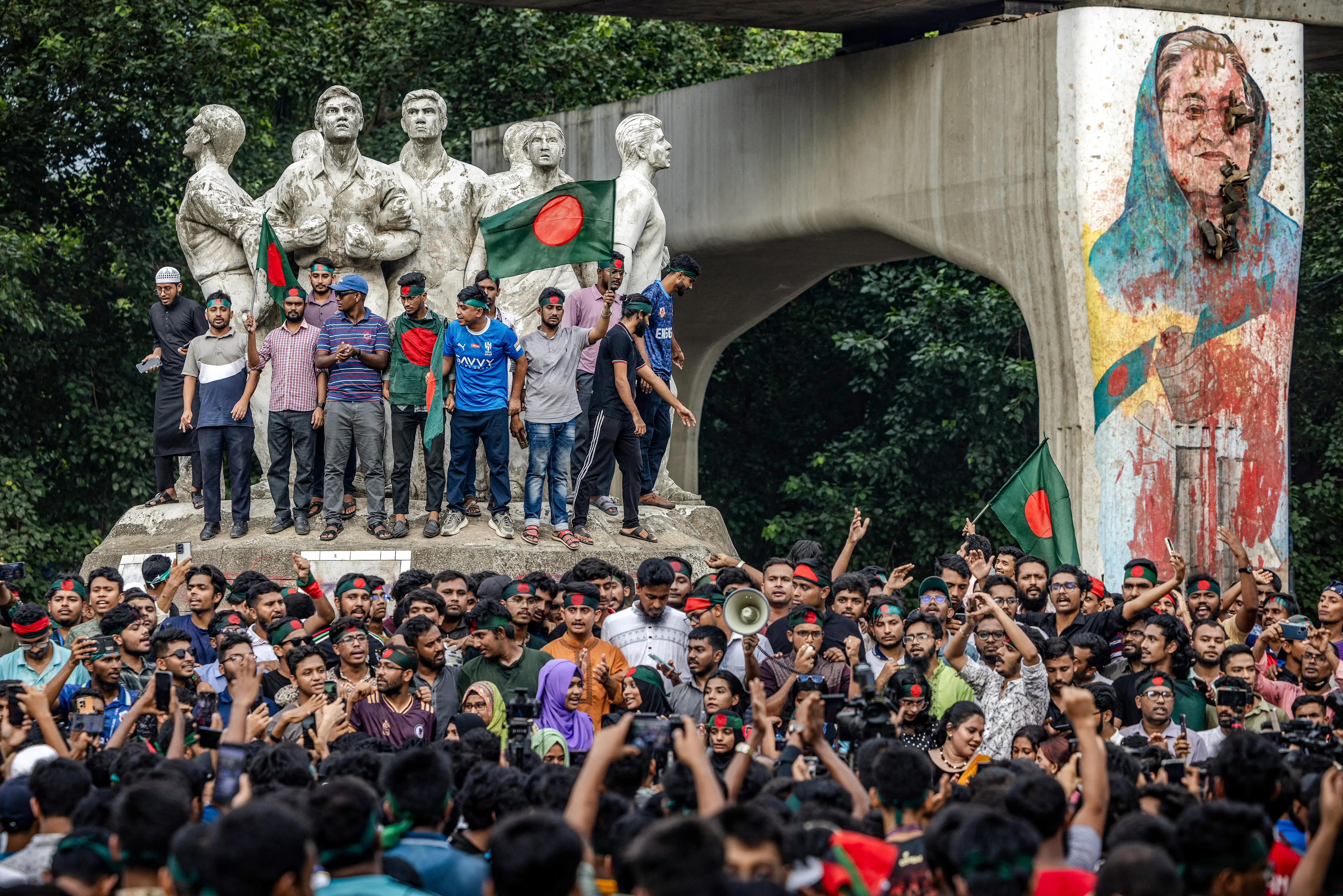
Bangladesh’s upcoming election on February 12 has attracted global attention for several unprecedented factors. It will be the first national poll since the 2024 mass uprising that led to the removal of long-time Prime Minister Sheikh Hasina, signalling a pivotal shift in the country’s political landscape. The election is also being described as one of the first major post-Hasina contests shaped significantly by Generation Z voters. Reuters, citing an executive director at Dhaka’s Centre for Governance Studies, reported that young voters now make up roughly a quarter of Bangladesh’s electorate, giving them considerable influence over electoral outcomes and the future direction of national politics.
The Legacy of the 2024 Uprising
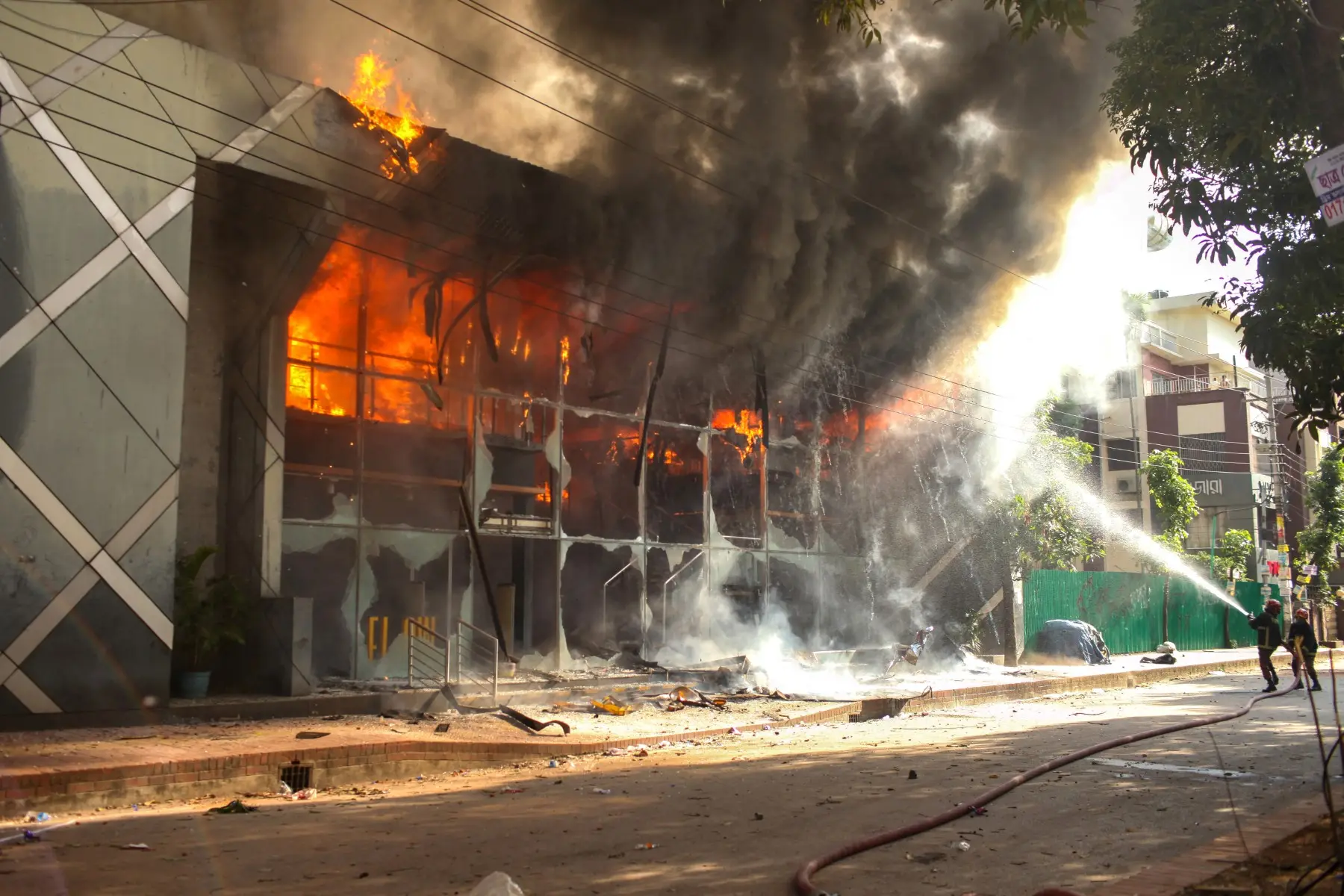
Young activists played a key role in ousting Hasina’s Awami League government during the 2024 uprising. Reuters says that many people, in favour of 2024 protests, view this election as Bangladesh’s first genuinely competitive election since 2009, when her 15-year rule began. The protests highlighted economic inequality, unemployment and concerns over democratic governance and expanded into a nationwide movement that ultimately forced a leadership change. Analysts have noted that the mobilisation also influenced youth political engagement across parts of Asia, illustrating how coordinated digital activism combined with street protests can reshape political landscapes. However, the unrest also led to significant violence, resulting in deaths, vandalism and widespread destruction of property.
The Scale of Gen-Z Participation
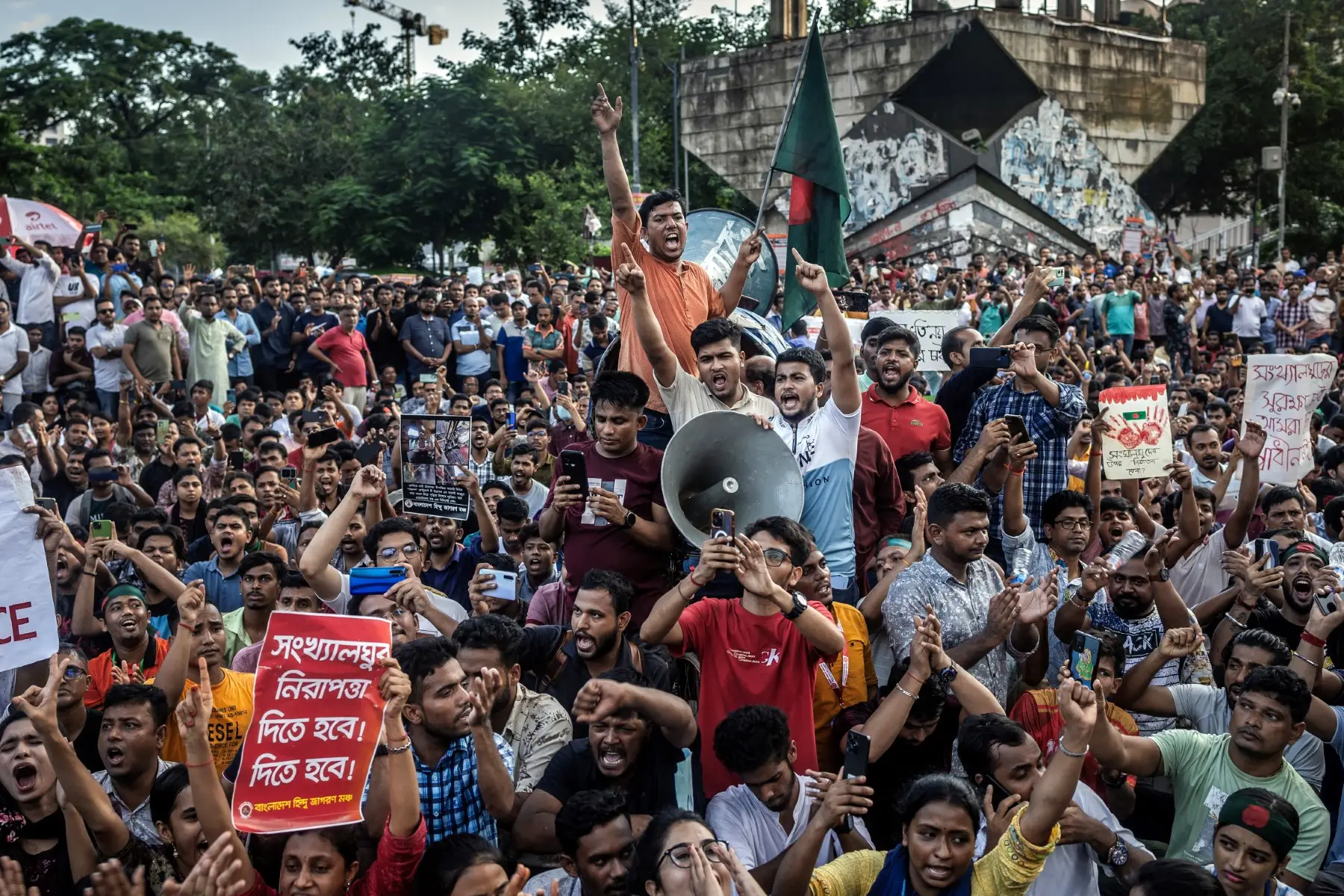
Reports suggest that millions of newly eligible voters are expected to participate in the election, with many casting their ballots for the first time. In Bangladesh, a nation of around 175 million people, younger citizens constitute a significant share of the population, amplifying their electoral influence. This demographic’s priorities often focus on employment opportunities, education reform, curbing corruption and improving transparency in governance.
Candidates and the Old Guard
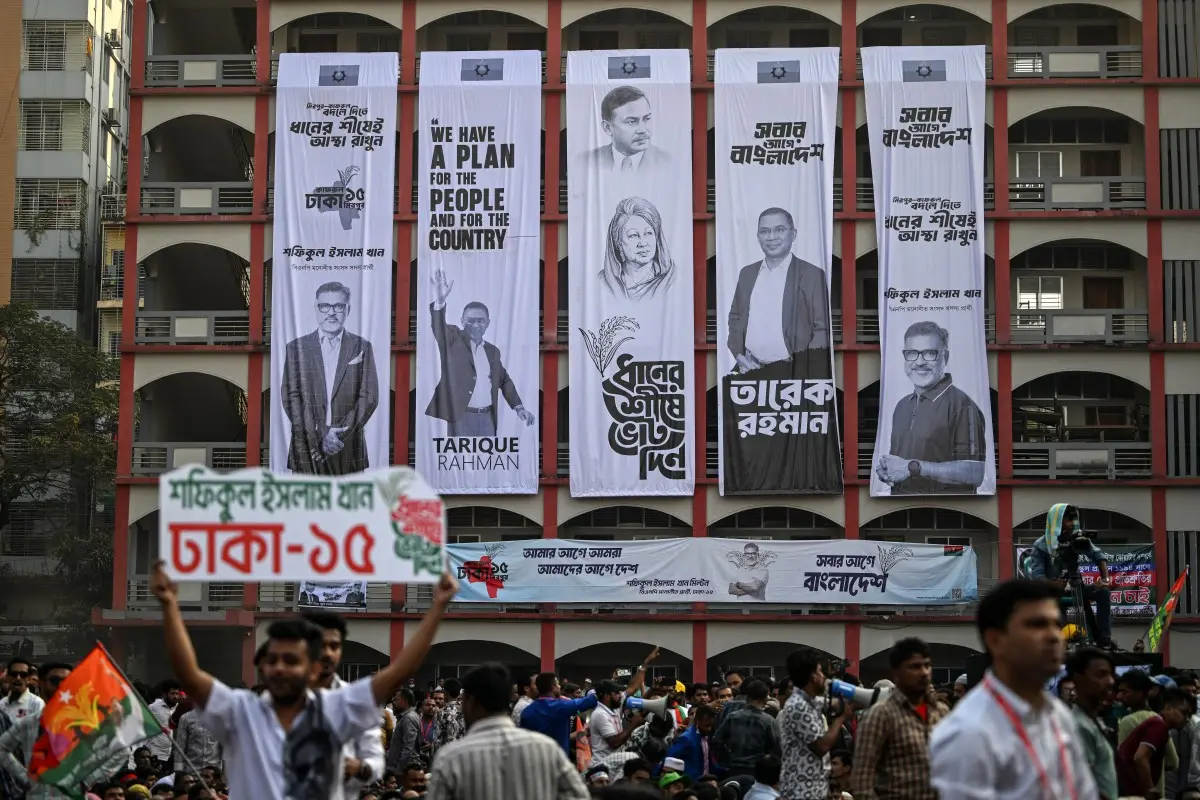
Despite the strong youth presence, much of the political leadership remains dominated by established parties and experienced political figures. Several candidates attempted to appeal to young voters through social media outreach and policy pledges focused on economic growth and technological development.
Why Gen Z participation matters?
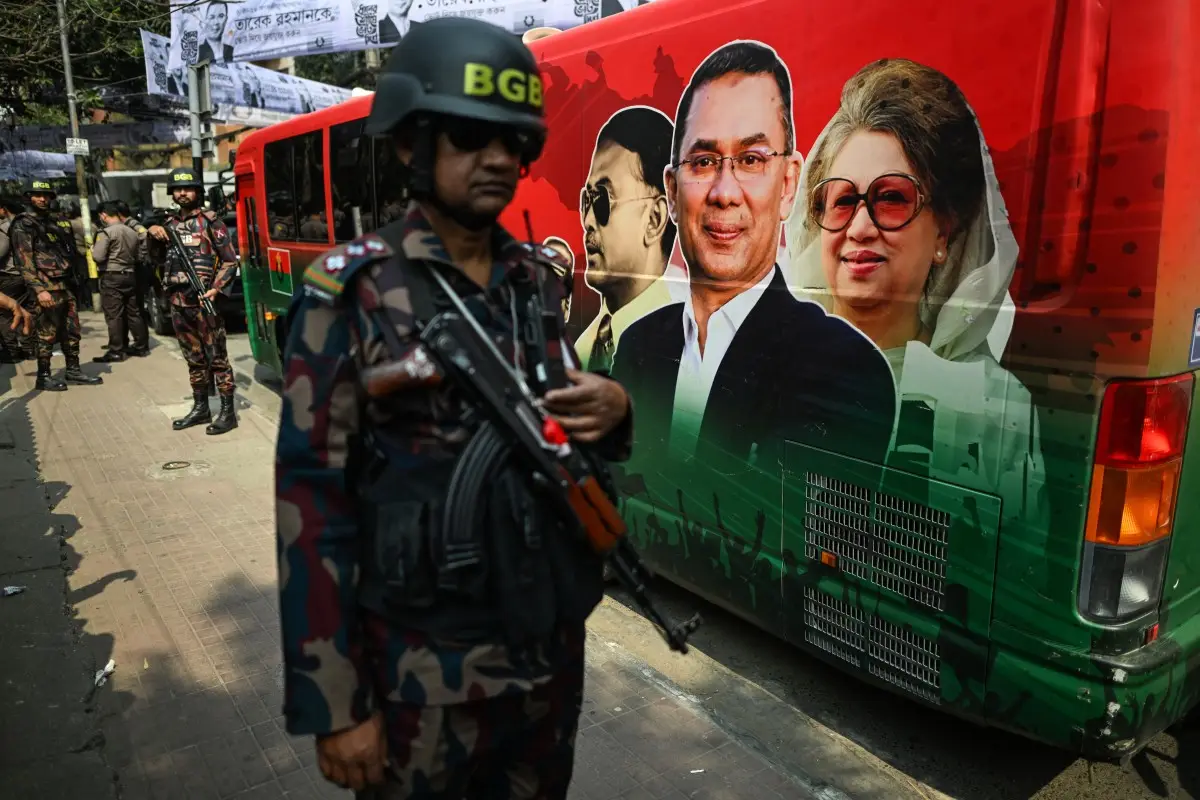
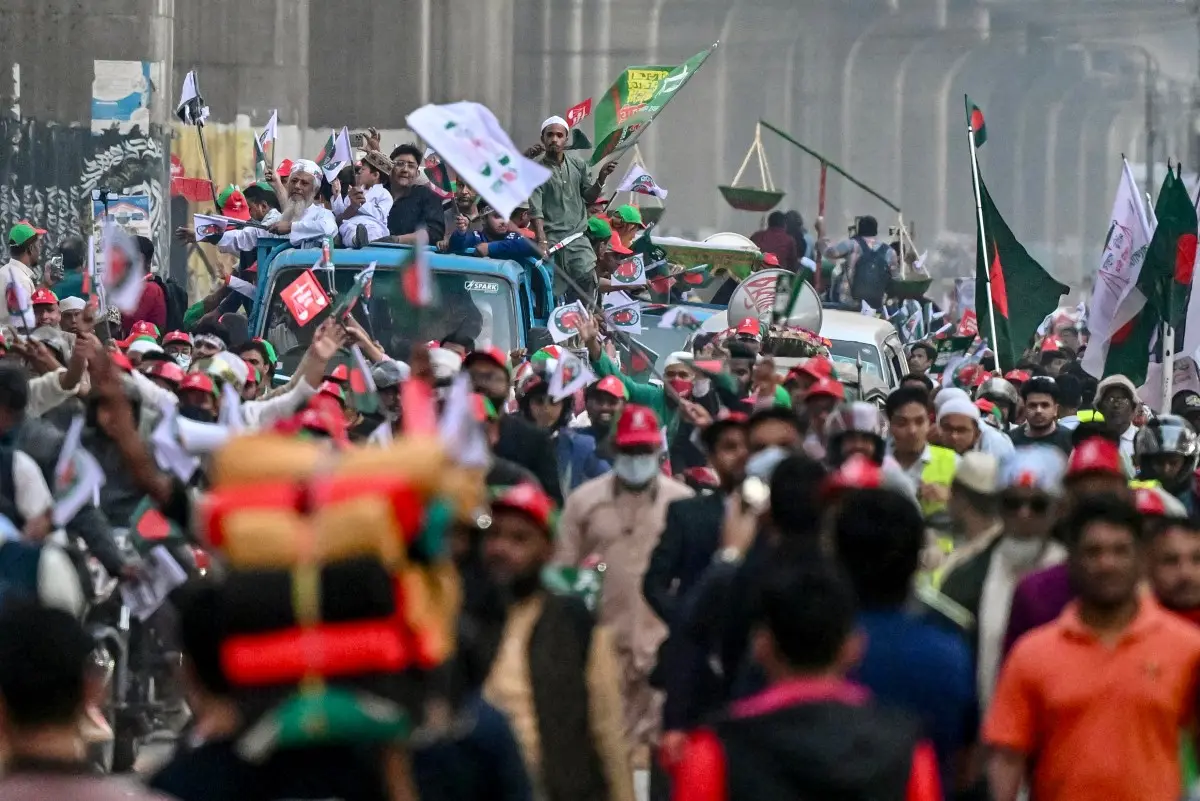
While the Bangladesh Nationalist Party (BNP) is widely expected to emerge as the leading contender in the election, a coalition involving the Islamist Jamaat-e-Islami is mounting a strong challenge. A newly formed political group led by Gen-Z activists, many under the age of 30, has aligned with Jamaat. According to Reuters, opinion polls suggest that Jamaat, once banned and historically opposed to Bangladesh’s India-backed independence from Pakistan in 1971, could record its strongest electoral performance, even if it does not ultimately secure victory.
Regional Ripple Effects
The Bangladesh uprising has been linked to youth-driven protest movements in Sri Lanka, Nepal and Timor-Leste. Although these movements achieved varying degrees of political change, they shared common patterns including online mobilisation, grassroots organisation and demands for accountable governance. Observers suggest these movements demonstrate a broader shift in political participation among younger generations.
Why Youth Influence Matters
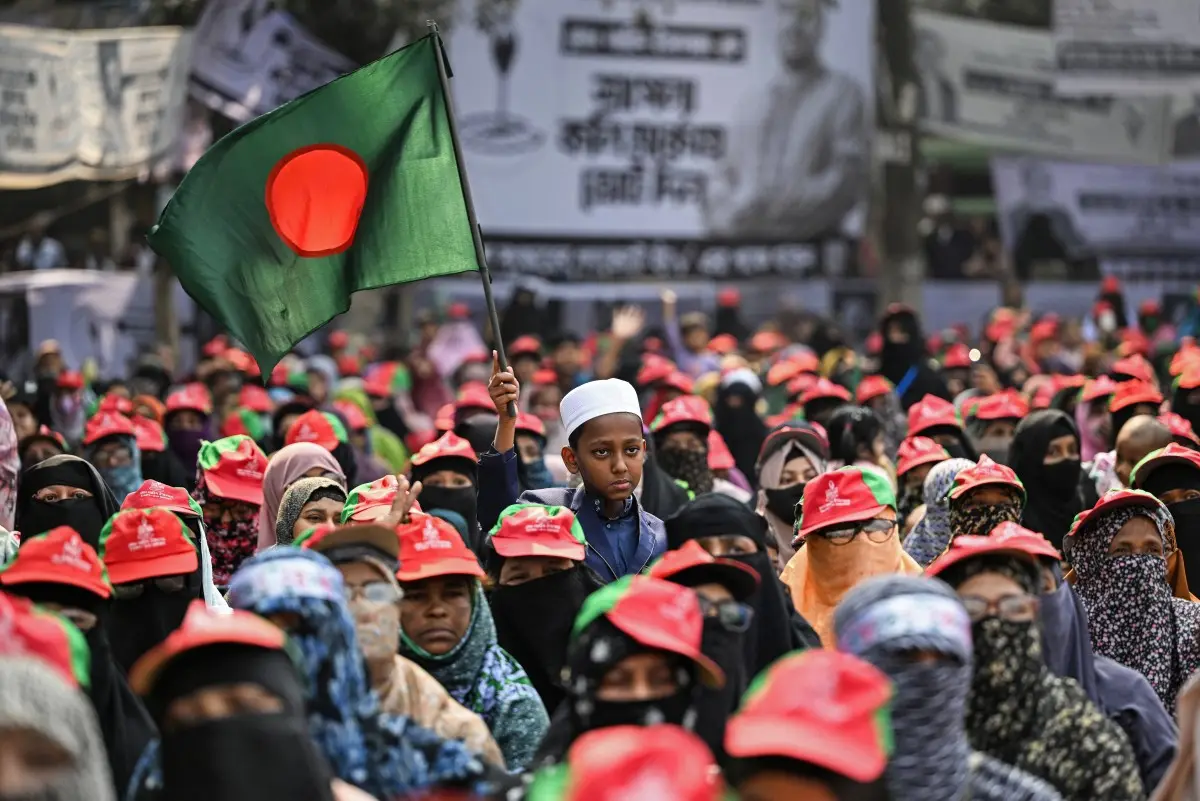
The increasing electoral weight of younger voters is reshaping campaign strategies and policy priorities. Political parties are under pressure to address issues directly affecting young citizens, particularly employment and economic stability.
)
)
)
)
)