5 million robots now work in factories worldwide: Here is what they do

Global factories now operate a record 5 million industrial robots. Annual installations surpassed 600,000 units in 2025, with China, the US, and Japan driving this massive automation surge.
Record global automation growth
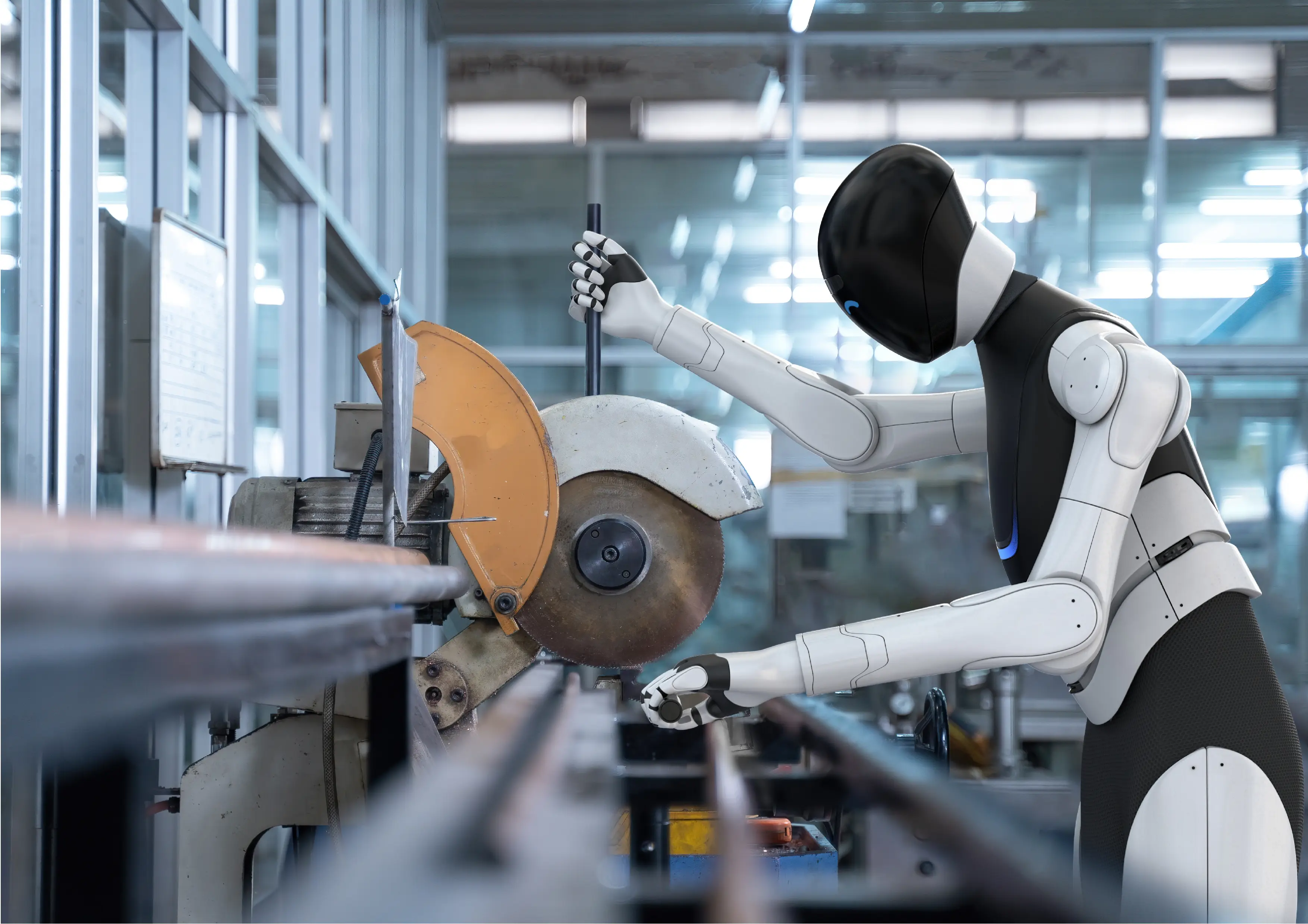
The total number of industrial robots actively operating in factories reached a historic 5 million units in 2025. This marks a massive 9 per cent increase from the previous year. Facilities worldwide installed over 600,000 new robotic units to handle complex manufacturing tasks.
China leads the world
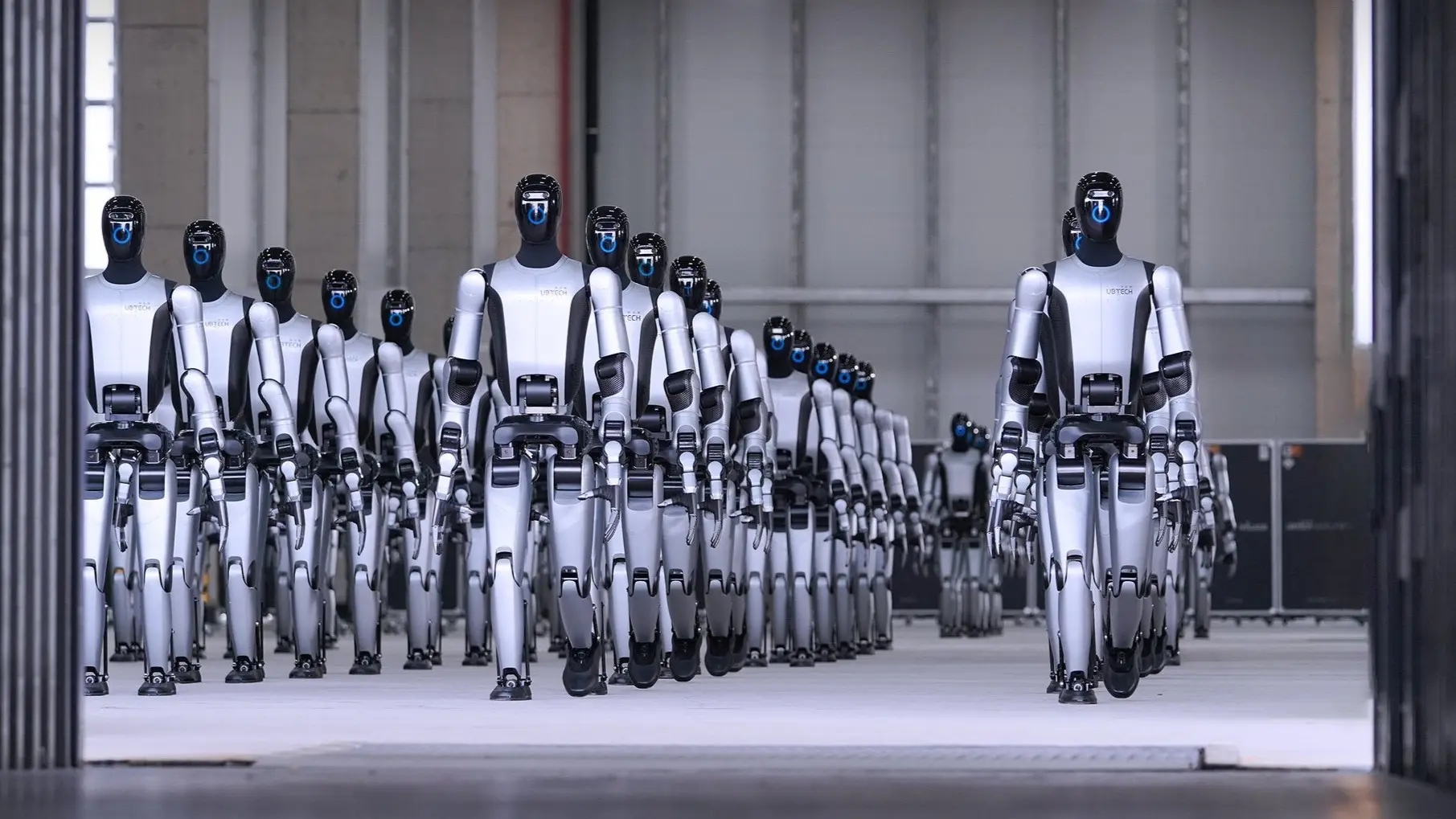
China maintains a massive lead in industrial automation by installing 354,000 new robots in a single year. This massive deployment accounts for 59 per cent of all global installations. Domestic manufacturers supplied the majority of these machines to support their expanding factory operations.
United States takes second
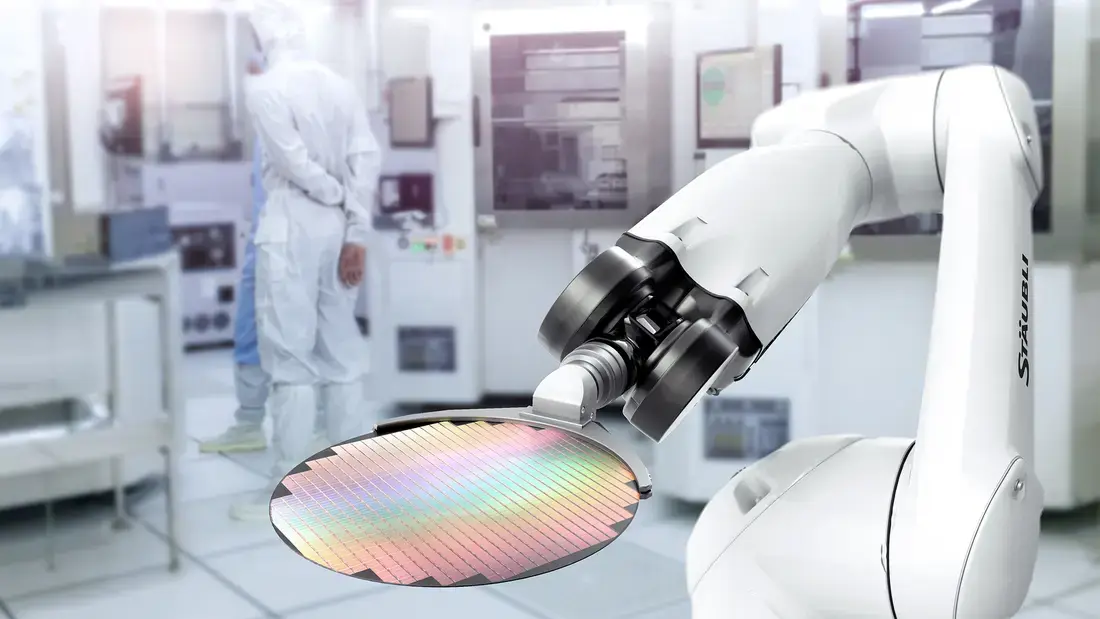
The United States moved into the second position globally by installing nearly 38,500 new industrial robots. This 12 per cent installation increase reflects a strong push to overcome domestic labour shortages. American factories are relying heavily on automation to improve supply chain resilience and productivity.
Japan and South Korea
Japan moved down to the third spot with 36,219 new robotic installations across its manufacturing sector. South Korea followed closely by installing 30,000 units to maintain its highly automated production lines. Both nations rely on these robots heavily for automotive and electronics manufacturing.
India shows rapid expansion
India is emerging as a rapidly growing market for factory automation, installing nearly 10,500 new units in 2025. This reflects a steady 15 per cent growth rate as the country expands its domestic manufacturing capabilities. The automotive sector remains the primary driver for these new robotic deployments.
)
)
)
)
)