How do humanoid robots learn to walk, lift objects and work in factories?

Humanoid robots are rapidly entering factory environments, but programming them manually to walk and lift objects is nearly impossible. Instead, engineers use artificial intelligence, virtual simulations, and human demonstrations to teach these machines complex physical movements. This process relies on allowing the robots to learn from their own mistakes in a virtual world before operating in reality.
Learning through trial and error
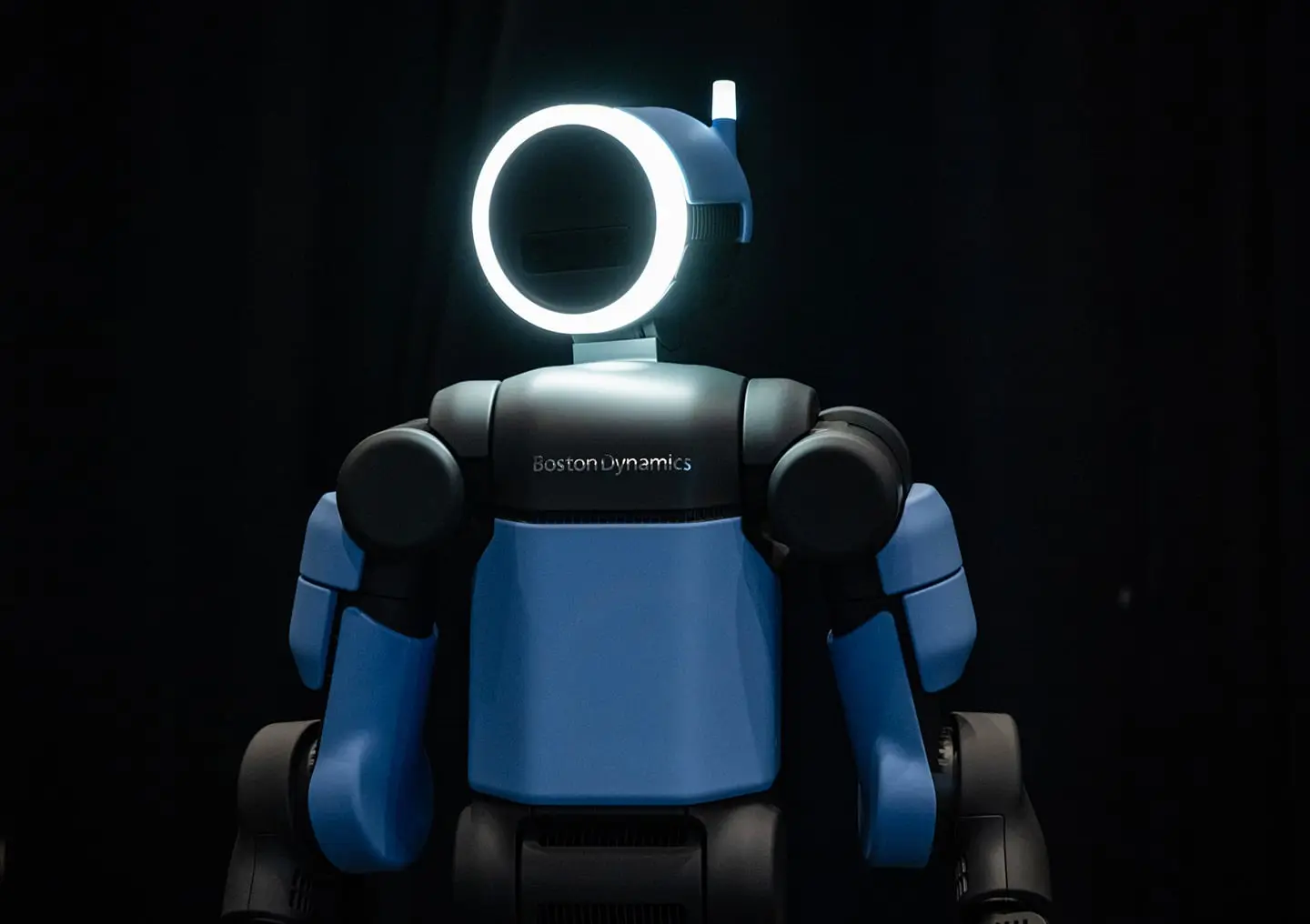
Engineers train humanoid robots using an artificial intelligence technique called reinforcement learning. The robot is not explicitly programmed to walk; instead, it receives a digital score based on its physical actions. Through millions of attempts, the neural network learns to maximise its score by keeping the machine balanced and moving forward safely.

Training inside virtual simulations
Because physical robots break easily during early training, the initial learning phase happens entirely inside physics-based computer simulations. Engineers can safely compress years of continuous trial-and-error learning into just a few hours of computational processing. The simulated robot falls thousands of times, slowly refining its motor controls until it achieves a stable walking gait.
Bridging the reality gap
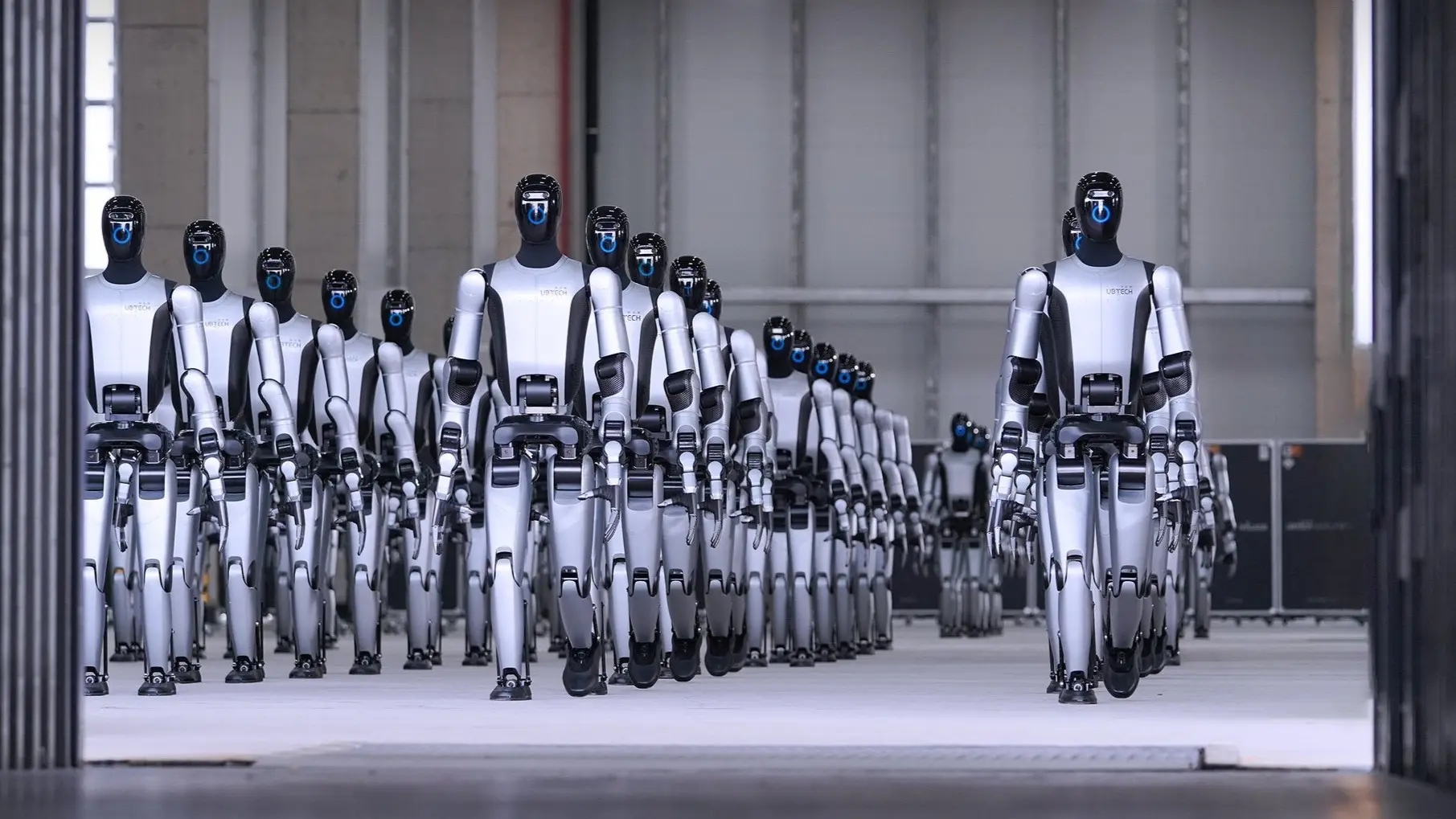
Transferring skills from a perfect computer simulation into the unpredictable physical world requires a process called domain randomisation. Engineers intentionally alter virtual gravity, surface friction, and object weights during the simulation training. This forces the robot's neural network to adapt rapidly, ensuring it can handle slippery factory floors and unexpected physical bumps.

Imitating human dexterity
For complex manufacturing tasks like lifting heavy boxes, robots often learn through human teleoperation and imitation. An engineer wears motion-tracking equipment to physically perform the required task while the robot mirrors the exact movements in real time. The robot records this spatial data, using human dexterity as a baseline to master safe object manipulation.

Autonomous factory deployment
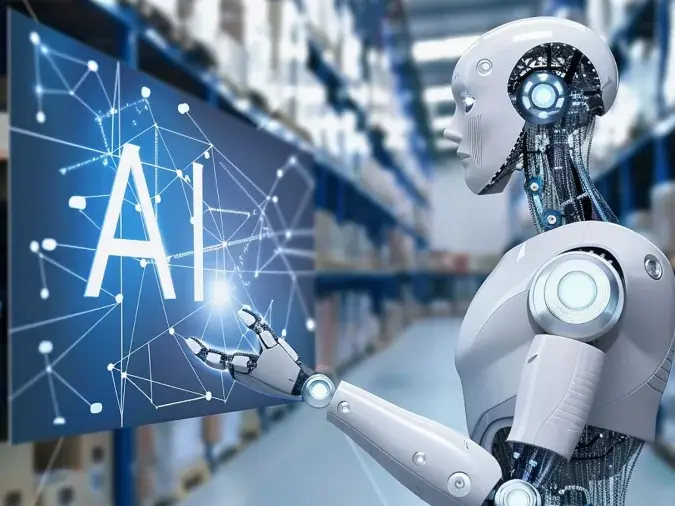
Once fully trained, the humanoid robot no longer relies on step-by-step programming or active human guidance. It operates using a fully integrated neural network that processes live visual and tactile data from its onboard sensors. This allows the machine to autonomously navigate active factory environments, avoid unexpected obstacles, and perform complex lifting tasks flawlessly.
)
)
)
)
)