AI vs traditional robots: How factory automation is changing

Traditional robots blindly repeat programmed tasks inside safety cages. AI-powered robots use computer vision to see objects, learn from mistakes, work safely next to humans, and adapt quickly to new tasks on the factory floor.
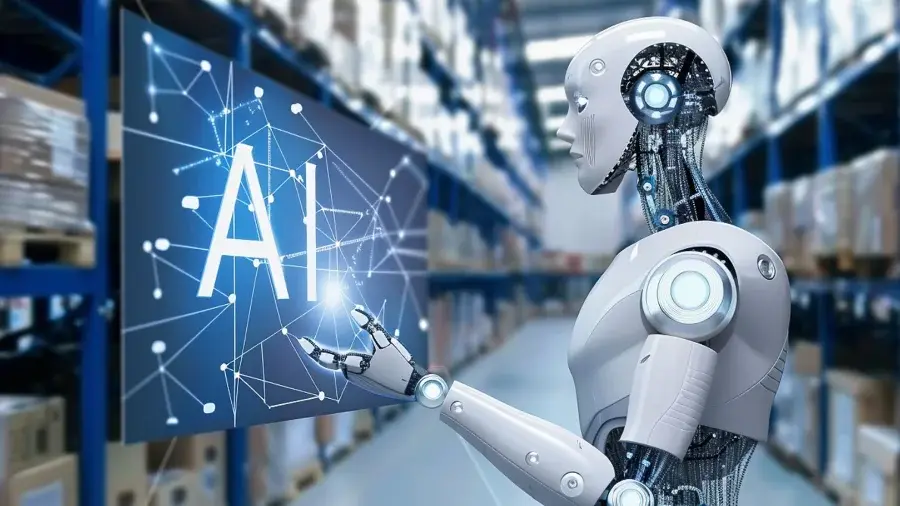
Rigid programming versus dynamic learning
Traditional robots follow strict, pre-written code to execute the exact same movement repeatedly. In contrast, AI-powered robots use machine learning algorithms to evaluate their surroundings and figure out the most efficient way to complete a task without needing explicit step-by-step instructions.
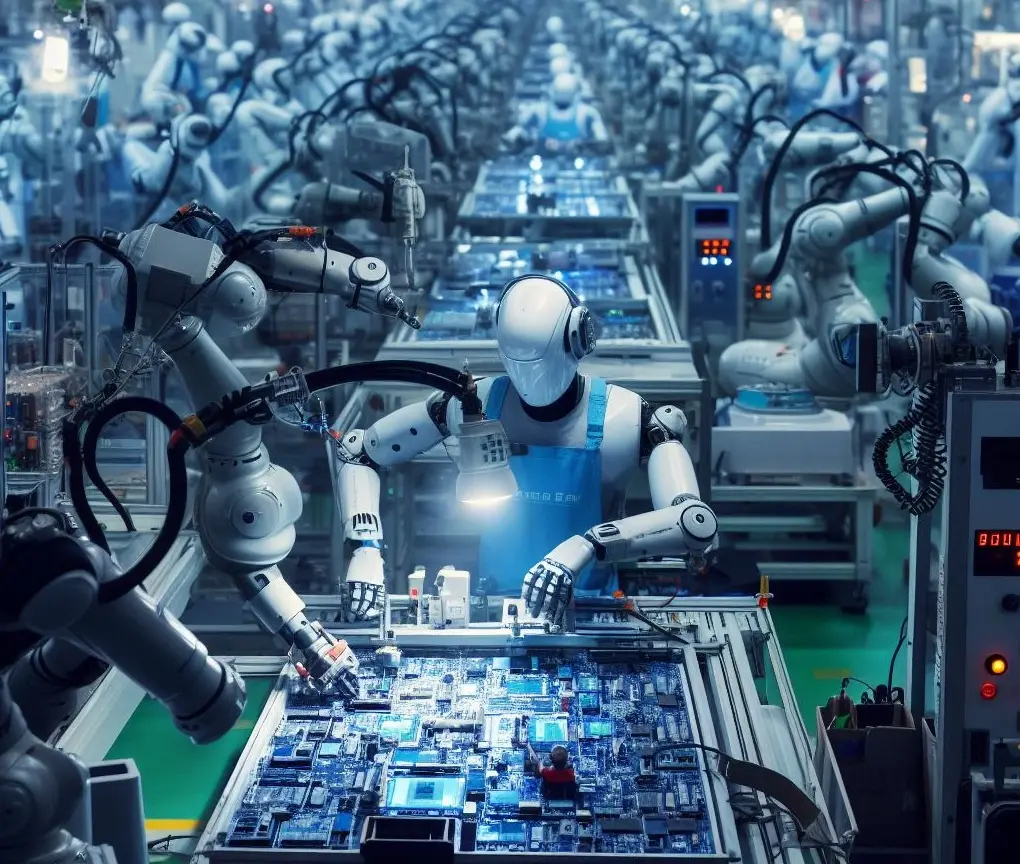
Blind execution versus computer vision
Standard industrial arms are essentially blind; if a part drops slightly out of place, the robot will still grab at the empty air. AI robots utilise advanced 3D cameras and spatial recognition to see objects, allowing them to instantly adjust their grip if a part moves.
Safety cages versus collaborative spaces
Because traditional robots cannot detect humans, they must operate inside heavy steel safety cages to prevent fatal factory accidents. Modern AI robots use built-in force sensors and continuous visual scanning to safely work directly alongside human employees without causing harm.
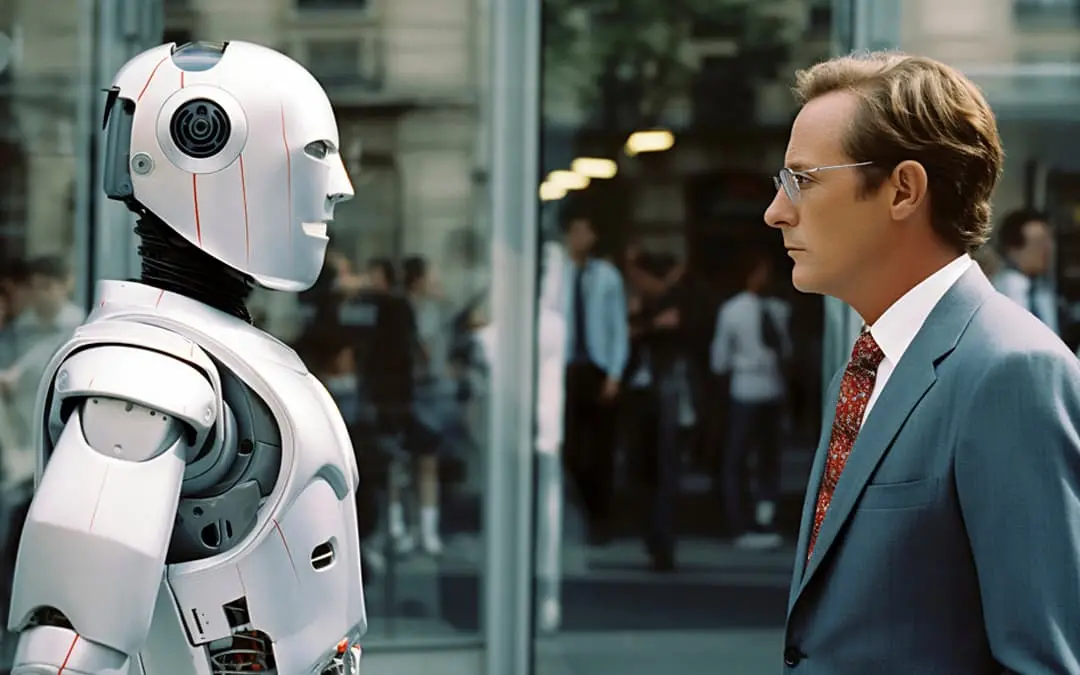
Costly downtime versus predictive maintenance
A traditional machine runs until a physical component snaps, causing sudden and expensive production line halts. AI-driven systems continuously monitor their own motor vibrations and temperature levels, alerting engineers to replace parts days before a major breakdown occurs.
Single tasking versus rapid adaptability
Reprogramming a standard robot for a new product line often requires weeks of expensive software engineering. AI robots can be quickly retrained simply by showing them a new object, allowing factories to switch production tasks in a matter of hours instead of weeks.
)
)
)
)
)