‘The physics of grasping’: Why a robot's hand can be harder to build than its brain

Moravec's paradox explains why programming an AI to play chess is relatively easy, but engineering a robotic hand to tie shoelaces remains one of the hardest challenges in modern hardware.
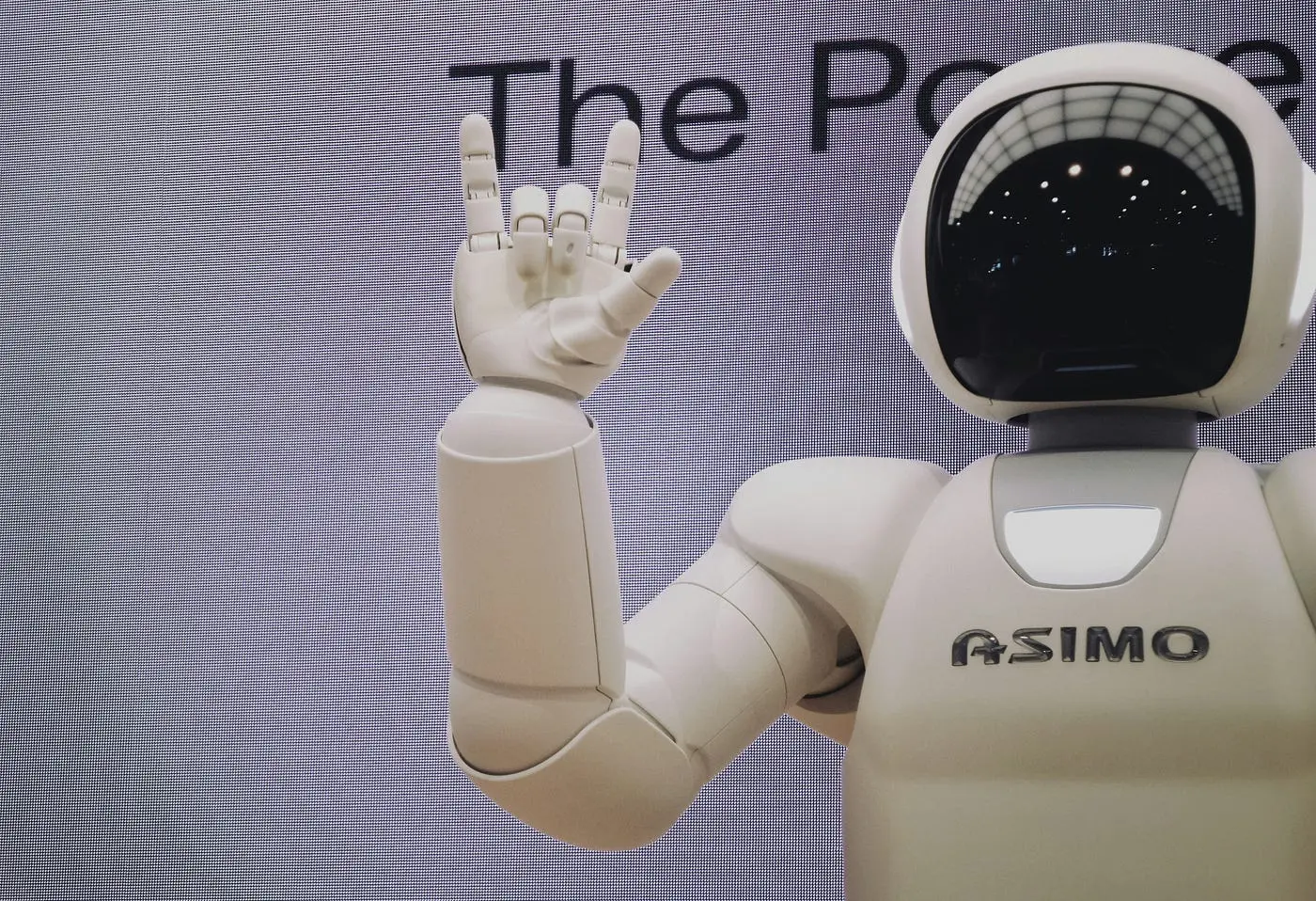
The reality of Moravec's paradox
Computer scientists discovered decades ago that logical reasoning is actually quite simple to program. However, replicating the millions of years of evolutionary engineering that allow human hands to move, feel, and react requires staggering computational power and complex hardware.
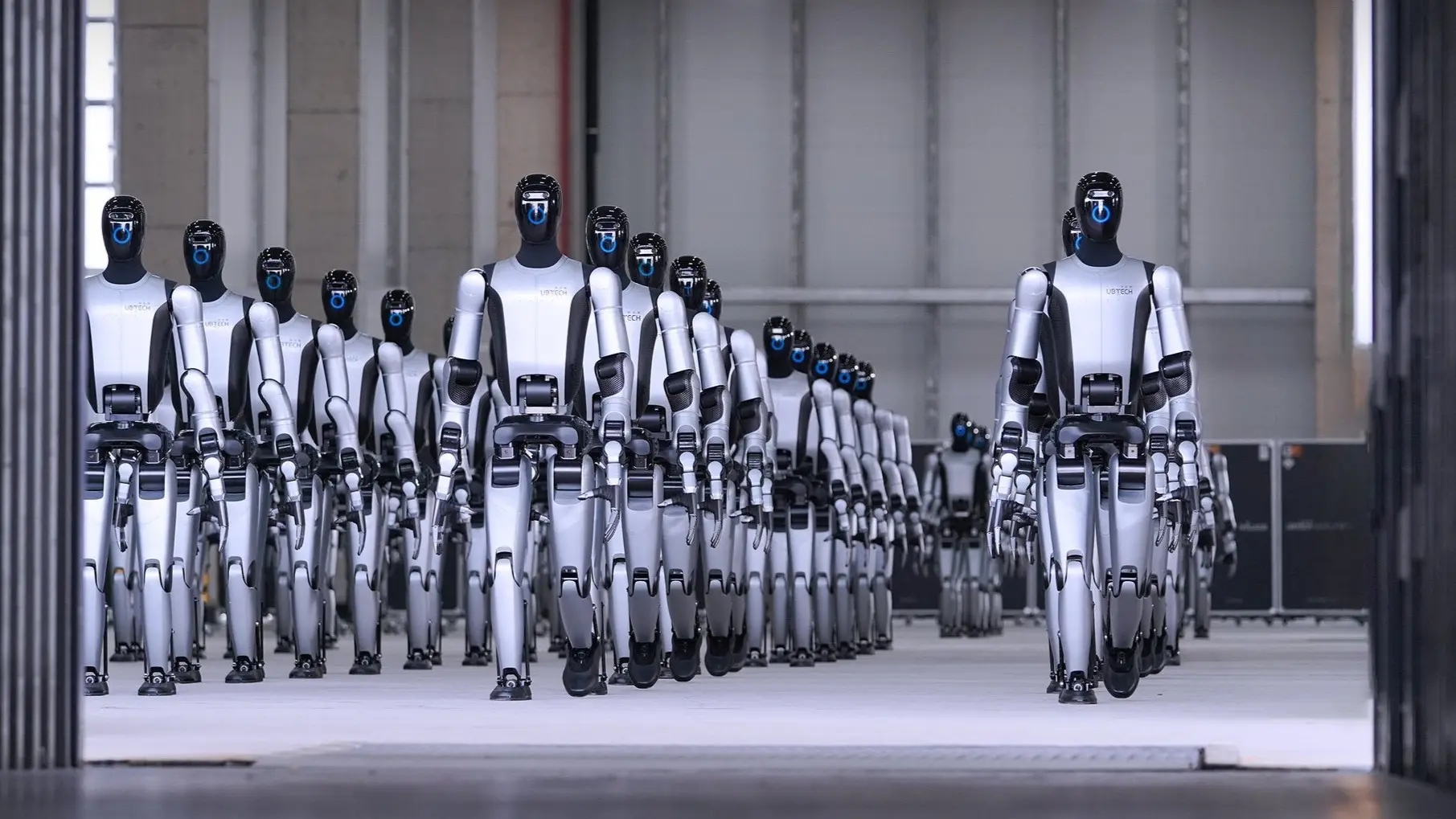
The packaging problem of actuators
A human hand contains 27 bones and dozens of muscles, allowing for incredible dexterity in a tiny package. Replicating this requires fitting heavy, bulky electric motors and actuators into a similarly small robotic hand without sacrificing grip strength or range of motion.
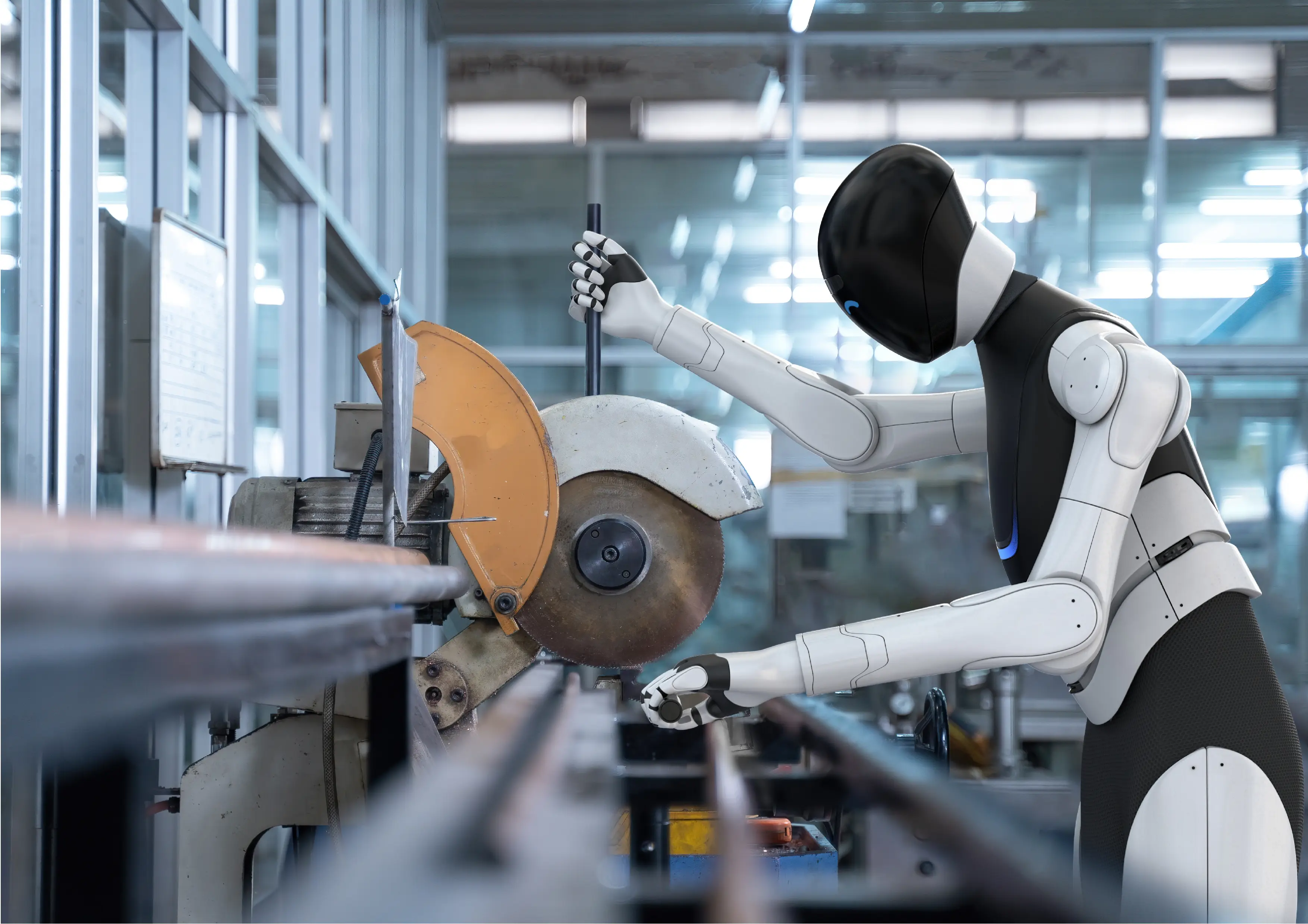
The lack of tactile feedback
Human skin is packed with thousands of nerve endings that instantly detect pressure, texture, and slippage. Engineering artificial tactile sensors that can survive heavy industrial use while remaining sensitive enough to hold a paper cup is a massive materials science hurdle.
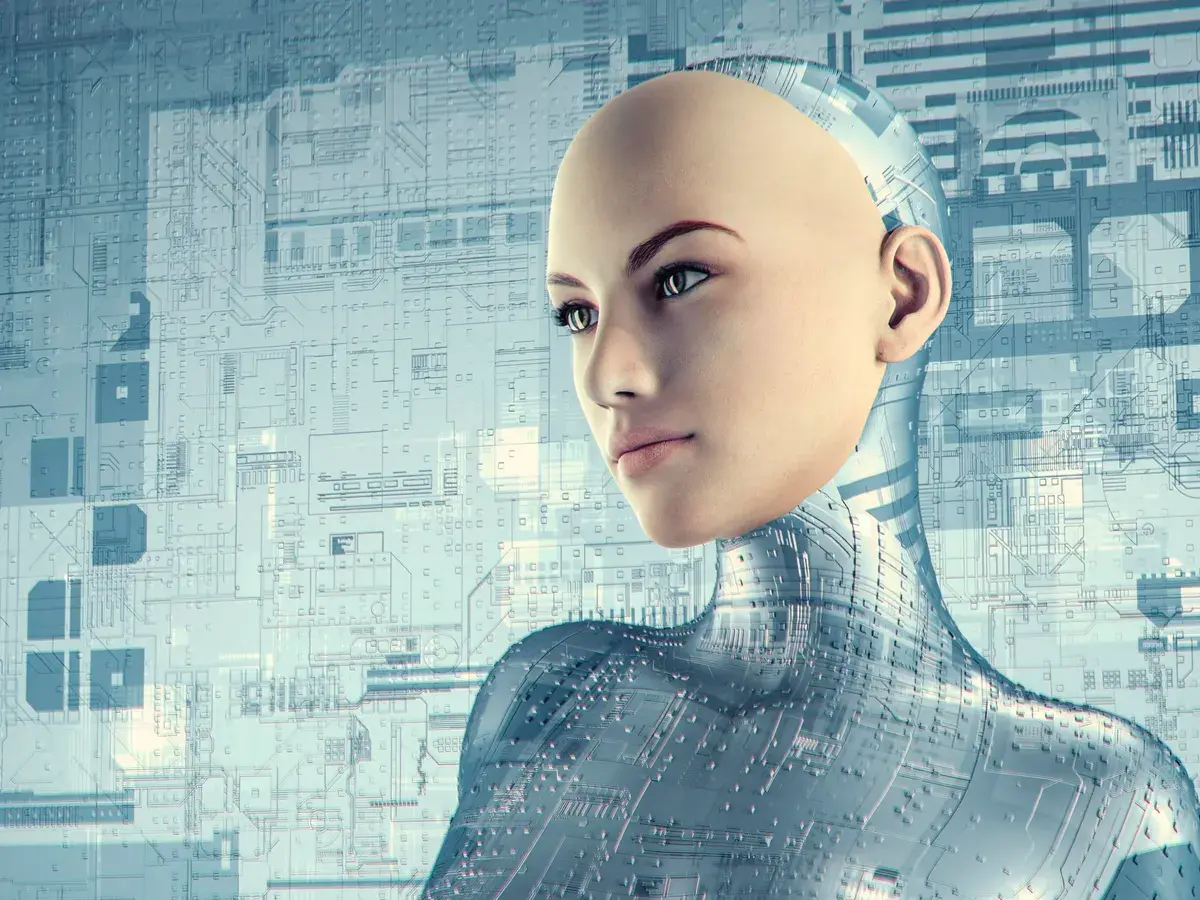
Complex grip calculations
Picking up an unknown object requires a robot to instantly calculate its weight, centre of gravity, and surface friction. If the hand applies too much force, it crushes the object; if it applies too little, the object slips out of its grasp.
The cable routing nightmare
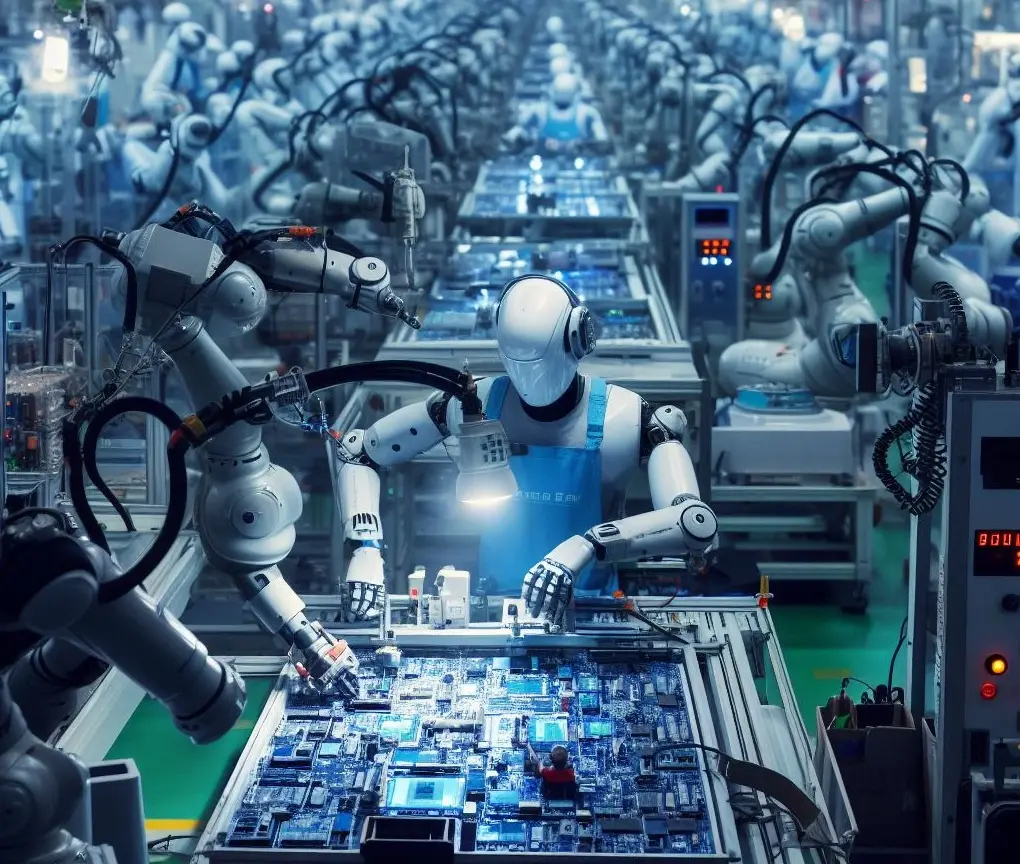
Because bulky motors cannot fit inside robotic fingers, engineers often place them in the robot's forearm and use complex tension cables to pull the mechanical joints. These cables stretch, snap, and wear out quickly under continuous use, making reliable maintenance very difficult.
)
)
)
)
)