Our Sun just inflicted a 400,000-kilometre-long scar on itself. Here's what happened

&imwidth=600&imheight=450&format=webp&quality=medium "Our Sun just inflicted a 400,000-kilometre-long scar on itself. Here's what happened")
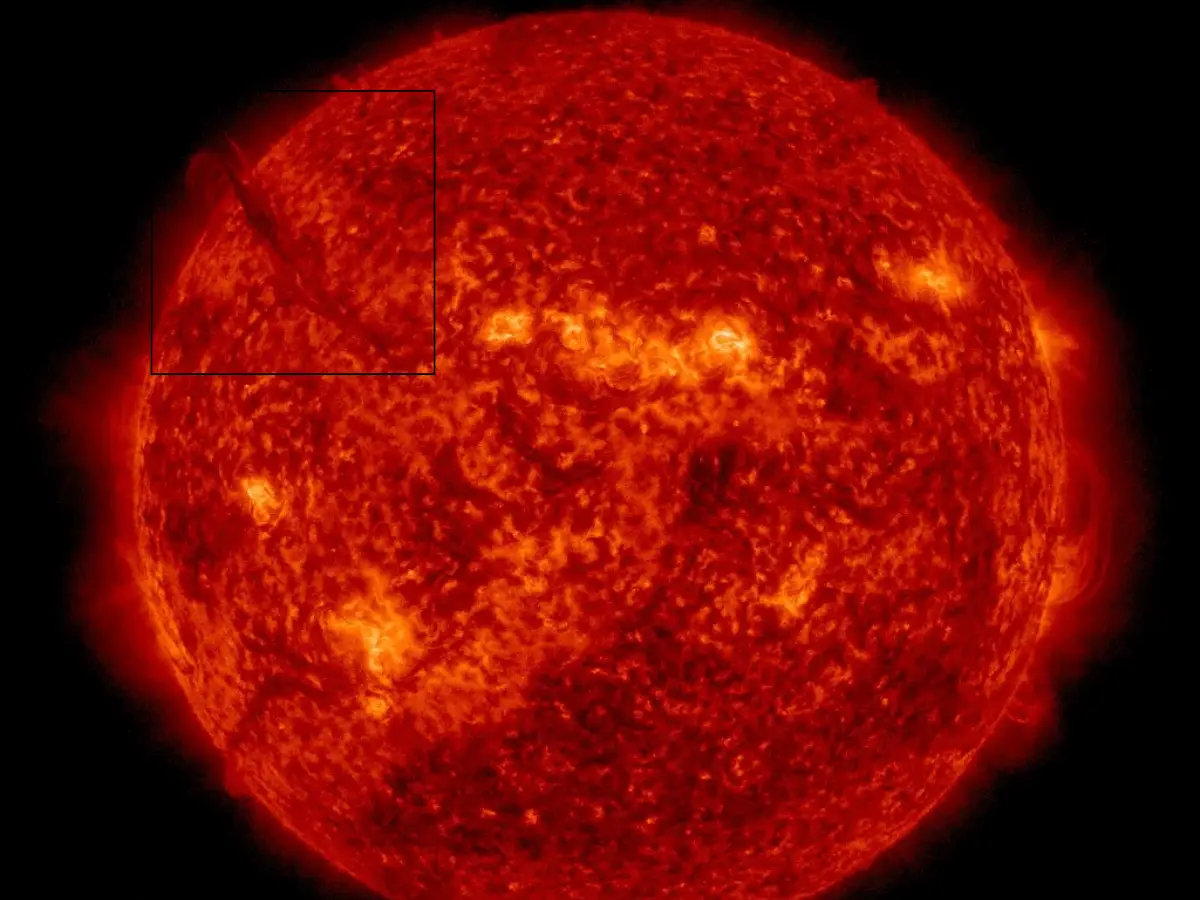
Our Sun just inflicted a 400,000-kilometre-long scar on itself. Here's what happened Photograph: (NASA/Solar Dynamics Observatory)
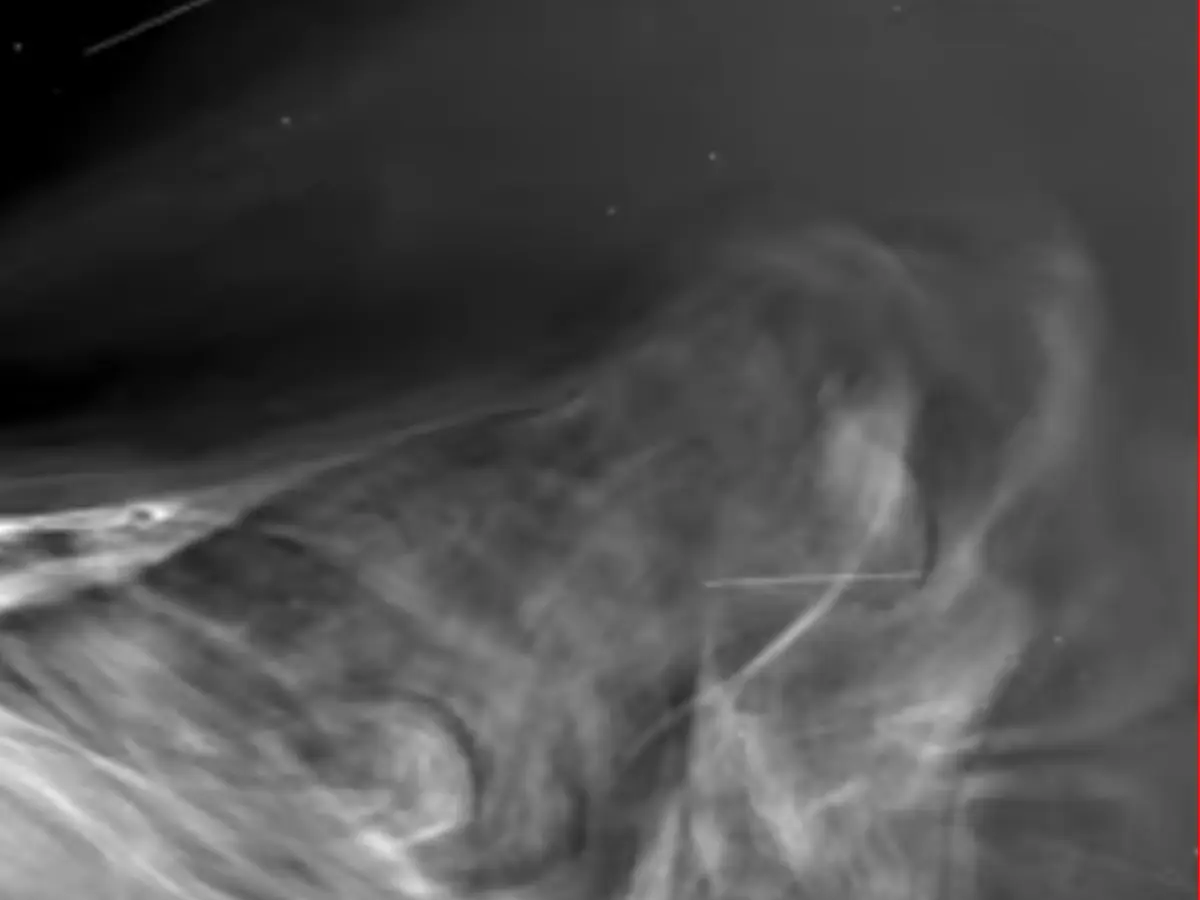
The Sun has a huge scar on it after a solar filament exploded on the surface recently. Astronomers spotted a huge plasma whip above it a few days back. The eruption not only released plasma and solar material into space, but also hit the Sun really hard.
The Sun has scarred itself, quite literally. A massive explosion on the Sun's surface on July 15 left a “canyon of fire”, a huge mark that astronomers on Earth captured. The solar filament eruption happened on the Sun’s upper left side, releasing a powerful blast of plasma and magnetic fields into space. The event was of such a huge proportion that it left a fiery scar on the Sun. The dent on the sun is 400,000 kilometres long and 20,000 km high, according to Tony Phillips, an astronomer who works with Spaceweather.com. He called it "a grand canyon" on the Sun. Astronomers were already prepared for something like this to happen. They spotted an unusually large, cold and dense gas filament suspended above the Sun’s surface a few days ago. When it finally collapsed, the Solar Dynamics Observatory caught it on camera. Filament eruptions are common on the Sun and are triggered by small instabilities in the Sun’s magnetic field. Also Read: New world Sedna discovered in solar system. What this means for Planet Nine
Coronal Mass Ejections and impact on Earth
Scientists are not sure how long the Sun will remain scarred. They will continue to keep an eye on it to understand when and how it fills up. The Sun has been highly active for the past years. It has reached a solar maximum when it releases plasma and plumes of flares more regularly. Coronal Mass Ejections (CMEs) are sent across space and impact planets with radiation. On Earth, this activity triggers auroras. Colourful auroras are generated when the solar flares and the matter released by the sun interact with the magnetic field of our planet. However, these flares and CMEs can also prove dangerous. They can impact astronauts in space who can suffer from the harmful radiation. Satellites can also be impacted, cutting off radio communication. However, the plasma eruption in the latest event is directed away from Earth. Also Read: Sunspot blasts strong X-ray solar flares causing blackouts in Hawaii. There is more to come
A month ago, the Sun released an X flare towards Earth. The most powerful solar flare was unleashed from Sunspot region 4114. Certain areas over the Pacific Ocean reported radio blackouts. Multiple coronal mass ejections (CMEs) were recorded in 24 hours from sunspot region 4114. This highly violent activity is expected to continue in the coming months. Scientists are regularly monitoring the Sun to remain alert and watch out for a solar whiplash.
)
)
)
)
)
)
)
)
)
)
)
)
)
)
)
)
)
)
)
)
)
)
)
)
)
)
)
)
)
)
)
)
)
)
&im=FitAndFill=(700,400))
)
)
)
)