&imwidth=800&imheight=600&format=webp&quality=medium "New NASA telescope will record 100,000 cosmic blasts, including stars that killed themselves 10 billion years ago")
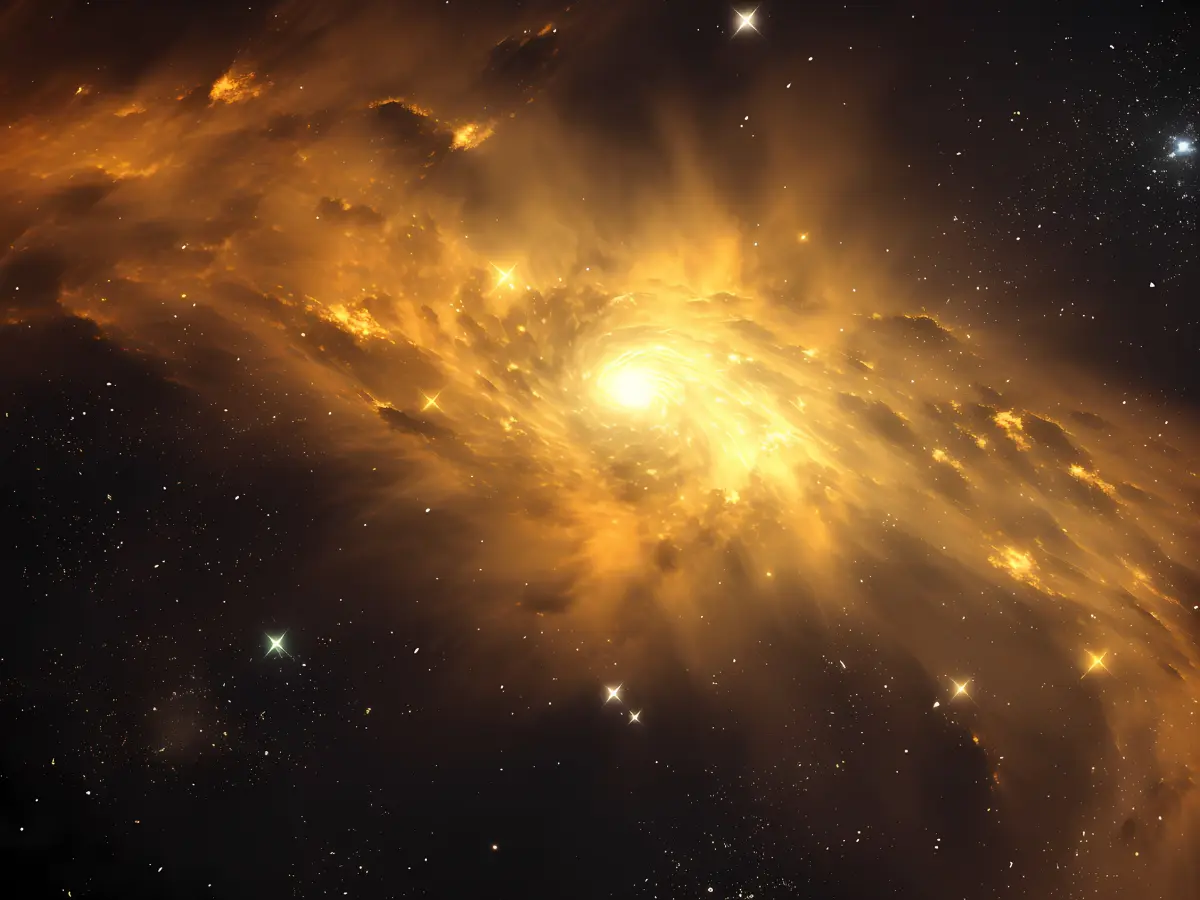
The universe is filled with all kinds of explosions - stars dying, black holes feeding on matter, triggering bright eruptions, galaxies clashing with each other and more. Now, scientists are hoping to capture all these events with a new NASA space telescope. The space agency's upcoming Nancy Grace Roman Space Telescope may reveal around 100,000 celestial blasts. The most exciting discovery they are hoping to make is picturing the first stars of the universe destroying themselves, something that has not been seen before. A paper published in The Astrophysical Journal calls the survey Nancy Grace will carry out a gold mine. Cosmic eruptions can offer clues about several mysteries of the universe, such as dark energy, the force that is believed to be driving its expansion. Benjamin Rose, an assistant professor at Baylor University in Waco, Texas, and lead author of the study, said the new survey by NASA will help scientists “explore dark energy, dying stars, galactic powerhouses, or probably even entirely new things we’ve never seen before.” Also Read: Sorry space buffs, but Planet Nine might be an illusion, a new world has revealed
Cosmic videos of stars blowing up
The Nancy Grace Roman Space Telescope will carry out the High-Latitude Time-Domain Survey, as part of which it will scan a large region of the universe every five days for two years. Then, all its observations will be put together to create a cosmic movie full of explosions and eruptions. The primary aim of the program is to look for bursting stars, more specifically, a class of supernova called type Ia. "These stellar cataclysms allow scientists to measure cosmic distances and trace the universe’s expansion because they peak at about the same intrinsic brightness," NASA wrote. These supernovas can tell how fast the universe has expanded during different cosmic epochs, offering clues about the dark energy presumed to be at work. Also Read: Voyager 1 at one light-day: Spacecraft to reach unthinkable milestone after 49 years

Nancy Grace Roman Space Telescope will see oldest stars exploding
To predict how many of these cosmic explosions the High-Latitude Time-Domain Survey will be able to capture, researchers of the study carried out simulations. The number came out to be an astounding 27,000 type Ia supernovae—about 10 times more than what has been spotted by previous surveys. However, it will have its task cut out when it begins operations in 2027 as it will have to pick the la supernovae from a field of thousands of other exploding stars. Not only this, but it has the ability to scan the ancient universe, pushing the boundary to 11.5 billion years. Till now, most telescopes have scanned the universe that was about 8 billion years old. It can possibly see thousands of stars born at the time, and thousands of them that blew up around 10 billion years ago. By looking that far off in the universe, the Roman Space Telescope will help fill critical gaps in our understanding of the universe and record the oldest supernova ever seen.
“Filling these data gaps could also fill in gaps in our understanding of dark energy,” Rose said. “Evidence is mounting that dark energy has changed over time, and Roman will help us understand that change by exploring cosmic history in ways other telescopes can’t.” Roman will also pick up about 60,000 core-collapse supernovae, which occur when a massive star runs out of fuel and collapses under its own weight. Ia supernovae originate from a binary star system that contains at least one white dwarf. But, both of the above will appear similar from where the Nancy Grace Roman Space Telescope will be sitting.
Trending Stories
)
Why asking questions could be more important than memorising answers
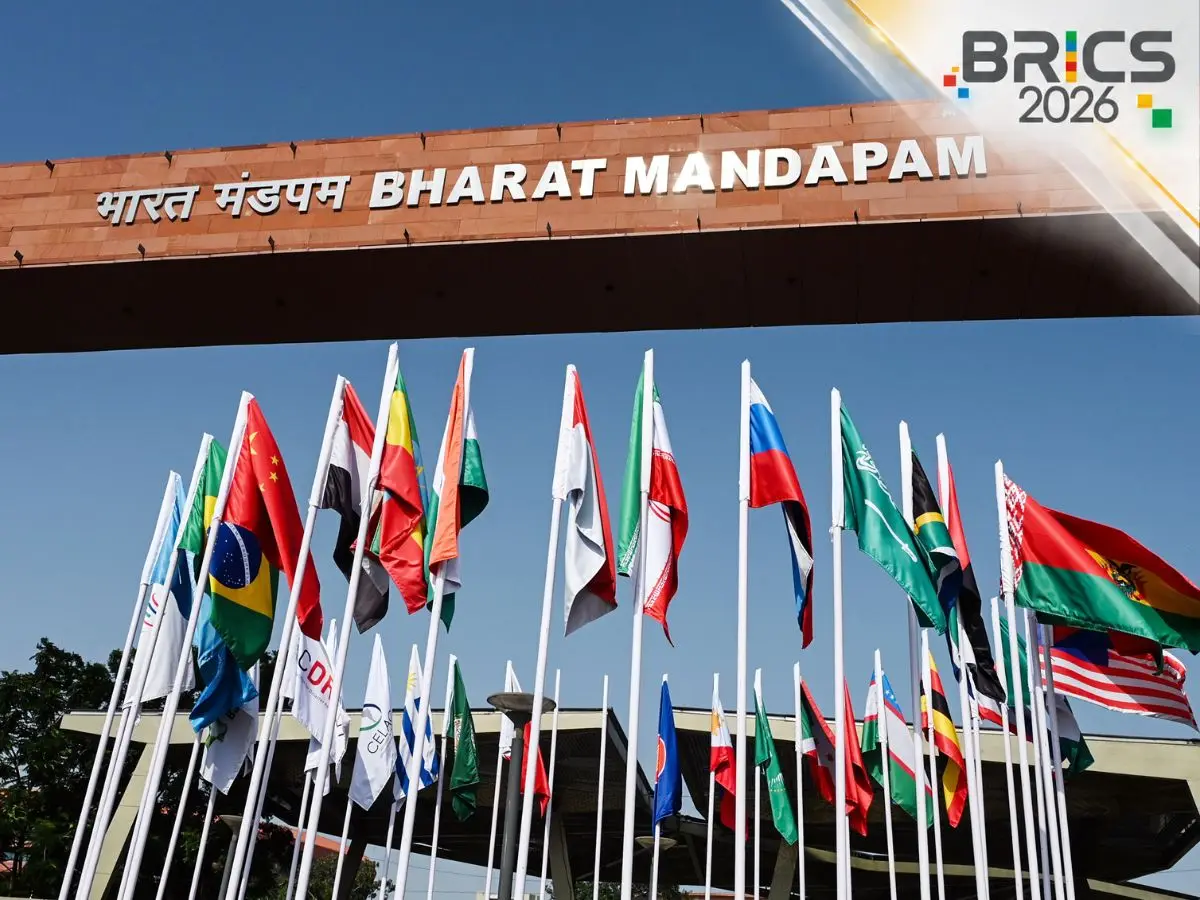)
BRICS Summit 2026 full schedule: Day-wise agenda, timings and key issues - All you need to know
)
BRICS Summit 2026: Iran's Pezeshkian praises PM Modi at BRICS
)
Why dehydration is the hidden cause of travel fatigue on long flights
)
Top 5 places to visit in Goa beyond its famous beaches
)
'He is popular...': Malaysian PM Anwar Ibrahim's praise for PM Modi during bilateral meeting | WATCH
)
BRICS Summit 2026: 30+ countries seek BRICS membership
)
Frustrated man demolishes his kitchen after thousands flock to see Mother Mary his wife spotted on the wall
)
BRICS Summit 2026: PM Modi, Xi reach key consensus on ties, China to assume BRICS chairmanship in 2027
)
Trump says Canada eager to reach a deal, it could come ‘fairly soon’ if Ottawa treats US farmers better
)
From drones to KAAN fighters: Turkey outlines 229% surge in defence spending amid regional shifts
)
‘Partners, not rivals’: Xi outlines four point plan for stronger India-China ties
)
Could staying indoors all day affect your health?
)
Bigg Boss 20: Uditi Singh reacts to ex Karan Wahi’s possible wildcard entry
)
Why going digital does not always mean becoming more efficient
)
800 million years old - Scientists discover 'fingerprints' of supercontinent Gondwana in ancient rocks
)
ENG vs PAK: Joe Root breaks Sachin Tendulkar’s record for most Test fifties
)
Israel spent nearly $470,000 on PM's hair, makeup since 2019, data shows
)
From severe mobility problems to recovery: Madhuri the elephant’s journey of wildlife care
)
BRICS Summit day 1: New Delhi declaration adopted with full consensus, big diplomatic win for India
)
From India, Putin warns Europe against sending troops to Ukraine, Zelensky expresses willingness to meet him at G20 Summit
)
Did Iran President Pezeshkian touch feet of Hindu spiritual leader at Delhi event as shown in viral video?
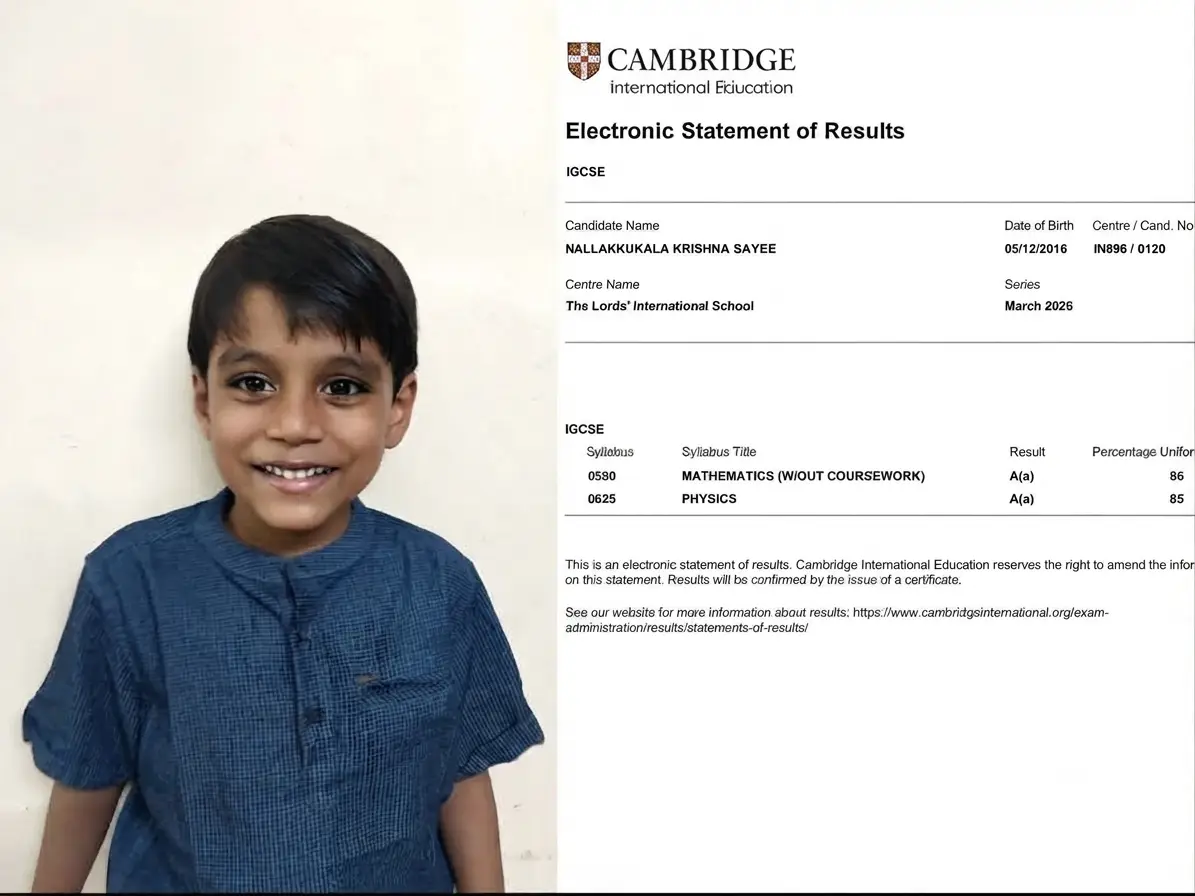)
9-year-old Chennai prodigy clears Cambridge IGCSE grade 10 exams
)
9/11 attack anniversary: The day that changed America forever
)
Why does your body need time to adjust after a long journey?
)
Baba Vanga's first prophecy for 2027 is out, and straight out of science fiction
)
BRICS declaration calls for stronger people ties, women-led growth and greater youth cooperation
)
Why does your skin need protection from UV rays?
)
How does the loss of forests affect the way wildlife lives and moves?
)
IND vs AFG, 1st T20I: When and where to watch live streaming in India?
)
Anthropic is giving Claude to schools free, and the reason is not philanthropy
)
BRICS Summit: China resumes Guangzhou-New Delhi flight, issues 'good-neighbourliness' remark ahead of Xi-Modi meet
)
Why do wild animals need quiet places to survive?
)
Humans may lose control of AI: Anthropic CEO calls for slowdown, Altman, Musk back him
Stars collapsing under their own weight
However, scientists are confident that they would be able to differentiate between them. “By seeing the way an object’s light changes over time and splitting it into spectra — individual colours with patterns that reveal information about the object that emitted the light—we can distinguish between all the different types of flashes Roman will see,” said Rebekah Hounsell, co-author of the study.
Besides these supernovas, the telescope is also expected to reveal some never-before-seen cosmic explosions. This includes at least 90 superluminous supernovae, which are 100 times brighter than a typical supernova. Then there could be 40 tidal disruption events, which would reveal more information about black holes. Then there could be the kilonovae that occur when two neutron stars, remnants of supernovae, collide. Till now, only one kilonova has been detected. The Roman Telescope can reveal at least five more.