
&imwidth=800&imheight=600&format=webp&quality=medium "US Fed keeps rates unchanged, but Iran war price pressures trigger unusual split")
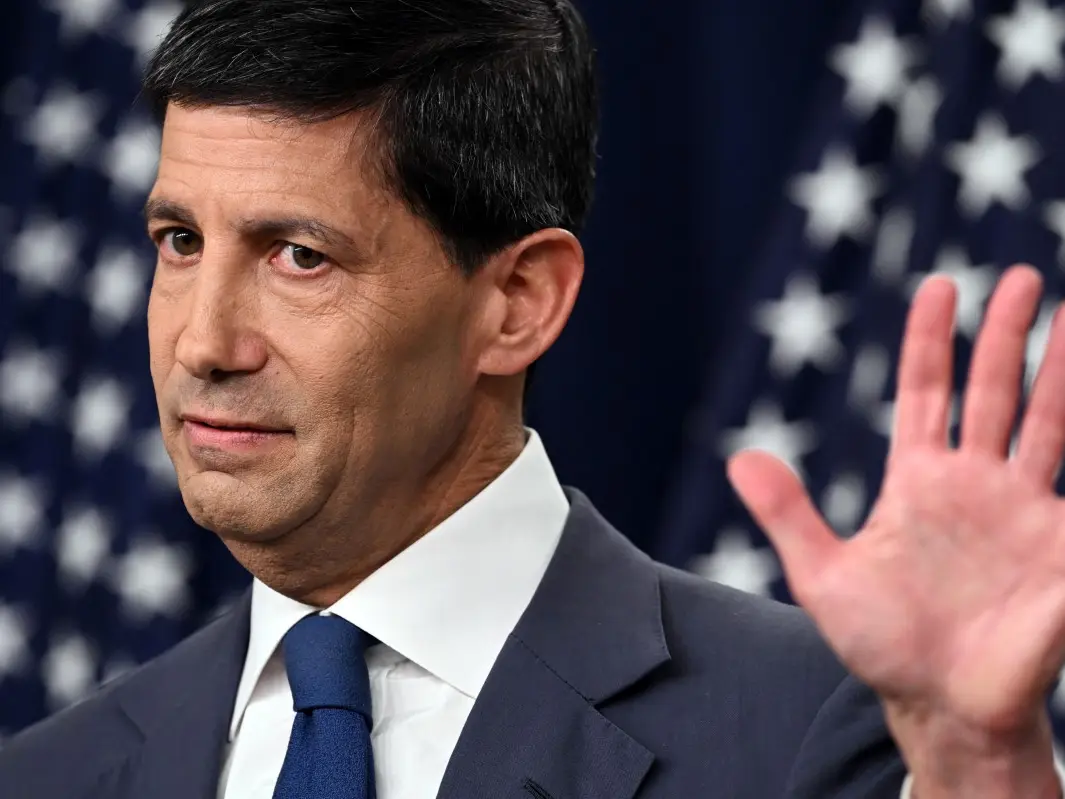
The US Federal Reserve left interest rates unchanged on Wednesday (July 29) for a fifth consecutive meeting, but growing inflation concerns linked to the Iran war led three policymakers to back a quarter percentage-point increase in borrowing costs. The Federal Open Market Committee (FOMC), the Fed's rate-setting panel, voted to keep the benchmark interest rate in the 3.50 per cent to 3.75 per cent range, a decision that financial markets had widely expected.
However, the outcome revealed a sharper divide among policymakers as inflation risks resurfaced following higher energy and commodity prices triggered by President Donald Trump's war on Iran.
Fed Chair Kevin Warsh said the US economy remained resilient in terms of employment, but inflation continued to be a major concern.

"We're doing pretty well collectively as a country, as policymakers on the full employment side," Warsh said after the meeting. "But we're doing considerably less well on prices. That's why we describe them as elevated and that's what's taken most of our discussion in terms of transmission mechanisms of monetary policy," he added.
According to the Fed, nine of the 12 policymakers believed the current interest rate was appropriate for the economy. However, officials from the Cleveland, Dallas and Minneapolis Federal Reserve banks dissented, arguing that rates should be raised by 0.25 percentage points to counter rising inflation.
Trending Stories
)
BRICS Summit 2026: 30+ countries seek BRICS membership
)
Odisha gets investment proposals worth Rs 2.42 trillion from UAE with 6.18 lakh potential jobs
)
Anthropic is giving Claude to schools free, and the reason is not philanthropy
)
Osama Bin Laden's son ALIVE? Al-Qaeda releases video 7 years after US declared him dead
)
IND vs AFG, 1st T20I: When and where to watch live streaming in India?
)
BRICS declaration calls for stronger people ties, women-led growth and greater youth cooperation
)
BRICS Summit 2026: PM Modi says India and Iran should pursue win-win strategy
)
‘Differences should not become disputes’: Modi, Xi stress long term India-China ties during bilateral talks
)
From drones to KAAN fighters: Turkey outlines 229% surge in defence spending amid regional shifts
)
BRICS Summit 2026: Iran's Pezeshkian praises PM Modi at BRICS
)
BRICS Summit 2026: Modi-Xi meeting to test India-China reset after border tensions
)
BRICS Summit 2026: India ensures consensus: BRICS nations to issue joint statement today
)
From India, Putin warns Europe against sending troops to Ukraine, Zelensky expresses willingness to meet him at G20 Summit
)
Baba Vanga's first prophecy for 2027 is out, and straight out of science fiction
)
'A more balanced, multipolar world': India welcomes Chinese President Xi Jinping for BRICS Summit
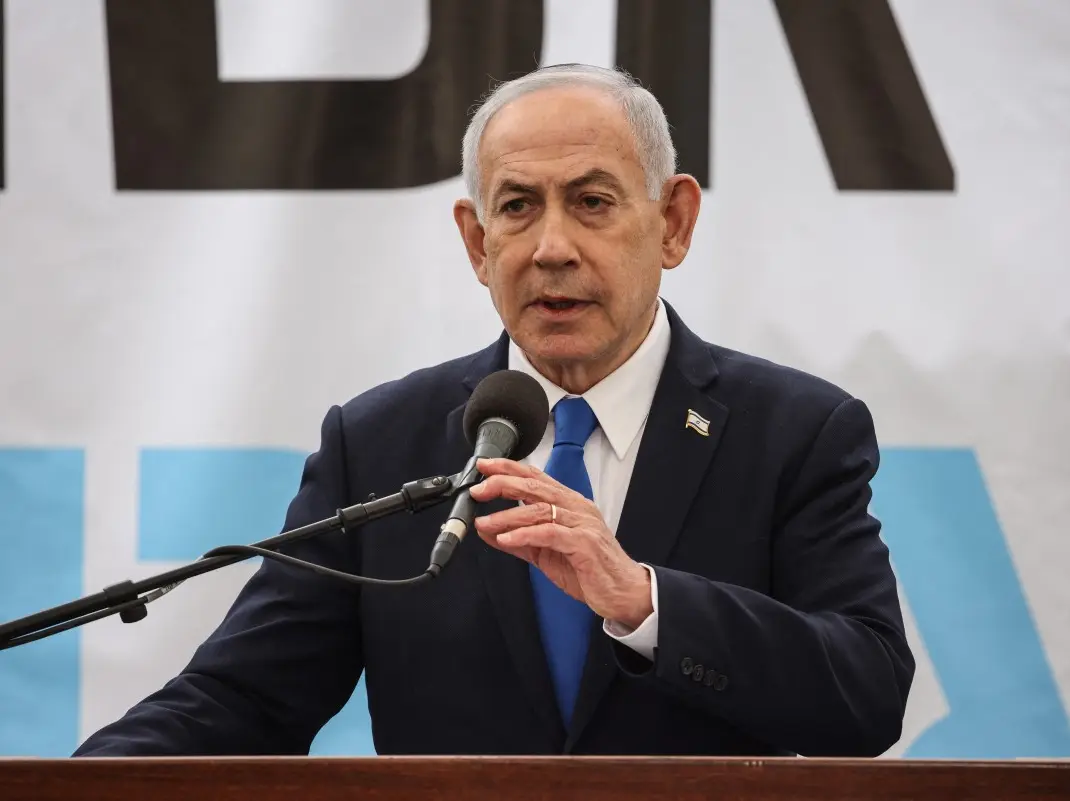)
Israel spent nearly $470,000 on PM's hair, makeup since 2019, data shows
&im=FitAndFill=(700,400))
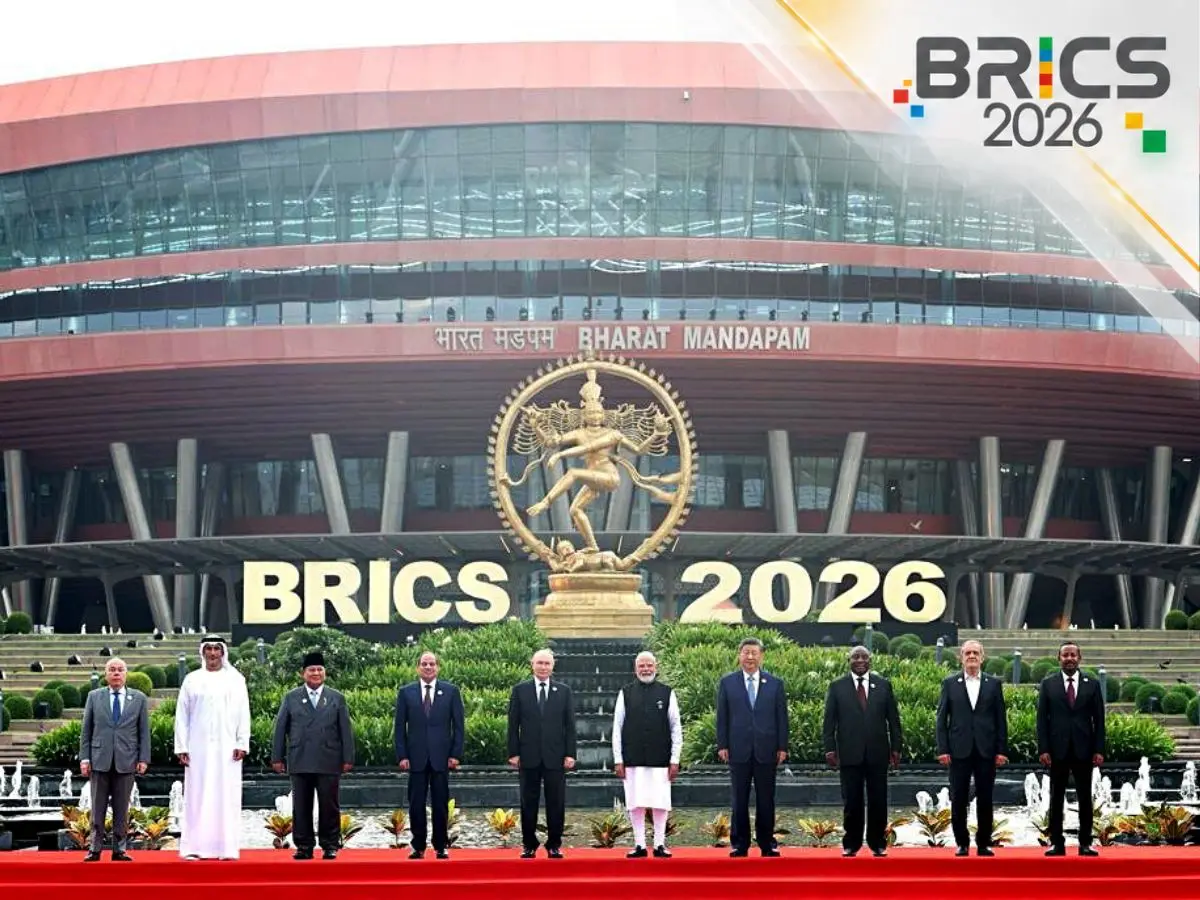
BRICS Summit 2026: Inside PM Modi’s meetings with global leaders
)
800 million years old - Scientists discover 'fingerprints' of supercontinent Gondwana in ancient rocks
)
BRICS Summit 2026: Chinese President Xi accompanied by high-level delegation
)
What’s in the menu for BRICS Summit gala dinner hosted by PM Modi? Details here
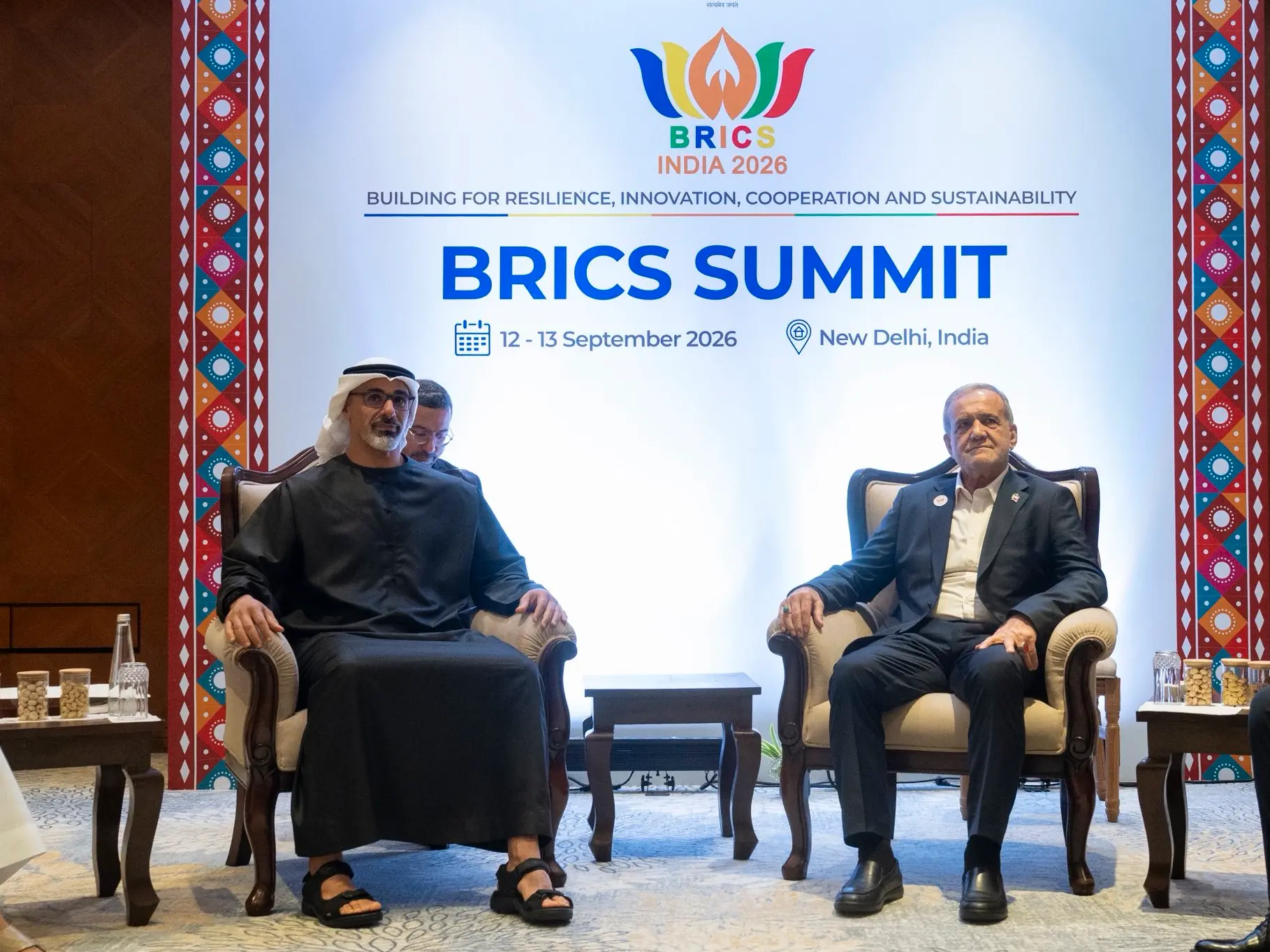)
India bridging Gulf divide amid war? Iran’s Pezeshkian meets UAE Crown Prince at BRICS
)
BRICS Summit 2026 full schedule: Day-wise agenda, timings and key issues - All you need to know
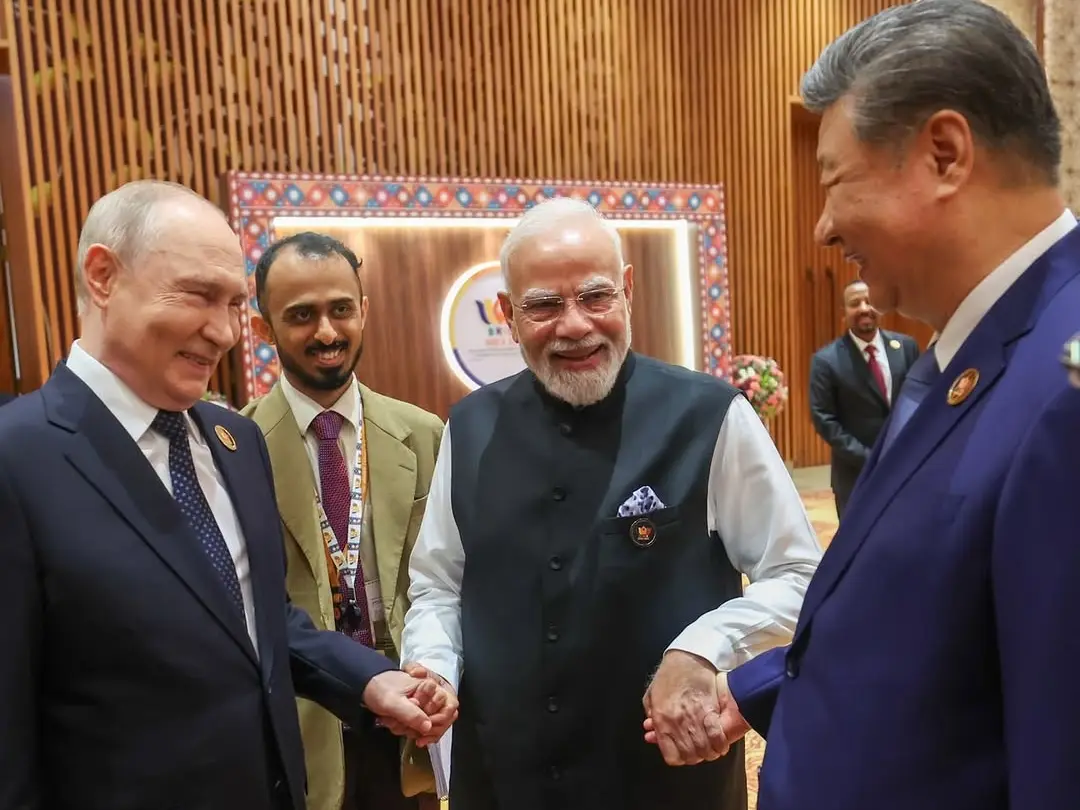)
Modi, Putin, Xi ‘bromance’ goes viral as leaders captured holding hands at BRICS Summit
)
Frustrated man demolishes his kitchen after thousands flock to see Mother Mary his wife spotted on the wall
)
ENG vs PAK: Joe Root breaks Sachin Tendulkar’s record for most Test fifties
)
Bigg Boss 20: Uditi Singh reacts to ex Karan Wahi’s possible wildcard entry
)
Humans may lose control of AI: Anthropic CEO calls for slowdown, Altman, Musk back him
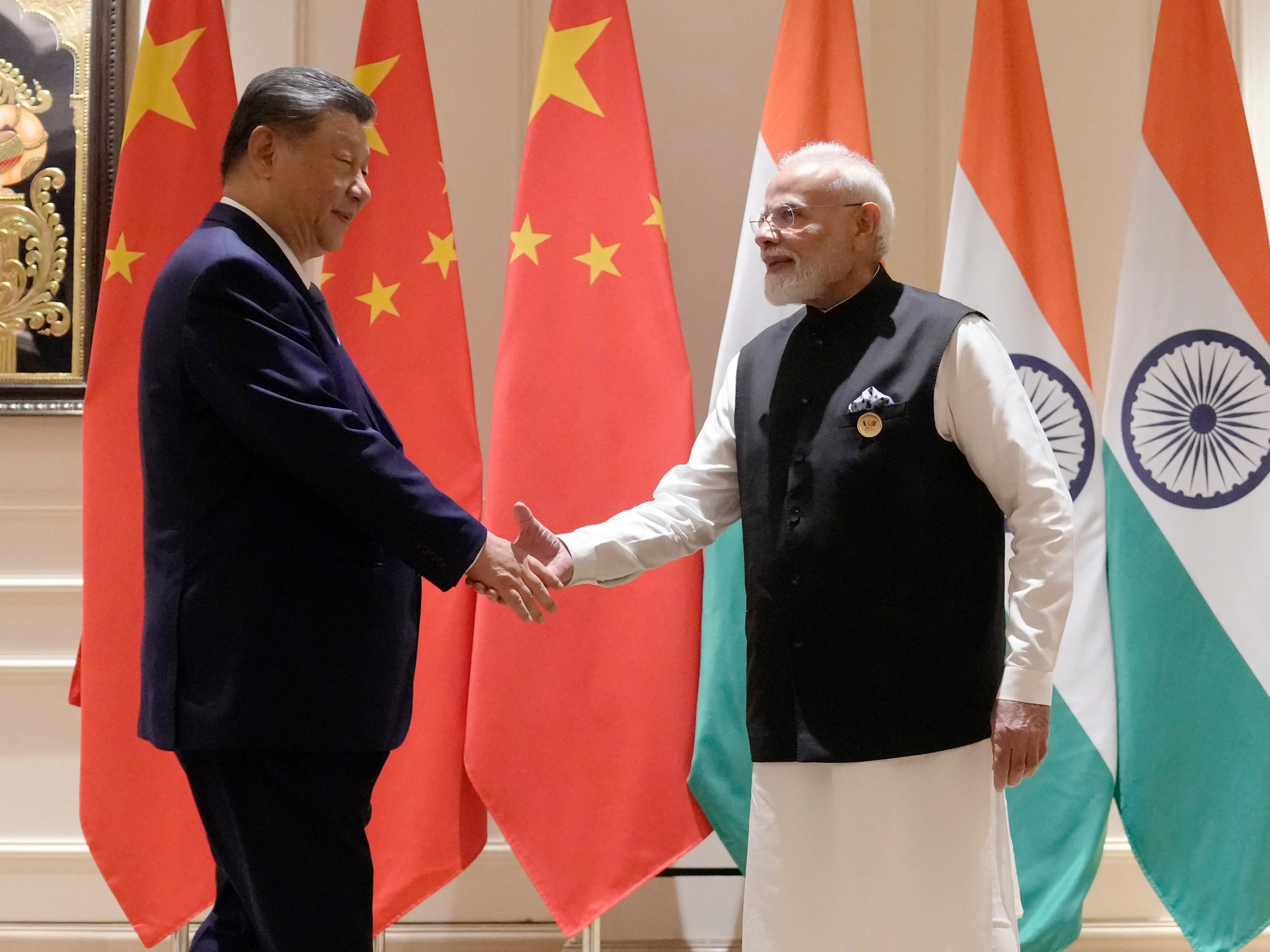)
‘Partners, not rivals’: Xi outlines four point plan for stronger India-China ties
)
BRICS summit: India faces delicate Iran-UAE diplomatic test
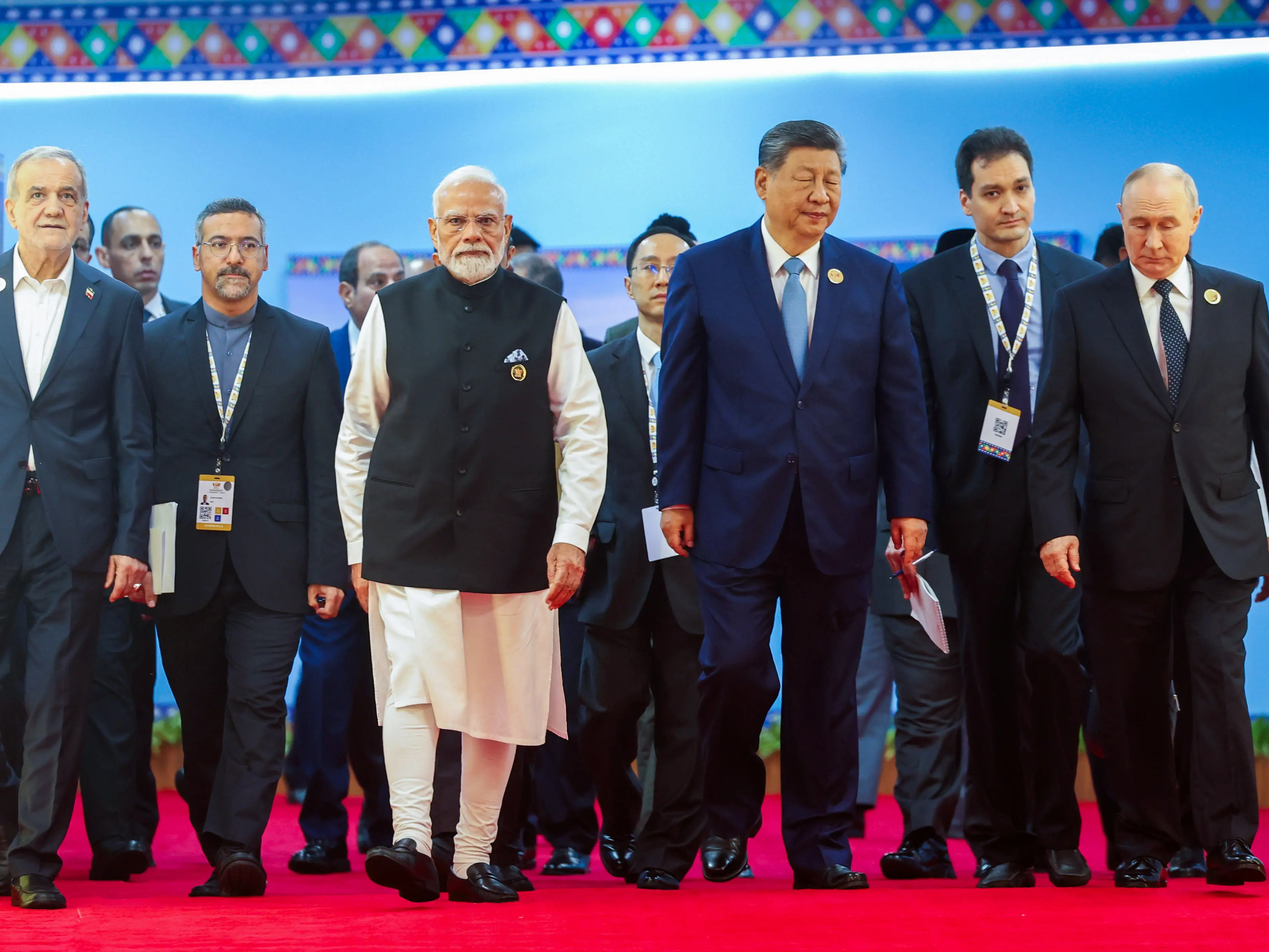)
BRICS Declaration: China, Russia back India’s UN role, push for greater Global South representation
)
BRICS Summit 2026: China urges strategic dialogue with India
)
BRICS Summit: China resumes Guangzhou-New Delhi flight, issues 'good-neighbourliness' remark ahead of Xi-Modi meet
)
Rizwan, Imam-ul-Haq questioned by Pakistan’s cybercrime department in Lahore
)
9-year-old Chennai prodigy clears Cambridge IGCSE grade 10 exams
)
BRICS Summit: All about Xi Jinping's armoured limousine Hongqi that will ferry him in New Delhi
)
9/11 attack anniversary: The day that changed America forever
)
BRICS Summit 2026: Special BRICS session on 'inclusive global governance'
Also read: 'He wants me to stay involved': Trump says Netanyahu publicised Iran intel to keep US engaged
The three policymakers had also favoured a more restrictive monetary policy at the Fed's previous meeting.
US inflation eased to an annual rate of 3.5 per cent last month, but economists expect price pressures to intensify again as oil prices fluctuate due to the conflict involving Iran. The rise in energy costs has also contributed to higher global food prices, adding to inflationary pressures.

