14K, 18K, 22K or 24K gold? Know this before buying to avoid losing your money

24K, 22K, 18K or 14K gold: Which offers the best value? Compare purity, price, durability, resale value and BIS hallmarking before buying jewellery.
The Purest Gold Isn't Always Best
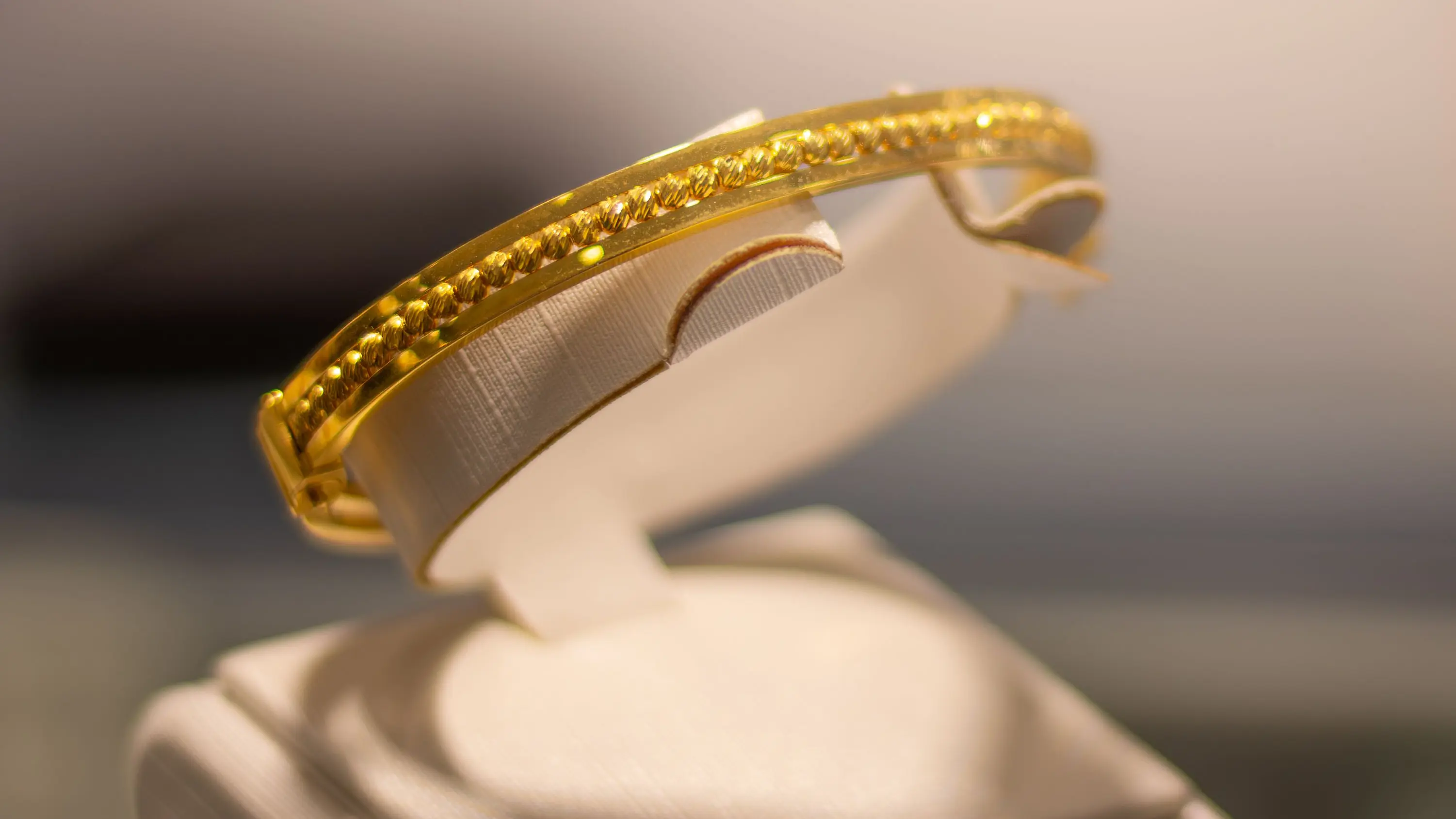
24-karat gold is the purest commonly available form, with 999-fineness gold containing 99.9 per cent gold. However, its softness makes it less suitable for everyday jewellery, where strength and durability matter.
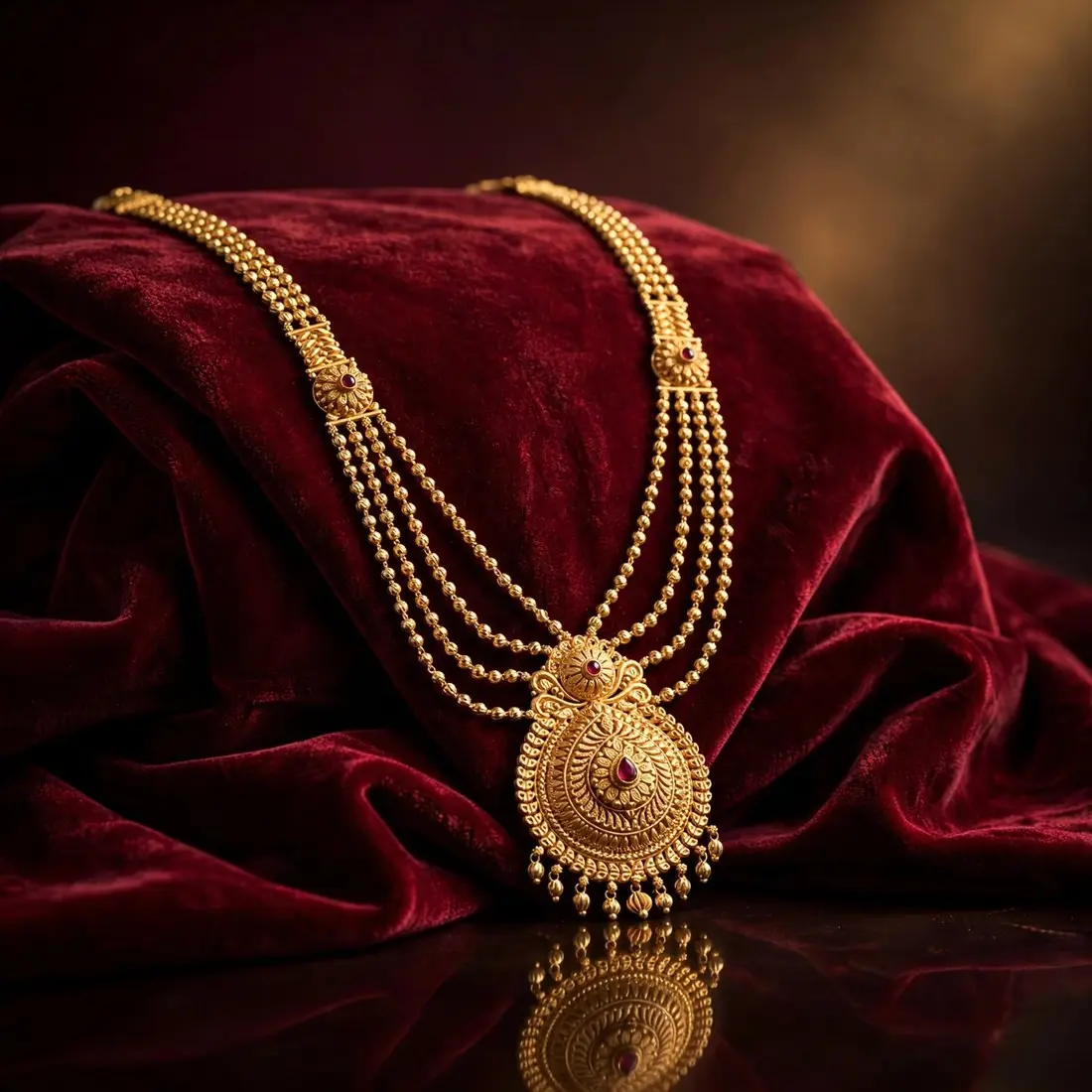
22K: The Indian Favourite
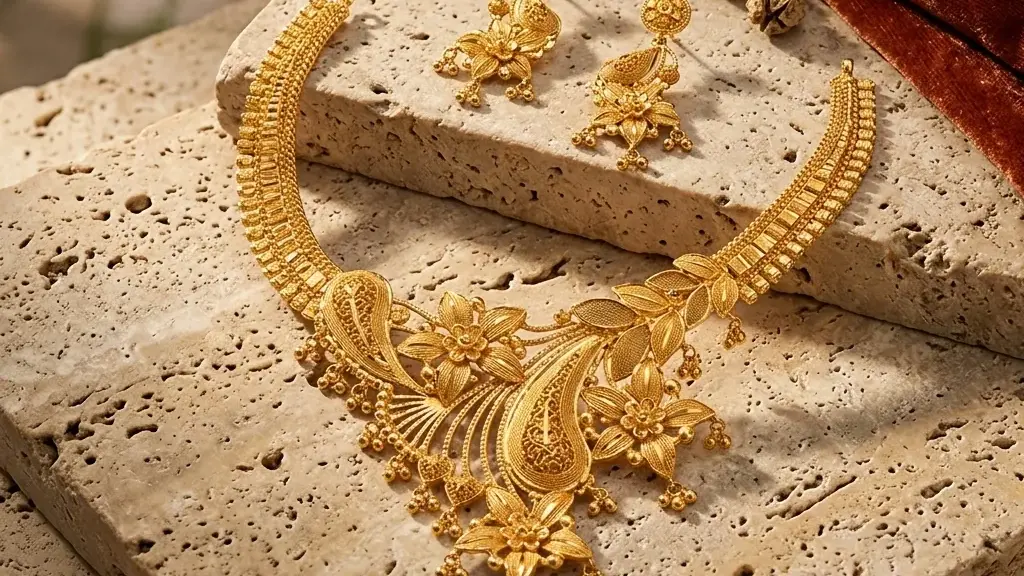
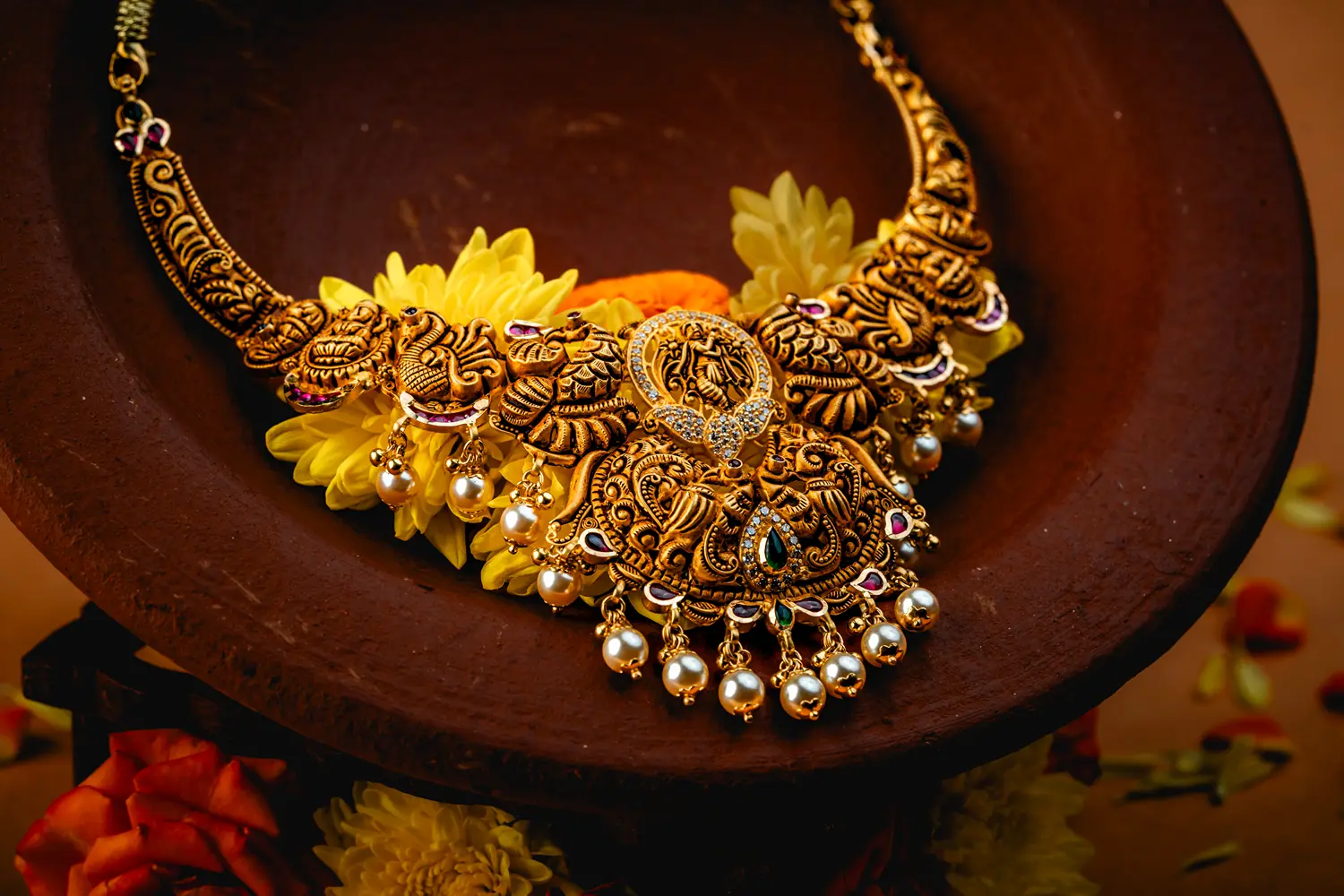
22-karat gold contains approximately 91.6 per cent pure gold, with the remaining 8.4 per cent consisting of other metals. It is widely preferred for traditional Indian jewellery because it combines high gold content with greater strength than 24K gold.
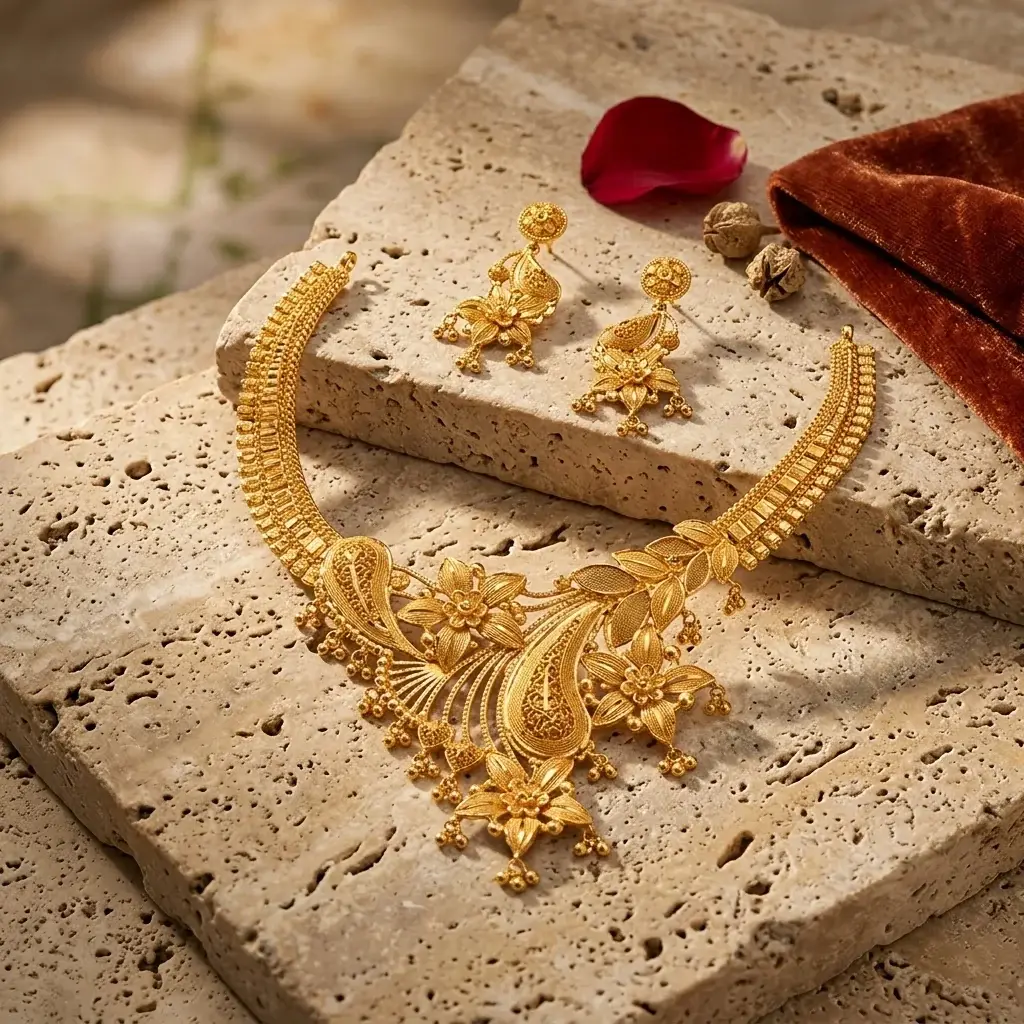
18K: The Middle Ground
18-karat gold contains 75 per cent pure gold and 25 per cent alloying metals, making it generally harder than 22K gold. It is commonly used for diamond jewellery, intricate designs and ornaments intended for regular wear.
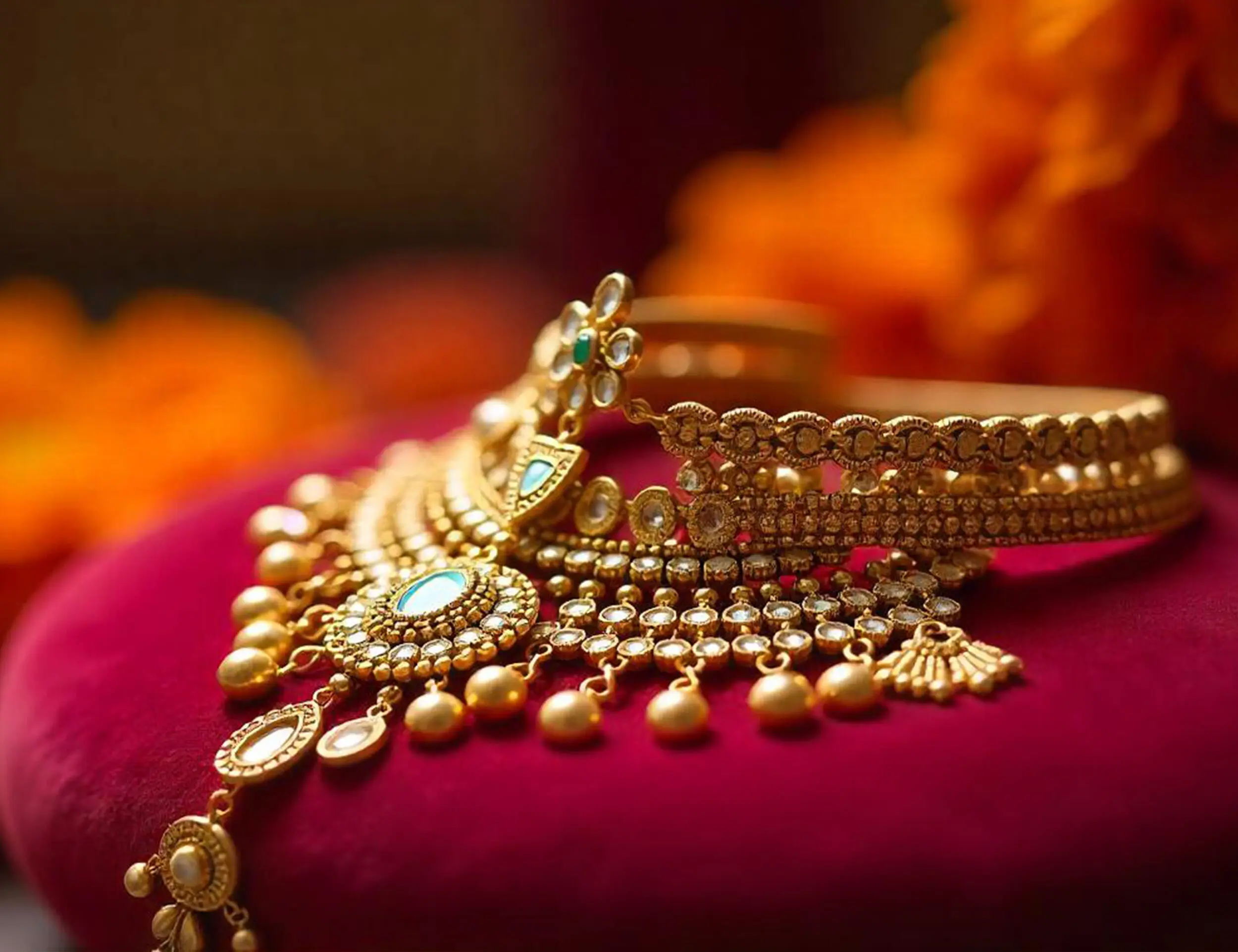
14K: Less Gold, More Strength
14-karat gold contains approximately 58.5 per cent pure gold, with the remaining 41.5 per cent consisting of other metals. Its lower gold content makes it generally cheaper than 18K or 22K gold of the same weight, while offering greater hardness for everyday jewellery.
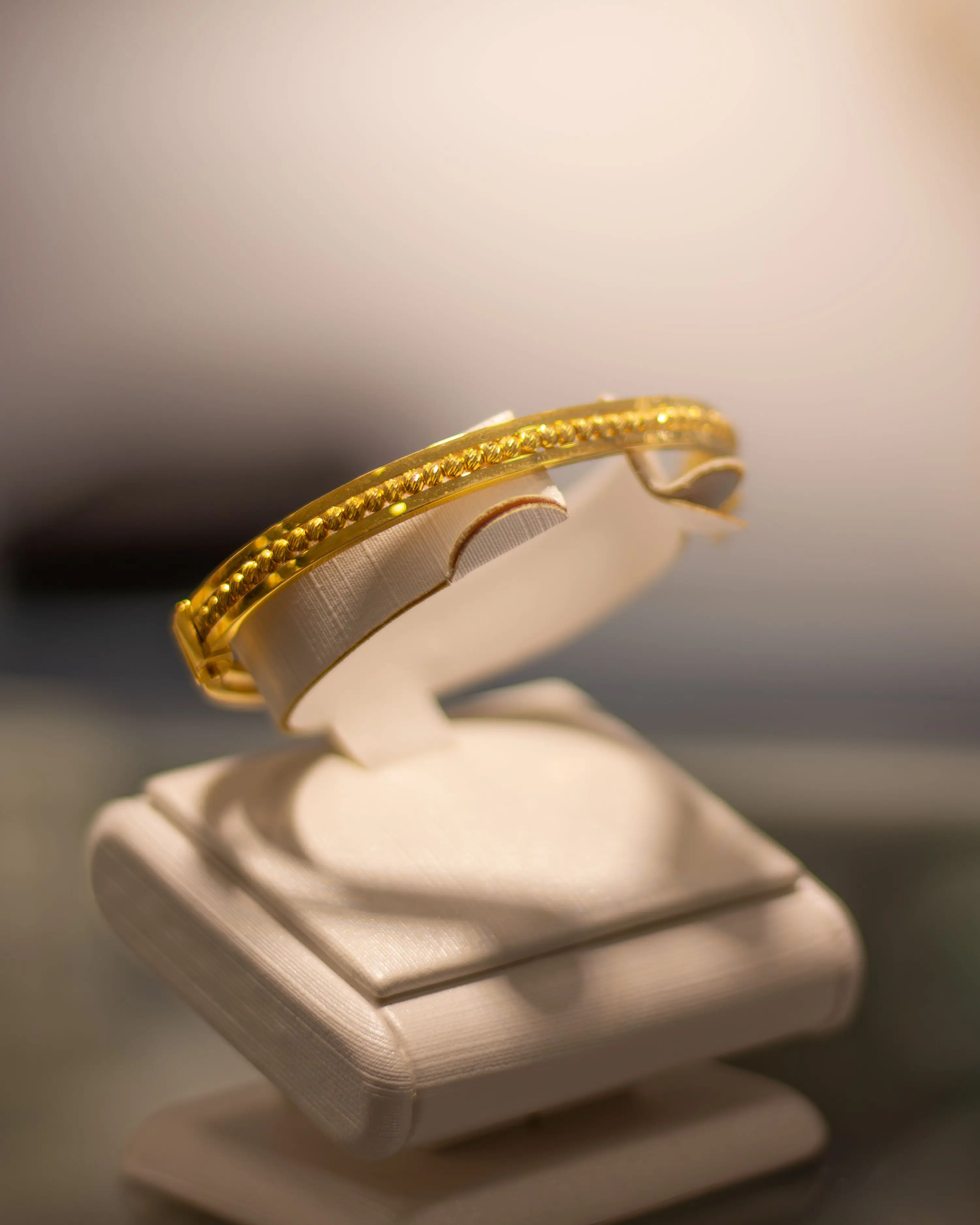
Which Gold Saves You More Money?
For physical gold investment, 24K coins or bars generally offer higher purity without jewellery-making charges, although premiums and resale deductions still apply. For ornaments, 22K offers greater gold content, while 18K and 14K can reduce the initial cost and provide better durability for regular wear.
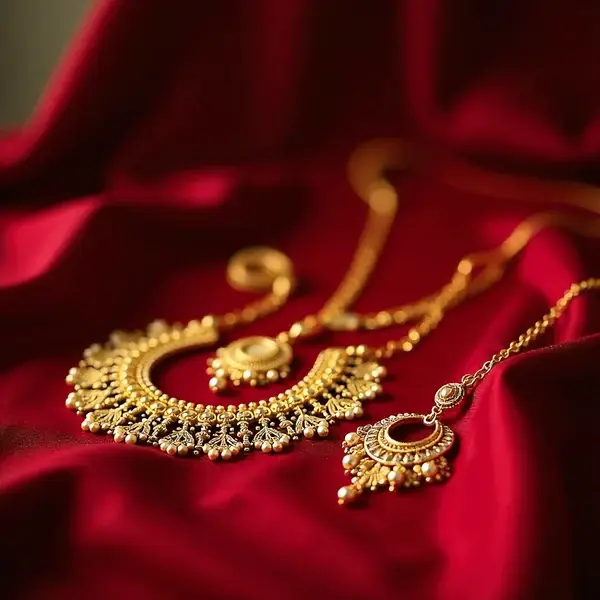
These Numbers Reveal Gold Purity
Gold purity markings indicate the amount of gold present: 999 means 99.9 per cent, 916 means 91.6 per cent, 750 means 75 per cent and 585 means 58.5 per cent. In India, buyers should check the applicable BIS hallmark, purity mark and six-character HUID, which can be verified through the BIS Care app.

Which Gold Should You Actually Buy?
Choose 24K bullion for high-purity physical gold ownership, 22K for traditional jewellery, or 18K and 14K for harder, lower-cost ornaments. Before paying, compare the net gold weight, making charges, GST, hallmark details and buyback terms to understand the actual value.