Statue of Hindu god 'Shiva Nataraja' among stolen bronzes to be returned to India from Smithsonian Institution

&imwidth=600&imheight=450&format=webp&quality=medium "Statue of Hindu god 'Shiva Nataraja' among stolen bronzes to be returned to India from Smithsonian Institution")
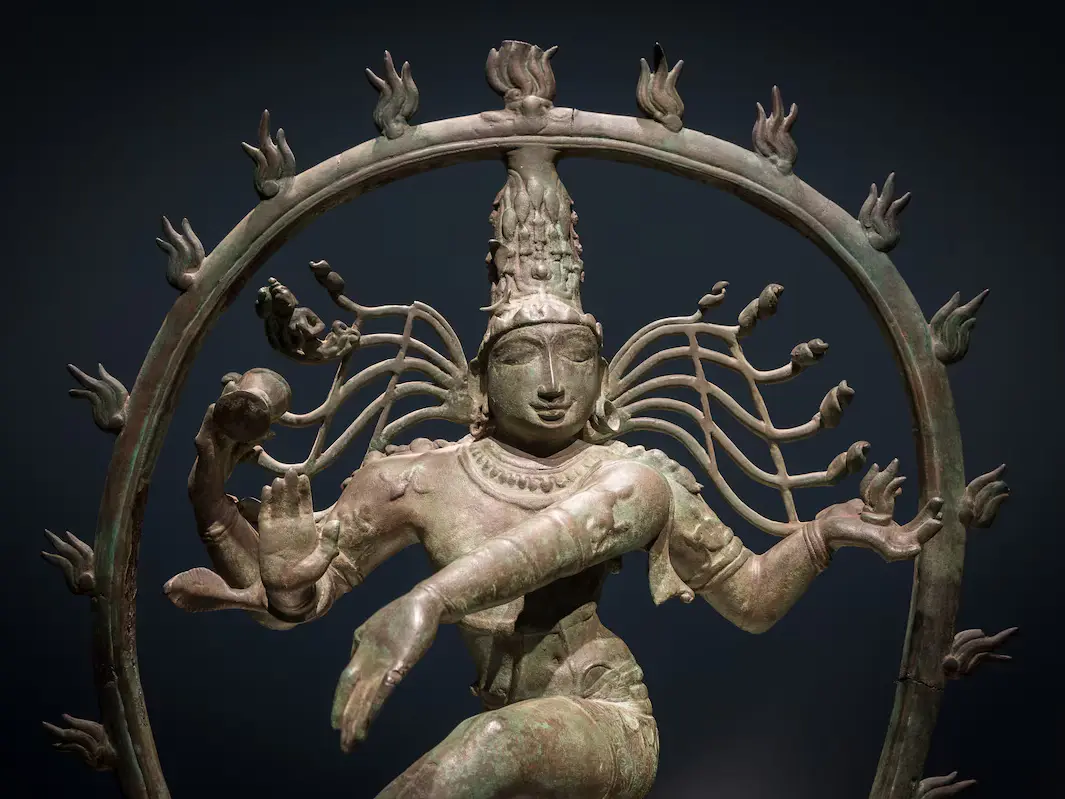
The Shiv Nataraj statue, which is among three stolen bronzes Smithsonian will return to India Photograph: (Others)
The Smithsonian’s National Museum of Asian Art will return to India three stolen bronze sculptures. A magnficient bronze of Shiva Nataraja is among them
The Smithsonian’s National Museum of Asian Art in the US will return three bronze sculptures to India after determining that they were illegally removed from their original temple sites in Tamil Nadu. The key work to be returned is “Shiva Nataraja”, dating back to around A.D. 990. The second is “Somaskanda”, dating to the 12th century, from the Chola period in Tamil Nadu, depicting Shiva with his wife Parvathy. The third is “Saint Sundarar With Paravai”, dating from the 16th-century Vijayanagar period. The return reflects “our dedication to ethical museum practice”, museum director Chase F. Robinson was quoted as saying in The Washington Post.
Shiva Nataraja : A key imagery of Hindu mythology
The Shiva Nataraja statue depicts Lord Shiva dancing on a demon symbolising ignorance, encircled by a ring of fire and standing on a lotus base. It is described as “one of the most important, visually thrilling forms” of the Hindu god. Rich in symbolic detail, the image resonates widely with the Indian diaspora and global admirers of Indian art. However, because of its fame, the Shiva Nataraja has also been a major target of looting. Seen as a symbol of Indian cultural exceptionalism, Shiva Nataraja's replicas flooded tourist markets even as original bronzes disappeared from temples.
How Indian bronzes were found to be illegally removed
Trending Stories
)
)
)
)
)
)
)
)
)
)
)
)
)
)
)
)
)
)
)
)
)
)
)
)
)
)
)
)
)
)
)
)
)
)
&im=FitAndFill=(700,400))
)
)
)
)
A systematic review of the museum’s South Asian collection was undertaken to assess whether any exhibits had been illegally acquired.
The Shiva Nataraja had entered the museum’s collection in 2002 through New York’s Doris Wiener Gallery. This sculpture also appeared in temple photographs from the 1950s.
Museum researchers were unable to verify the gallery or address listed in Wiener’s documentation. It was later revealed that Wiener undertook trips across South Asia to select stolen antiquities for smuggling into New York. In 2021, her daughter Nancy Wiener pleaded guilty to trafficking illicit works and falsifying records. Another stolen Shiva Nataraja linked to the Wieners was returned by the Asia Society in 2021.
“Somaskanda” and “Saint Sundarar With Paravai” entered the museum’s collection through the Arthur M Sackler donation in 1987. A tip led researchers to the French Institute of Pondicherry’s photo archives, where photographs from the 1950s showed the statues in temples in Tamil Nadu. This confirmed that the works had been stolen and unlawfully removed from India.