
&imwidth=800&imheight=600&format=webp&quality=medium "A glimpse into Mughal royalty: Hong Kong Palace Museum showcases rare jewelry exhibition. Details inside")
The Mughal dynasty, which ruled India for over 300 years, is remembered not only for its political dominance but also for its remarkable creativity, particularly in art, design, and jewelry. The empire’s legacy is filled with opulent and innovative creations, blending Persian, Islamic, and Indian styles into works of unmatched beauty. Many of these precious items are still preserved today and displayed in museums worldwide.
A stunning exhibition titled The Hong Kong Jockey Club Series: Treasures of the Mughal Court recently presented some of these masterpieces, in collaboration with the Victoria and Albert Museum. Focused on the three legendary Mughal emperors, Akbar (1556-1605), Jehangir (1605-1627), and Shah Jahan (1628-1658, the display showed their cultural influence and passion for exquisite design.
Among the star attractions were mesmerising pieces of jewelry, such as the intricately enamelled meenakari necklaces, which gained prominence during the Safavid dynasty of the 16th century. The Mughal period also saw the creation of stunning rings, particularly known as Vora in India. These pieces were not only steeped in tradition but also had a contemporary flair that reflects the forward-thinking vision of Mughal artisans.

The exhibition further highlighted the rise of iconic designs, such as kundan and polki jewelry, which became deeply associated with Mughal artistry and remain popular at weddings today. During the reign of Babur, the Mughal Empire set up workshops that brought together artisans skilled in diverse techniques, blending cultures and stones to create jewelry that continues to inspire modern designers.
While much of the Mughal empire's precious gold and gems were lost or melted down in the empire’s decline, a few jewels have withstood the test of time. The most famous among them is the Koh-i-Noor diamond, which was recut in 1852 to suit European tastes and now forms part of the British Crown Jewels.
Trending Stories
)
Bigg Boss 20: Uditi Singh reacts to ex Karan Wahi’s possible wildcard entry
)
IND vs AFG, 1st T20I: When and where to watch live streaming in India?
)
'He is popular...': Malaysian PM Anwar Ibrahim's praise for PM Modi during bilateral meeting | WATCH
)
Did Iran President Pezeshkian touch feet of Hindu spiritual leader at Delhi event as shown in viral video?
)
9-year-old Chennai prodigy clears Cambridge IGCSE grade 10 exams
)
BRICS Summit 2026: PM Modi, Xi reach key consensus on ties, China to assume BRICS chairmanship in 2027
)
Humans may lose control of AI: Anthropic CEO calls for slowdown, Altman, Musk back him
)
Could staying indoors all day affect your health?
)
BRICS Summit 2026: Iran's Pezeshkian praises PM Modi at BRICS
)
Why dehydration is the hidden cause of travel fatigue on long flights
)
Why going digital does not always mean becoming more efficient
)
BRICS Summit: China resumes Guangzhou-New Delhi flight, issues 'good-neighbourliness' remark ahead of Xi-Modi meet
)
‘Partners, not rivals’: Xi outlines four point plan for stronger India-China ties
)
Baba Vanga's first prophecy for 2027 is out, and straight out of science fiction
)
Anthropic is giving Claude to schools free, and the reason is not philanthropy
)
9/11 attack anniversary: The day that changed America forever
)
BRICS Summit 2026: 30+ countries seek BRICS membership
)
Top 5 places to visit in Goa beyond its famous beaches
)
How does the loss of forests affect the way wildlife lives and moves?
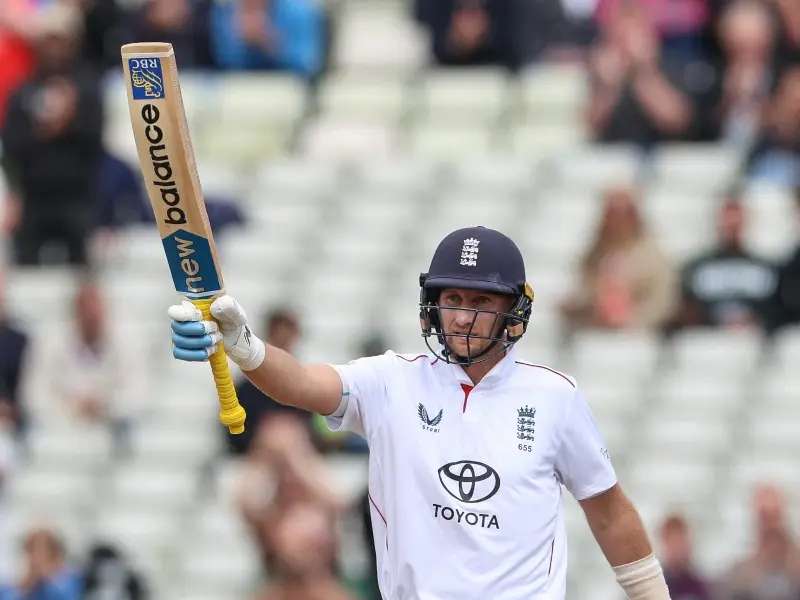)
ENG vs PAK: Joe Root breaks Sachin Tendulkar’s record for most Test fifties
)
Why does your skin need protection from UV rays?
)
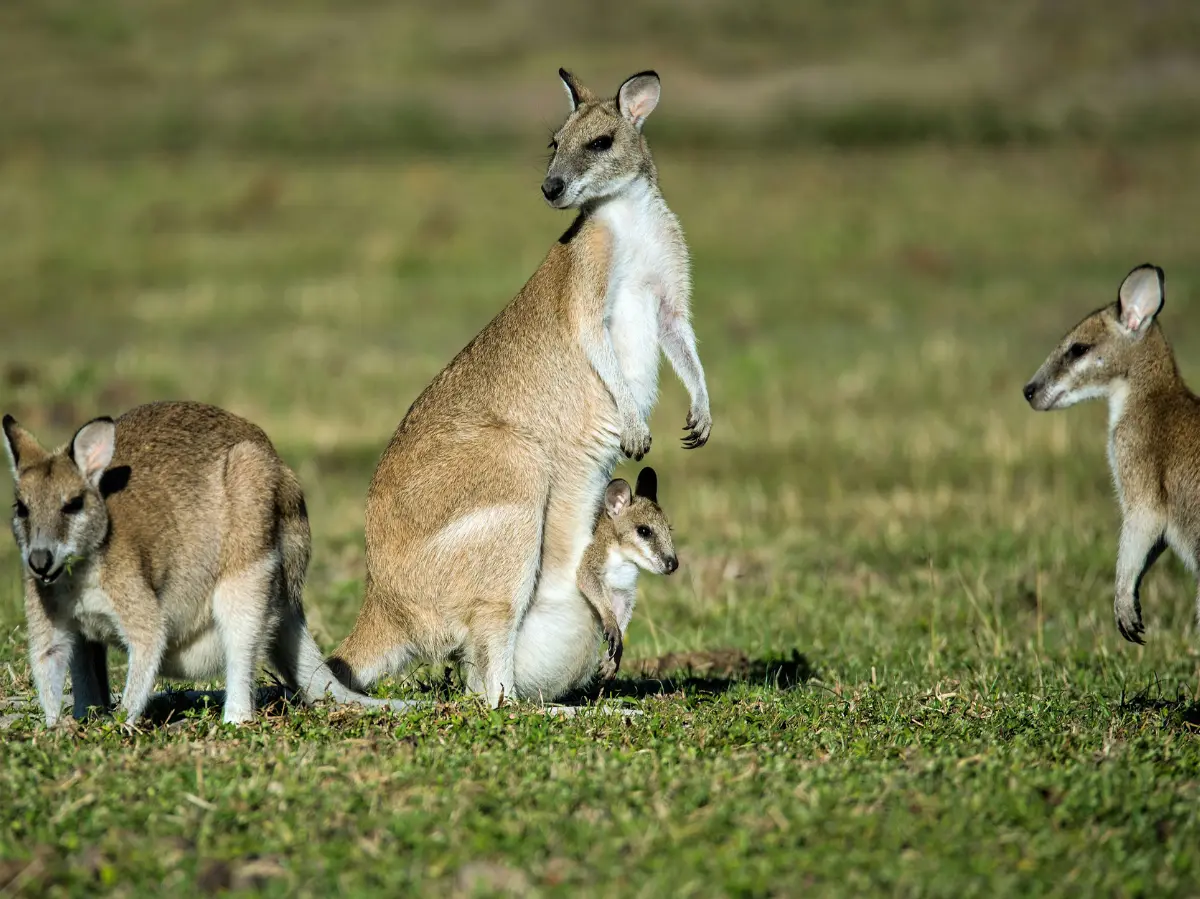
Why asking questions could be more important than memorising answers
)
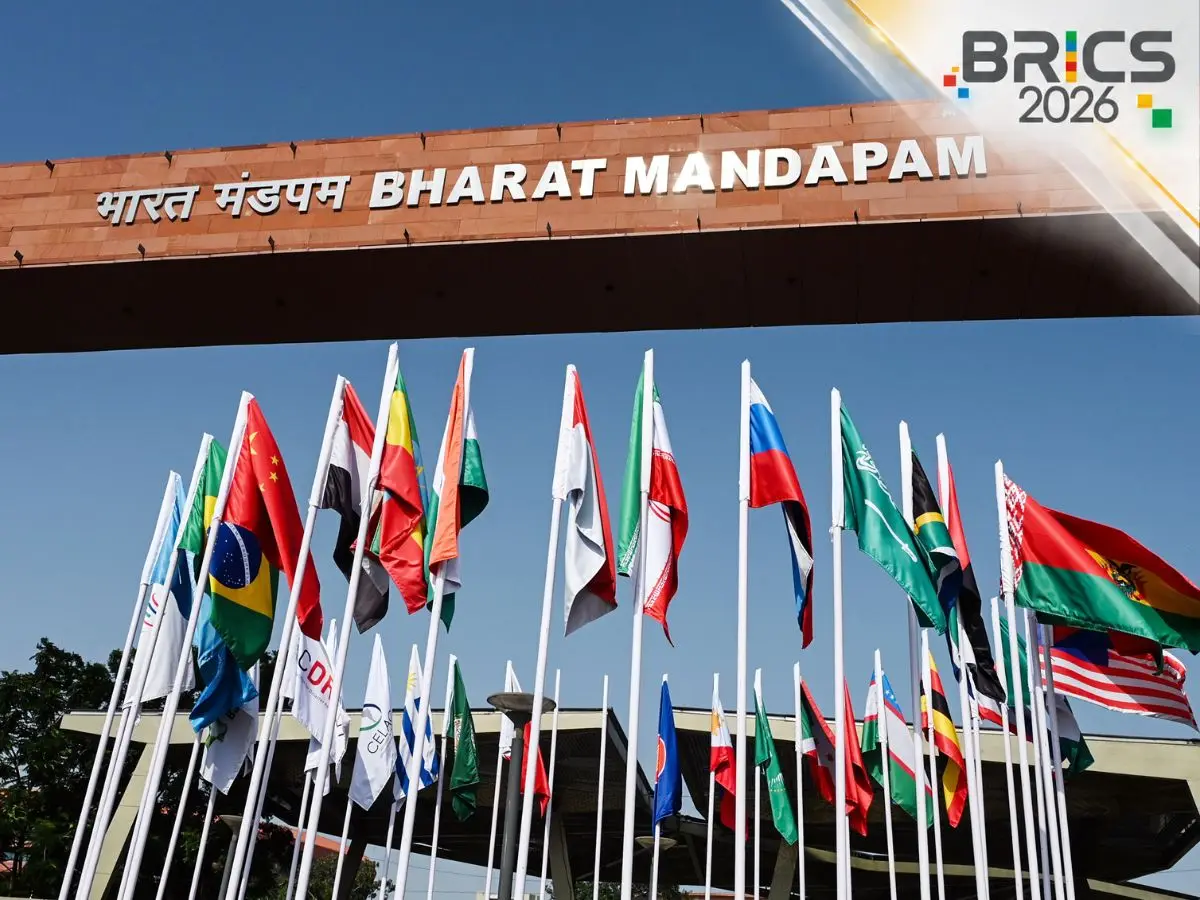
Why do wild animals need quiet places to survive?
)
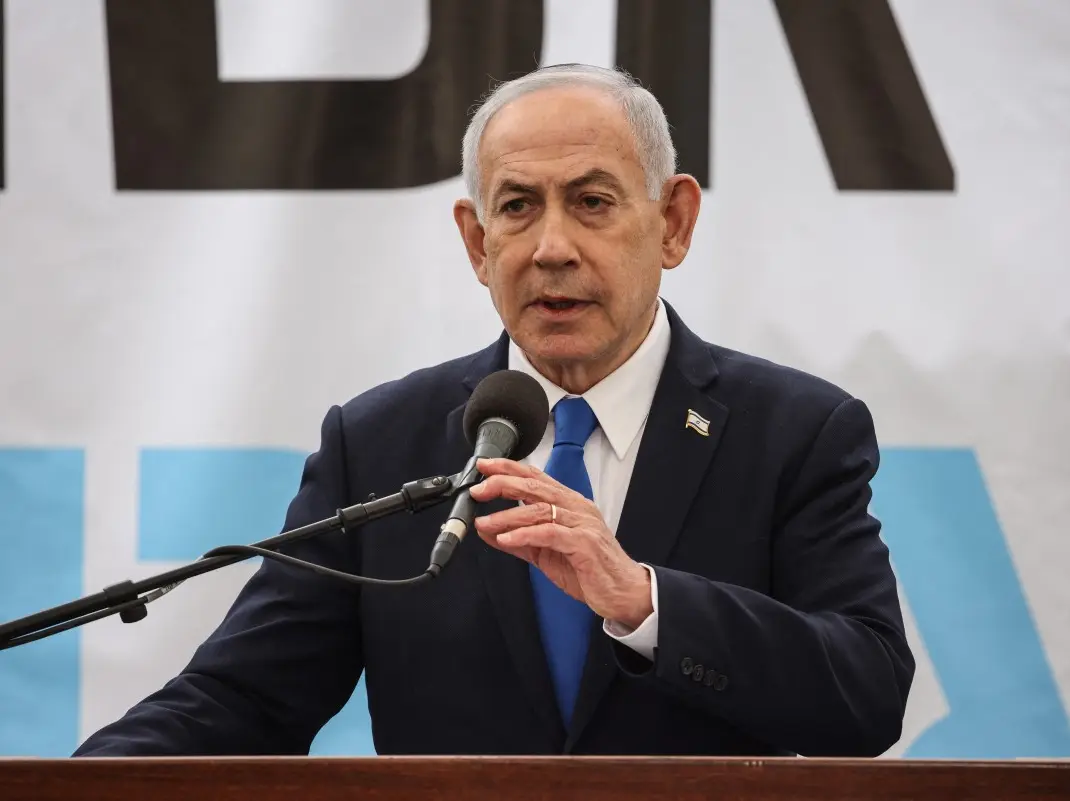
BRICS Summit 2026 full schedule: Day-wise agenda, timings and key issues - All you need to know
)
Israel spent nearly $470,000 on PM's hair, makeup since 2019, data shows
)
Trump says Canada eager to reach a deal, it could come ‘fairly soon’ if Ottawa treats US farmers better
)
800 million years old - Scientists discover 'fingerprints' of supercontinent Gondwana in ancient rocks
)
From drones to KAAN fighters: Turkey outlines 229% surge in defence spending amid regional shifts
)
From severe mobility problems to recovery: Madhuri the elephant’s journey of wildlife care
)
'Iran won't surrender': Pezeshkian sends blunt message to US while attending BRICS Summit in India
)
BRICS Summit day 1: New Delhi declaration adopted with full consensus, big diplomatic win for India
)
Frustrated man demolishes his kitchen after thousands flock to see Mother Mary his wife spotted on the wall
)
From India, Putin warns Europe against sending troops to Ukraine, Zelensky expresses willingness to meet him at G20 Summit
)
Why does your body need time to adjust after a long journey?

