
&imwidth=800&imheight=600&format=webp&quality=medium "Why don’t women trust public toilets in India? Experts reveal shocking reasons")
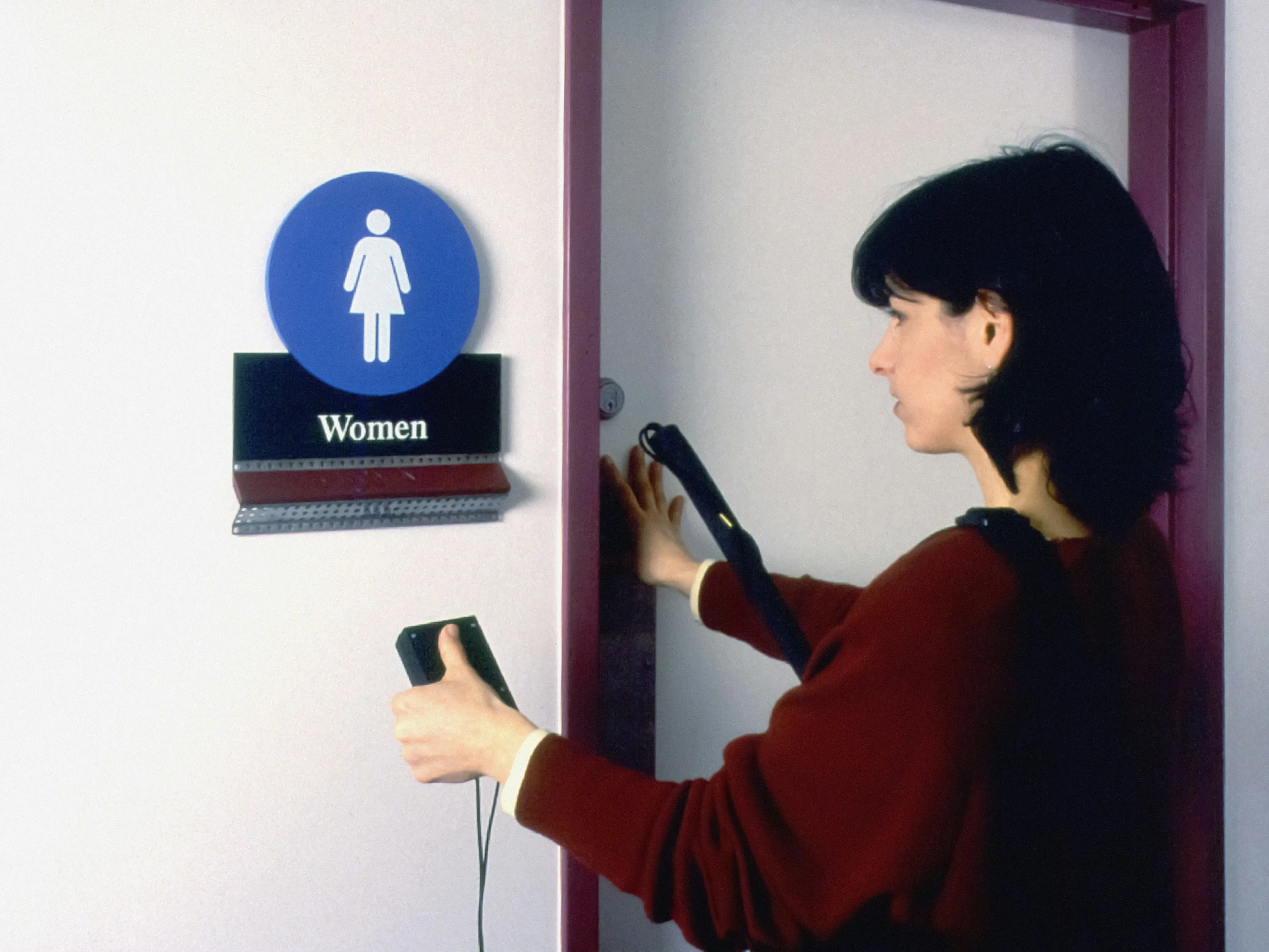
Women across India continue to avoid public toilets due to persistent concerns over hygiene, safety, design and inadequate facilities. These factors lead many women to avoid using public toilets, sometimes holding their bladder for long periods or even abstaining from food and drink when away from home.
The main reason women avoid public toilets is due to the presence of unhygienic conditions, such as soiled toilet seats, urine on the floor, bad smells, and overall lack of cleanliness. Many facilities have inadequate cleaning schedules and a lack of proper maintenance staff.
Other factors include feelings of insecurity due to inadequate lighting, broken locks, male caretakers or individuals loitering near women's facilities, and the risk of harassment or violence. Some women feel safer visiting public restrooms in pairs or groups.

Experts underline urgent need for better infrastructure, maintenance
Explaining the issue, Ashima Sharma, Research & Development Lead at Pee Safe, pointed to cleanliness as the biggest deterrent. "Women often are afraid to use public toilets due to the frequently raised issues related to cleanliness and safety. Unclean toilets remain the biggest deterrent, with soiled seats, wet floors, unpleasant odours, and improper disposal of sanitary waste creating both health worries and psychological discomfort," Ashima Sharma said.
Sharma added that safety concerns further compound the problem and stressed that rebuilding trust would require both systemic and personal solutions. "Safety is also a concern for women. This is due to factors such as a lack of lighting, remote locations, and the attendance of male staff members. Public restrooms also do not take into consideration the hygiene and comfort of women. There is also a scarcity of facilities for women and a lack of facilities such as soap, toilet paper, functioning locks, and sanitary bins. Improving trust requires practical solutions such as regular cleaning schedules, better lighting, and female attendants. Personal hygiene tools like toilet seat sanitisers, disposable seat covers, portable jet sprays, and female urination devices can also help women use public commodes with greater confidence and comfort," She added.
Trending Stories
&im=FitAndFill=(700,400))
How fast can the Sukhoi Su-30 fighter jet really fly?
)
South Korea plans for military deployment in Strait of Hormuz amid US pressure
)
Nigerian Navy discovers 99,000 litres of suspected stolen, illegally refined products as it intensifies anti-crude oil theft operations
)
Who is Aditi Paudel? 17-year-old becomes Japan's first literacy ambassador
&im=FitAndFill=(700,400))
Why US tanks can spin their heavy turrets much faster than Russian tanks
)
Man pushes Russian humanoid robot. Watch what happens next
)
US Open 2026: Auger-Aliassime out but Swiatek, Osaka, and Gauff advance into third round
)
Nobel laureate Machado says Venezuela’s ‘illegitimate’ regime has no right to strike US oil deal
)
The Verdict: Peace for Iran, pressure on Afghanistan: Pakistan’s contradictory diplomacy
)
Netherlands shifts 86 tonnes of gold reserve to UK citing geopolitical risks
)
Kenya vs Tata Chemicals: Why President William Ruto ordered company to stop operations
)
Breaking | Vance takes the podium: First White House briefing since Leavitt's exit
)
Indian agencies uncover hawala, shell firms and fake trade used to hide illicit money, FATF says
)
Inside Iran's shadow fleet: How Tehran dodges the US blockade at sea
)
Bangladesh batter Towhid Hridoy creates history with 350 not out in South Africa
)
China detains 52 Singaporeans over alleged pyramid schemes; Beijing denies arrest
&im=FitAndFill=(700,400))
Krishna Janmashtami 2026: From Dhaniya Panjiri to Makhana Kheer- 5 best sweet dishes perfect for celebrating Lord Krishna’s birth
)
ISRO stages comeback with GSLV-F17/EOS-05 success; targets six more launches
)
Lollapalooza India 2027: From Olivia Dean to KATSEYE, check full lineup, dates and tickets
)
‘I wouldn’t call it a war,’ says JD Vance on ongoing conflict with Iran
)
Iran's army conducts drone & missile attack on US bases
)
Volkswagen to cut 50,000 more jobs, 100,000 roles to be eliminated by 2030
)
Happy Krishna Janmashtami 2026 wishes: 30+ messages, quotes, greetings, and WhatsApp status ideas to share
)
Husband uses secret camera to record wife’s affair, wins divorce case, ends up in jail for spying
)
Suvendu Adhikari threatens to cut school aid over refusal to sing full Vande Mataram
)
At least 2 killed in Minneapolis shooting, suspect also dead
&im=FitAndFill=(700,400))
Why Russian fighter jets use bulky, low-pressure tyres compared to US jets
&im=FitAndFill=(700,400))
Why US tanks weigh over 20 tons more than Russian tanks
)
NATO troops gather in Arctic, Russia threatens nuclear retaliation
)
Manipur violence: 25 houses torched in Manipur’s Kangpokpi a day after 10 homes were burnt along Imphal-Tamenglong road
&im=FitAndFill=(700,400))
New Friday OTT releases (September 4, 2026): GDN, Dhamaal 4, Jagamae Sangeetham- Watch 6 new movies and TV shows on Netflix, Prime Video and more
)
Iran attacks US bases in Kuwait & UAE, supersecret missile project in focus | Gravitas
)
Killing the Himalayas slowly: Human urine is melting a glacier on Mount Everest
Echoing similar concerns, Prachi Kaushik, Founder and Director of Vyomini Social Enterprise, highlighted how multiple factors collectively discourage women from using public toilets. She stated that many women hesitate to use public commodes due to a mix of hygiene, safety, and comfort concerns.
Some key reasons include:
- Poor Sanitation and Maintenance – Public toilets are often unclean, with wet floors, broken flushes, or a lack of running water. This creates a perception that they are unsafe for health.
- Fear of Infections – Women are more prone to urinary tract infections (UTIs) and other hygiene-related issues, so they avoid using toilets that appear unhygienic or poorly maintained.
- Lack of Privacy – Many public toilets lack proper locks, doors, or partitions, making women feel unsafe or exposed.
- Safety Concerns – In some areas, public toilets are located in isolated spots or lack security, raising fears of harassment or assault.
- Inadequate Facilities – Absence of sanitary bins, soap, toilet paper, or menstrual hygiene disposal options discourages use.
- Social Stigma and Discomfort – Cultural taboos around menstruation and sanitation make some women hesitant to use public facilities, especially if they are not women-only spaces.
- Design Neglect – Many public toilets are designed without considering women’s specific needs, such as space for changing pads, managing children, or ensuring cleanliness.
"Addressing these issues through better design, maintenance, and awareness can significantly improve women’s trust in public sanitation infrastructure," Prachi Kaushik further said.

