

Lionel Messi's remarkable 2026 FIFA World Cup journey ended in heartbreak after Argentina fell 1-0 to Spain in the final. The defeat not only denied Messi a second World Cup title but also likely marked his final appearance on football's biggest stage. Messi, who turned 39 in June, would be 43 by the time the 2030 FIFA World Cup begins, making another appearance increasingly unlikely for the Argentine legend.
Heading into the final, Messi had enjoyed another outstanding tournament. He finished with 21 career FIFA World Cup goals before France's Kylian Mbappe overtook him by scoring twice in the third-place playoff to reach 22 goals. At the 2026 FIFA World Cup, Messi inspired Argentina's run to the final with eight goals and four assists. Only Mbappe had a better attacking return, registering 10 goals and four assists. However, Messi was unable to add to his tally in the final, managing just 15 touches in the first half and 54 throughout the match as Spain's disciplined defence kept him quiet.
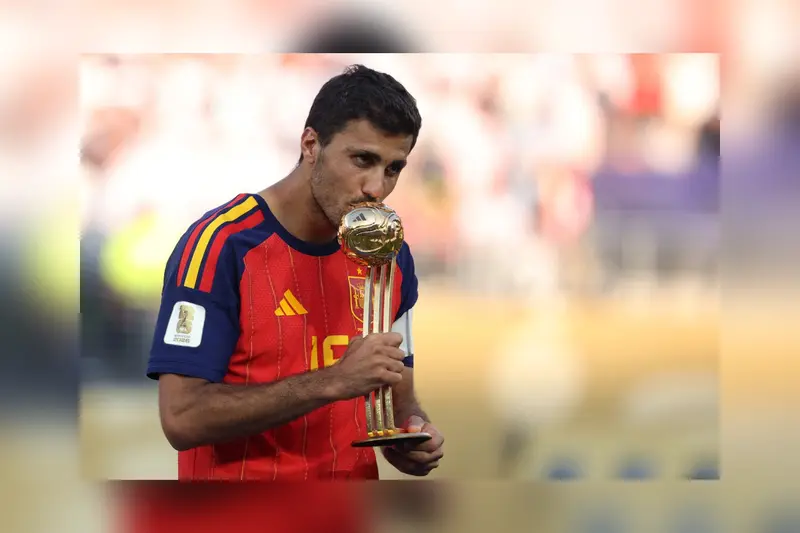
Messi misses out on Golden Ball
Many believed Messi was the strongest candidate to win a record-extending third FIFA World Cup Golden Ball after claiming the award in 2014 and 2022. Throughout the tournament, Messi repeatedly delivered when Argentina needed him most. He scored crucial goals, including during Argentina's comeback against Egypt in the Round of 16, and produced decisive assists against England in the semifinal. Trailing until the 84th minute, Argentina turned the match around after Messi created goals for Enzo Fernandez and Lautaro Martinez within seven minutes. Despite those performances, the Golden Ball was awarded to Spain captain Rodri.
Why Rodri won the Golden Ball
Trending Stories
&im=FitAndFill=(700,400)&imwidth=180&imheight=135&format=webp&quality=medium)
What is the real meaning behind Pete Hegseth's tattoos?
&imwidth=180&imheight=135&format=webp&quality=medium)
Gravitas | People who nap frequently have 48% higher risk of developing dementia: Study
&imwidth=180&imheight=135&format=webp&quality=medium)
Man marries off wife of 17 years to her lover in Uttar Pradesh
&imwidth=180&imheight=135&format=webp&quality=medium)
Boeing 737 MAX10 gets FAA certification, deliveries expected to begin in 2027
&imwidth=180&imheight=135&format=webp&quality=medium)
Shastri backs Shami comeback; lauds Bhuvi and warns Bumrah on format workload ahead of World Cup
&imwidth=180&imheight=135&format=webp&quality=medium)
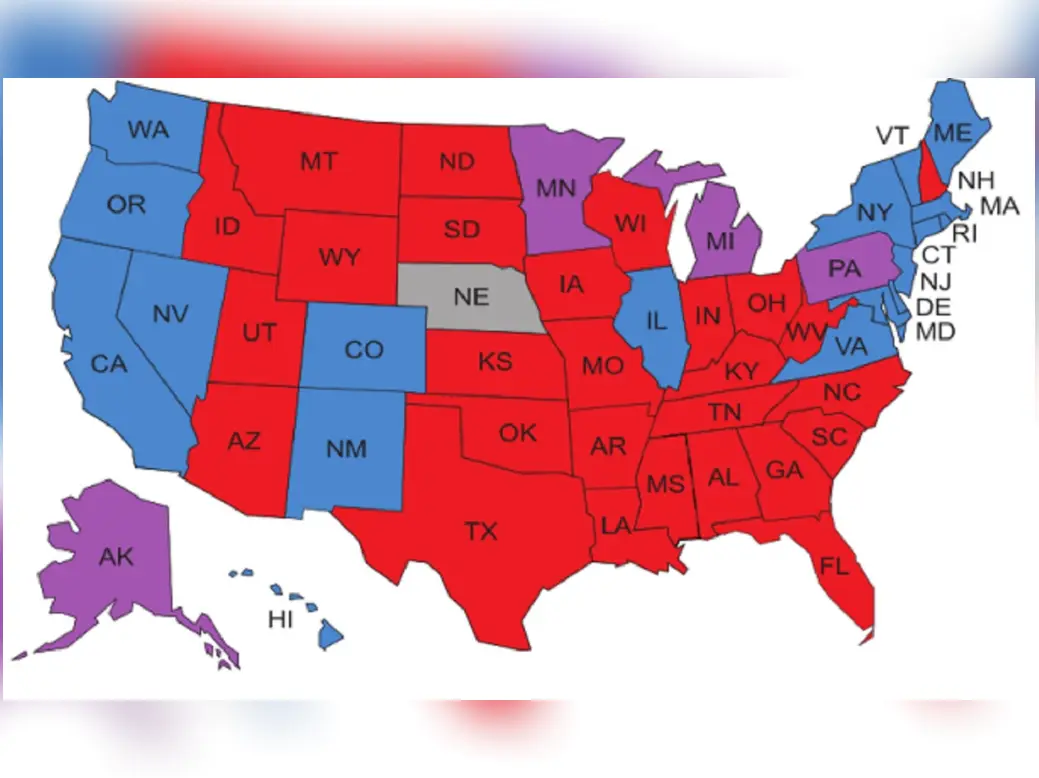
US midterms 2026: Red seats once deemed safe now appear shaky as Republicans spend big on ads
&imwidth=180&imheight=135&format=webp&quality=medium)
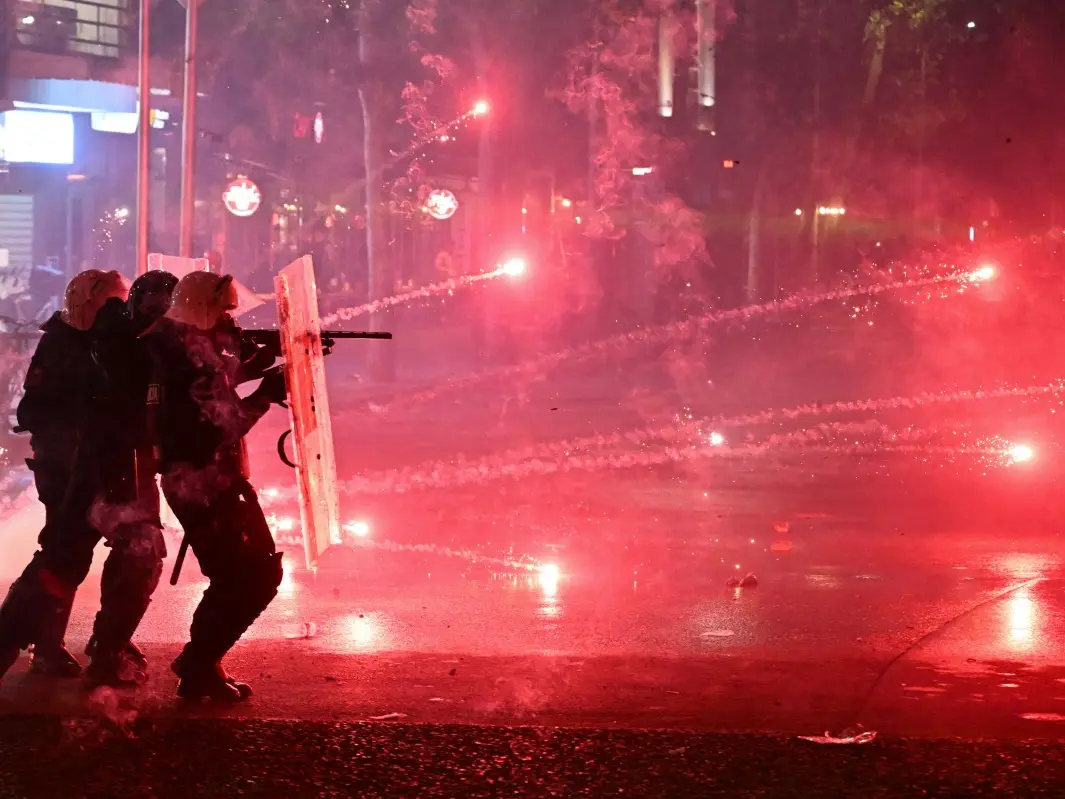
WATCH | Albania protesters set Supreme Court on fire as anti-Rama riots escalate
&imwidth=180&imheight=135&format=webp&quality=medium)
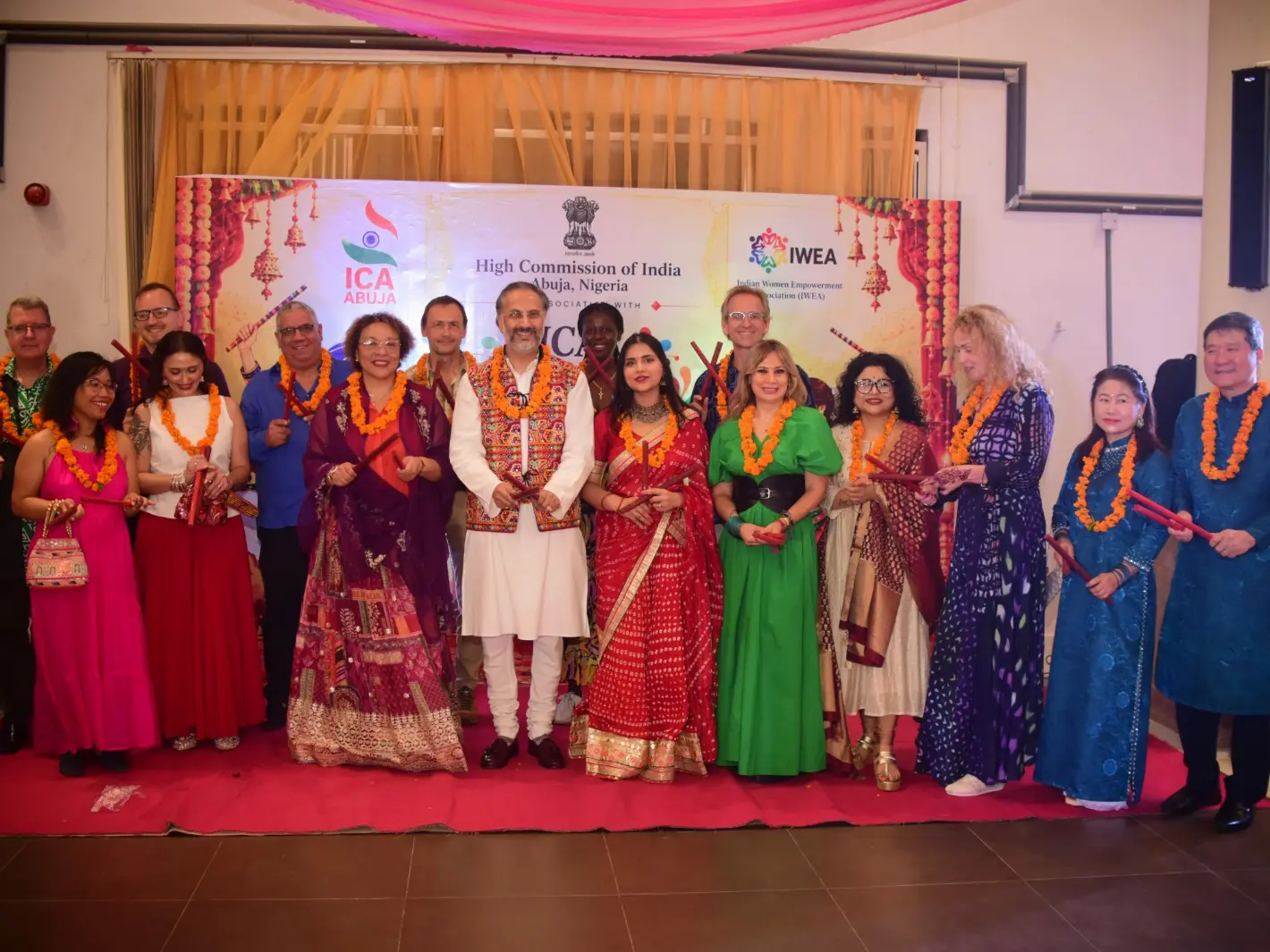
Dandiya Nite ’26: Indian High Commissioner hails diaspora as bridge between India and Nigeria
&imwidth=180&imheight=135&format=webp&quality=medium)
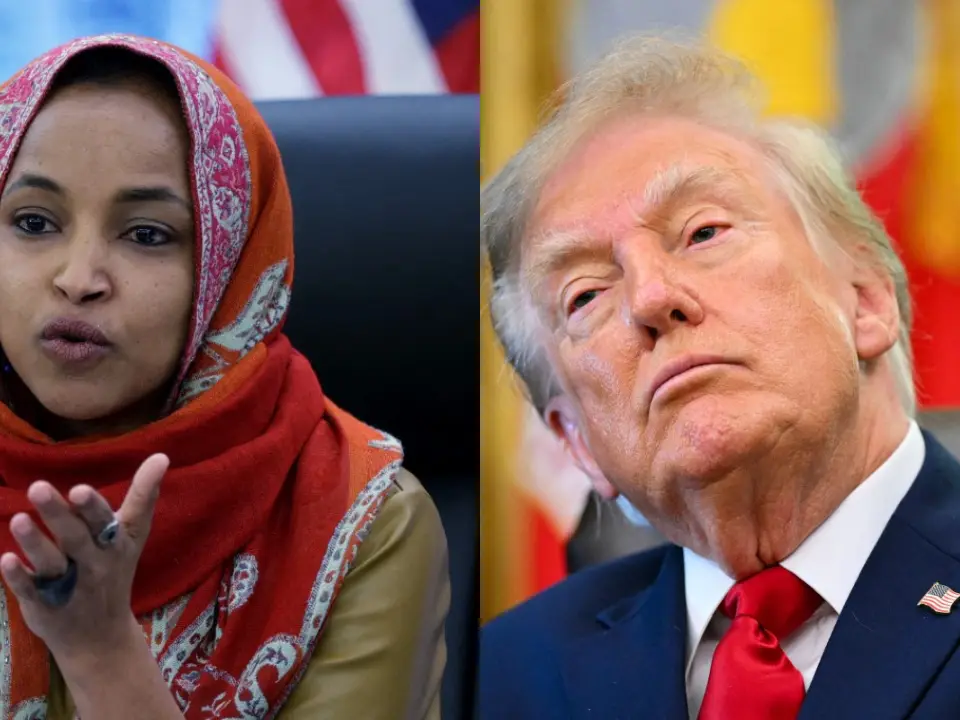
Trump says Ilhan Omar 'could go to jail' amid federal probe, calls Somalia a 's***house'
&imwidth=180&imheight=135&format=webp&quality=medium)
Punjab CM Bhagwant Mann allegedly detained for three hours at Delhi airport, fined ₹50,000: AAP
&imwidth=180&imheight=135&format=webp&quality=medium)
What the Mecca Joint Defence Agreement says about withdrawal and military support. Read full text of the pact here
&imwidth=180&imheight=135&format=webp&quality=medium)
Musk ordered Starlink restrictions that caught Ukraine off guard amid escalating tensions: Report
&imwidth=180&imheight=135&format=webp&quality=medium)
Far-left parties, global networks among 54 groups linked to France protests, only 16 are youth outfits: Report
&imwidth=180&imheight=135&format=webp&quality=medium)
Trump calls Le Pen France’s ‘conservative voice’ after riots, but holds back on endorsement
&imwidth=180&imheight=135&format=webp&quality=medium)
Trump considers removing White House press corps to restore historic indoor swimming pool
&imwidth=180&imheight=135&format=webp&quality=medium)
Tiger Shroff firing incident: Four arrested in arms supply probe, two women allegedly sent weapons to Mumbai
&im=FitAndFill=(700,400)&imwidth=180&imheight=135&format=webp&quality=medium)
Priyanka Chopra to Shilpa Shetty: 6 Bollywood actresses and their fitness secrets
&imwidth=180&imheight=135&format=webp&quality=medium)
'US will never part with niche technology' former IAF assistant chief on India's fighter jet ambitions
&imwidth=180&imheight=135&format=webp&quality=medium)
Pujara says 'Samson and Vaibhav cannot be in Playing XI' for India on NZ tour
&imwidth=180&imheight=135&format=webp&quality=medium)
'What's wrong with you? Are you a sick person?': Trump at it again as he snaps at reporters, faces backlash
&imwidth=180&imheight=135&format=webp&quality=medium)
Over 100 US lawmakers urge FBI to probe foiled Hindu temple shooting as hate crime
&imwidth=180&imheight=135&format=webp&quality=medium)
Elon Musk will give away one SpaceX share to each American child. That comes to $10.5bn
&im=FitAndFill=(700,400)&imwidth=180&imheight=135&format=webp&quality=medium)
New OTT releases this week (October 19-25, 2026): Gajab Raat to Chaar Yaar-8 titles to watch during Dussehra week on Netflix, Prime Video and more
&imwidth=180&imheight=135&format=webp&quality=medium)
Trump says he wants Zelensky to 'make a deal' with Russia, asks Putin to release American prisoner Stephen Hubbard
&imwidth=180&imheight=135&format=webp&quality=medium)
The Verdict | Trump, Putin and Xi: A superpower triangle that could reshape global diplomacy
&imwidth=180&imheight=135&format=webp&quality=medium)
India moves to buy 10,000 more AI chips for a national compute pool open to startups
&imwidth=180&imheight=135&format=webp&quality=medium)
After France unrest, Italy tightens security amid violent protests in Milan
&imwidth=180&imheight=135&format=webp&quality=medium)
'They are not even telling us' - Mysterious metallic object discovered in Minnesota field
&imwidth=180&imheight=135&format=webp&quality=medium)
France protests: 'Block everything' movement escalates as public fury over austerity grows; over 200 arrested. Here's all you to need to know
&imwidth=180&imheight=135&format=webp&quality=medium)
Cattle-feed bran in biscuits, detergent in milk: FSSAI acts against 3 companies
&imwidth=180&imheight=135&format=webp&quality=medium)
US midterms 2026: With Republicans spending big, Bloomberg opens his wallet for Democrats. Here's how much he is pouring
&imwidth=180&imheight=135&format=webp&quality=medium)
PAK vs ENG: Arafat Minhas, Hasan Nawaz shine as Pakistan beat England by 87 runs
&imwidth=180&imheight=135&format=webp&quality=medium)
Iran rejects US talks until demands are met, rules out moving enriched uranium out of the country
&imwidth=180&imheight=135&format=webp&quality=medium)
Feds obtain DNA evidence that could prove Ilhan Omar married her brother: Report
&imwidth=180&imheight=135&format=webp&quality=medium)
Ramayana advance booking: Ranbir Kapoor, Yash's film cross $500K ahead of Diwali release
Rodri played a pivotal role in Spain's march to a second FIFA World Cup title after returning from an eight-month injury layoff caused by knee surgery. "For me, it's been a very tough time. I just want the new generation to see my example as proof that if you go down, you can rise again," he said. "This has been my philosophy throughout my life. Of course, sometimes things go well, sometimes things go wrong. But always stay positive."
Although Rodri did not score or register an assist during the tournament, his influence in midfield was unmatched. He completed a tournament-best 753 passes with an impressive 94 percent accuracy and was involved in 1,803 plays, nearly 200 more than any other player.
FIFA praised the Manchester City midfielder's impact on Spain's success. "The midfielder was a steady presence in the centre of the park for La Roja in their eight matches, helping them win their second global crown," FIFA wrote in a report. "His linking of defence with attack, timely interventions and pinpoint passing played a large role in Spain's conquest, not least in the 1-0 extra-time victory over Argentina in the final at New York New Jersey Stadium."
"In the decider, the 30-year-old completed 101 of 105 passes, won 80 per cent of his duels and created two chances. Across the whole tournament, meanwhile, his intelligent work supporting his defenders was one of the factors in Spain conceding just one goal in their eight matches."
Rodri's consistency, defensive awareness, passing accuracy, and leadership ultimately convinced FIFA's Technical Study Group to honour him as the tournament's best player, edging out Messi despite the Argentine captain's outstanding individual campaign.

