Why the F-22’s cockpit glass is thicker than a standard fighter jet

The F-22 Raptor uses a thicker, single-piece canopy made of polycarbonate and glass to eliminate the need for a structural canopy bow. This design ensures both pilot safety and stealth performance.
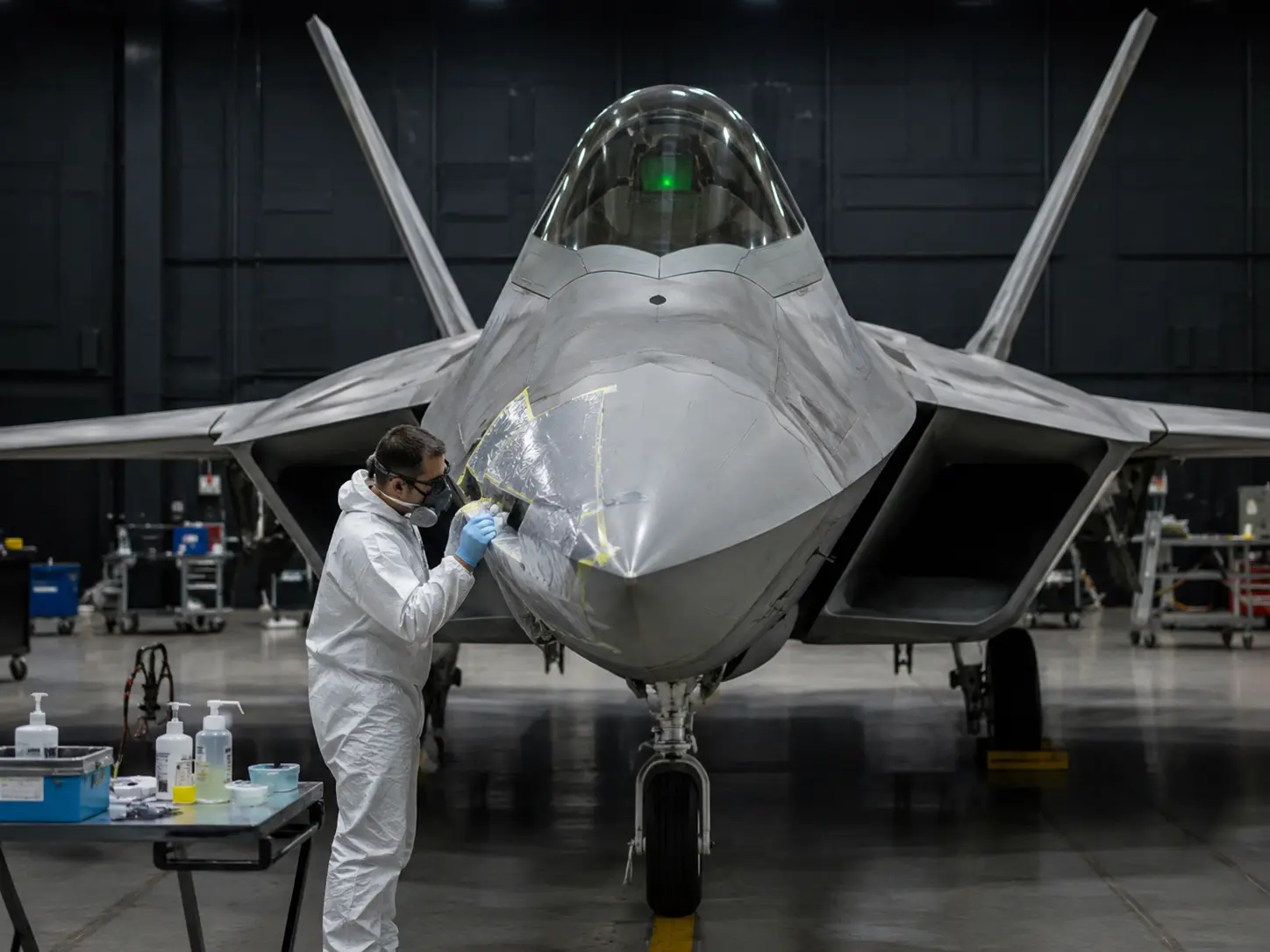
Frameless Canopy Design
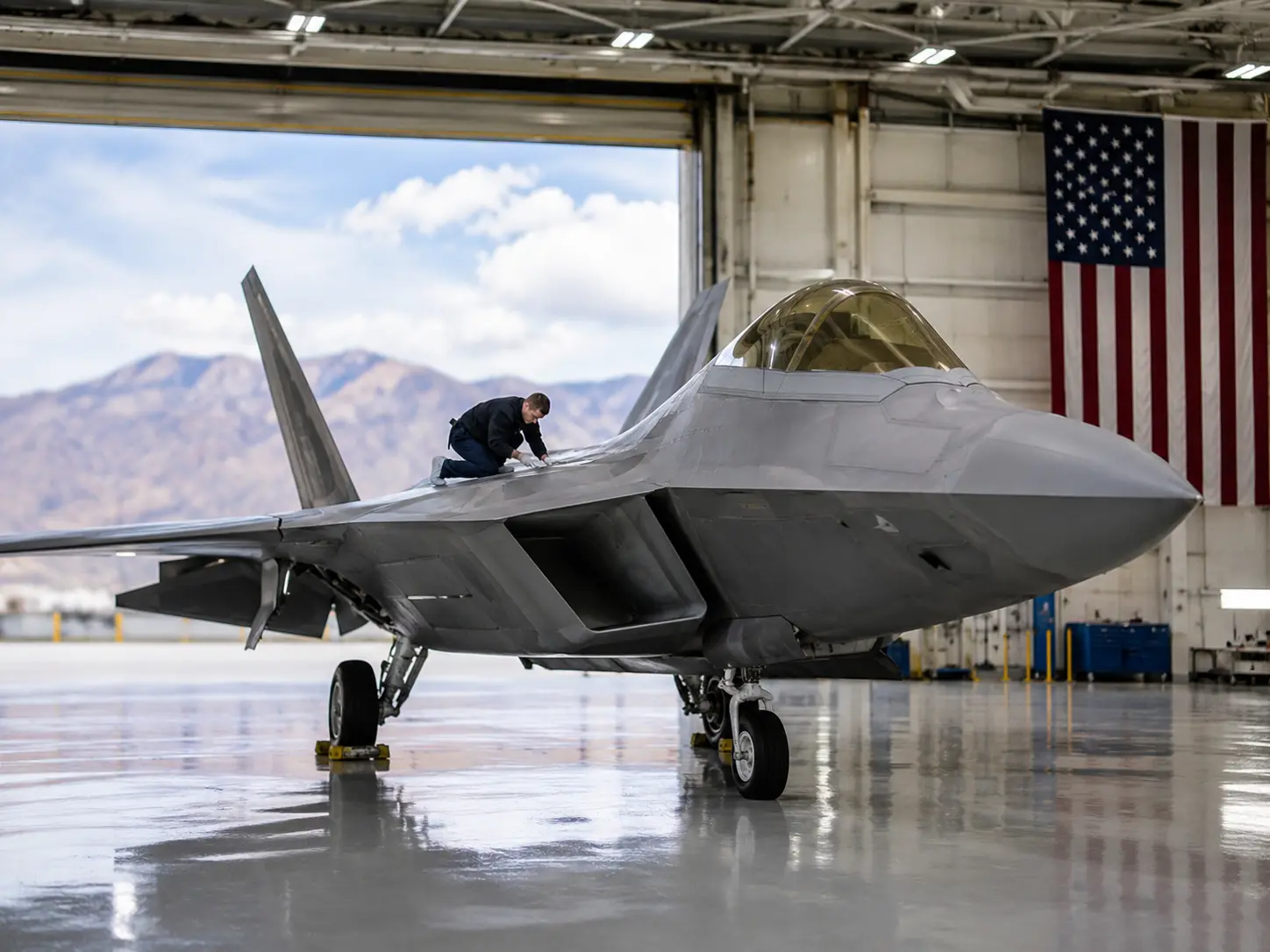
The F-22 Raptor utilises a seamless, single-piece bubble canopy that avoids the heavy structural frames found in many other fighter jets. By removing these metal obstructions, the design ensures the pilot enjoys an uninterrupted view of the entire sky for total situational awareness.
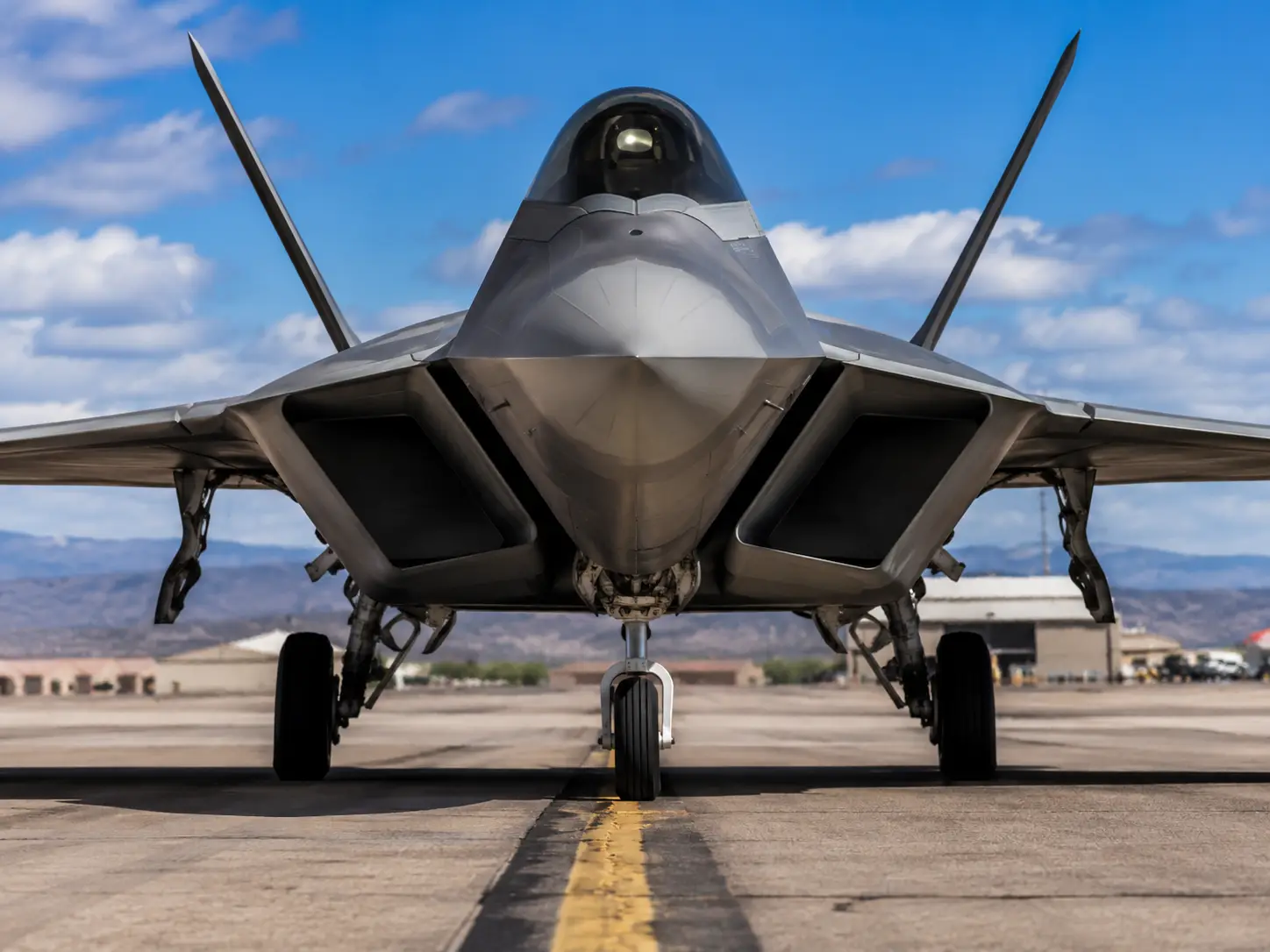
Increased Structural Thickness
Because the F-22 lacks a structural canopy bow to reinforce the front windshield, the entire canopy assembly is manufactured to be thicker and heavier to maintain structural integrity. This thicker composite structure, comprising polycarbonate and optical glass, provides the necessary strength to withstand flight stresses without internal supports.
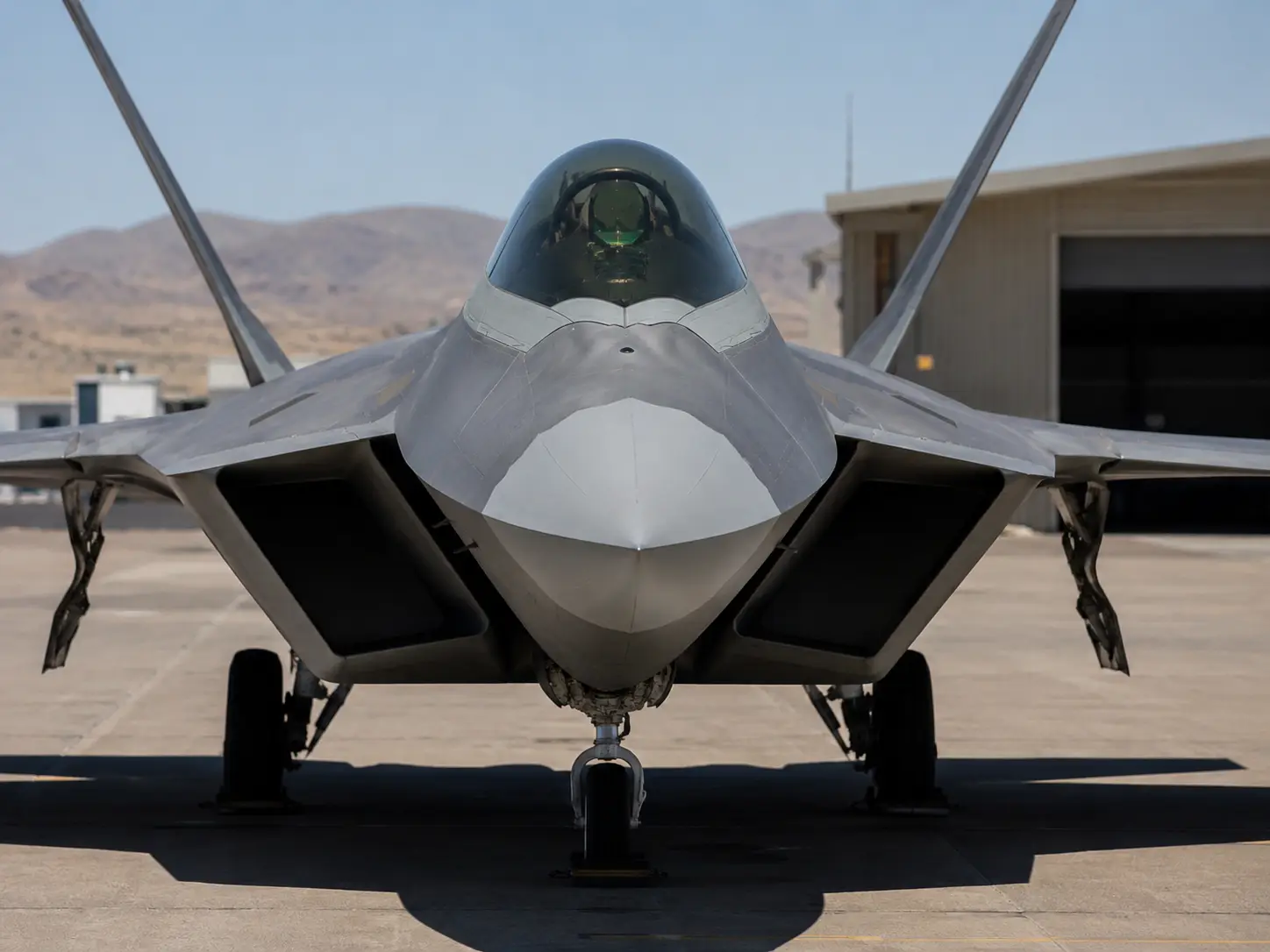
Superior Bird Strike Protection
Fighter jets face the constant risk of bird strikes, especially at high speeds. The F-22’s thicker, single-piece canopy is engineered to absorb the energy of such impacts without the need for an external metal frame, ensuring pilot safety during high-speed low-altitude missions.
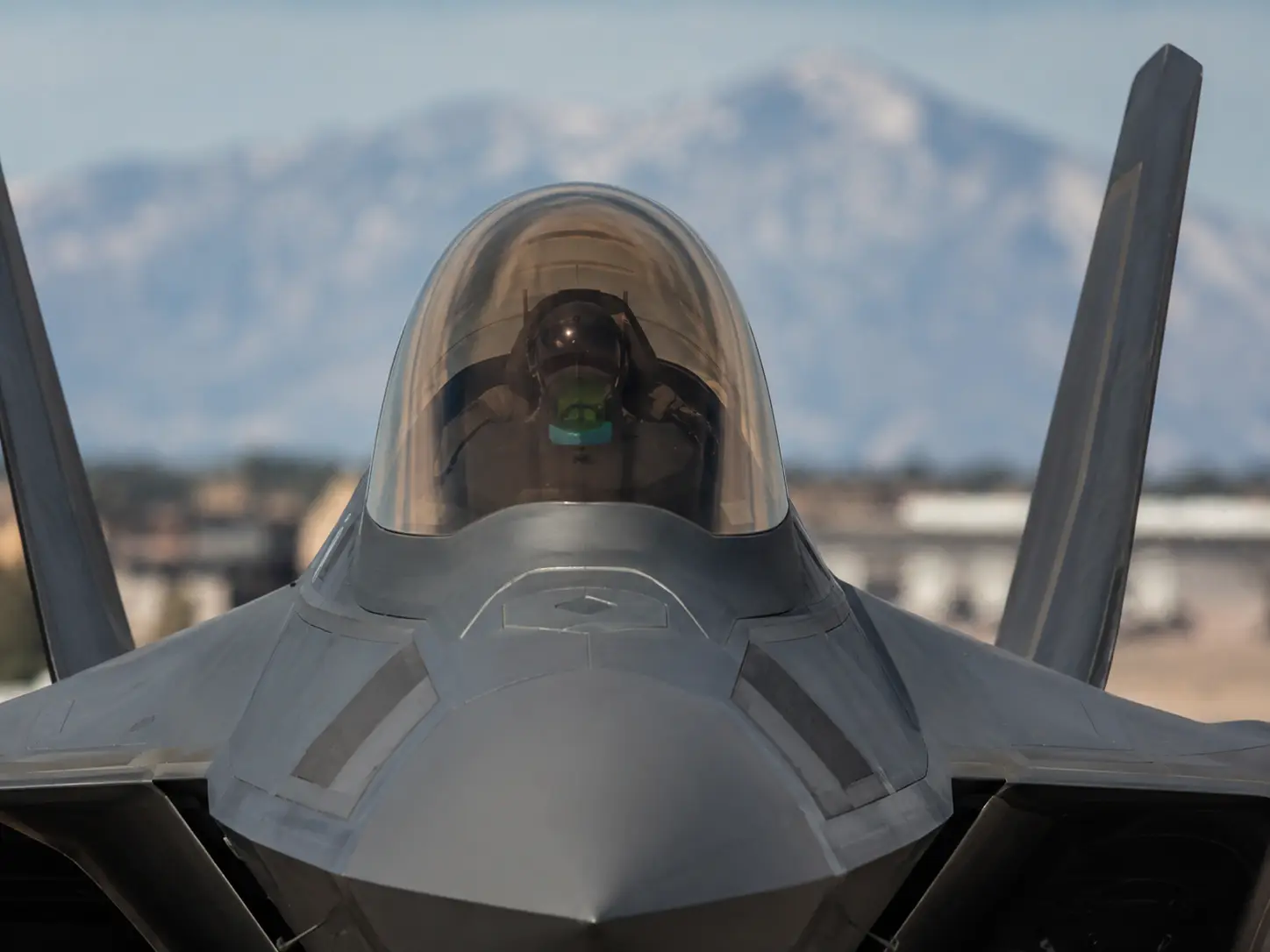
Optimised Stealth Coating
The canopy glass is infused with a microscopic layer of indium tin oxide (ITO) to manage the aircraft's radar signature. This conductive coating reflects radar energy that would otherwise bounce off objects inside the cockpit, ensuring the aircraft remains stealthy despite the large, transparent opening.
Advanced Material Engineering
The canopy is constructed from two sheets of polycarbonate sandwiched between layers of optical glass, which are fusion-bonded under high pressure. This complex layering creates a durable, high-strength shield that balances mechanical protection with the optical clarity required for modern air superiority missions.
)
)
)
)
)