Why the S-400 uses solid rocket fuel instead of liquid fuel

The S-400 uses solid rocket fuel for instant readiness and a 9-second response time. Solid propellant gives high thrust to hit 17,000 km/h speeds without complex plumbing.
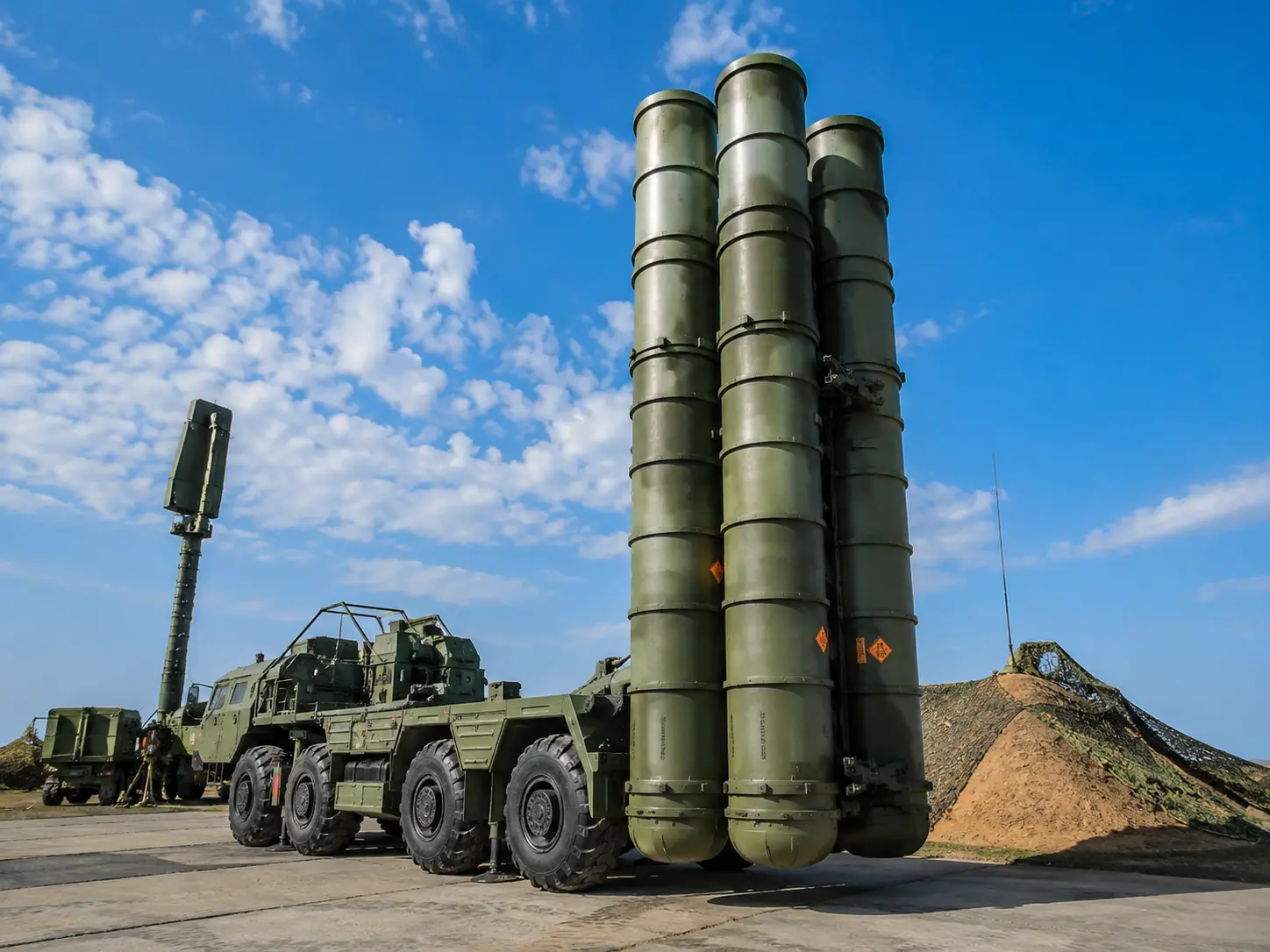
100 Per Cent Pre-Mixed Fuel
Solid rocket propellant uses a fuel and an oxidant mixed into a fine powder and pressed into a solid cake. This totally eliminates the need for dangerous fueling procedures right before a launch. The S-400 missile remains fully fueled and ready for combat at all times.
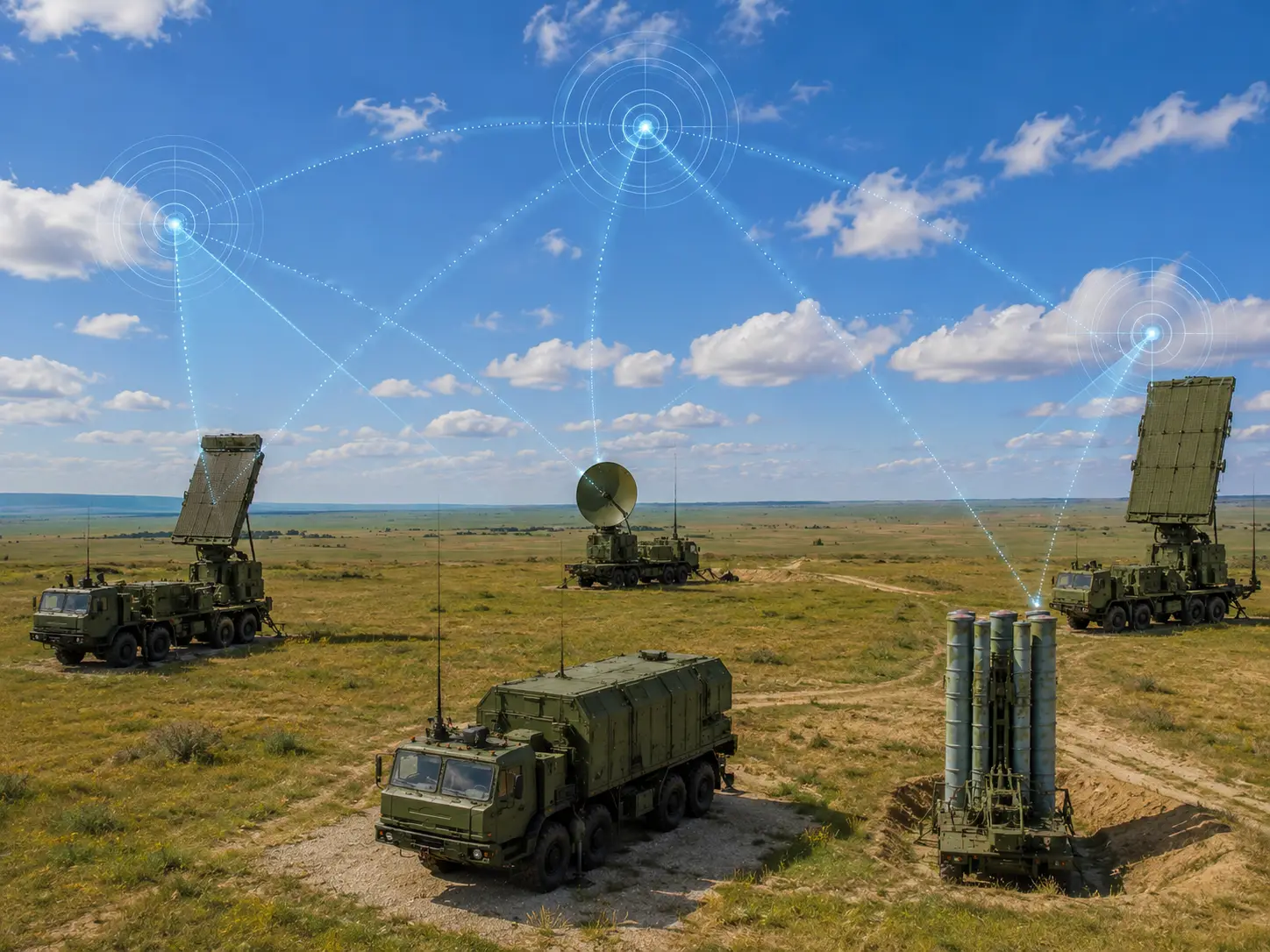
9-10 Second Response Time
Because the solid fuel is highly stable and already loaded, the S-400 does not waste time preparing its engines. This allows the air defence system to achieve an incredibly fast response time of just 9 to 10 seconds. It can engage sudden aerial threats almost immediately.
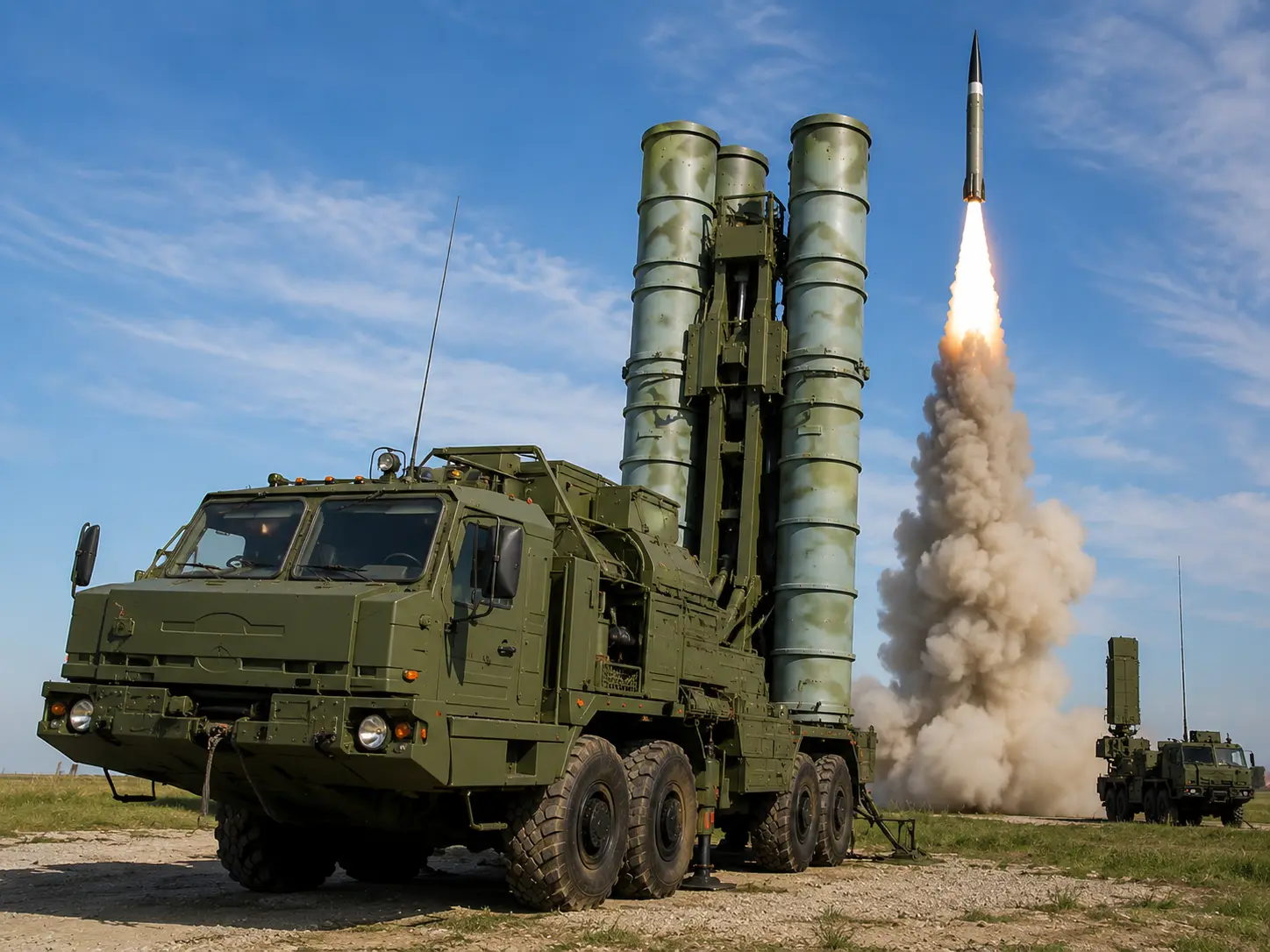
17,000 Km/h Intercept Speed
Solid-fuel rocket motors provide exceptional energy and rapid acceleration the very moment they are ignited. This immense thrust propels the S-400's interceptor missiles to extreme speeds of 17,000 km/h. It gives the system the power to easily catch fast-moving ballistic targets
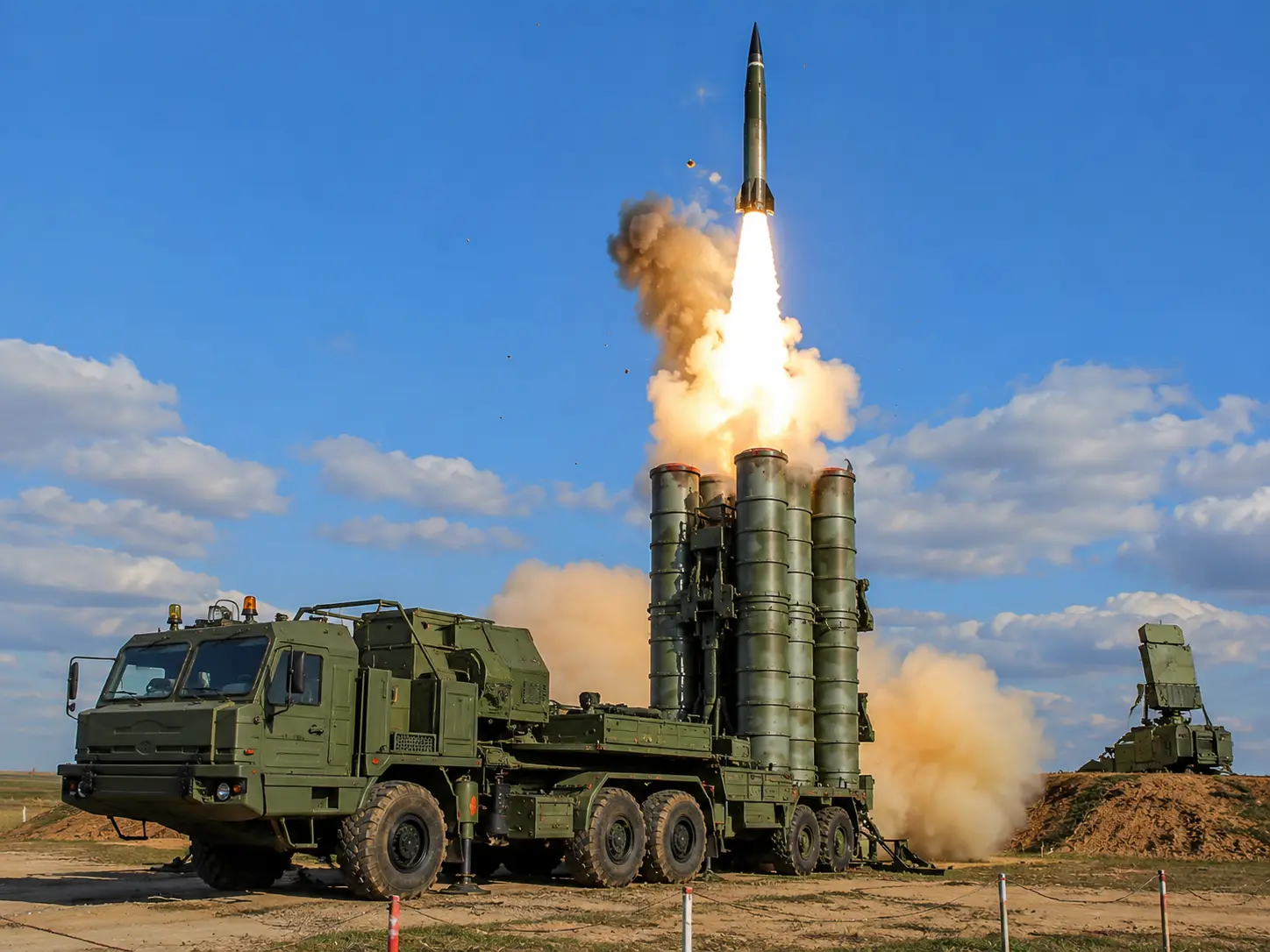
Zero Complex Moving Parts
Liquid rocket engines require a complicated network of valves, pumps, and plumbing to control the propellant. Solid fuel rockets completely eliminate these moving parts, as the fuel simply burns continuously once lit. This vastly increases the missile's reliability in active combat.
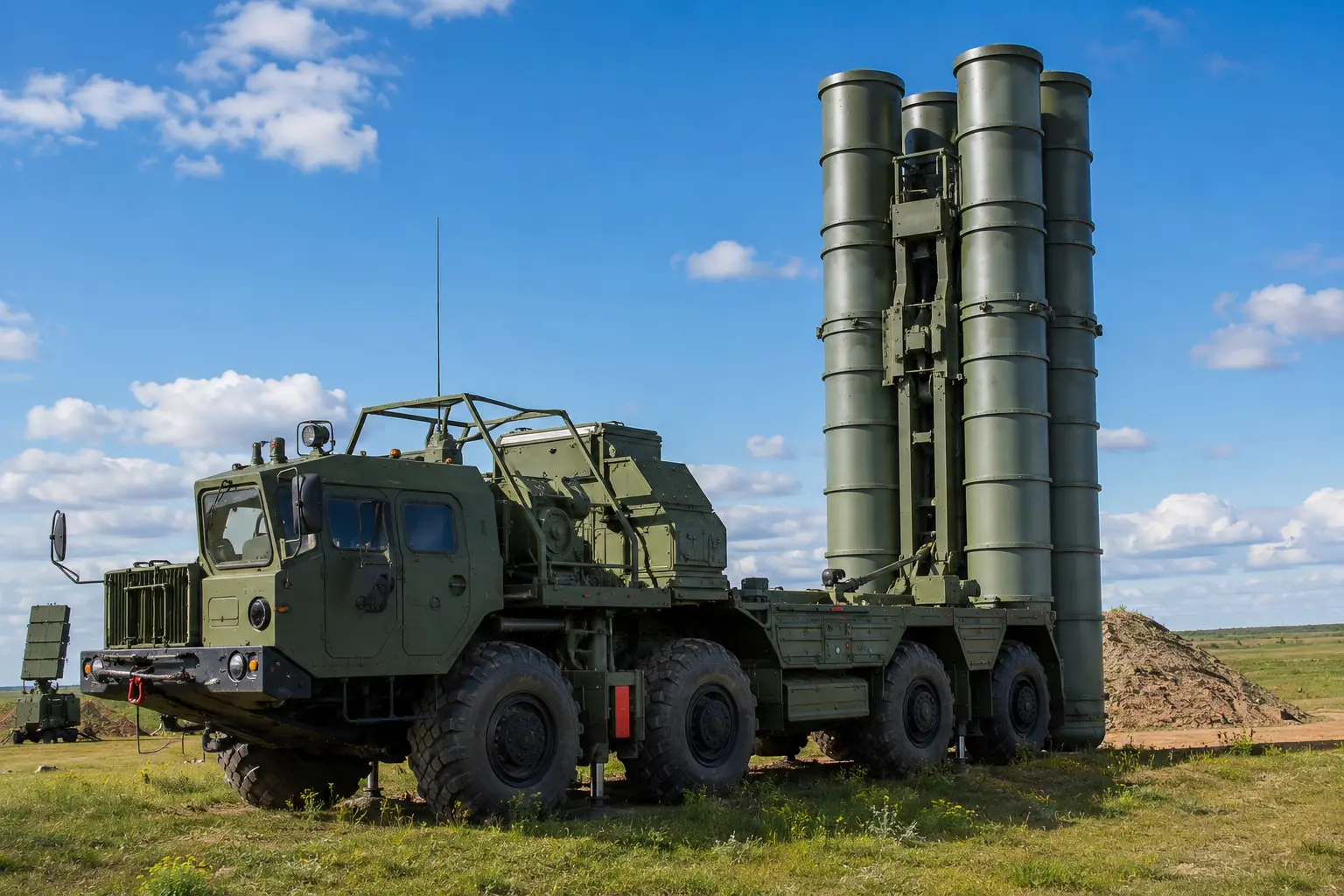
5-Minute Rapid Deployment
Liquid fuels can involve complex or toxic chemicals like hydrazine that are difficult to transport safely. The stable nature of solid fuel allows the heavy S-400 vehicles to navigate rough terrain without risk. The entire system can be set up and ready to fire in just 5 minutes.
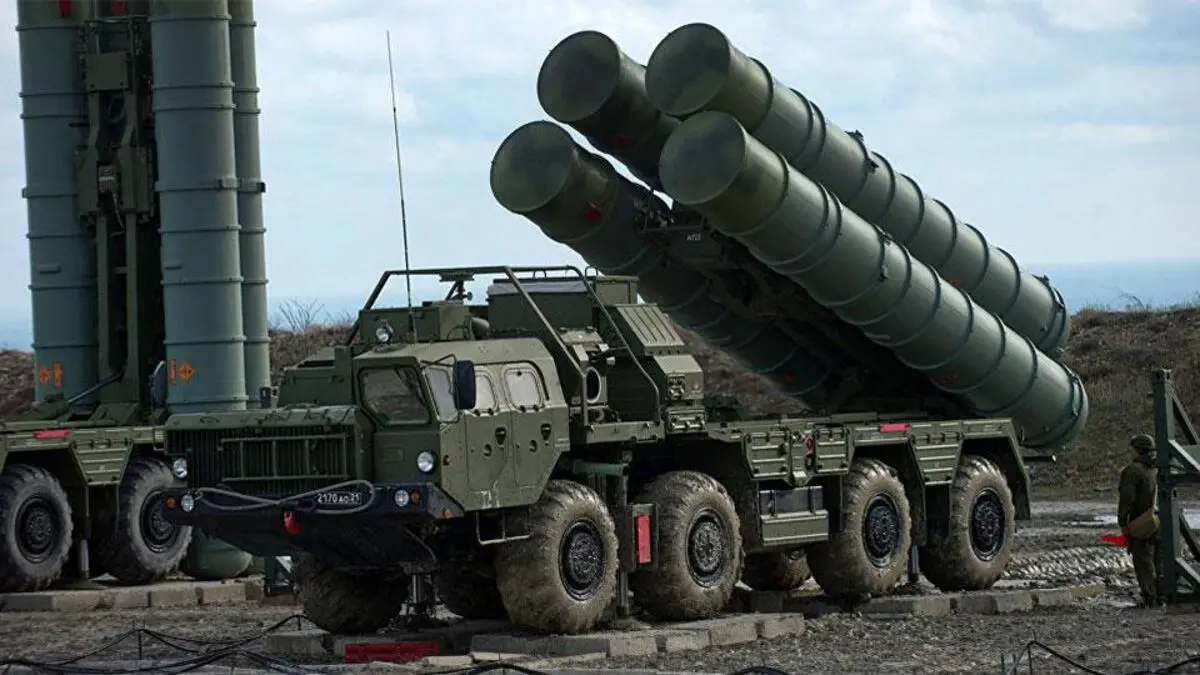
100 Per Cent Storage Stability
Solid propellants do not suffer from the corrosive leaks or temperature sensitivity associated with many liquid fuels. The missiles remain perfectly sealed inside their launch containers for years at a time. They require virtually no maintenance to stay fully operational in the field.
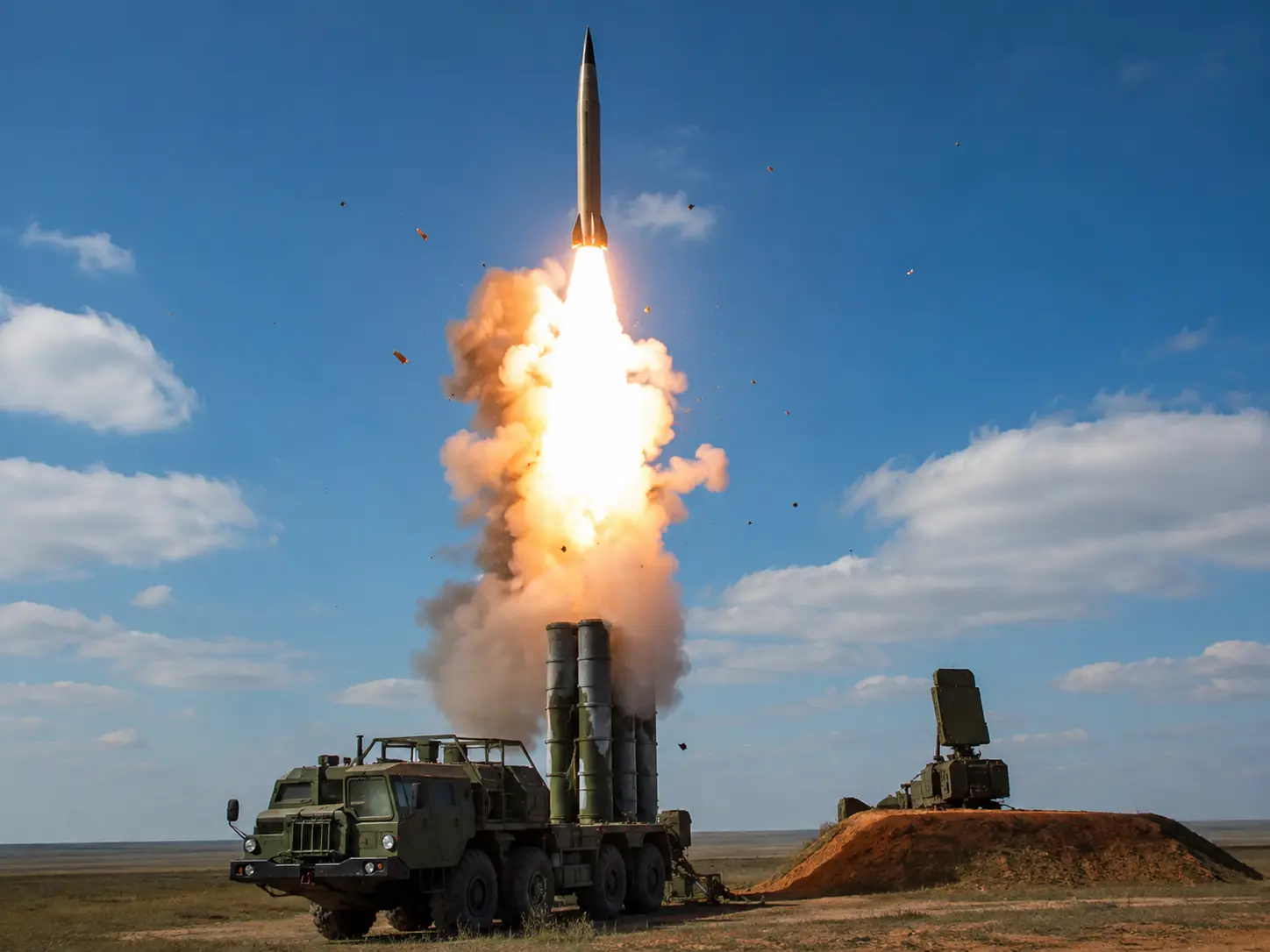
35 Km Altitude Interception
The large solid-fuel motor delivers sustained energy throughout the engagement to push the missile higher. This allows the S-400 to successfully intercept strategic ballistic missiles descending from the upper atmosphere. It can confidently destroy threats at altitudes up to 35 kilometres.
)
)
)
)
)