Can lasers replace missiles in the next air war?

While lasers offer a highly cost-effective way to destroy cheap drone swarms for under US$10 a shot, they face severe weather and range limitations. In future air wars, lasers will not replace missiles entirely but will instead form a vital layered defence to conserve ammunition.
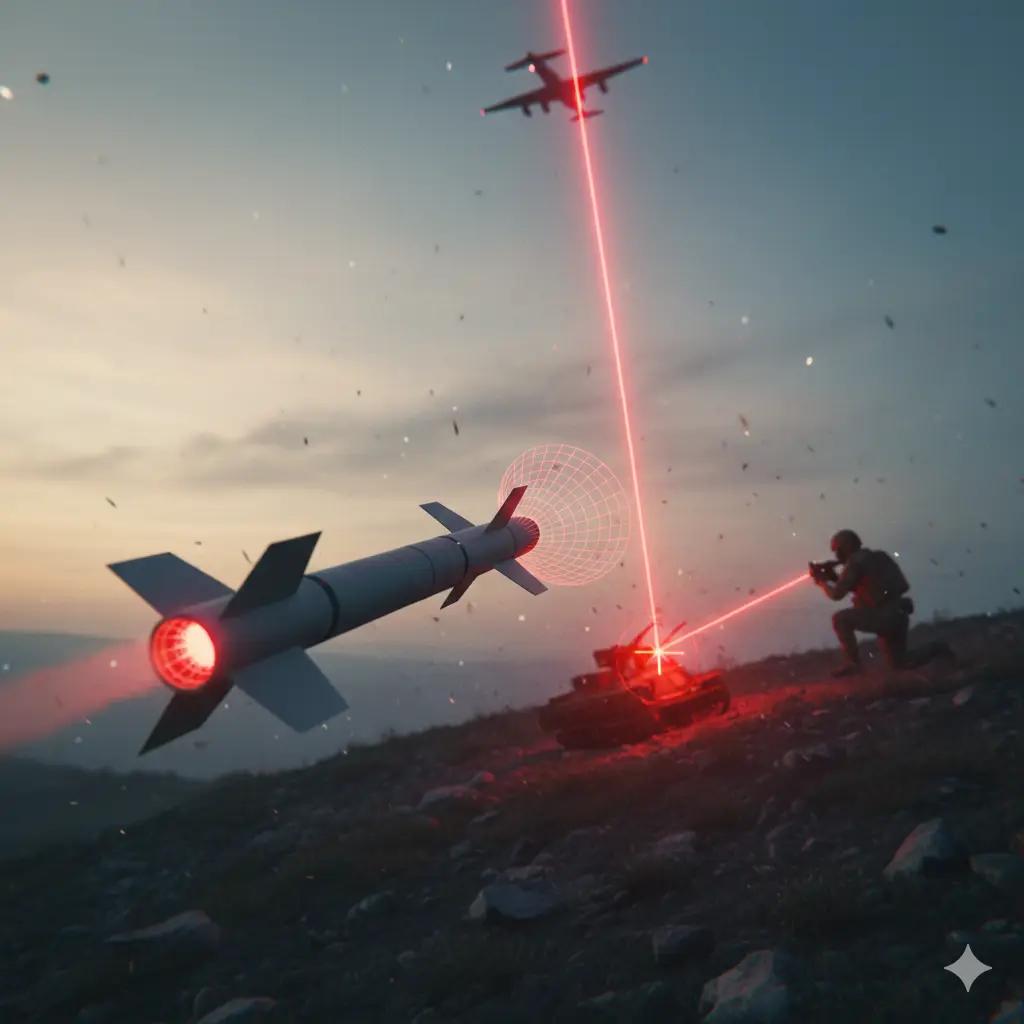
The Cost Dilemma
Global militaries face a severe financial imbalance when defending their airspace against massive drone swarms. Firing a US$3 million Patriot missile to destroy a US$20,000 loitering munition rapidly exhausts national defensive budgets.
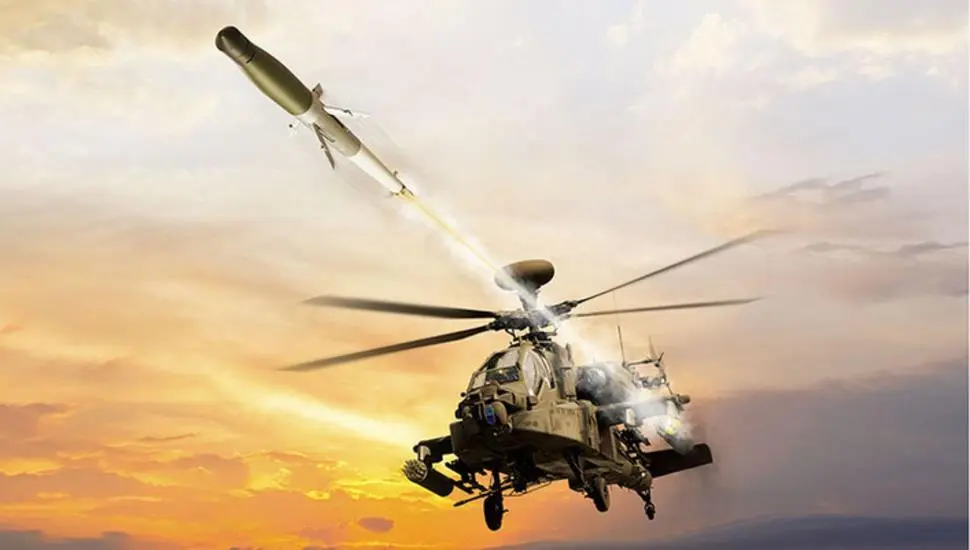
Speed of Light Weapons
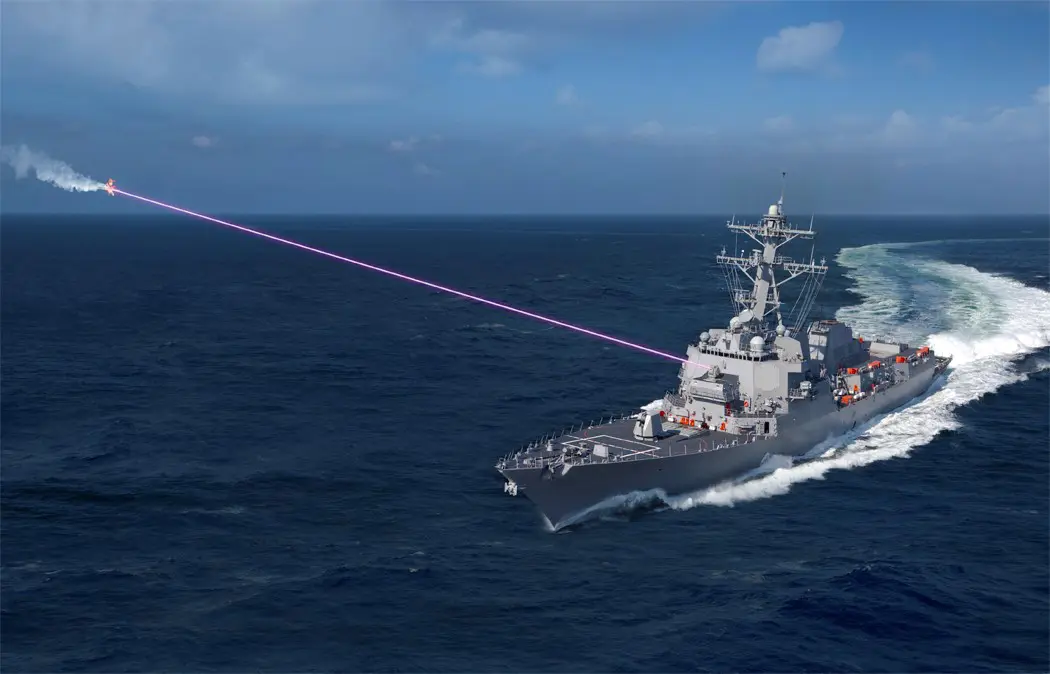
High-energy laser systems offer a powerful solution by converting electrical power into a concentrated, highly accurate beam of heat. These directed energy weapons can rapidly melt through a drone's outer shell or fry its internal circuits in seconds.
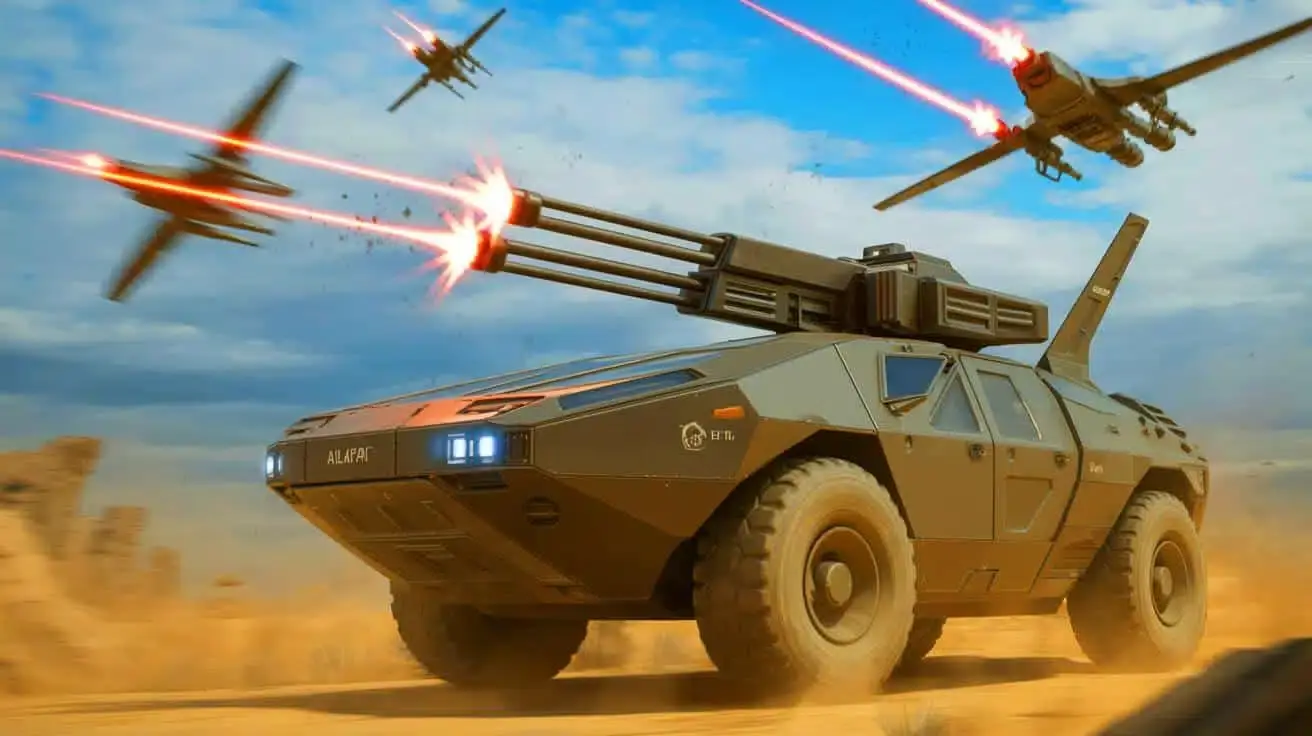
Dollars Per Shot
Unlike conventional kinetic interceptors, laser platforms boast a virtually unlimited magazine restricted only by their internal power supply. Firing a single laser burst costs between US$1 and US$10 in electricity, fundamentally altering the economics of modern air defence.
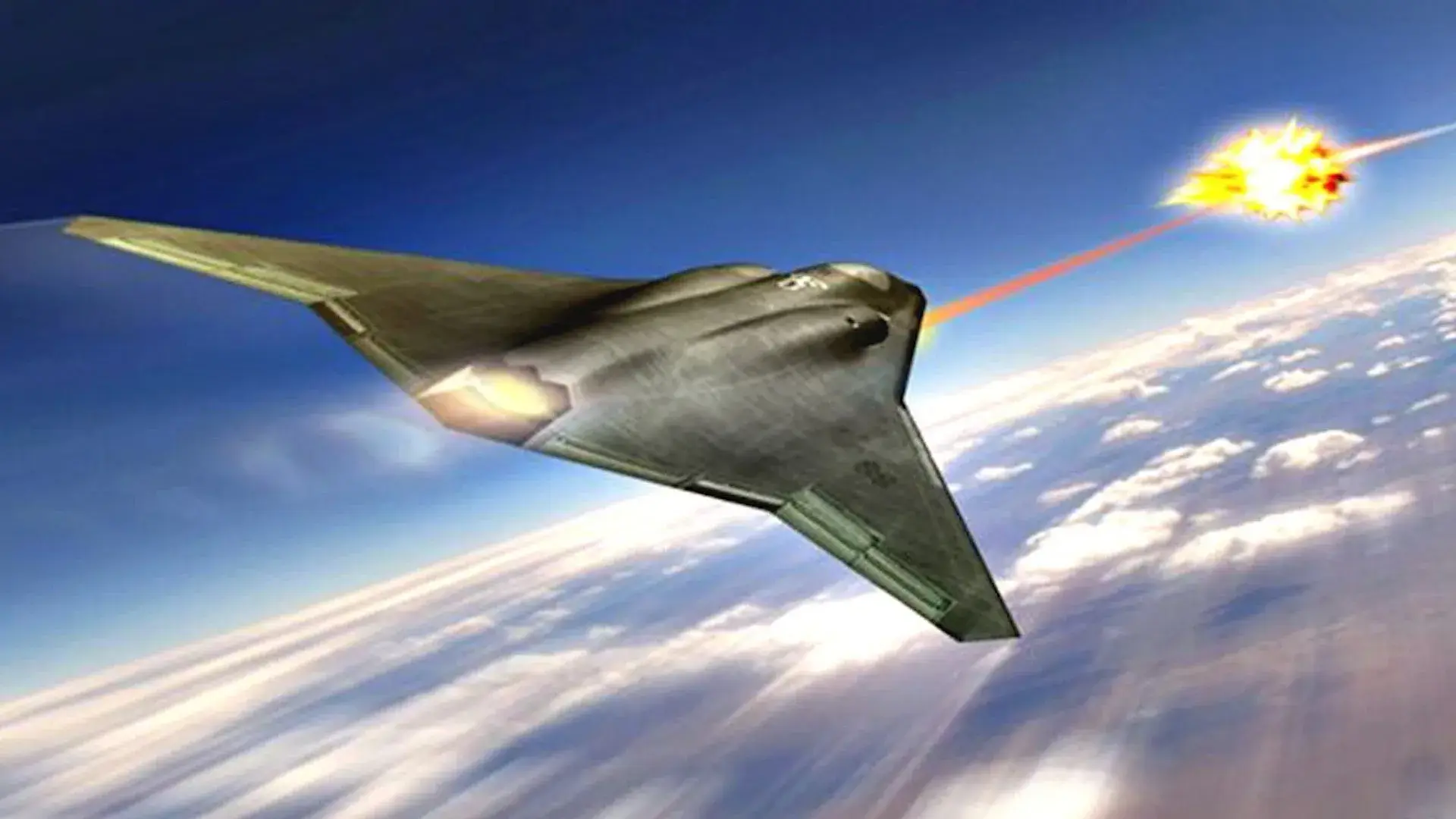
Reaching the Battlefield
Several nations are now pushing these advanced concepts out of the laboratory and into active operational service. Israel plans to deploy its Iron Beam system in 2025 to intercept short-range rockets and drones for less than a thousand dollars per shot.
The Weather Problem
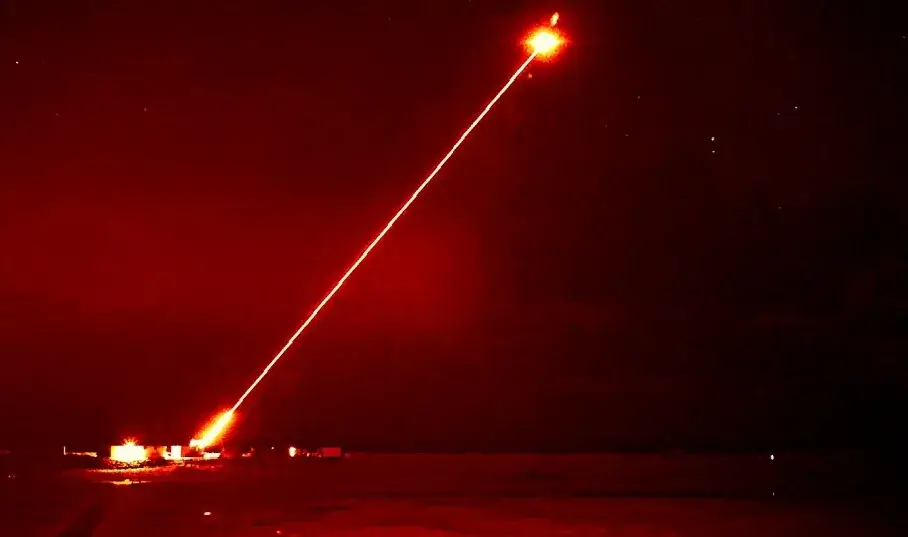
Despite their massive financial advantages, these weapons face strict physical limitations when operating in the real world. Atmospheric conditions like rain, heavy fog, dust, and smoke actively scatter the beam and severely reduce its destructive range.
Speed and Distance
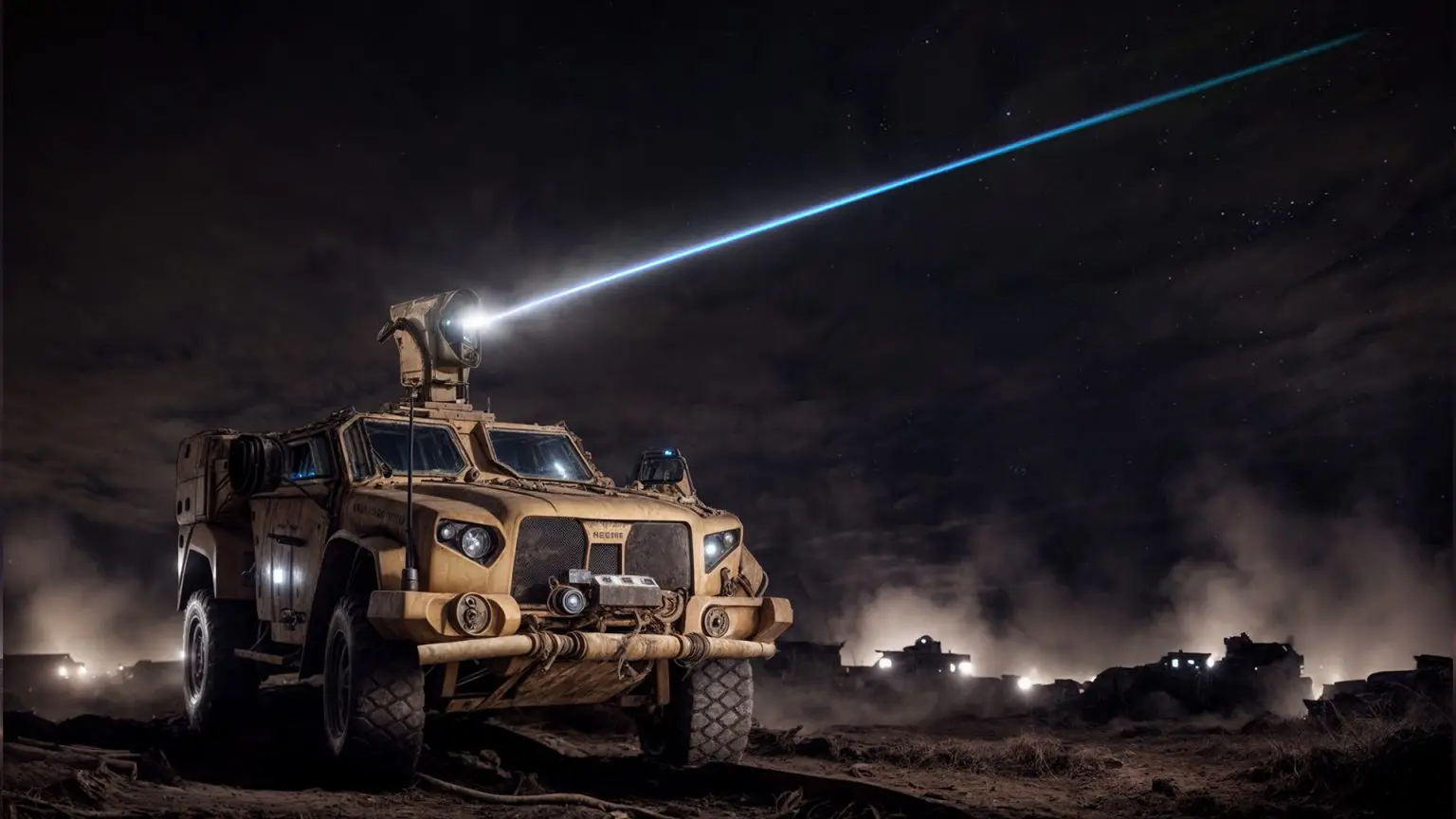
Lasers must also maintain a steady focus on their target for several seconds to inflict meaningful structural damage. They struggle to neutralise extremely fast hypersonic threats and cannot physically shoot at incoming targets hidden over the horizon.
A Layered Defence
Because of these physical constraints, lasers will not entirely replace kinetic missiles in future combat. Instead, commanders will use cheap lasers to eliminate drone swarms while reserving their expensive missiles for complex, high-value threats.
)
)
)
)
)