

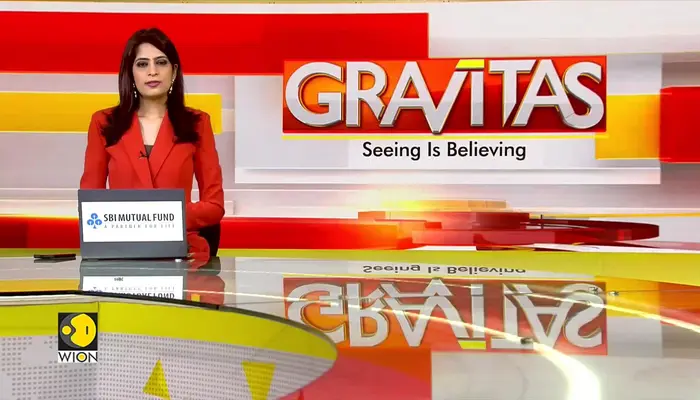
&imwidth=800&imheight=600&format=webp&quality=medium "US-Iran conflicts: Houthis announce maritime blockade on Saudi Arabia, Iran attacks MQ-9 drone hangar | Gravitas")
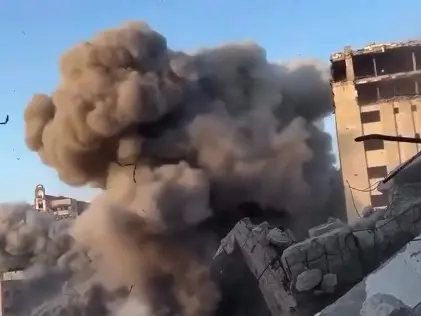
West Asia remains on edge as the United States conducted strikes on Iran for the ninth consecutive evening, followed by fierce retaliation from Tehran. Iranian President Masoud Pezeshkian stressed that his country was fighting a full-scale war with the US, even as both sides hinted at pursuing talks as well.
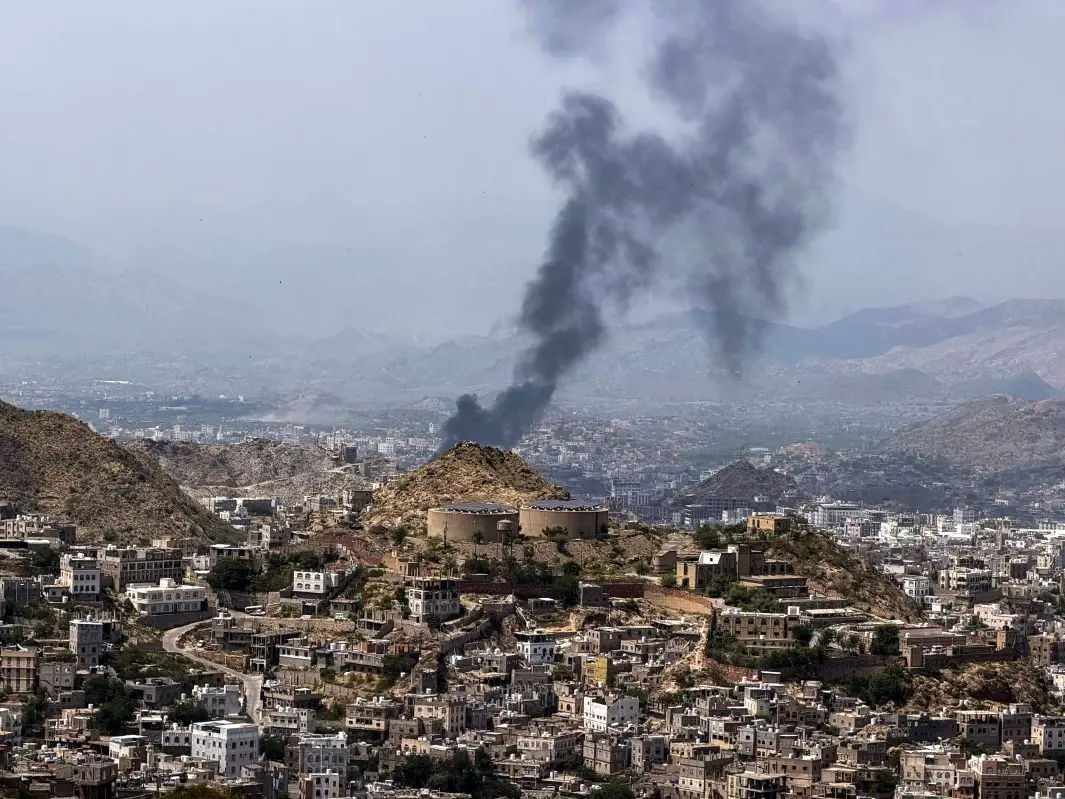
In a fresh escalation, Yemen's Iran-backed Houthis announced a maritime embargo of Saudi Arabia. Last week, hostilities between the two sides escalated after Houthis accused Riyadh of launching air strikes against the international airport in Sanaa. In retaliation, the Houthis fired missiles at the international airport in Saudi Arabia's Abha. A closure of the Bab el-Mandeb Strait by the Houthis will imply a new threat to energy supplies, as nearly 7 per cent of global crude oil transits this narrow corridor.
Houthi military spokesman Yahya Saree said, "First, the Yemeni armed forces declare a maritime embargo against the criminal Saudi enemy, based on the equation of 'An eye for an eye,' effective immediately upon the issuance of this statement."
A few hours earlier, CENTCOM conducted air strikes on Iran to diminish its ability to attack vessels in the Strait of Hormuz. The US claimed to have targeted Iranian military command centres, air defence and coastal surveillance sites, and communication networks. As per US President Donald Trump, these strikes were carried out in honour of the US military personnel killed in recent days. As of now, the death toll of confirmed American fatalities in the Iran war is 17.
Subsequently, Iran retaliated by striking Syria once again. IRGC claimed to have struck the special operations command centre in the Al-Tanf region. It also targeted US military aircraft stationed at Jordan's Aqaba airport with ballistic missiles, reportedly causing damage to several jets.
Iran attacks MQ-9 drone hangar
Trending Stories
&im=FitAndFill=(700,400)&imwidth=180&imheight=135&format=webp&quality=medium)
What is the real meaning behind Pete Hegseth's tattoos?
&imwidth=180&imheight=135&format=webp&quality=medium)
Zohran Mamdani's Garba dance goes viral as he joins Indian community's Navratri celebrations | WATCH
&imwidth=180&imheight=135&format=webp&quality=medium)
Rafale Marine fighter begins flight trials in Goa ahead of Indian Navy induction
&imwidth=180&imheight=135&format=webp&quality=medium)
Explosions heard in Iran’s Hormozgan province near Strait of Hormuz: State media
&imwidth=180&imheight=135&format=webp&quality=medium)
Shock, anger and despair in Bangladesh over the executions
&imwidth=180&imheight=135&format=webp&quality=medium)
India to develop first indigenous aviation gun for Prachand, Rudra attack helicopters, SSS Defence CEO confirms
&imwidth=180&imheight=135&format=webp&quality=medium)
Meta slapped with $25 billion fine in New Mexico over Facebook data practices, company plans appeal
&imwidth=180&imheight=135&format=webp&quality=medium)
Man marries off wife of 17 years to her lover in Uttar Pradesh
&imwidth=180&imheight=135&format=webp&quality=medium)
Russia to send first tanker carrying 40,000 tonnes diesel to US after Trump-Putin deal – What we know
&imwidth=180&imheight=135&format=webp&quality=medium)
WATCH | Mysterious haze grips Ohio city as toxic chemical leak forces mass evacuation – What is happening?
&imwidth=180&imheight=135&format=webp&quality=medium)
Kim Jong Un death rumors explode | China accused of secretly sending troops to Pyongyang
&imwidth=180&imheight=135&format=webp&quality=medium)
James Bond auction: Own Daniel Craig's Skyfall suit, Ana de Armas' dress and 300+ rare 007 collectibles
&imwidth=180&imheight=135&format=webp&quality=medium)
Trump says end to Ukraine war is 'closer than ever'; Witkoff's Putin remarks spark criticism
&imwidth=180&imheight=135&format=webp&quality=medium)
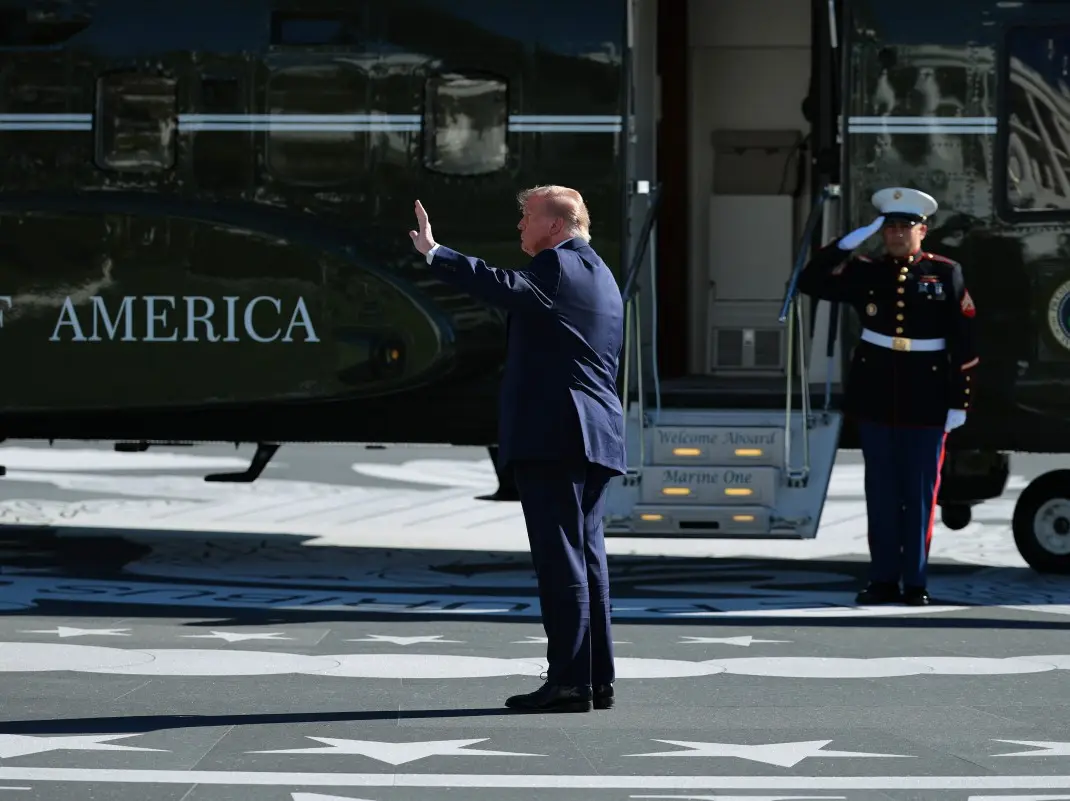
Trump waves at 'empty space' in viral video,' critics claim 'mental decline getting worse' | WATCH
&imwidth=180&imheight=135&format=webp&quality=medium)
US Midterms 2026: Sugar Land, Plano, Irving: How Texas’s Indian-American belt could shape poll outcomes
&imwidth=180&imheight=135&format=webp&quality=medium)
US midterms: Democrats sue Trump administration over alleged 'threats and intimidation' ahead of election, Musk issues warning to Dems
&imwidth=180&imheight=135&format=webp&quality=medium)
‘Her heart and mind in good shape’: What Helen Haines’ husband said after MP loses both legs in ‘targeted’ attack
&imwidth=180&imheight=135&format=webp&quality=medium)
Why websites around the world are suddenly going offline? What you need to know about PHP
&imwidth=180&imheight=135&format=webp&quality=medium)
Israel election 2026: Three possible scenarios after October 27 polls
&imwidth=180&imheight=135&format=webp&quality=medium)
US midterms 2026: What polls and prediction markets indicate about Congress
&imwidth=180&imheight=135&format=webp&quality=medium)
'You are a dummy, you are a stupid person': Trump loses temper with CNN, ABC reporters after questions about Russia sanctions
&imwidth=180&imheight=135&format=webp&quality=medium)
US Midterms 2026 and money: From Bloomberg to Musk, corporate donors, super PACs and lobbies, it's all about the cash
&imwidth=180&imheight=135&format=webp&quality=medium)
Are the US and Israel preparing for another major attack on Iran? Here's what report claims
&imwidth=180&imheight=135&format=webp&quality=medium)
US orders embassy staff, families to leave Saudi Arabia amid Houthi attacks: Report
&imwidth=180&imheight=135&format=webp&quality=medium)
Ramayana promotion takes a funny turn after Ranbir Kapoor's verbal blunder, leaves fans in splits | Watch
&imwidth=180&imheight=135&format=webp&quality=medium)
Priyanka Chopra celebrates Dussehra 2026 with Nick Jonas and daughter Malti Marie | See pics
&im=FitAndFill=(700,400)&imwidth=180&imheight=135&format=webp&quality=medium)
New OTT releases this week (October 19-25, 2026): Gajab Raat to Chaar Yaar-8 titles to watch during Dussehra week on Netflix, Prime Video and more
&imwidth=180&imheight=135&format=webp&quality=medium)
'I’m not saying it’s extraterrestrial' - 'Mutant' creature forces Mexicans to flee their homes
&imwidth=180&imheight=135&format=webp&quality=medium)
‘I caution the president...’: Trump’s ex-press secretary warns after Zacharia’s exit
&imwidth=180&imheight=135&format=webp&quality=medium)
Hunger makes alcohol more appealing, study finds
&imwidth=180&imheight=135&format=webp&quality=medium)
Finance influencer dies by suicide in Chennai; father accuses tech CEO, who denies charge
&imwidth=180&imheight=135&format=webp&quality=medium)
Kolkata airport: CISF detects ₹1.13 crore in US dollars hidden in bags of 2 Bangkok-bound passengers
&imwidth=180&imheight=135&format=webp&quality=medium)
Feds obtain DNA evidence that could prove Ilhan Omar married her brother: Report
&imwidth=180&imheight=135&format=webp&quality=medium)
US midterms 2026: Trump's approval rating hits record low as Democrats gain ground
&imwidth=180&imheight=135&format=webp&quality=medium)
Khawaja Asif flags ‘bureaucratic exodus’ from Pak amid Munir’s growing clout, loss of faith in govt
Kuwait too bore the brunt of multiple attacks. Iran not only claimed to have destroyed an early-warning radar system but also struck an MQ-9 drone hangar at the Ali Al Salem air base, reportedly setting several drones on fire. Explosions were heard in Manama too. As per local authorities, Iranian drones targeted Bahrain's civil air navigation systems.
This is not all. Iran claimed to have shot down an MQ-9 Reaper drone over the city of Ahvaz. Footage released by IRGC of its attacks on West Asia showed missiles bearing this message: "Anyone who destabilises the security of the Iranian people will not themselves be safe either".
Meanwhile, air raid sirens sounded in Kuwait City, as residents and visitors continued moving through the area. Kuwait's military stated that it was responding to a fresh round of missiles and drones unleashed by Iran.
Iran also announced that two oil tankers which attempted to enter and exit the Strait of Hormuz through an unsafe route exploded and were brought to a halt. IRGC has warned that this strategic waterway will remain unsafe for transit for even a single drop of oil and gas, as long as America's aggression continues.
At the same time, Iran revealed that diplomatic exchanges with the US via mediators were ongoing. As per Reuters, mediators have proposed a ten-day cessation of strikes to revive the MOU signed by Iran and the US. Iranian foreign ministry spokesman Esmaeil Baqaei said, "Proposals have been put forward and conveyed to us by the mediators. We have received them, but please excuse me from going into their details. However, the main point that the diplomatic apparatus has been active and that ideas from some mediators have reached us is confirmed."
A day earlier, US Secretary of State Marco Rubio also showed America's willingness for a diplomatic settlement, even as he called upon other countries to join efforts to protect the safety of vessels in the Strait of Hormuz. Now, are the latest US attacks a precursor to a possible ground invasion? As per reports, Trump is leaning towards further expanding US military operations in Iran. The options reportedly include sending ground forces to seize Iranian islands near Hormuz, such as Kharg, which handles 90% of Iran's crude oil exports.
The other option being mulled is the potential bombing of the Pickaxe Mountain, something that Trump has publicly talked about as well. This highly fortified site is located 220 kilometres south of Tehran, and very close to the nuclear complex in Natanz, which was bombed during last year's 12-day war. As per reports, it contains two tunnel complexes buried deep underground, which makes it difficult to destroy. The US reportedly suspects Iran of trying to build a secret uranium enrichment facility here.
It is worth noting that Tehran and Washington have been at loggerheads over how to deal with Iran's stockpile of enriched uranium. When asked about a potential US ground invasion, Iran issued a stern warning to America. It also urged the UN nuclear watchdog, the IAEA, to condemn US strikes on the under-construction Darkhovin nuclear power plant in south-west Iran. Iranian foreign ministry spokesman Esmaeil Baqaei said, "They will see the consequences. I think there are people in those regions (southern Iran), and their number is not small, and they are looking forward to welcoming those guys (US troops)."
With both sides keeping the diplomatic option open, is a temporary halt in hostilities in the offing? Or are the differences too difficult to breach? America and Iran's future course of action will be closely watched.