Why the F-22’s tail fins are canted to minimize its radar footprint

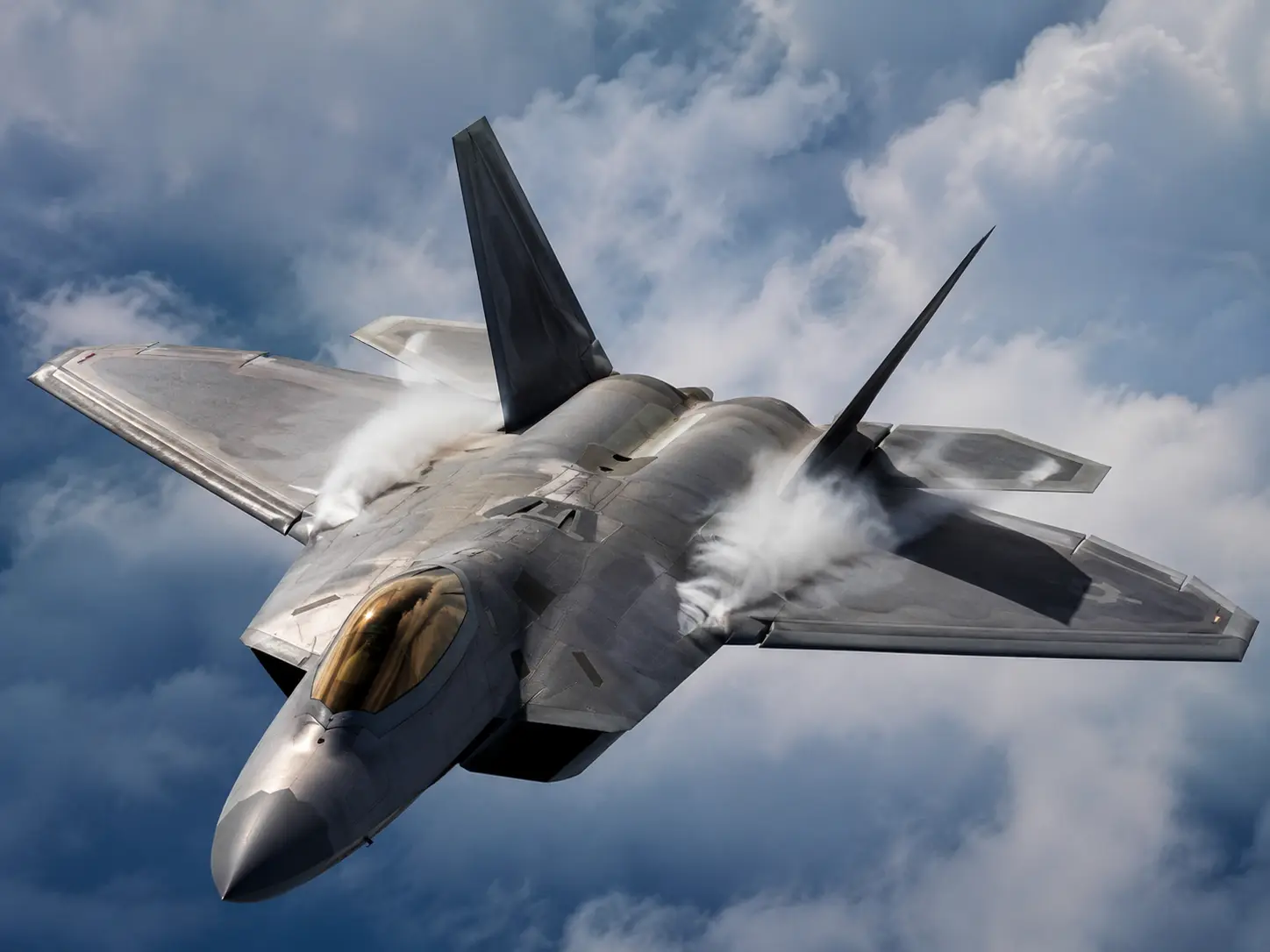
The F-22 uses canted tail fins to deflect incoming radar energy away from enemy sensors. This geometric design minimises the aircraft's radar cross-section and ensures low-observability during combat.
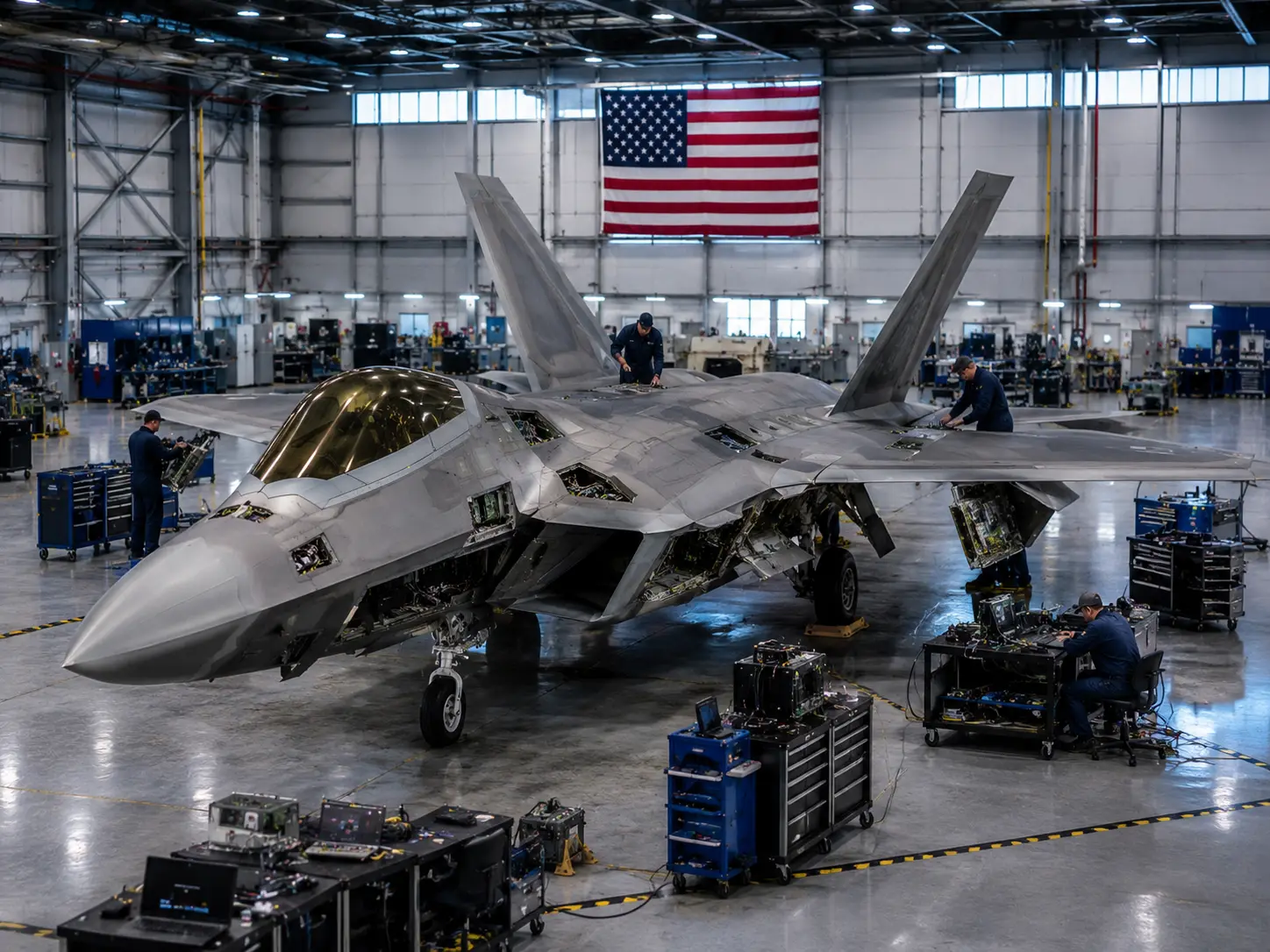
Scattering Radar Energy
Vertical tail fins on traditional aircraft act as powerful reflectors for enemy radar signals. By canting these fins at a specific angle, the F-22 ensures that incoming radar energy is deflected away from the source rather than bouncing directly back. This simple yet effective geometric shift is a cornerstone of the Raptor’s low-observable profile.
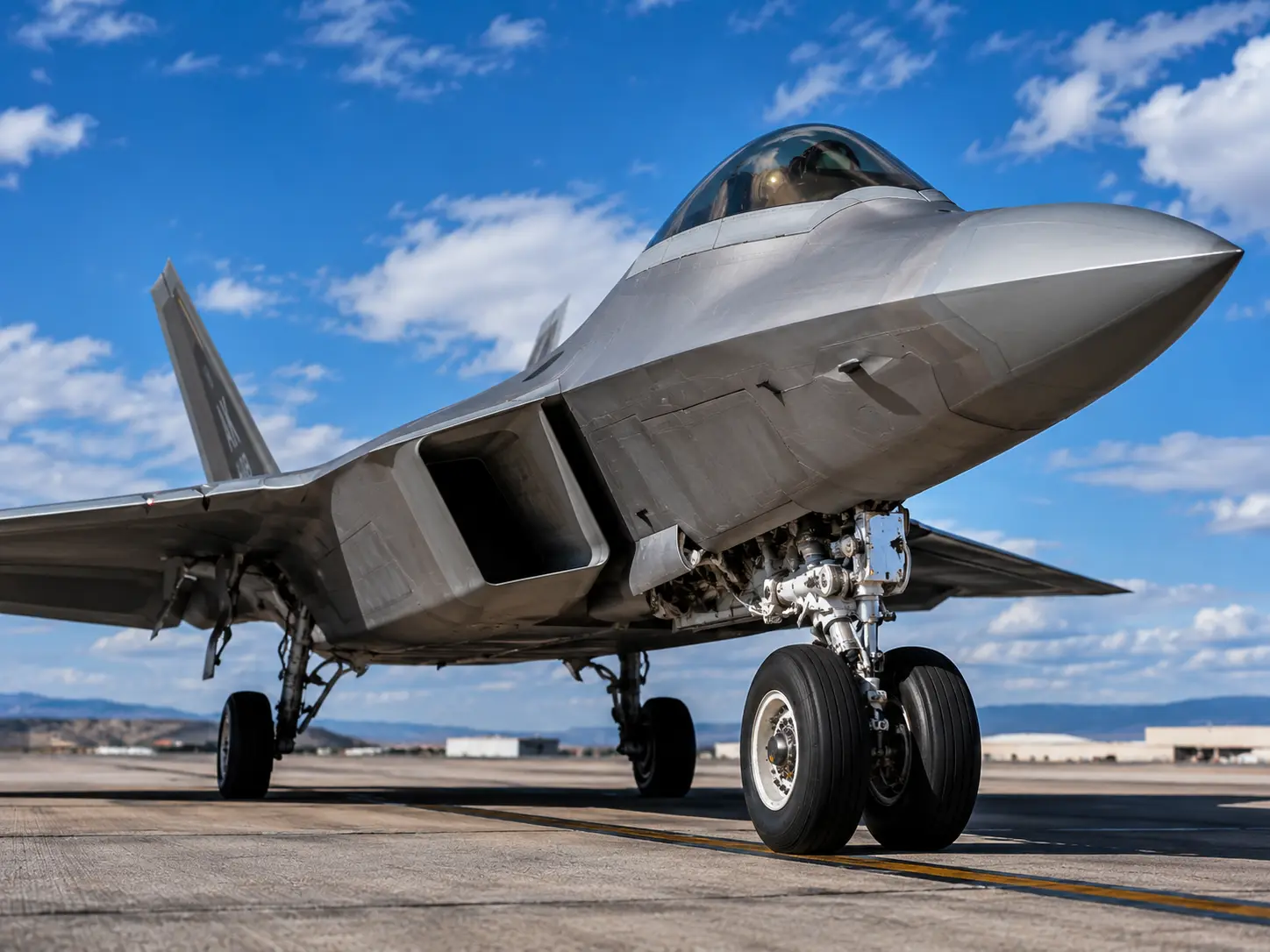
Minimising Radar Cross-Section
The canting process helps align the edges of the tail fins with the sweep of the aircraft’s wings. This alignment reduces the number of distinct angles that can reflect radar energy back to an enemy. A smaller, more uniform radar footprint makes the F-22 significantly harder to detect and track at long distances.
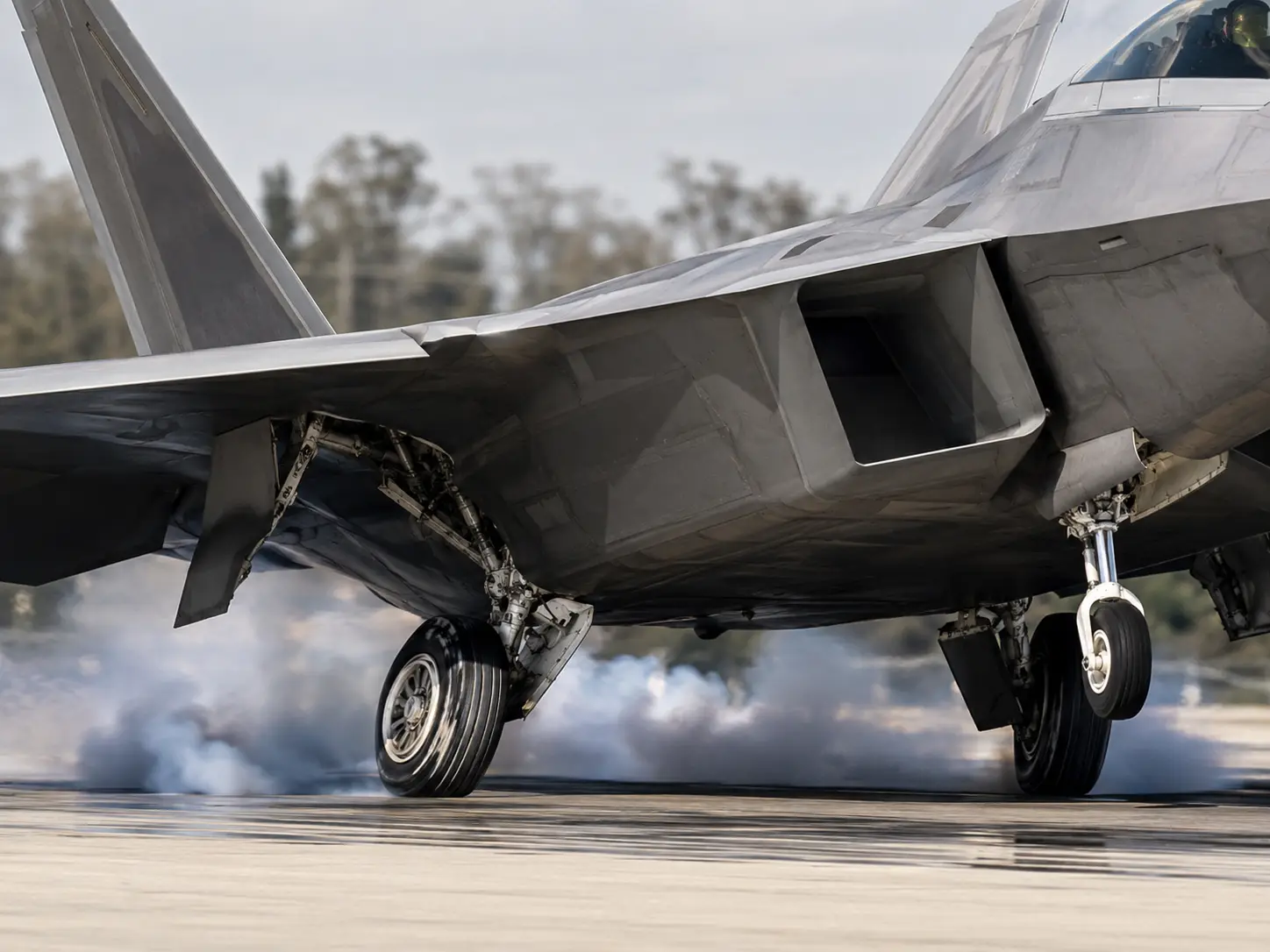
Enhancing Aerodynamic Control
Beyond stealth, the canted design provides the F-22 with exceptional flight stability and control during high-performance manoeuvres. The angled stabilisers help maintain consistent airflow over the control surfaces even when the aircraft is flying at high angles of attack. This allows the Raptor to retain superior agility while remaining effectively invisible to radar.
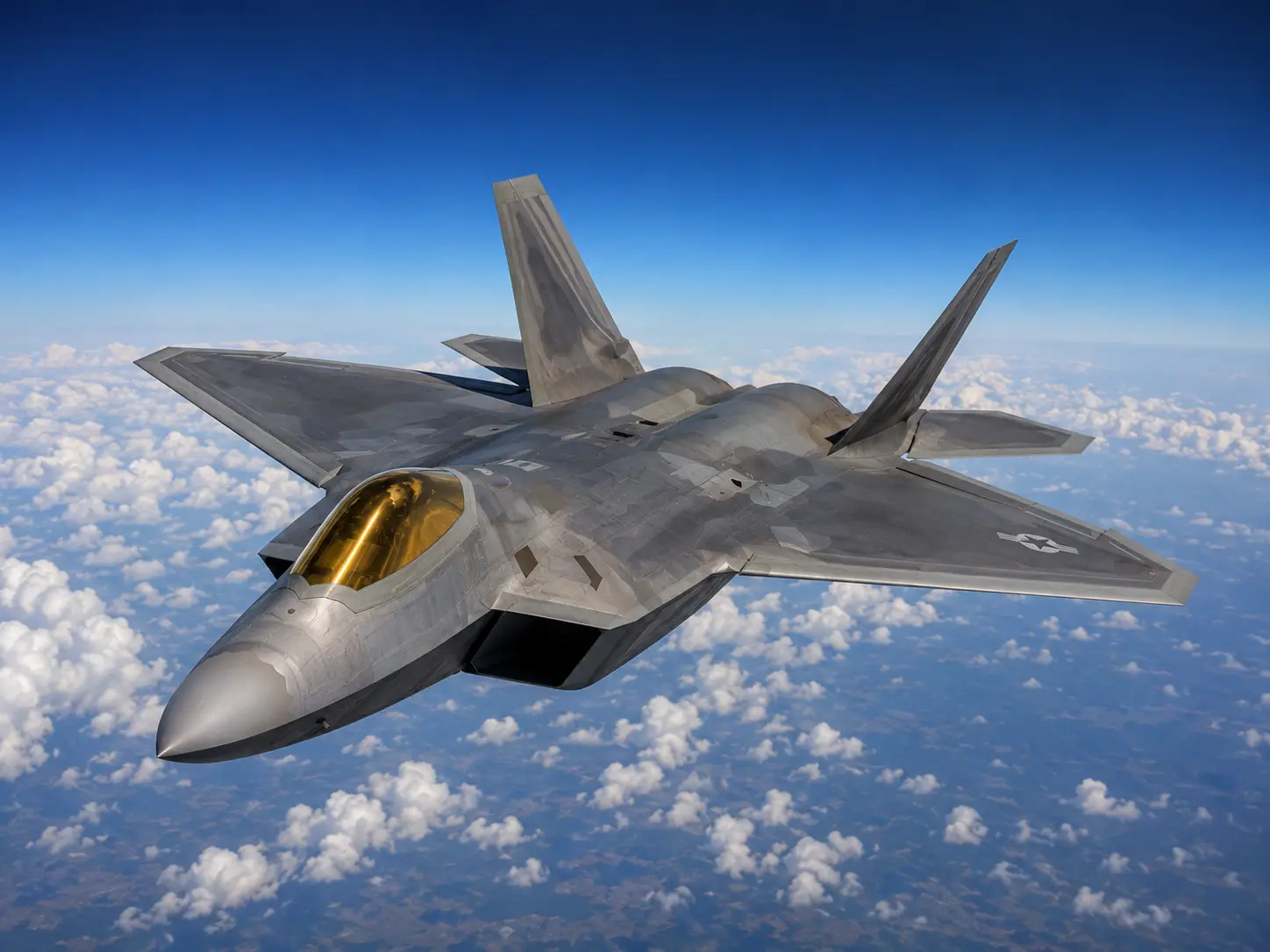
Reducing Radar Glint
Radar glint occurs when multiple parts of an aircraft reflect signals simultaneously, creating a confusing and detectable radar signature. Canted fins help break up these reflections by ensuring the aircraft's structure does not present large, flat, vertical surfaces to the enemy. This design choice prevents radar energy from being captured by opposing sensors.
Optimising Stealth Geometry
Every aspect of the F-22’s exterior is shaped to manage radar returns within a specific angular window. The canted tail fins work in tandem with the faceted fuselage and aligned edge treatments to maintain a near-total stealth envelope. This integrated geometric approach is vital for the Raptor to operate safely in contested airspace.
)
)
)
)
)