Why Russian strike fighters seat pilots side-by-side compared to US jets

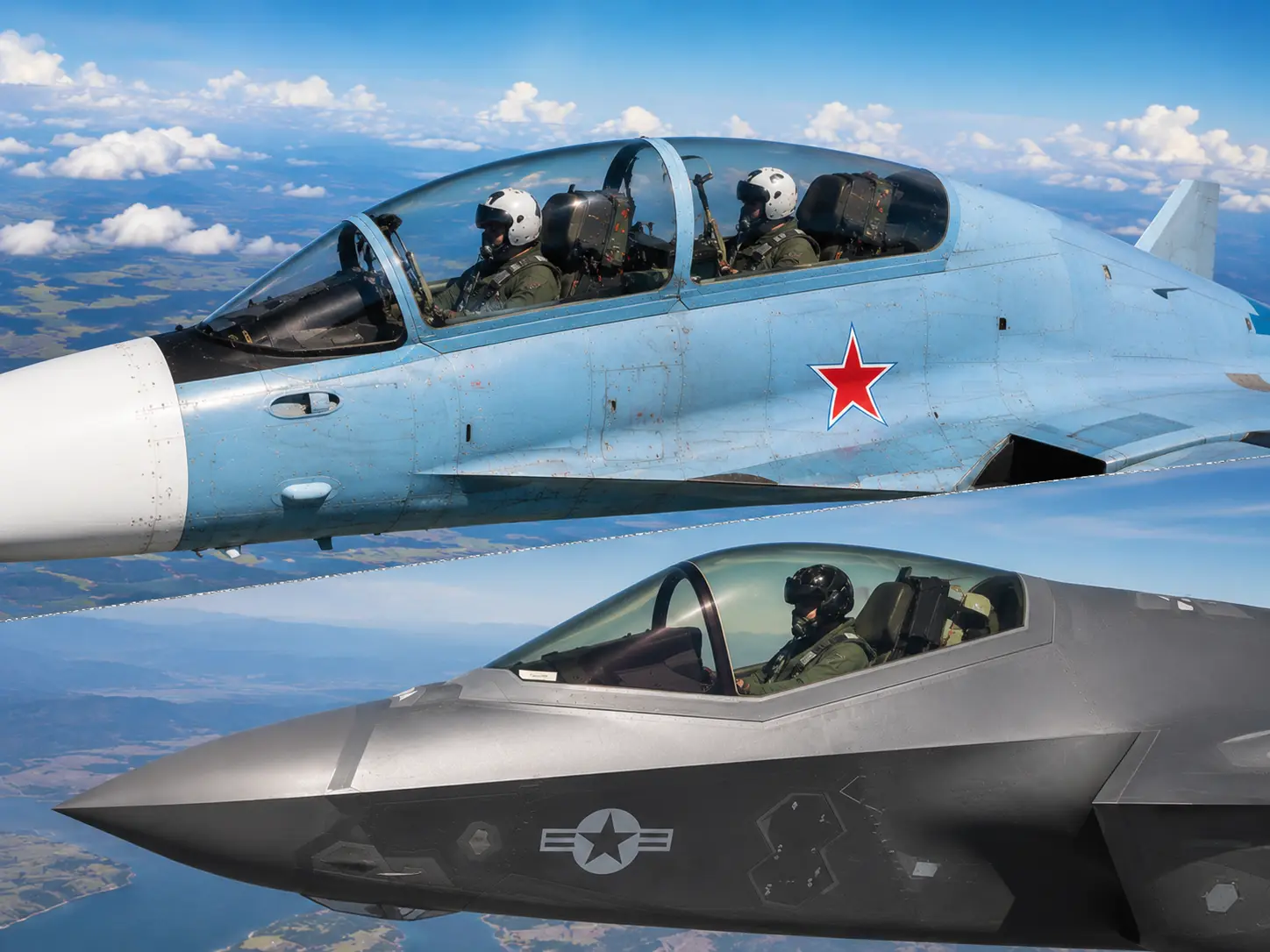
Russian Su-34 jets use side-by-side seating to share displays, reduce armour weight, and provide space for a relief tube. This helps fight pilot fatigue on 10-hour flights, unlike US tandem jets.
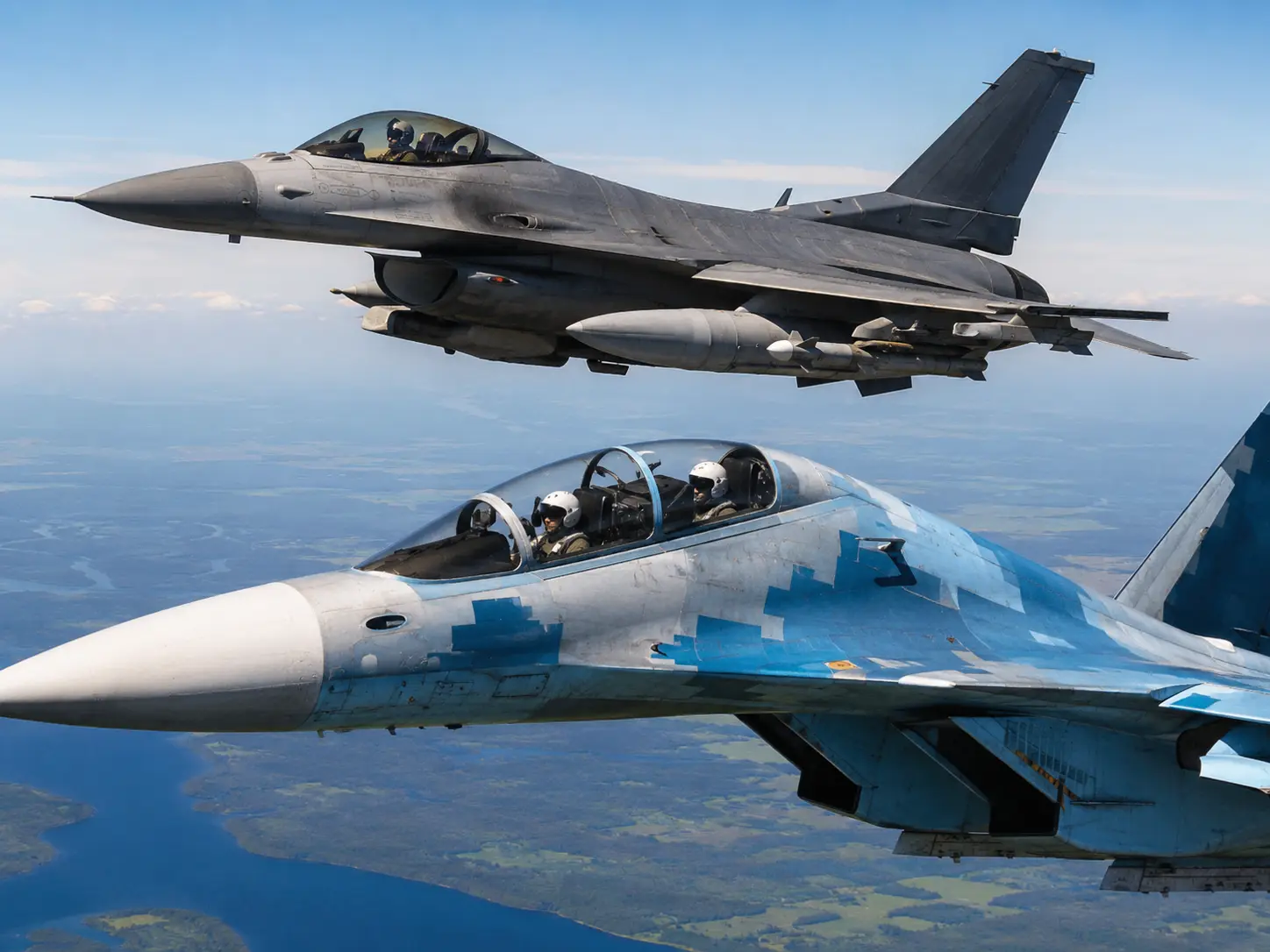
17mm Thick Titanium Armour
The Su-34 uses an armoured titanium capsule that is 17 millimetres thick. Placing the pilot and weapon systems officer side-by-side allows a single tub to shield both crew members. This reduces the overall aircraft weight compared to armouring two separate tandem cockpits.
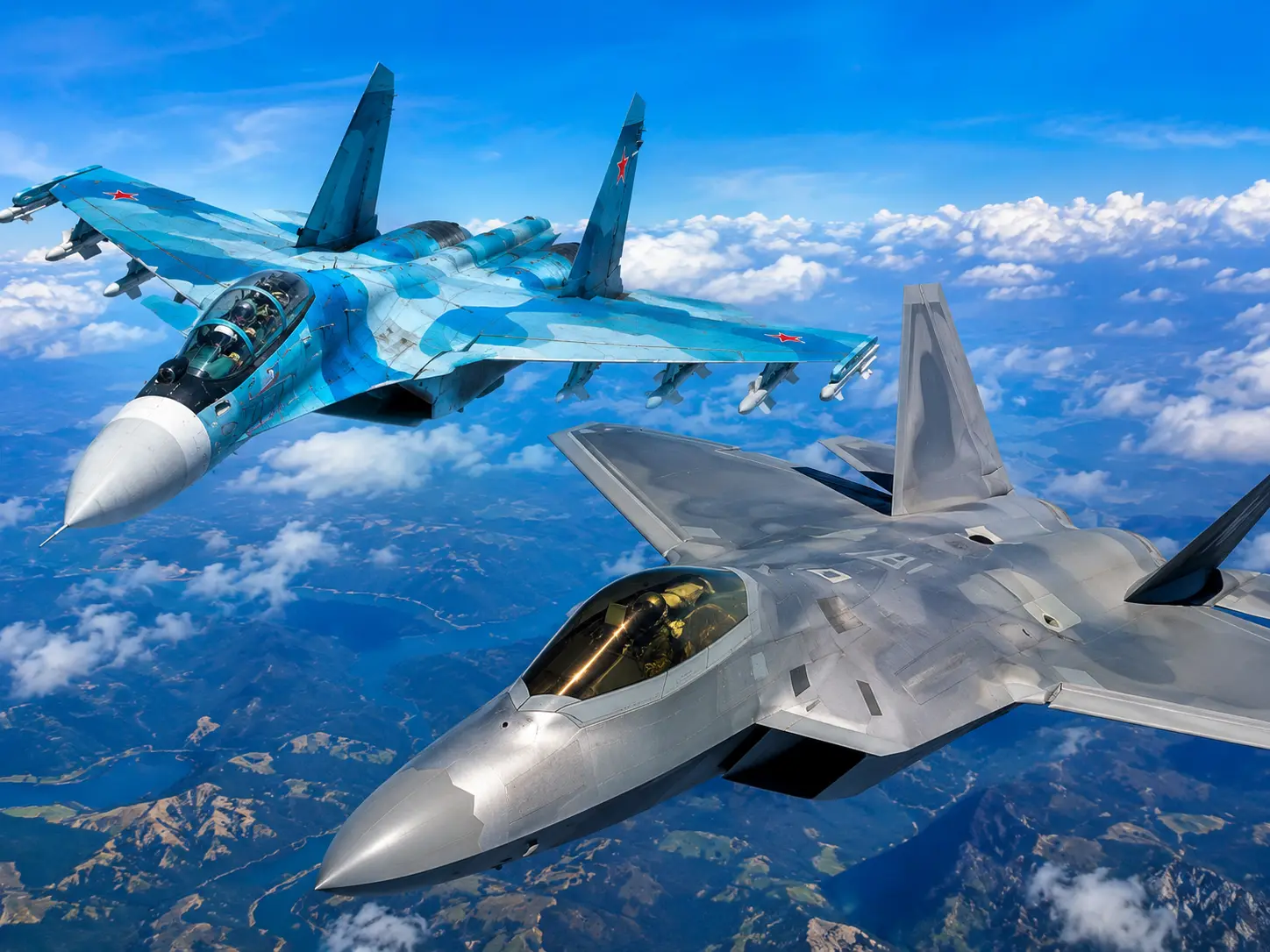
1 Shared Glass Cockpit
A side-by-side layout allows both crew members to easily read the same multifunctional displays. This design completely eliminates the need to install duplicate flight instruments in a rear cockpit. It improves communication and simplifies targeting tasks during combat operations.
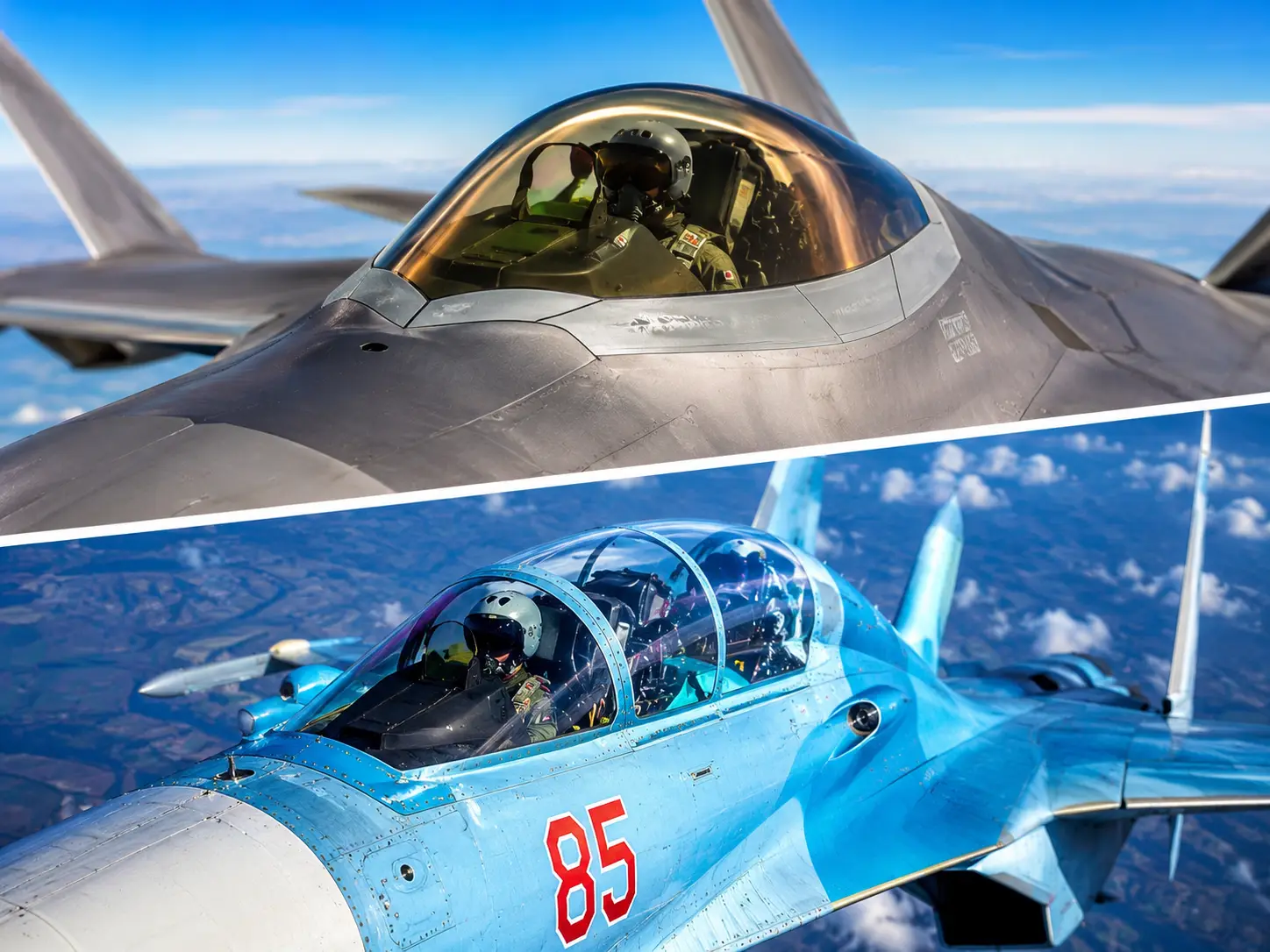
10-Hour Flight Endurance
Russian strike missions can require aircraft to fly into hostile territory for up to 10 hours. The widened front fuselage provides enough internal volume for the crew to stand up and stretch. This freedom of movement reduces pilot fatigue during long bombing runs.
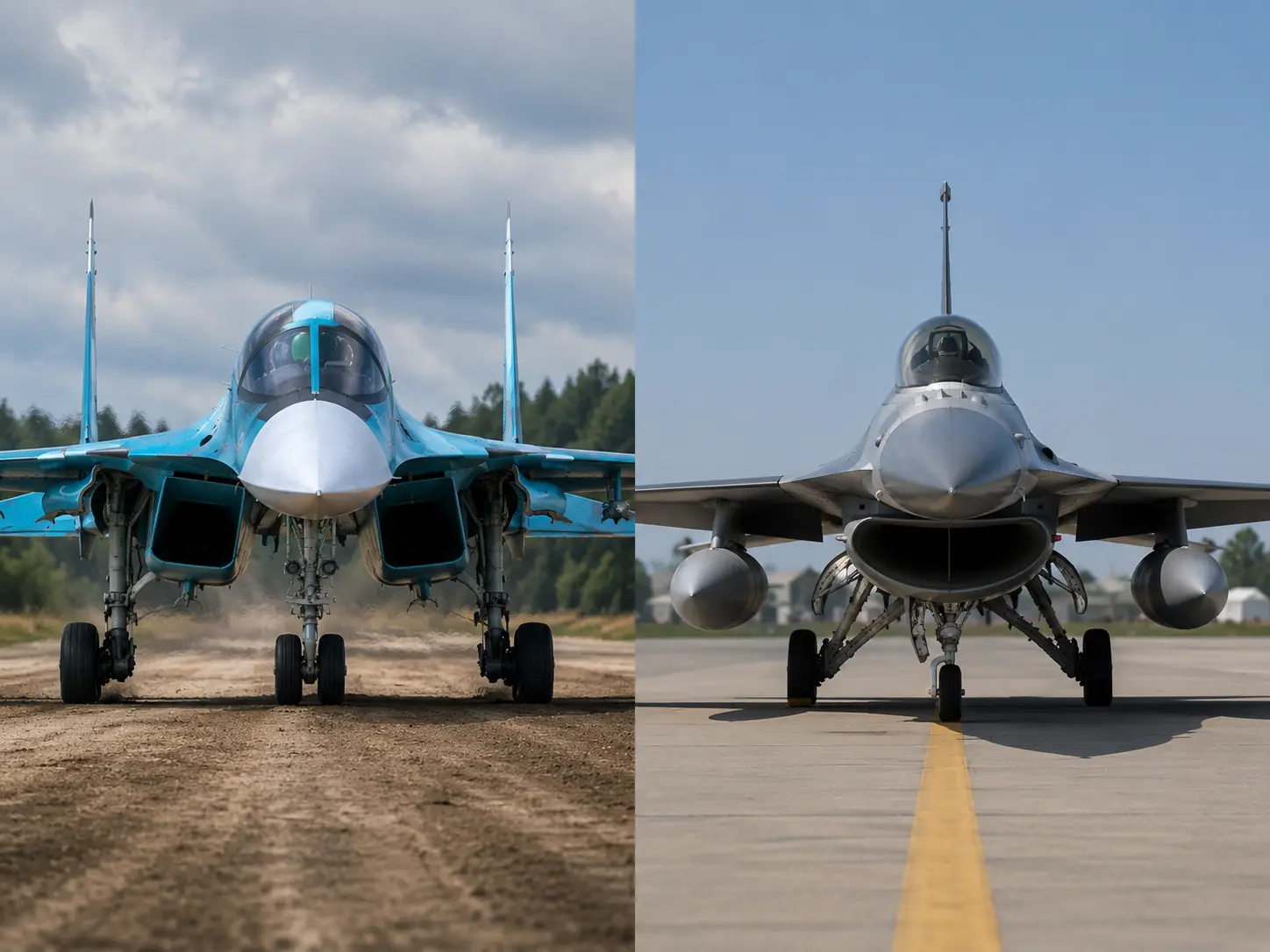
1 Relief Tube System
While popular myths claim the jet has a full bathroom and kitchen, it actually features a basic sanitary canister for urine collection. It also includes a thermos-style heater for warming rations. These basic comforts support crew endurance on flights where US tandem jets fall short.
45,100-Kilogramme Takeoff Weight
The Su-34 reaches a maximum takeoff weight of 45,100 kilogrammes. The flattened nose required to house two side-by-side seats naturally alters the jet's aerodynamics. To maintain agility despite the heavy front cabin, the aircraft uses forward canard foreplanes.
)
)
)
)
)