How Russia's Pantsir air defence system works

Russia's Pantsir air defence system combines rapid-fire 30mm cannons and high-velocity surface-to-air missiles on a single mobile chassis. Known as the SA-22 Greyhound, it tracks targets using advanced radar and can fire on the move to destroy drones, planes, and cruise missiles.
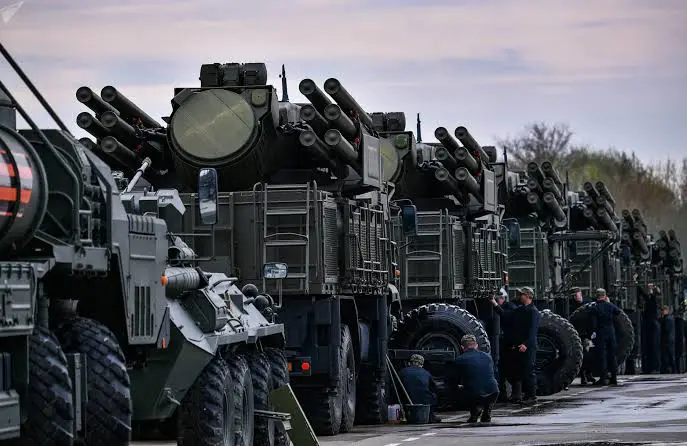
A Combined Shield
Russia's Pantsir system provides critical short-range protection by uniquely combining rapid-fire artillery and surface-to-air missiles on a single chassis. Known by NATO as the SA-22 Greyhound, it defends strategic sites against everything from cruise missiles to drone swarms.
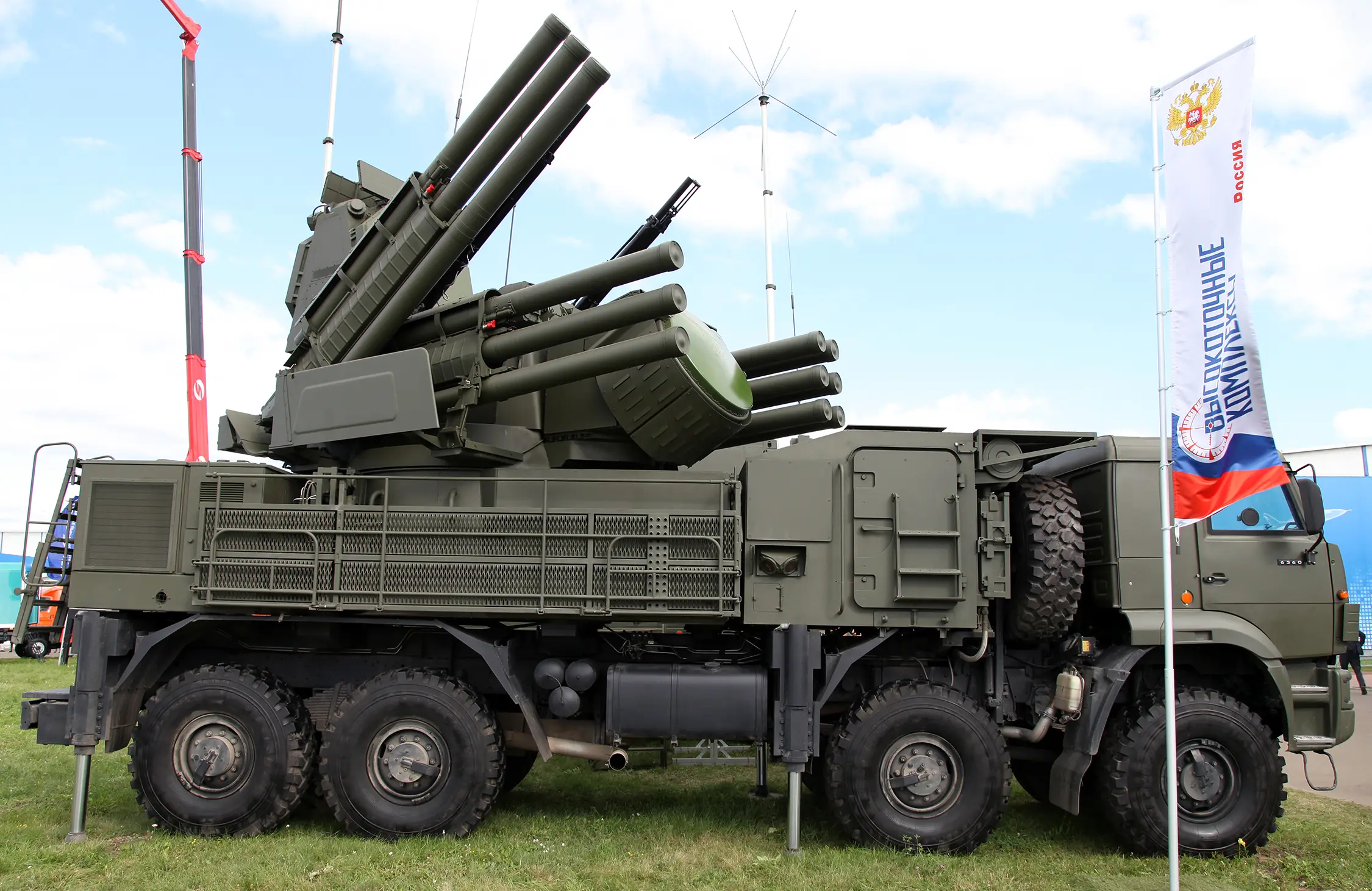
Dual 30mm Autocannons
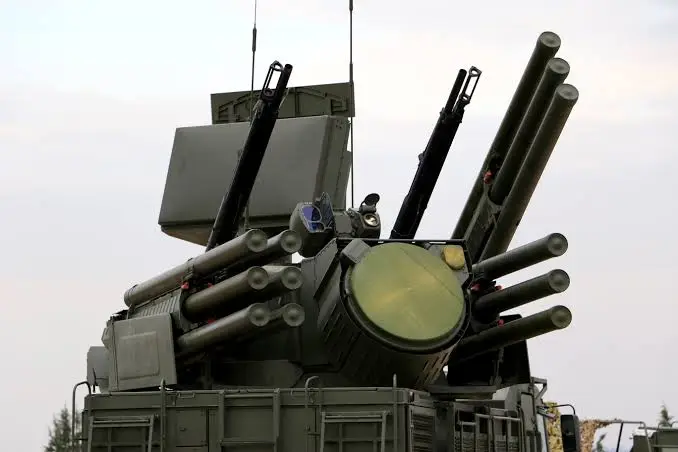
For extremely close-range threats, the mobile weapon station relies on two twin-barrel 30mm automatic cannons. These heavy guns can unleash up to 5,000 rounds per minute, establishing a final defensive wall against targets within a four-kilometre radius.
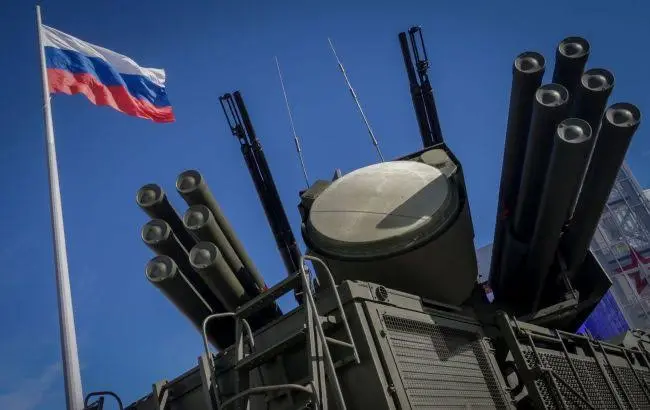
High-Velocity Missiles
When engaging threats at longer distances, the standard Pantsir-S1 launcher deploys 12 ready-to-fire guided missiles. These interceptors reach hypersonic speeds, striking hostile aircraft or incoming munitions up to 20 kilometres away and 15 kilometres high.
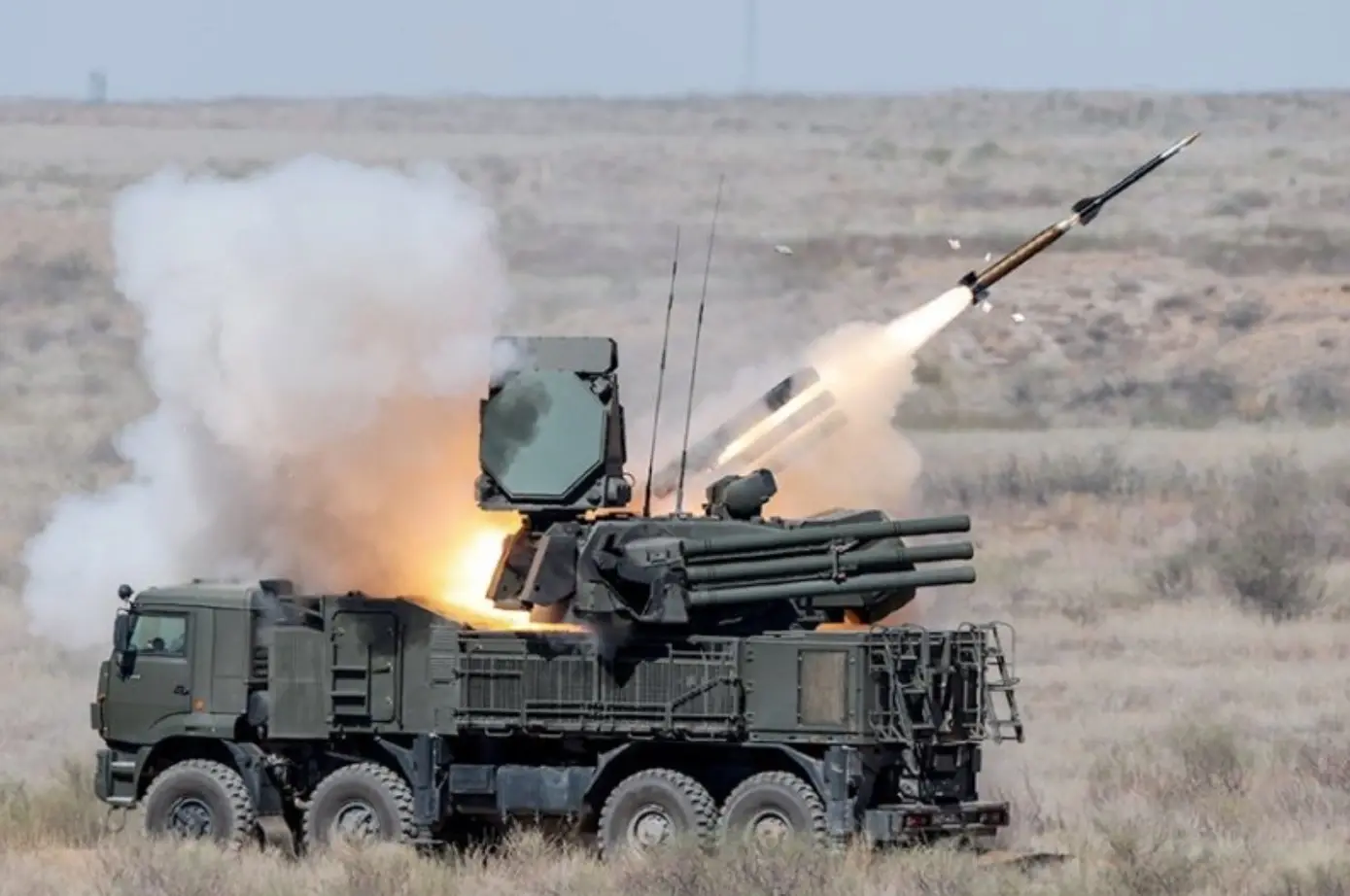
Advanced Target Tracking
To hunt targets, the system uses a sophisticated phased-array tracking radar combined with thermal and optical sensors. The equipment can detect incoming fighter jets from over 130 kilometres away and easily track low-flying cruise missiles hiding near the ground.
Firing on the Move
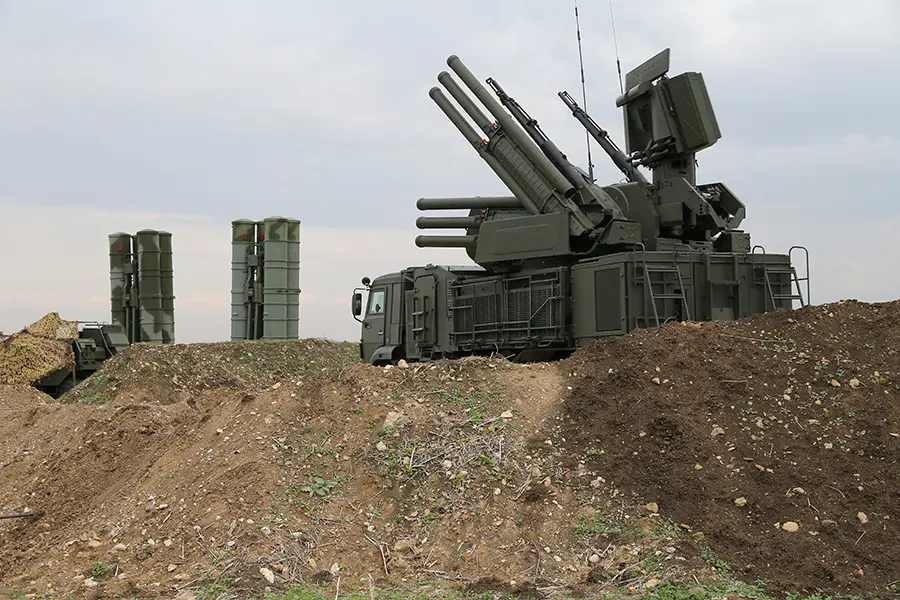
Unlike many static air defence platforms, the wheeled Pantsir can fire its heavy weapons while driving at full speed. This vital mobility allows the system to continuously protect advancing armoured columns without ever needing to stop and deploy.
Defeating Drone Swarms
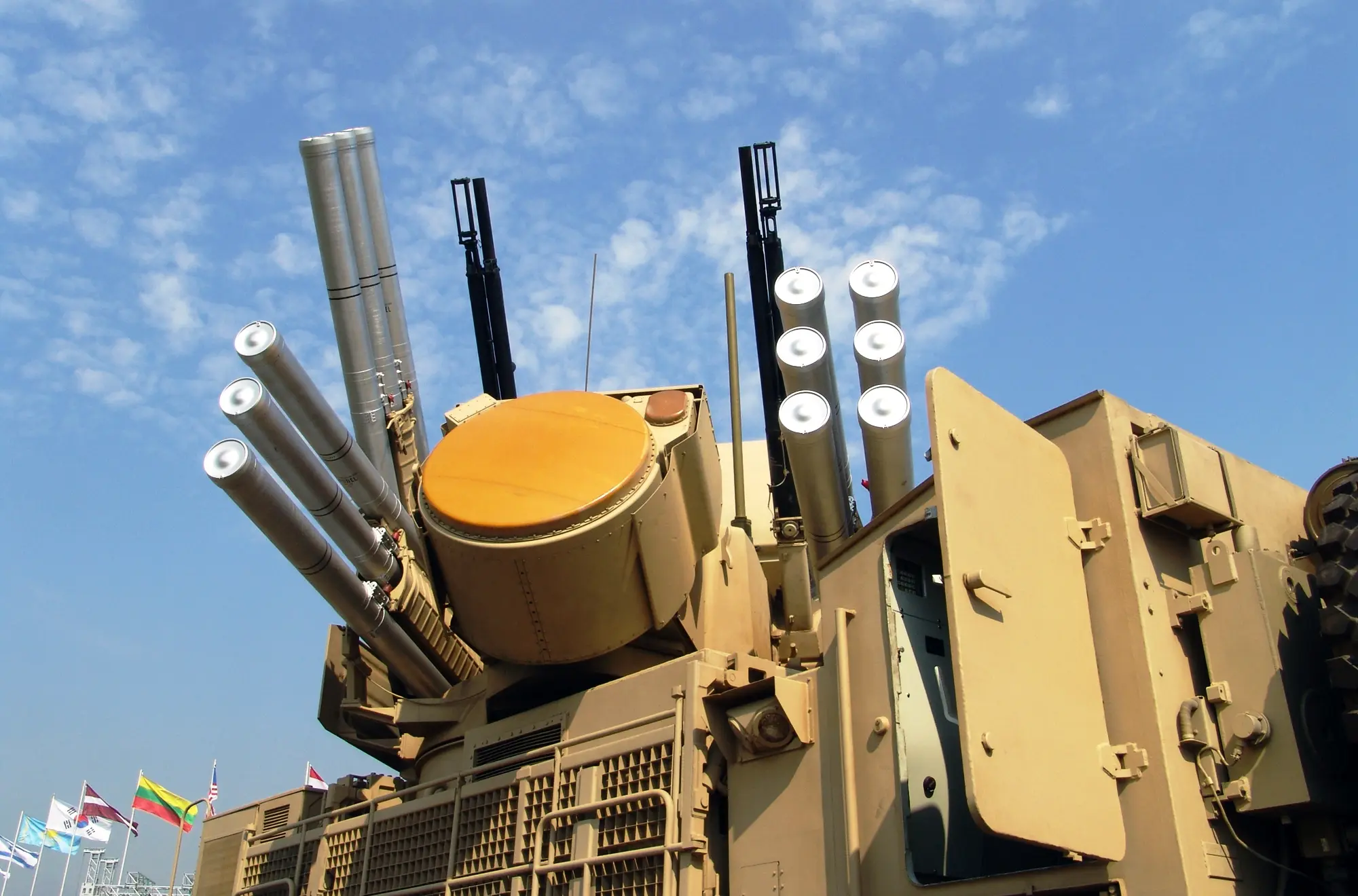
In response to modern warfare tactics, Russian engineers recently introduced a heavily upgraded variant called the Pantsir-SMD. This modular adaptation can carry up to 48 miniature interceptor missiles specifically designed to destroy massive, low-cost drone swarms.
A Modular Design
The core weapon station is highly adaptable and does not rely solely on the original heavy truck chassis. The military routinely mounts the self-contained turret onto tracked vehicles for rough terrain, naval warships, or fixed platforms protecting strategic buildings.
)
)
)
)
)