Russia's new drone-killer: How it finds small targets

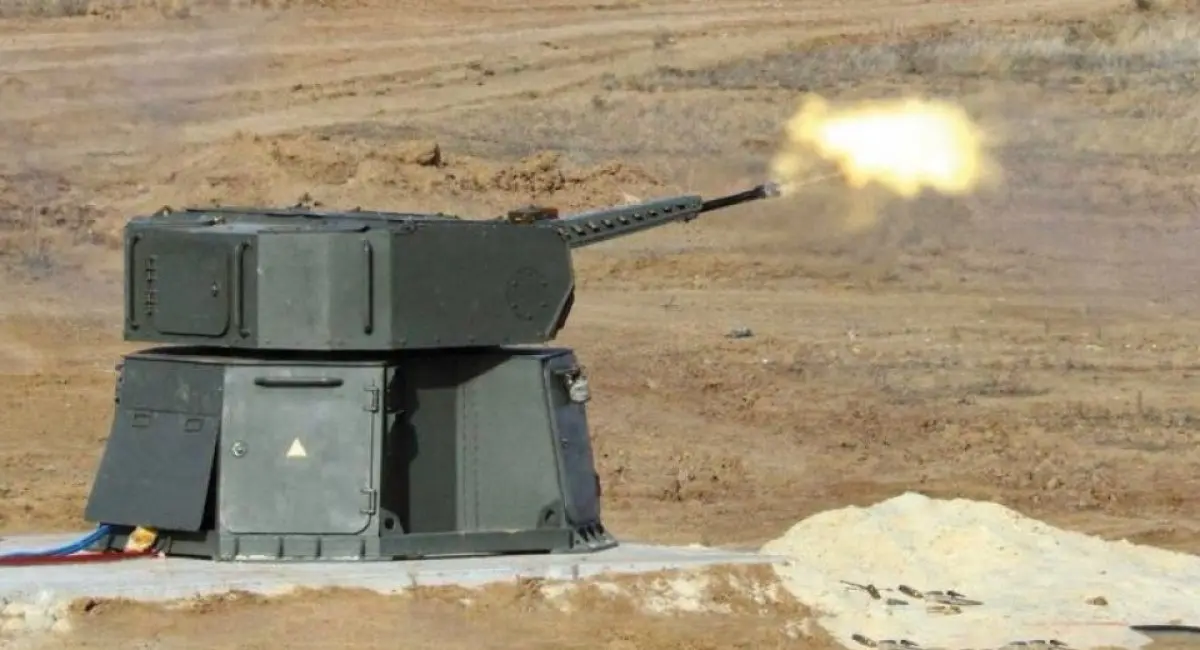
Russia's new ZAK-30 Citadel is an automated 30mm anti-drone system designed to protect critical infrastructure. It uses advanced radar and thermal sensors to track small drones, destroying them with programmable airburst shells that detonate into a shrapnel cloud.
A New Defensive Shield
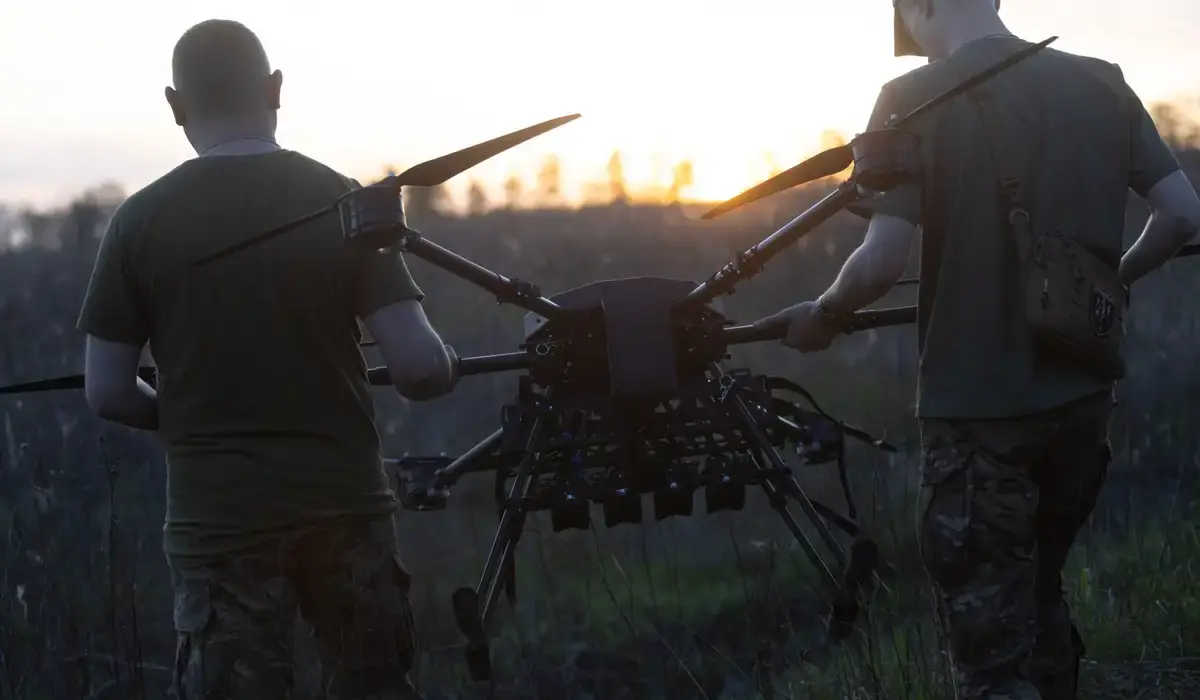
Russia's state-owned defence conglomerate Rostec recently unveiled the ZAK-30 Citadel to counter relentless long-range drone attacks. This dedicated anti-drone system is specifically designed to protect critical infrastructure from small multicopters and fixed-wing targets.
The Airburst Autocannon
The automated turret revolves around a powerful 30-millimetre anti-aircraft artillery gun. Instead of firing standard ammunition, the system uses specialised programmable shells fitted with remotely controlled fuses and a heavy shrapnel payload.
Creating a Shrapnel Cloud
Rather than relying on an improbable direct hit against a small flying target, the fire-control system calculates the exact detonation point in real time. The shell bursts precisely in the drone's flight path, destroying it instantly with a dense cloud of metal fragments.
Advanced Dual Sensors
The weapon station relies on a combination of circular scanning radar and powerful optical-electronic cameras to locate incoming threats. Using thermal imaging, the system easily tracks small plastic and composite drones that would normally remain invisible to standard radar.
Automated Interception
The Citadel operates with an automated kill chain that can function 24 hours a day in absolutely any weather condition. The internal computer independently tracks the target and plans the firing sequence, leaving the human operator to simply authorise the final shot.
Defending Critical Infrastructure
The original variant is a completely stationary, bolt-down platform designed purely for strict point defence at fixed sites like oil refineries. It boasts an effective engagement range of roughly one kilometre against aircraft-type drones and 800 metres against smaller multicopters.
A New Mobile Variant
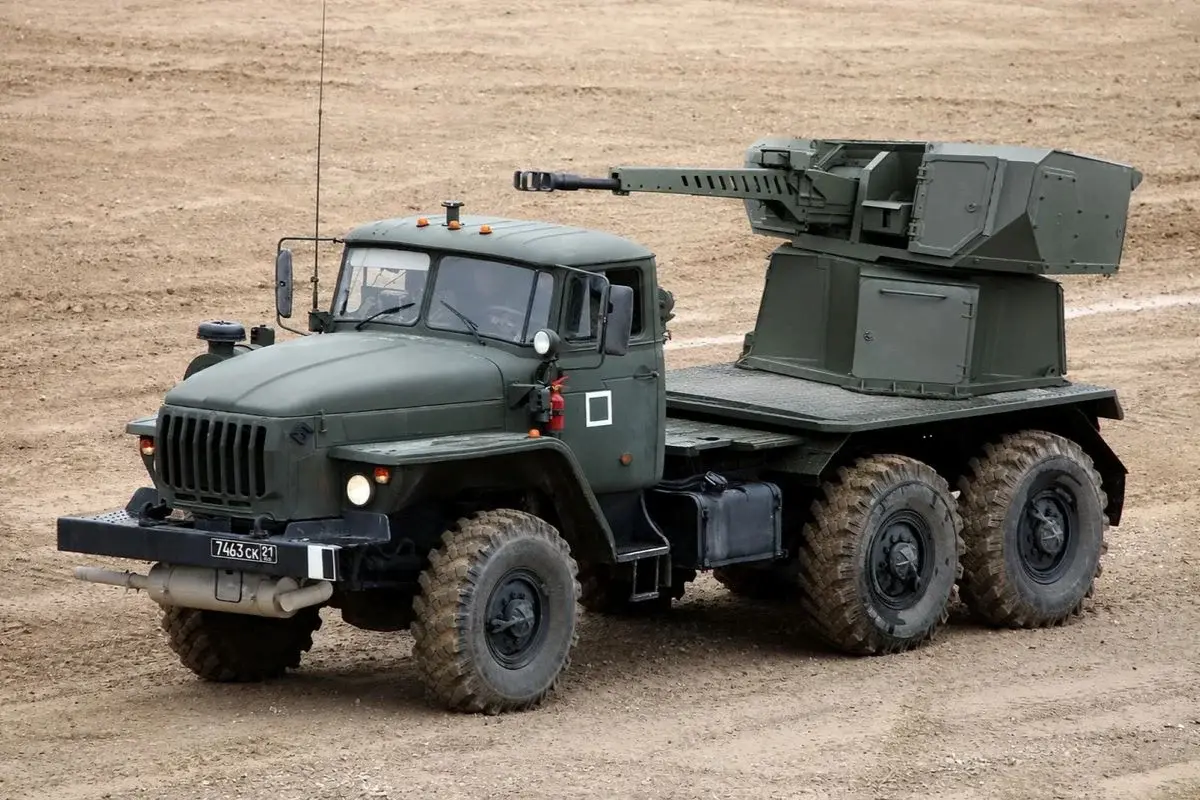
Following initial testing, the Russian military is now developing a highly mobile version mounted directly onto a heavy Ural truck chassis. This deployable configuration will allow individual artillery modules to reposition rapidly and actively protect moving military convoys on the battlefield.
)
)
)
)
)