'Maintenance, training and missiles': Inside the true cost of operating an S-400 battery

The true cost of operating an S-400 battery far exceeds its USD 1.25 billion price tag. From multi-million-dollar interceptor missiles and constant maintenance to the severe geopolitical cost of US sanctions, sustaining this Russian air defence system is astronomically expensive.
The Billion-Dollar Baseline
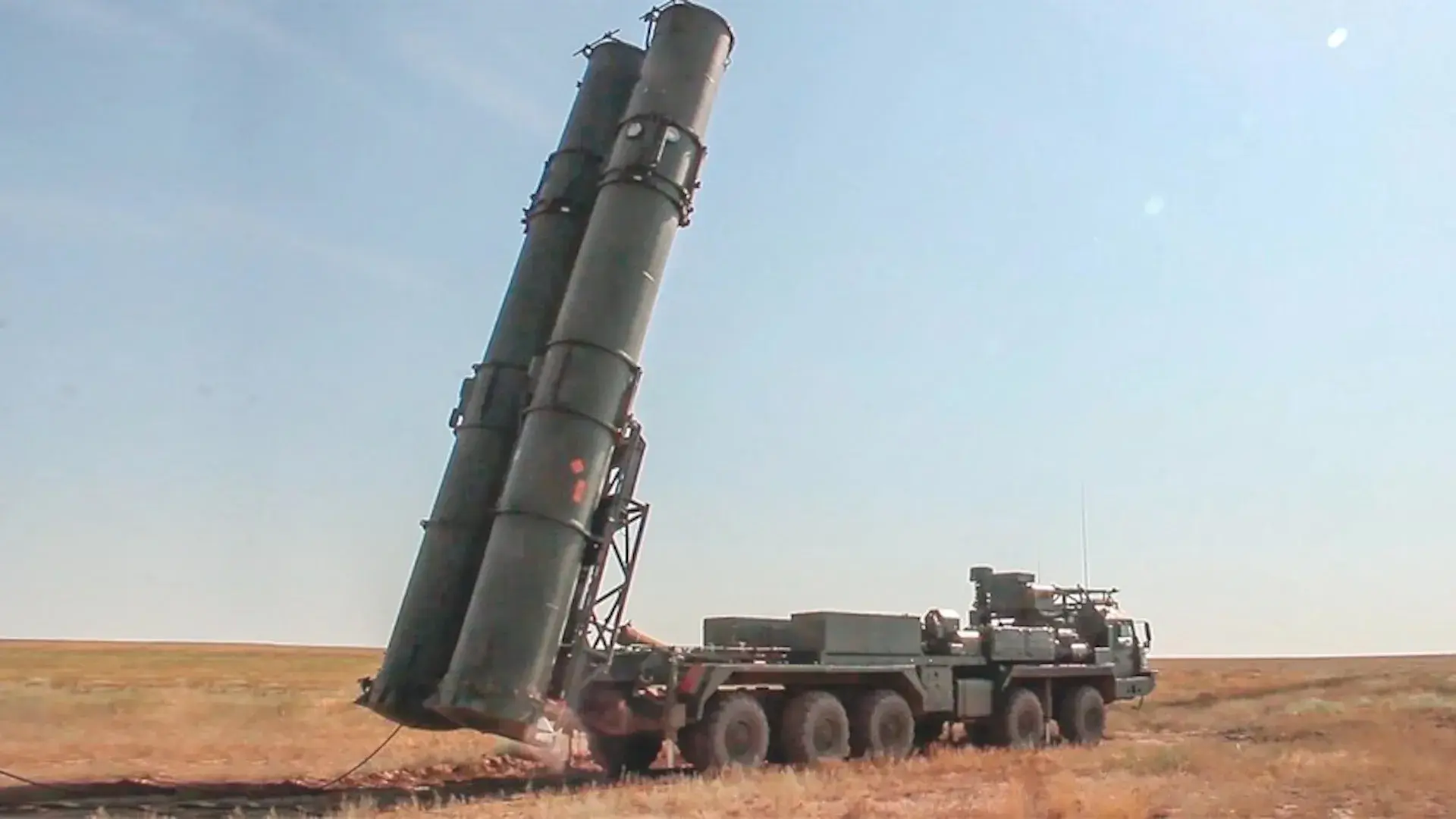
Acquiring the Russian-made S-400 Triumf requires a massive upfront investment. While an export battery initially costs approximately USD 1.25 billion, military analysts warn this massive sticker price is merely a down payment on a highly expensive operational lifecycle.
The Price of Interceptors
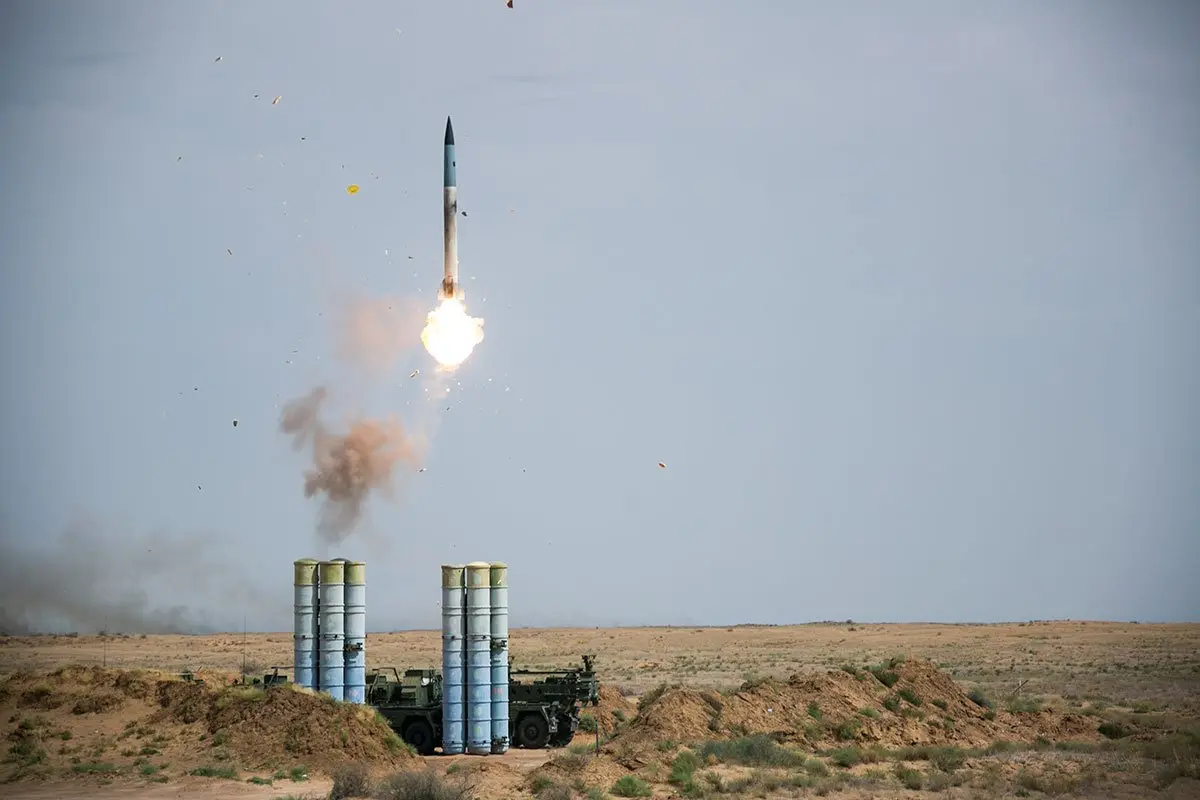
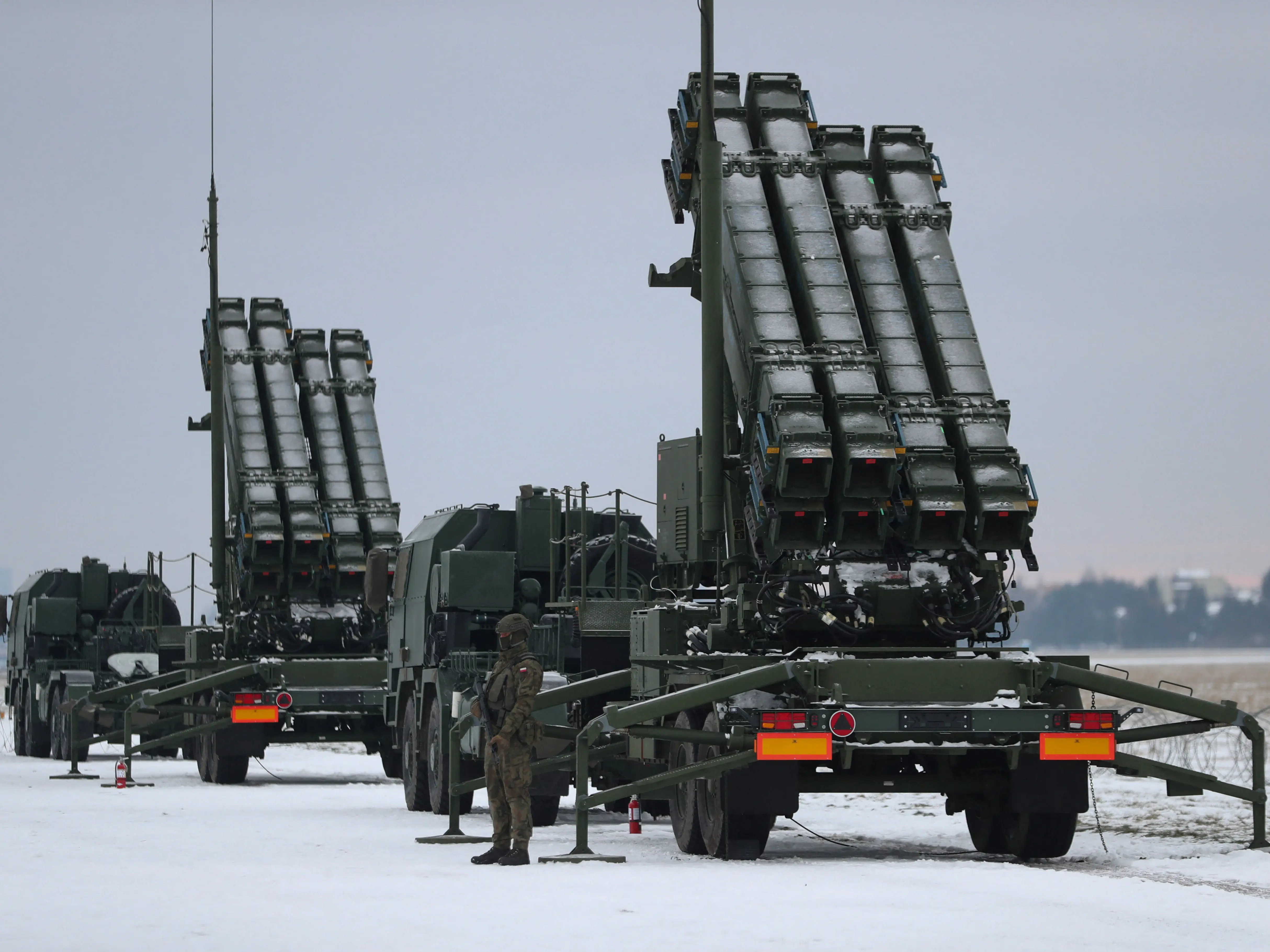
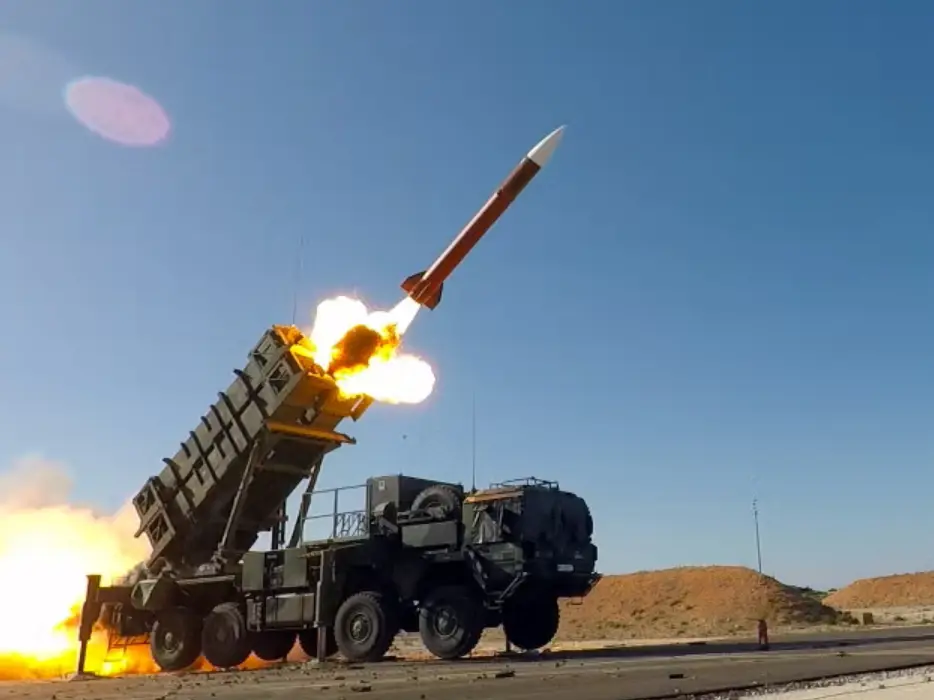
The physical missiles fired by the strategic air defence system are incredibly expensive to manufacture and replace. A single long-range 40N6E or medium-range 9M96E interceptor costs between USD 1 million and USD 3.73 million, meaning a fully loaded battery holds hundreds of millions in ordnance.
The Asymmetric Warfare Drain
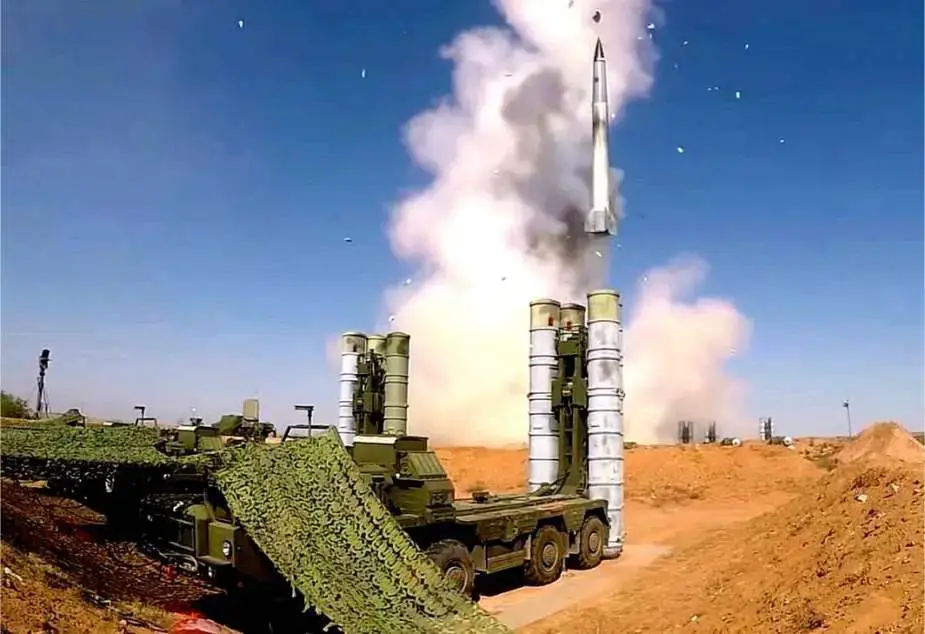
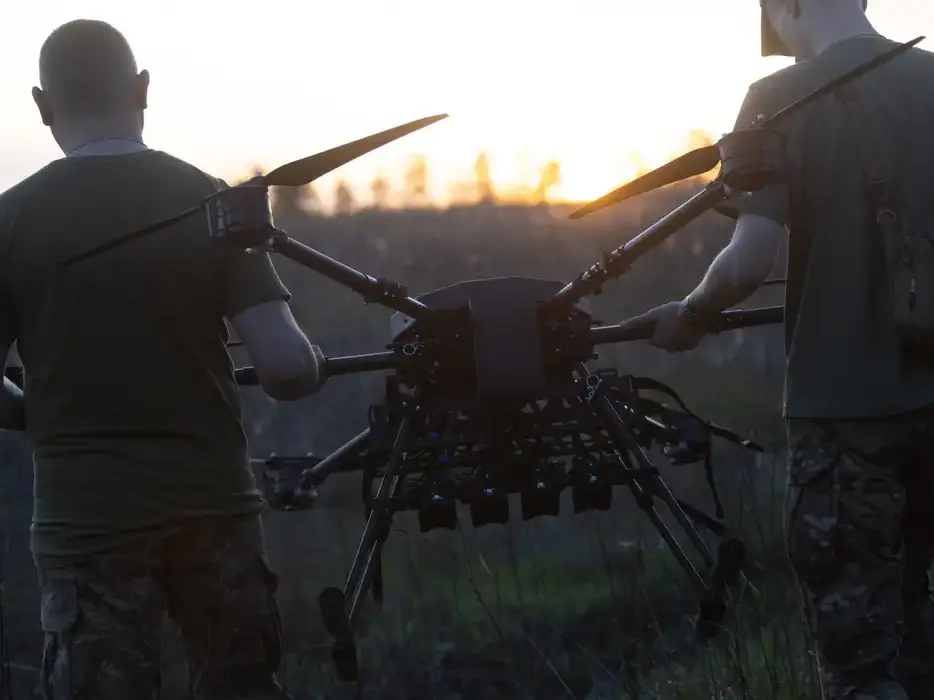
Using this advanced system against cheap, disposable threats creates a severe financial drain on military budgets. Firing a multi-million-dollar hypersonic interceptor to shoot down a USD 20,000 kamikaze drone is an economically losing proposition that rapidly depletes the battery's costly ammunition.
Maintenance and Software Overhauls
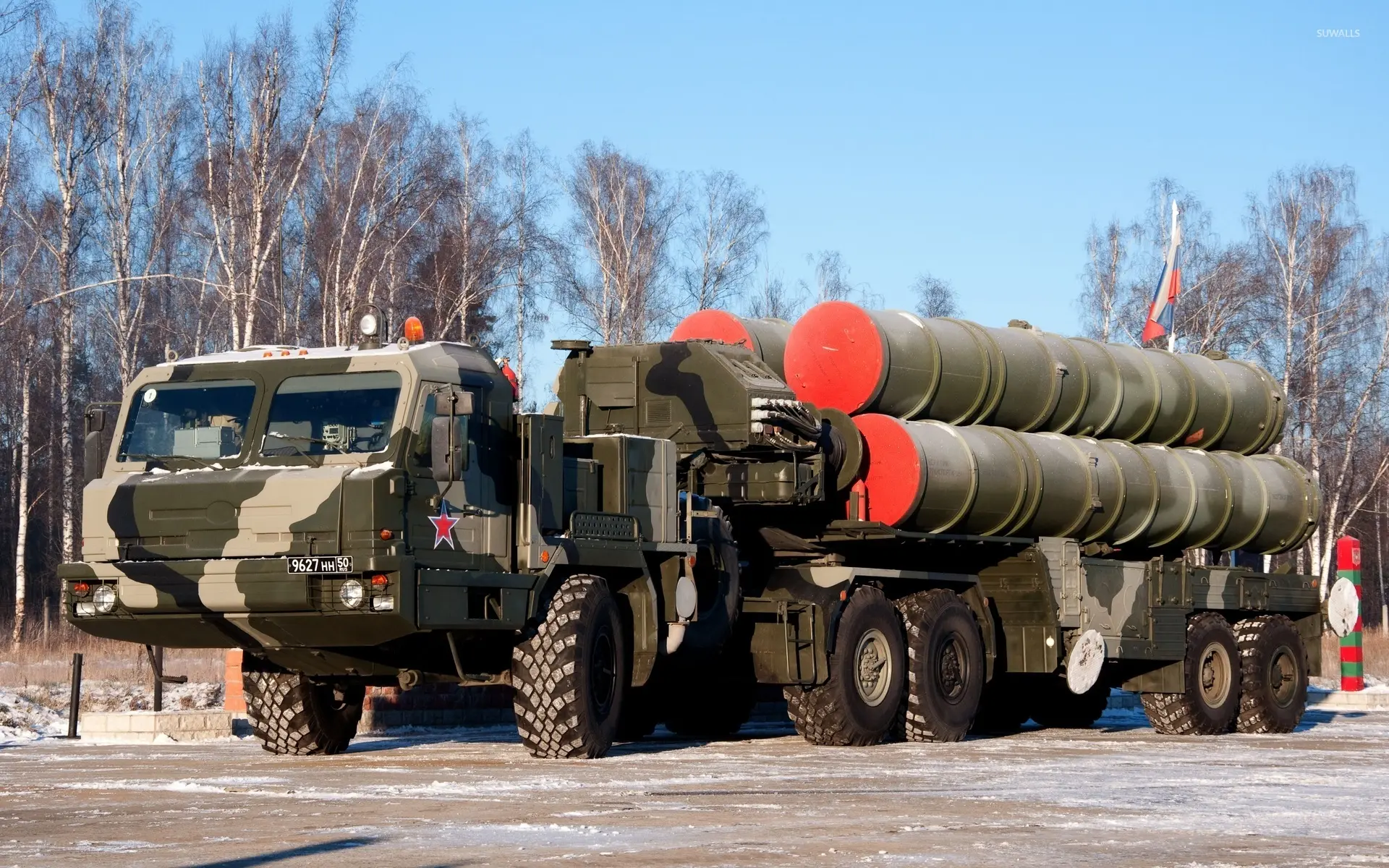
Like any advanced weapon, the S-400 requires constant upkeep and software reprogramming to counter modern electronic warfare. Over a standard 30-year operational lifecycle, routine maintenance, radar servicing, and essential digital upgrades often consume up to 70 per cent of the system's total cost.
Training and Logistics
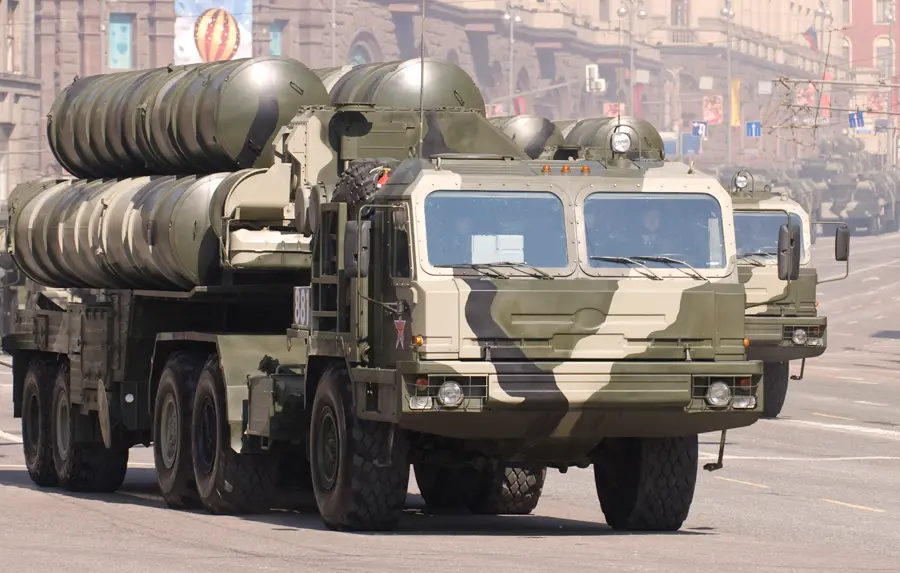
Operating the expansive network of radars, command posts, and launchers requires dozens of highly specialised personnel. The annual cost of retaining trained crews, conducting live-fire exercises, and sourcing proprietary spare parts directly from Russian manufacturers adds immense operational overhead.
The Interoperability Tax
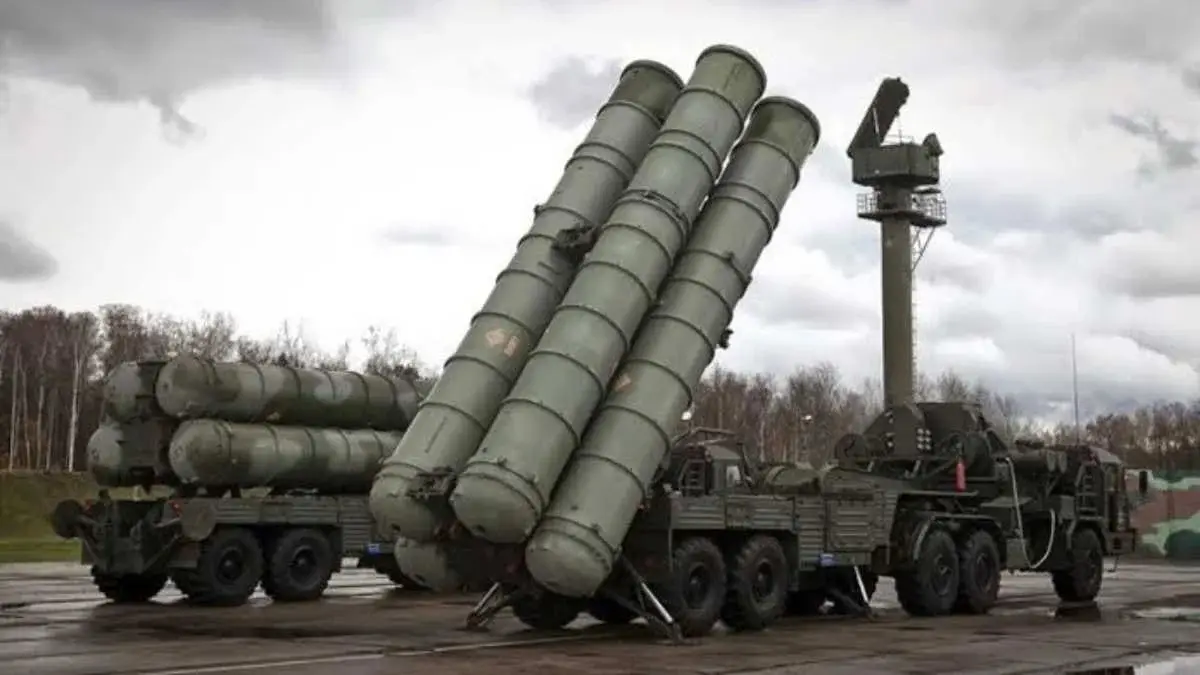
For nations like India, operating Russian equipment alongside Western or indigenous hardware creates hidden logistical expenses. Maintaining entirely separate supply chains, isolated maintenance depots, and unique training protocols for the S-400 significantly inflates a military's long-term operating budget.
Severe Geopolitical Costs
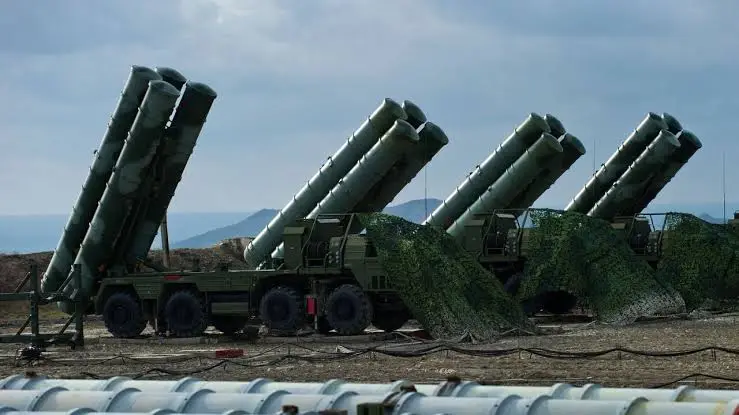
The true cost of the S-400 extends far beyond simple financial expenditures. Purchasing the system automatically triggers the US CAATSA law, subjecting the buyer to crippling economic sanctions and expulsion from advanced Western military programmes, such as the F-35 stealth fighter initiative.
)
)
)
)
)