Why does the B-52 bomber still use eight engines?

The B-52 bomber retains its eight-engine layout because upgrading to four larger engines causes fatal asymmetric thrust. The aircraft's narrow rudder cannot counter the extreme drag. Instead, the B-52J receives eight new Rolls-Royce F130 engines.
The 1940s Power Problem
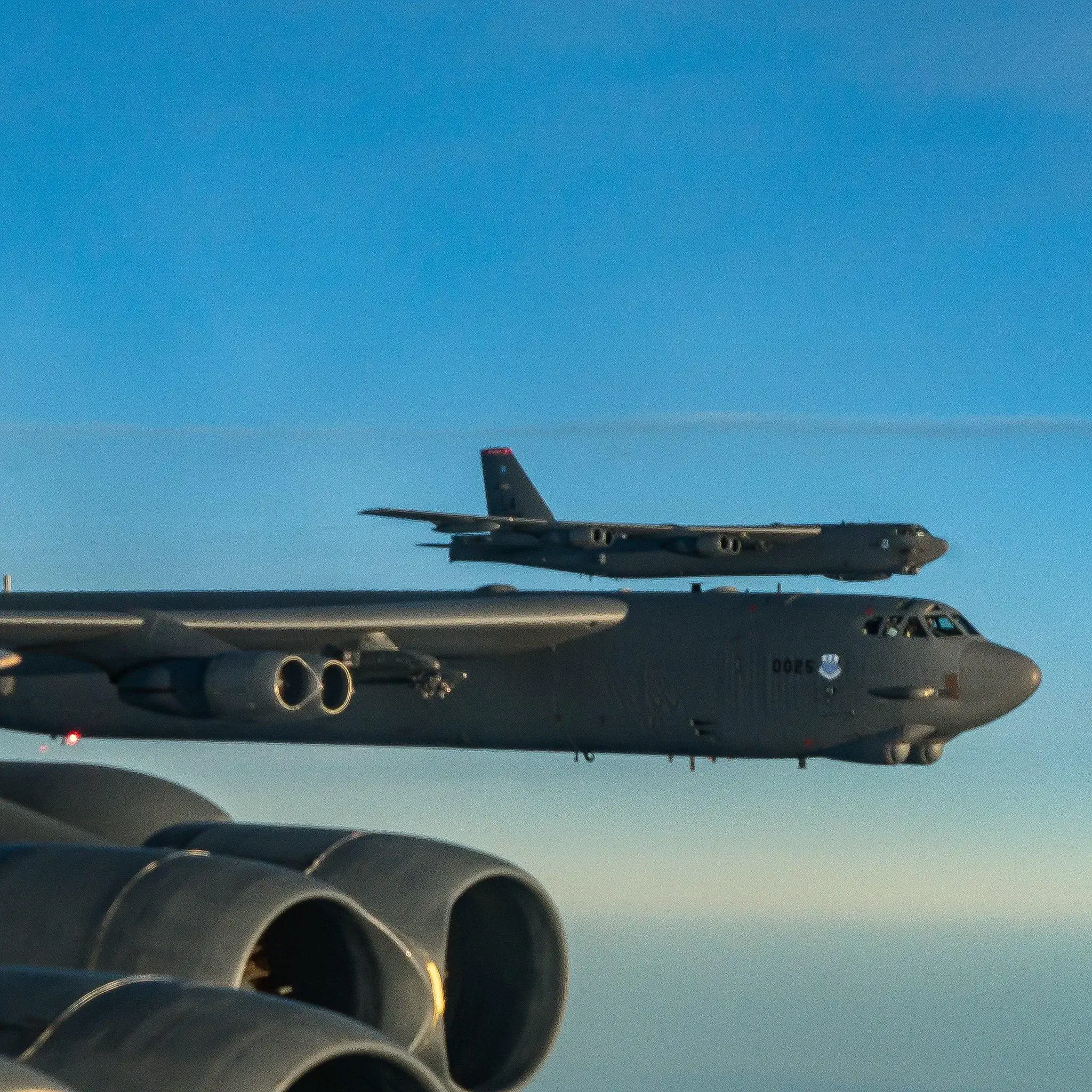
When Boeing originally designed the B-52 Stratofortress in the late 1940s, early jet technology was severely underpowered. Engineers were forced to group eight turbojets together in twin-pod configurations simply to lift the heavy bomber into the stratosphere.

The Four-Engine Dilemma
Modern aerospace technology easily allows the heavy aircraft to fly using just four massive commercial engines. However, the US Air Force consistently rejects a four-engine upgrade because it introduces dangerous aerodynamic risks that threaten the bomber's survival.

The Asymmetric Thrust Trap
Losing a single massive engine on a four-engine bomber creates violent asymmetric thrust. This extreme drag would instantly and uncontrollably pull the aircraft's nose toward the dead engine, making it physically impossible for the pilot to maintain straight flight.

The Rudder Limitation
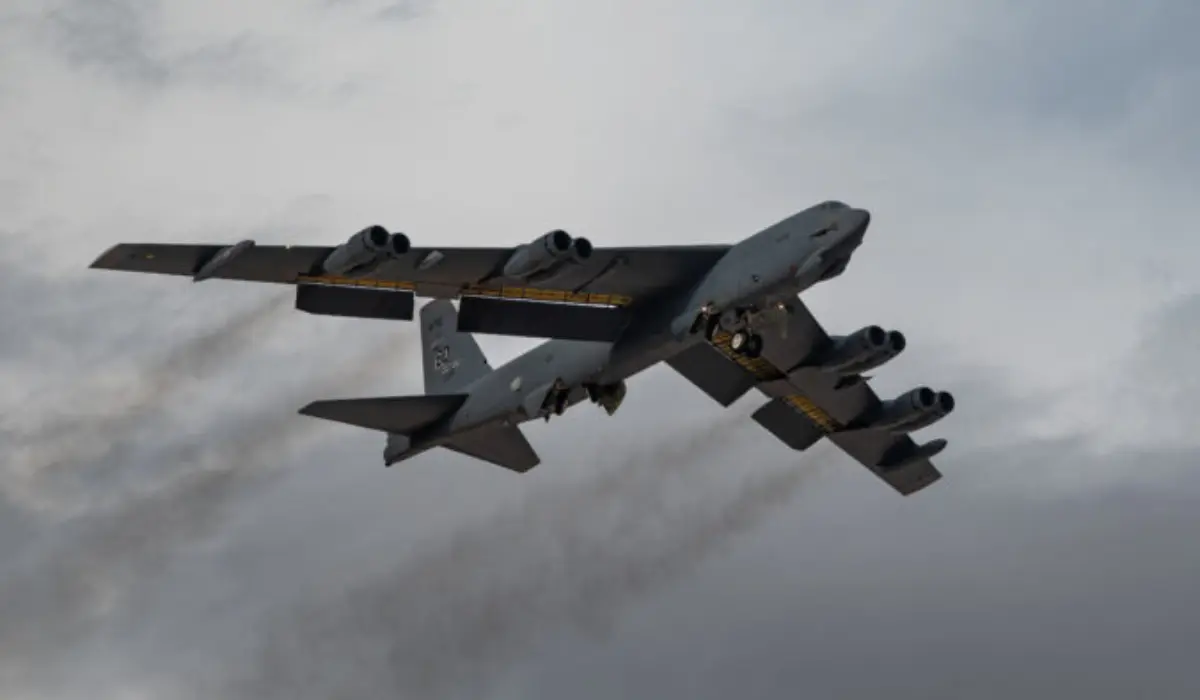
Standard commercial aircraft fight asymmetric thrust using large tail rudders to steer against the drag. The Cold War-era bomber features an exceptionally narrow rudder that simply lacks the physical surface area required to counter the loss of a massive high-bypass engine.
A Billion-Dollar Redesign
Upgrading to a four-engine layout requires completely redesigning the aircraft's wings, internal fuel plumbing, and flight controls. The military concluded this structural overhaul would be astronomically expensive, heavily delaying the strategic bomber fleet's return to active combat readiness.

Ground Clearance Hazards
Modern high-bypass turbofans are significantly larger in diameter than the bomber's original 1960s powerplants. Hanging four massive commercial engines beneath the wings creates severe ground clearance issues, risking catastrophic engine strikes on the runway during takeoff and landing.

The Rolls-Royce Solution
To avoid these severe engineering risks, the Pentagon is executing the B-52 Commercial Engine Replacement Program. By safely installing eight modern Rolls-Royce F130 engines into the original twin-pod layout, the resulting B-52J variant will fly efficiently into the 2050s.
)
)
)
)
)