From Agni to Sudarshan Chakra: Hindu mythology and Indian cosmology in names of missiles, defence systems and assets of navy, army, air force

What's the secret behind the beautiful and powerful names of Indian missiles, aircraft carriers, and other military assets? Shedding the colonial naming conventions, India has in the past decades turned to Hindu mythology, cosmology and uniquely Indian legends and concepts
Towards an indegenous identity for Indian defence
Indian defence forces have given some of the most unique names for their missiles, warships, aircraft, and strategic systems. Many of these names are derived from Hindu mythology, cosmology and Indian legends — from Agni and Prithvi to the newly unveiled Sudarshan Chakra. What are the cultural and religious roots of these names? Join this journey to discover the indigenous identity of India's military modernisation.
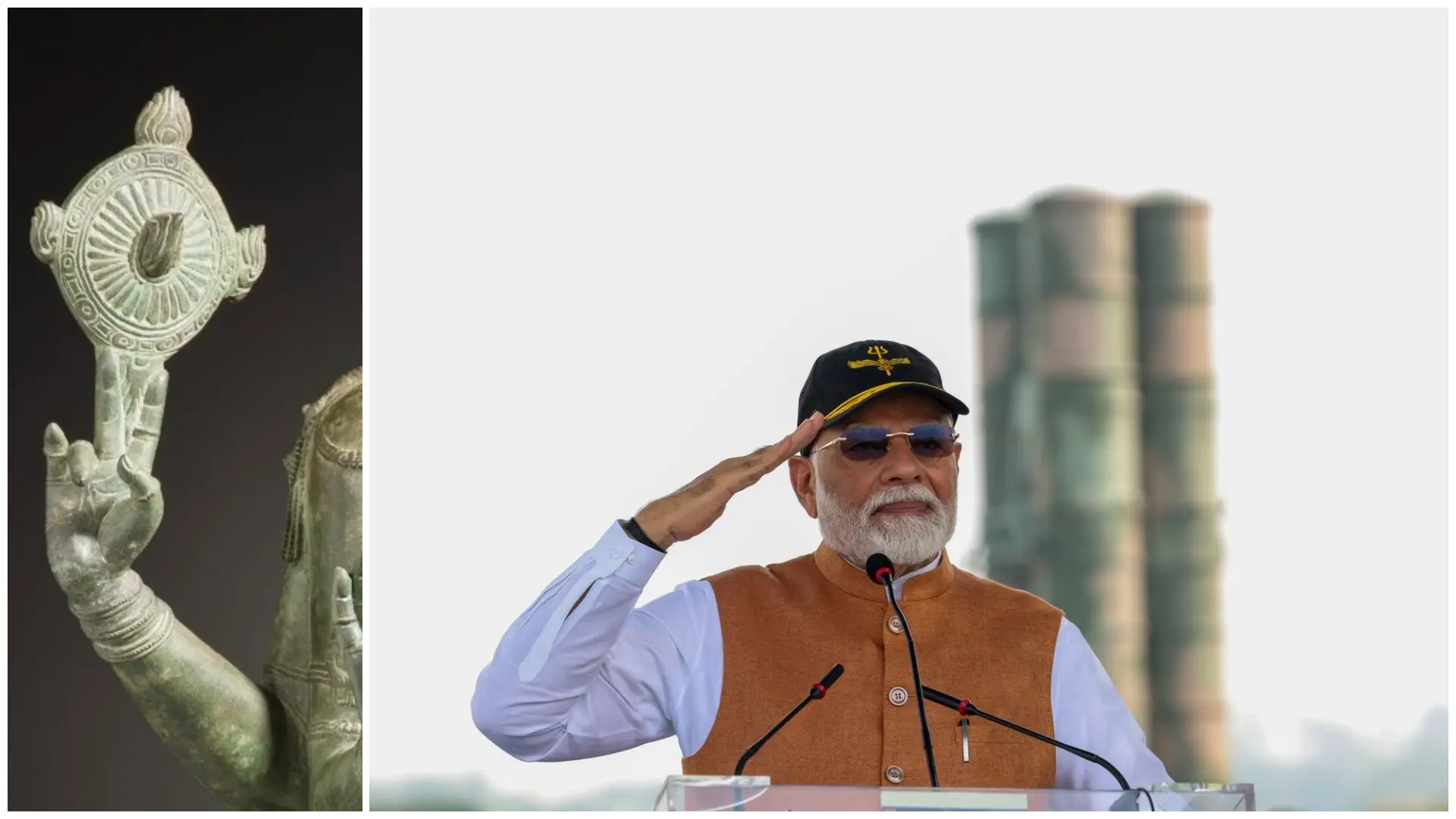
Sudarshan Chakra air defence system
The Sudarshan Chakra is a divine discus weapon of Lord Vishnu, which is described in Hindu texts as all-destructive. It revolves around the finger of Vishnu, can go and destroy enemies, and return to his finger. The Sudarshan Chakra is a symbol of precision, speed, and the destruction of evil. It is mentioned in holy texts as having 108 serrated edges and represents cosmic order, invincibility, and eternal vigilance. There is no other name that can capture the ambition of India’s planned air defence system, which could one day replace the Russian-made S-400 (shown in this picture behind Indian Prime Minister Narendra Modi).

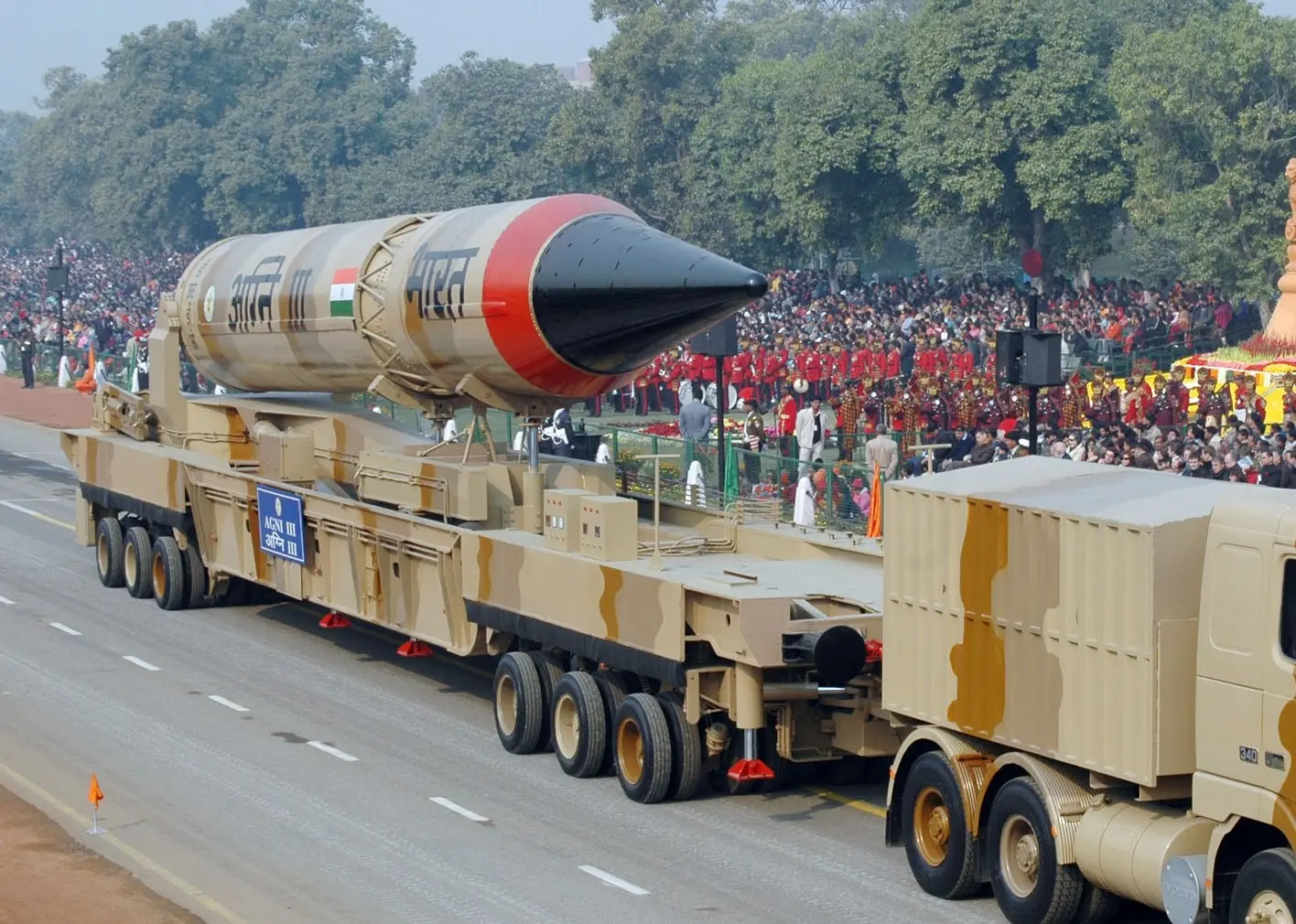
Agni missile series
Agni, literally meaning fire, is also a reference to the god of fire. India’s long-range, nuclear-capable intercontinental ballistic missiles are named after Agni, the god representing destructive power.
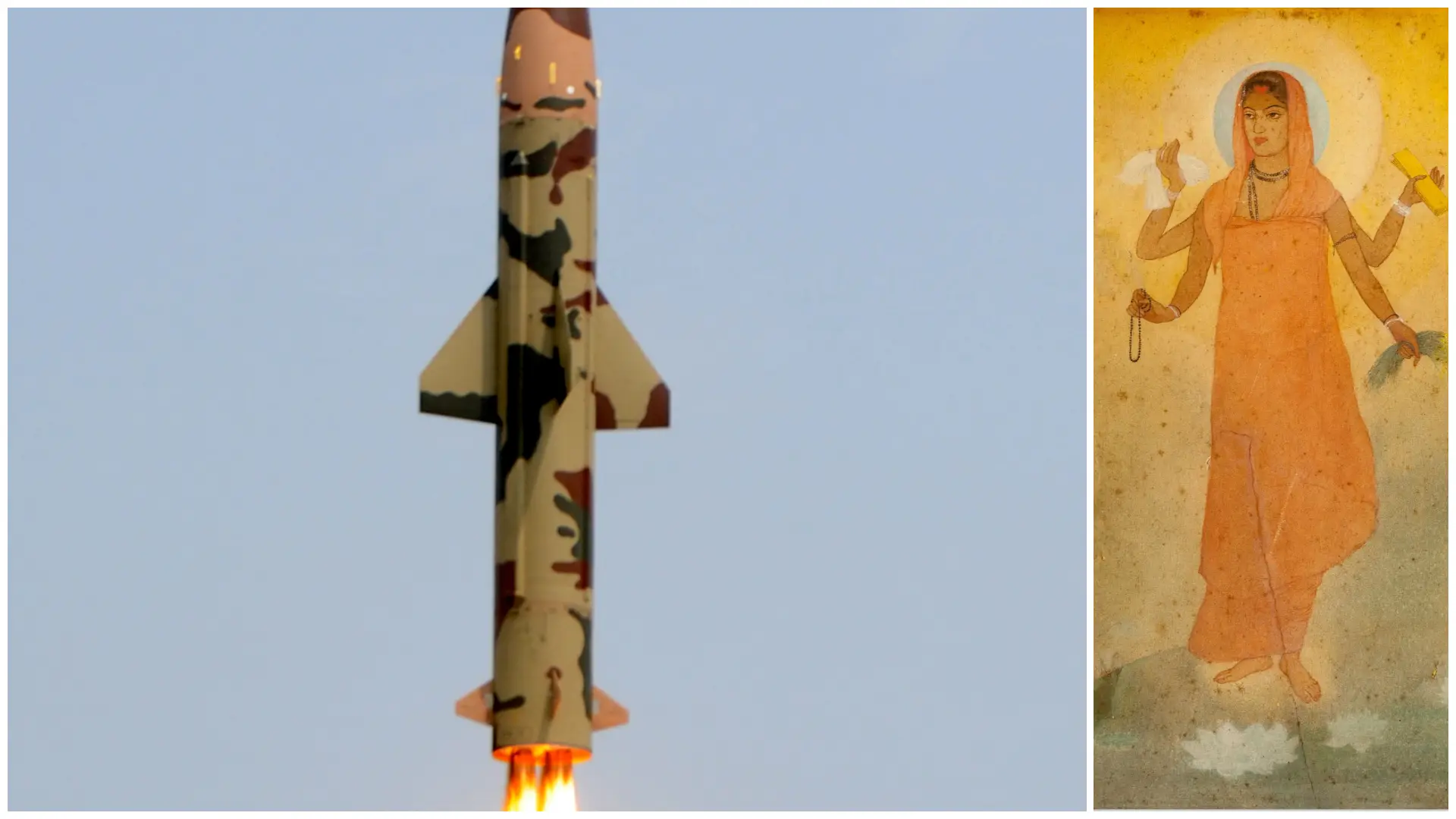
Prithvi missile
Prithvi is India's first indigenous short-range ballistic missile (SRBM) system. The missile's name litearlly means Earth in sanksrit, and could be inspired from the goddess Earth. As tactical missiles, their naming denotes stability and ground warfare.
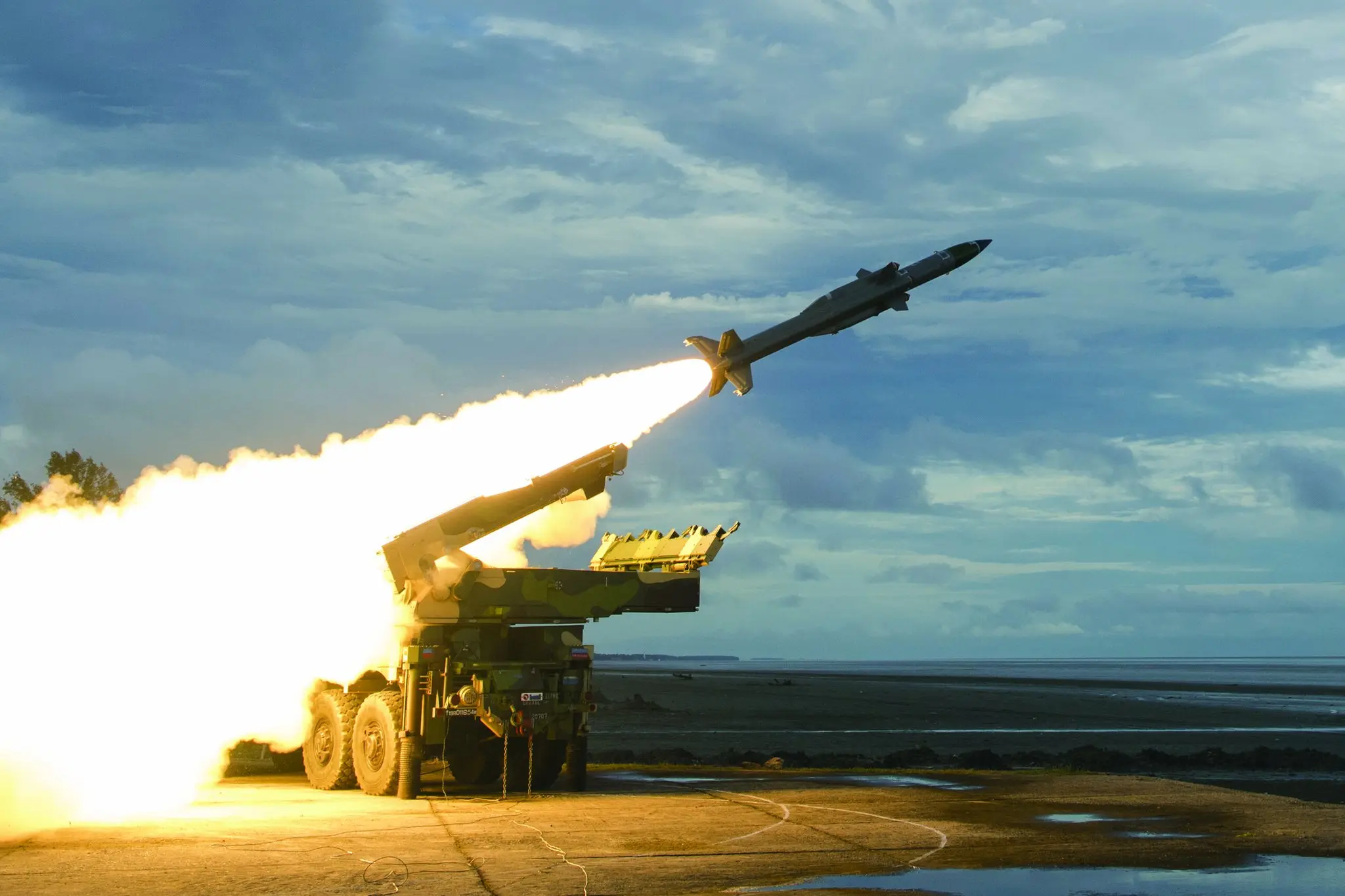
Akash surface to air missile
Akash is the Sanskrit name for sky, which is also the abode of many gods in Hindu mythology. Akash surface-to-air missiles embody protection and surveillance.
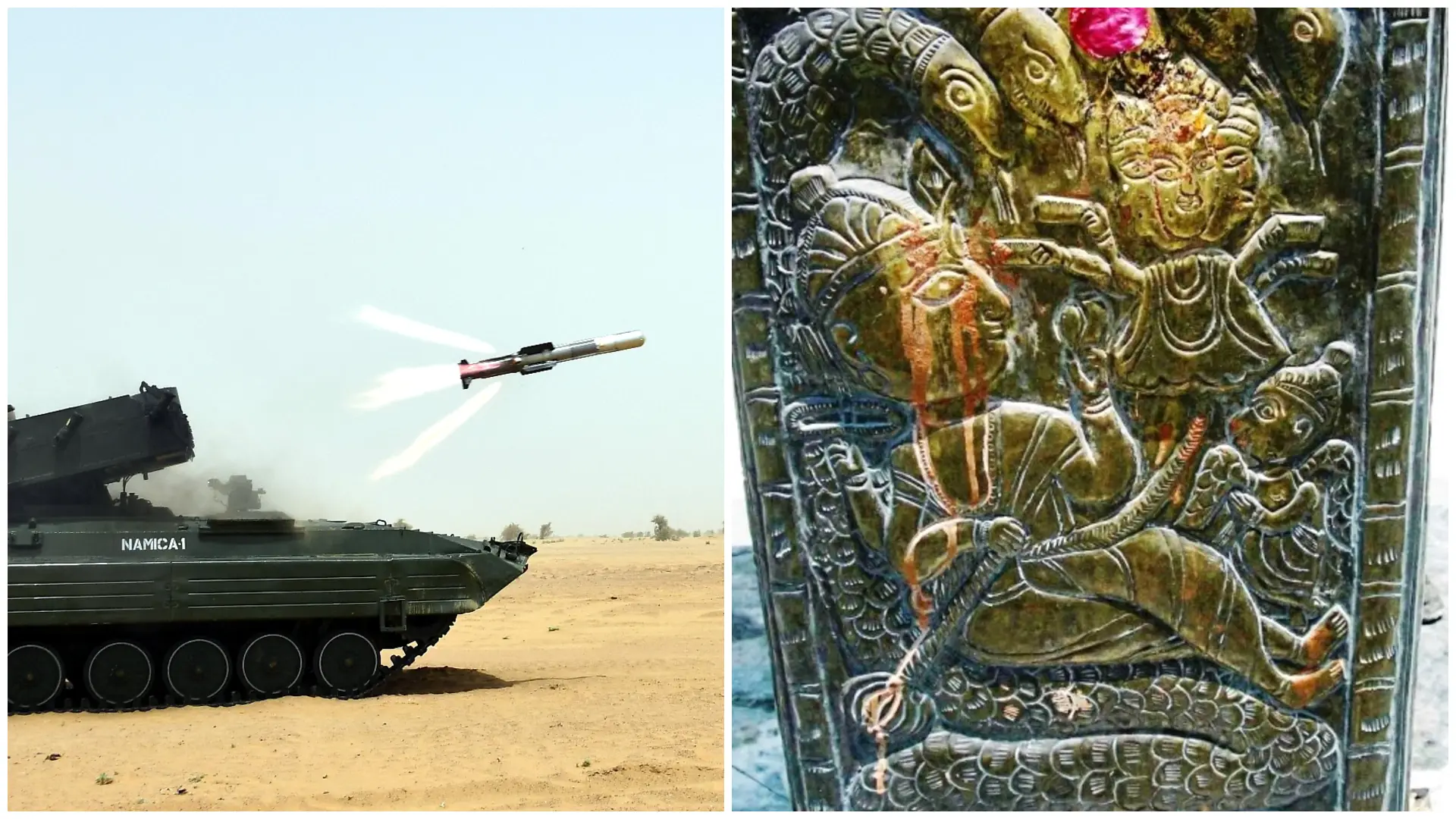
Nag missile
Nag or Naga is the Sanskrit name for devine serpants, which are revered and feared in same measure in Hindu belief system. It is also the name of India’s anti-tank missiles, signifying stealth and deadly precision.
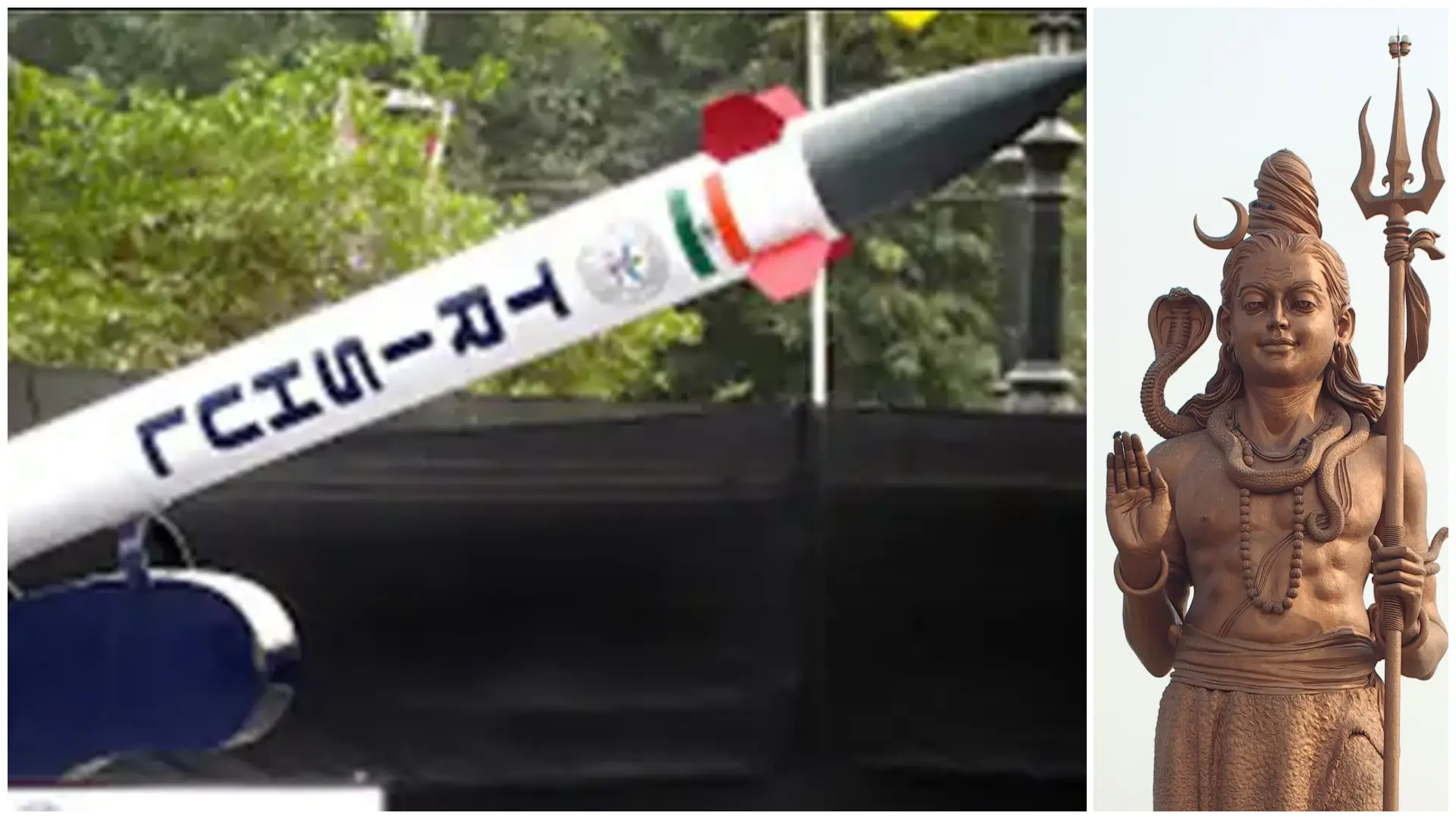
Trishul missile
Trishul refers to the trident of Lord Shiva. The name given to this short-range missile symbolises destructive power. The low-level, quick-reaction surface-to-air missile (SAM) system was developed as part of India's ambitious Integrated Guided Missile Development Programme (IGMD
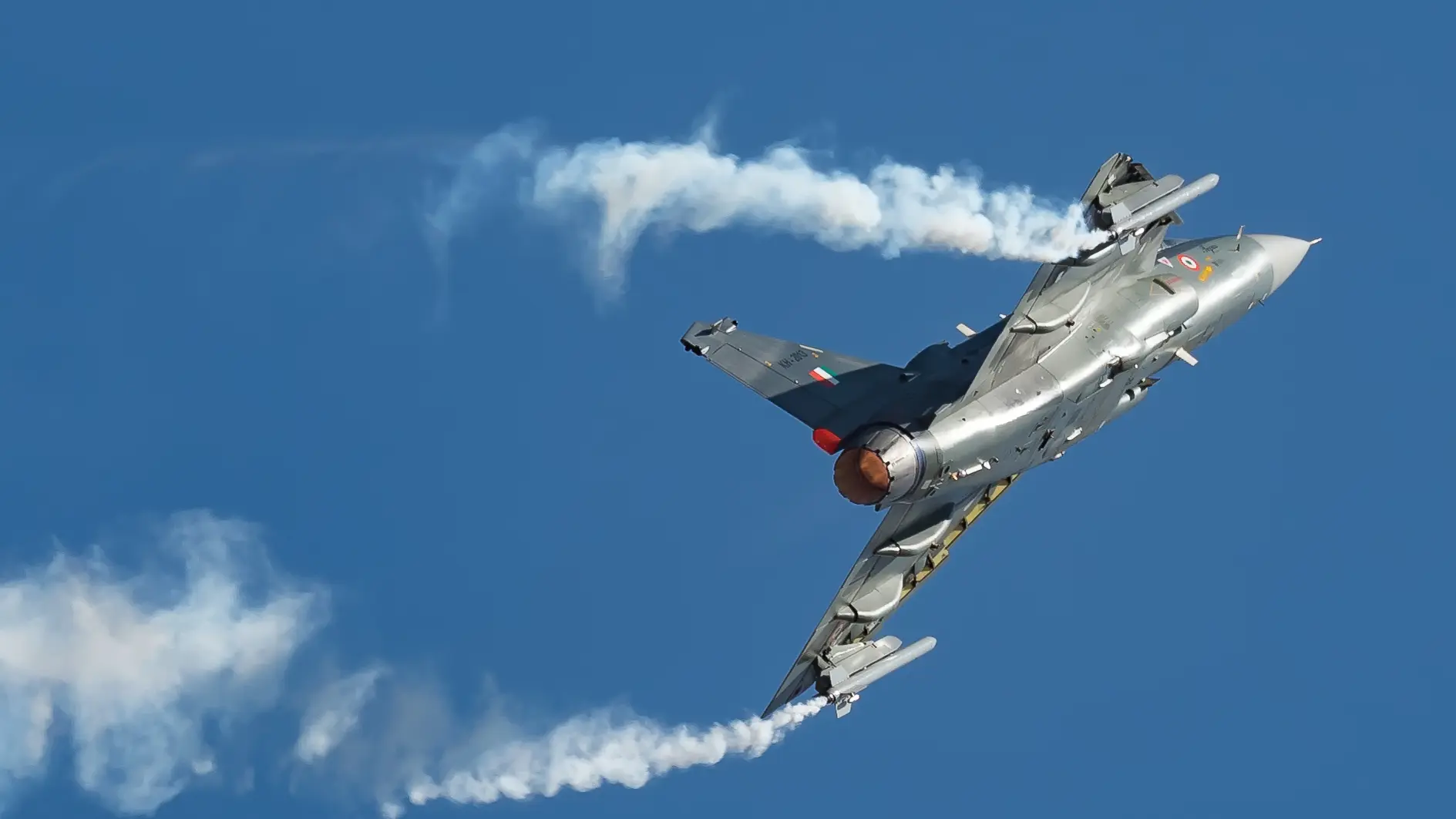
Tejas Light Combat Aircraft
In Hindu texts and the Sanskrit language, the word Tejas is often used to refer to radiance, brilliance or aura. It is also the name of India’s indigenously developed light combat aircraft, denoting brilliance and agility.

Dhruv mDhruv multi-role helicopterINS Vikramaditya, INS Vikrant and other Navy assetsulti-role helicopter
In Indian cosmology, Dhruv refers to the Pole Star. Dhruva was a devotee of Lord Vishnu, who got the permanent position of the polar star for his devotion, as per Hindu mythology. Naming India’s multi-role helicopter Dhruv reflects guidance and reliability.

INS Vikramaditya, INS Vikrant and other Navy assets
India's warships INS Vikramaditya and INS Vikrant are named after legendary and mythological warriors to symbolise valour and victory.
Arihant-class submarines are named after the Sanskrit word meaning ‘destroyer of enemies’. The name is intended to represent underwater deterrence.
Sagarika, India's submarine-launched ballistic missile (SLBM), bears the Sanskrit name for the ocean, implying stealth and reach.
)
)
)
)
)