Rs 5,933 crore, 1,600km undersea cable route can connect Antarctica to the world. There is one problem

&imwidth=600&imheight=450&format=webp&quality=medium "Rs 5,933 crore, 1,600km undersea cable route can connect Antarctica to the world. There is one problem")
Antarctica depends on satellite internet which leads to bandwidth being limited to scientific research.
Given the giant icebergs, Antarctica does not use cables for the internet. Instead, the research bases are entirely dependent on satellites and hard drives that are sent out on ships. Now, a study has proposed an undersea fibre-optic cable across the Drake Passage to connect it to the world.
Antarctica does not use undersea fibre-optic cables for the internet and is entirely dependent on satellites and hard drives that leave the continent in suitcases. This is why bandwidth is restricted and prioritised for scientific operations, and the people there are not exactly connected to anyone else outside the continent. But now a study has shown that building an undersea fibre-optic cable across the Drake Passage to connect Antarctica to the global network is technically viable. However, just gaining permissions and funding can take nearly eight years.
Currently, data from Antarctica is carried on hard drives on ships and planes "in suitcases full of hard drives," said Juan Pablo, a team leader in the pre-feasibility study.
Conducted by Chile’s telecommunications regulator (Subtel), the study recommends having an instrumented cable carrying a dedicated fibre pair to each Antarctic landing. The proposed cable would provide dedicated fibre pairs rated at 15 to 30 Tbit/s per landing point, which would allow data to be transmitted in real time.
Proposed routes and cost for the fibre cable
The study proposes two routes and the costs attached to them. First is a minimum configuration serving three facility groups around King George Island and the northern Antarctic Peninsula. It would be approximately a 1,600 km link.
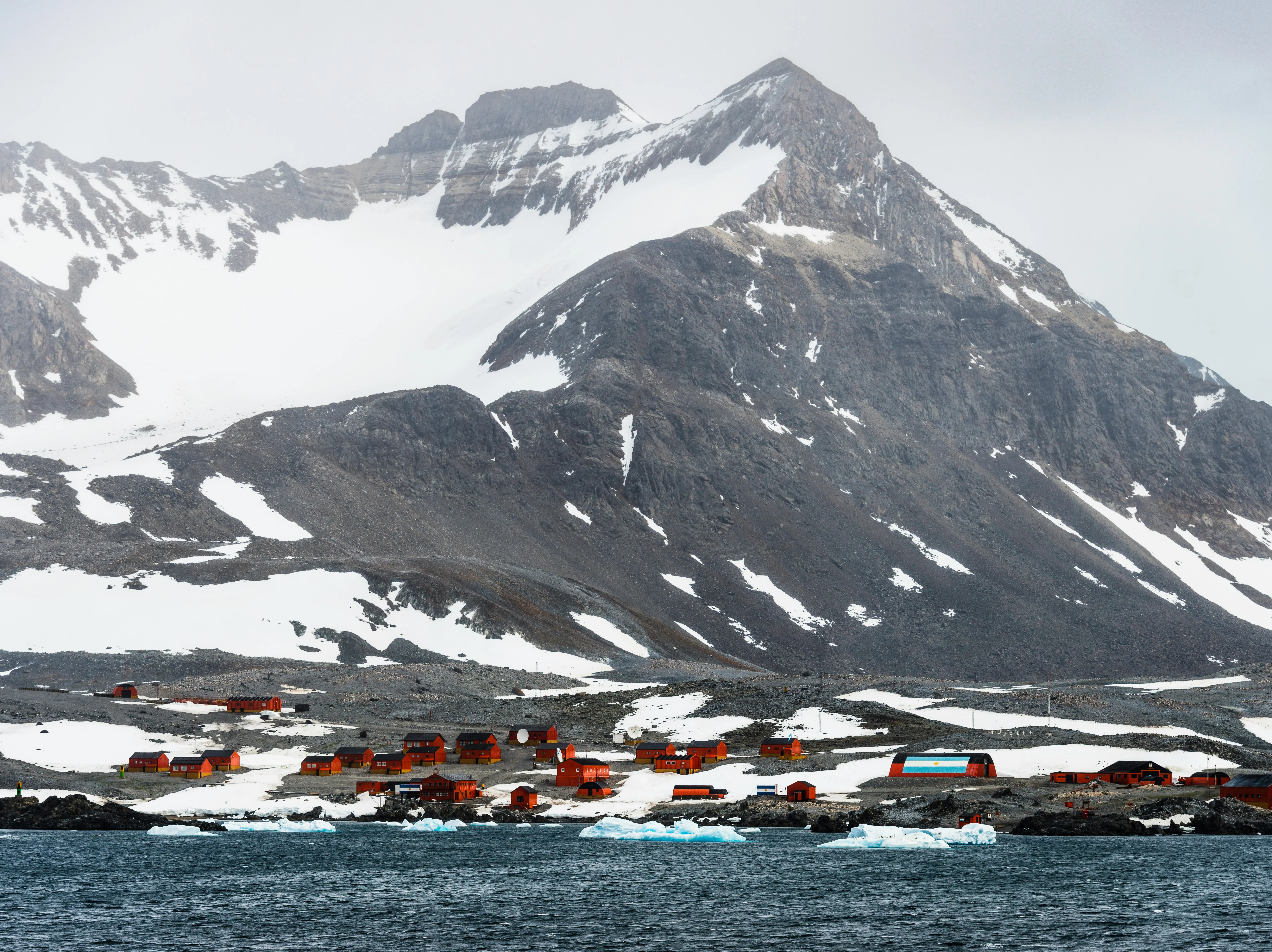
The second is an optimal configuration with nine Antarctic landing points. The approximately 4,100 km system would connect research bases run by Chile, Argentina, Brazil, the United States, and the United Kingdom. Each of them will be linked to landings at Punta Arenas and Puerto Williams in southern Chile and routed across the Drake Passage.
Trending Stories
&imwidth=280&imheight=210&format=webp&quality=medium)
&imwidth=280&imheight=210&format=webp&quality=medium)
&imwidth=280&imheight=210&format=webp&quality=medium)
&imwidth=280&imheight=210&format=webp&quality=medium)
&imwidth=280&imheight=210&format=webp&quality=medium)
&imwidth=280&imheight=210&format=webp&quality=medium)
&im=FitAndFill=(700,400)&imwidth=280&imheight=210&format=webp&quality=medium)
&imwidth=280&imheight=210&format=webp&quality=medium)
&imwidth=280&imheight=210&format=webp&quality=medium)
&imwidth=280&imheight=210&format=webp&quality=medium)
&imwidth=280&imheight=210&format=webp&quality=medium)
&imwidth=280&imheight=210&format=webp&quality=medium)
&imwidth=280&imheight=210&format=webp&quality=medium)
&imwidth=280&imheight=210&format=webp&quality=medium)
&imwidth=280&imheight=210&format=webp&quality=medium)
&imwidth=280&imheight=210&format=webp&quality=medium)
&imwidth=280&imheight=210&format=webp&quality=medium)
&im=FitAndFill=(700,400)&imwidth=280&imheight=210&format=webp&quality=medium)
&imwidth=280&imheight=210&format=webp&quality=medium)
&imwidth=280&imheight=210&format=webp&quality=medium)
&imwidth=280&imheight=210&format=webp&quality=medium)
&imwidth=280&imheight=210&format=webp&quality=medium)
&imwidth=280&imheight=210&format=webp&quality=medium)
&imwidth=280&imheight=210&format=webp&quality=medium)
&imwidth=280&imheight=210&format=webp&quality=medium)
&imwidth=280&imheight=210&format=webp&quality=medium)
&imwidth=280&imheight=210&format=webp&quality=medium)
&imwidth=280&imheight=210&format=webp&quality=medium)
&imwidth=280&imheight=210&format=webp&quality=medium)
&imwidth=280&imheight=210&format=webp&quality=medium)
&im=FitAndFill=(700,400)&imwidth=280&imheight=210&format=webp&quality=medium)
&imwidth=280&imheight=210&format=webp&quality=medium)
&imwidth=280&imheight=210&format=webp&quality=medium)
&imwidth=280&imheight=210&format=webp&quality=medium)
&imwidth=280&imheight=210&format=webp&quality=medium)
&imwidth=280&imheight=210&format=webp&quality=medium)
&imwidth=280&imheight=210&format=webp&quality=medium)
The line would be different from commercial subsea cables and would embed SMART sensors along the ocean floor. Drake Passage weather, ice scour at the Antarctic landings, and installation methods uncommon in Antarctica would be other things where the two would differ.
Challenges and hurdles
The project would face two major challenges. The first would be the installation period, with only a short one available and spread across three austral summers inside the December-to-January window. Second is to prevent damage from iceberg ice scour. For this, horizontal directional drilling at the Antarctic landfalls and double-armoured cable are recommended.
The report does not give immediate clearance for the construction of the cables. The process of simply acquiring permissions and funding could span eight years. The report has been submitted to Chile’s Ministry of Foreign Affairs and Antarctic Policy Council for international approval and financing.