&imwidth=800&imheight=600&format=webp&quality=medium "Antarctica feels the heat in June as temperature soars 20 degrees Celsius above normal")
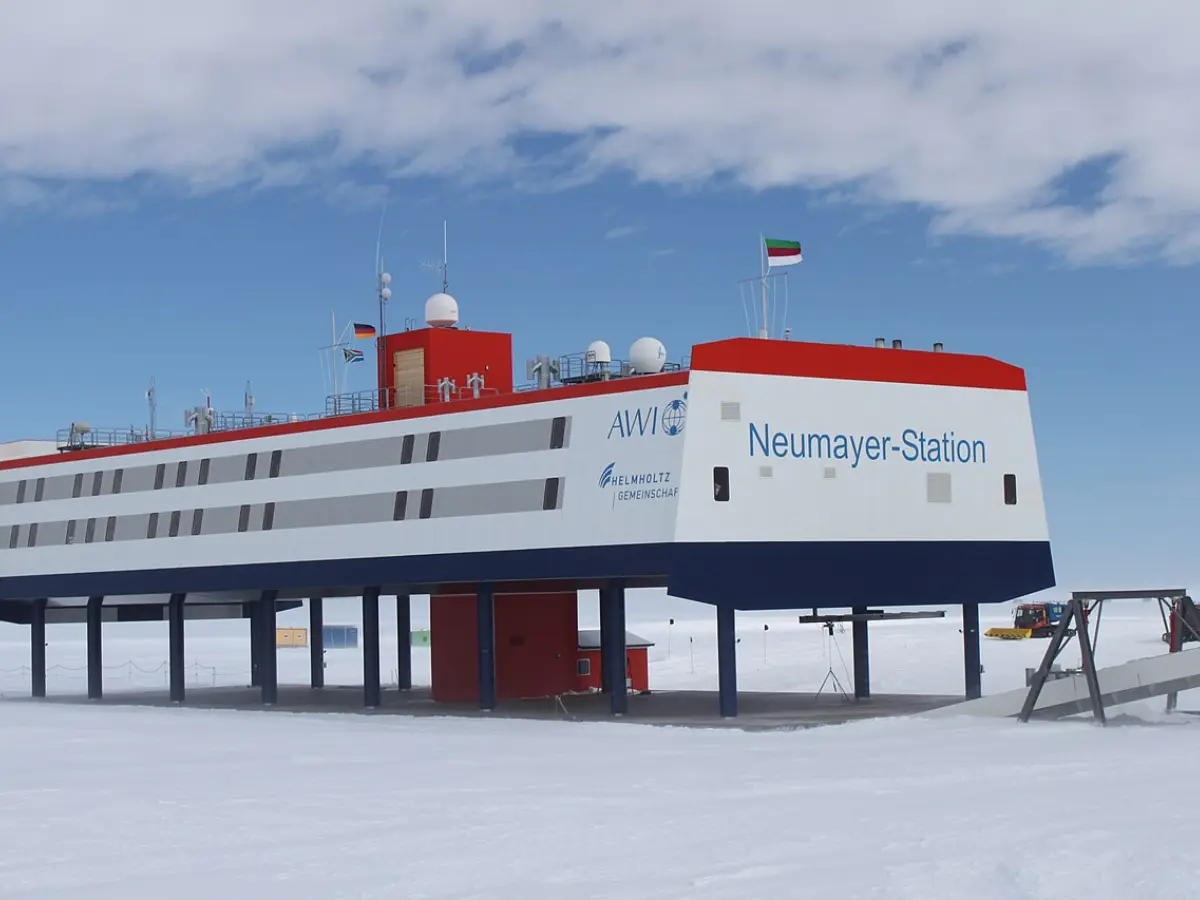
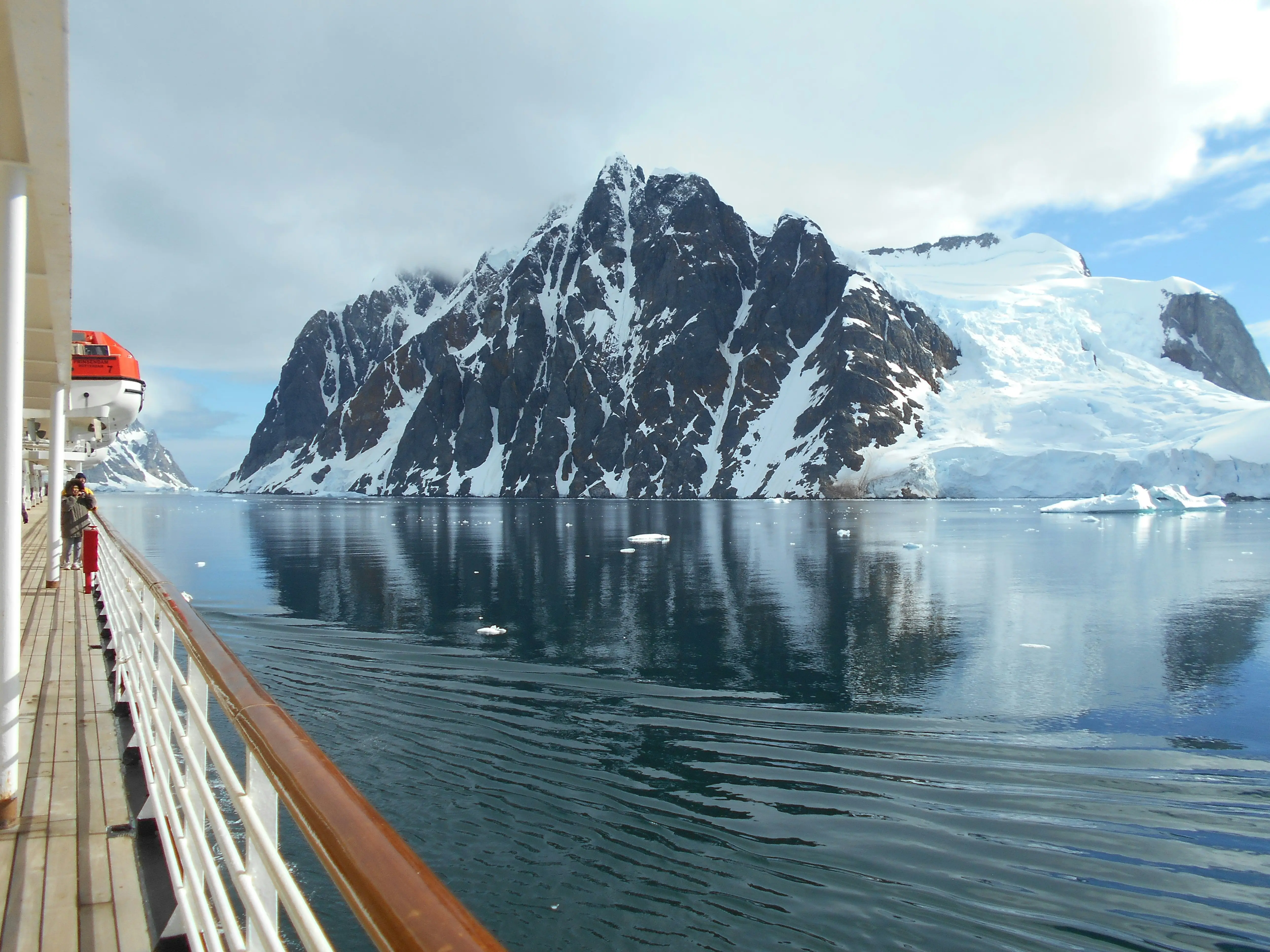
Antarctica is in the grips of a heatwave as scientists recorded temperatures as high as 15.4 degrees Celsius on June 6. Guardian reported that the occurrence was witnessed by researchers stationed on the Trinity Peninsula. Climate professor at the University of Groningen, Raúl Cordero, told the outlet, "It is also about 20 degrees Celsius above normal for this time of the year. That is a huge anomaly." The phenomenon was recorded by Chilean glaciologist Luis Muñoz and his colleague. He said that after they climbed to the top of the Collins glacier, they noticed that the temperatures were so high that "everything outside melted." Muñoz said that at this time, there is typically 20 cm of snow and a lot of ice on the ground. But they came across rain and precipitation warm enough to melt the surface ice.
Also Read: Ice shelf the size of Indian capital city Delhi will detach from 'Doomsday Glacier' in 2026
This comes as Super El Niño took hold of Earth this year, which is expected to be one of the worst in over 150 years. NASA satellites spotted signs of the coming weather phenomenon and confirmed that it is certain to happen. Nadya Vinogradova Shiffer, scientist at NASA Headquarters in Washington, said, "Sentinel–6 Michael Freilich can track massive Kelvin waves as they cross the Pacific, capture changes in Earth's ocean thermodynamics, improve forecasts of weather extremes, and help communities prepare for potential coastal hazards." Before the American space agency, the World Meteorological Organization (WMO) also warned that the world needs to be prepared. "The science is clear: El Niño is arriving on our doorstep in the coming months with 90% certainty. The world must treat it as the urgent climate warning it is," it said in a statement.

Also Read: NASA satellite spots strongest sign of Super El Nino, confirming all predictions - What to expect?
Around June 12, the National Oceanic and Atmospheric Administration announced that El Niño has formed. “El Niño has developed in the tropical Pacific" and "is predicted to intensify to a moderate or strong level this fall." NOAA said in a statement, "There is a 63 per cent chance that the sea surface temperatures in the eastern Central Pacific will exceed 2 degrees Celsius above the neutral threshold", and if this happens it would be considered “a very strong El Niño.”
Thwaites ‘Doomsday’ Glacier will lose its ice shelf this year
Trending Stories
)
NATO under Russian threat? Drone strikes just 2 km from Poland, narrow escape for former UK PM, CIA chief
&im=FitAndFill=(700,400))
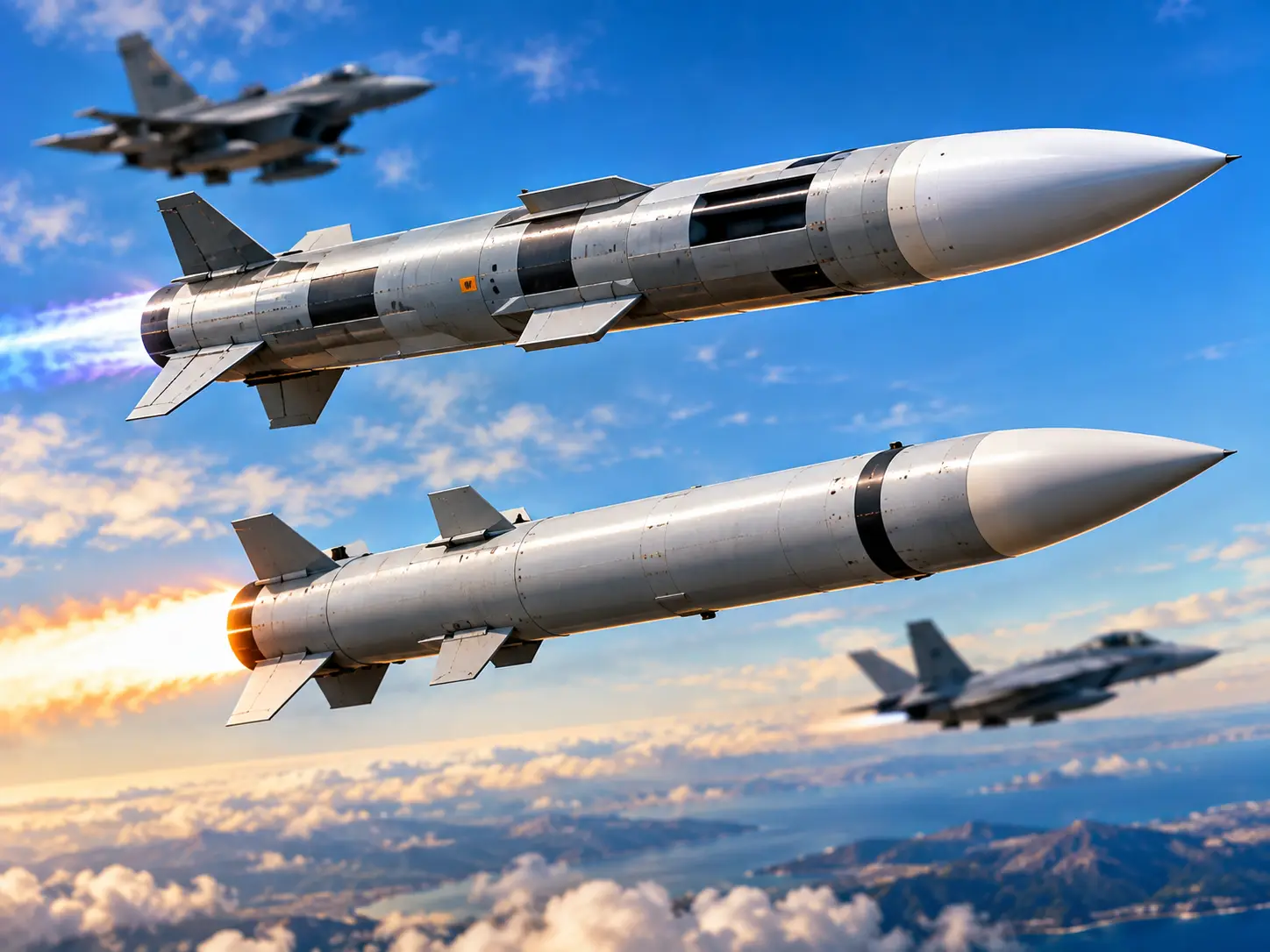
Why European Meteor missiles use ramjet engines compared to standard US solid rockets
)
Why does your skin need protection from UV rays?
)
PM Modi and China's Xi offered to help resolve Russia-Ukraine war: Kremlin
)
Did India risk its US trade deal despite softer stance at BRICS?
)
Who is the smiling man beside Modi, Putin and Xi at BRICS Summit 2026?
)
Delhi’s balancing act: BRICS serves as a stage for West Asia diplomacy
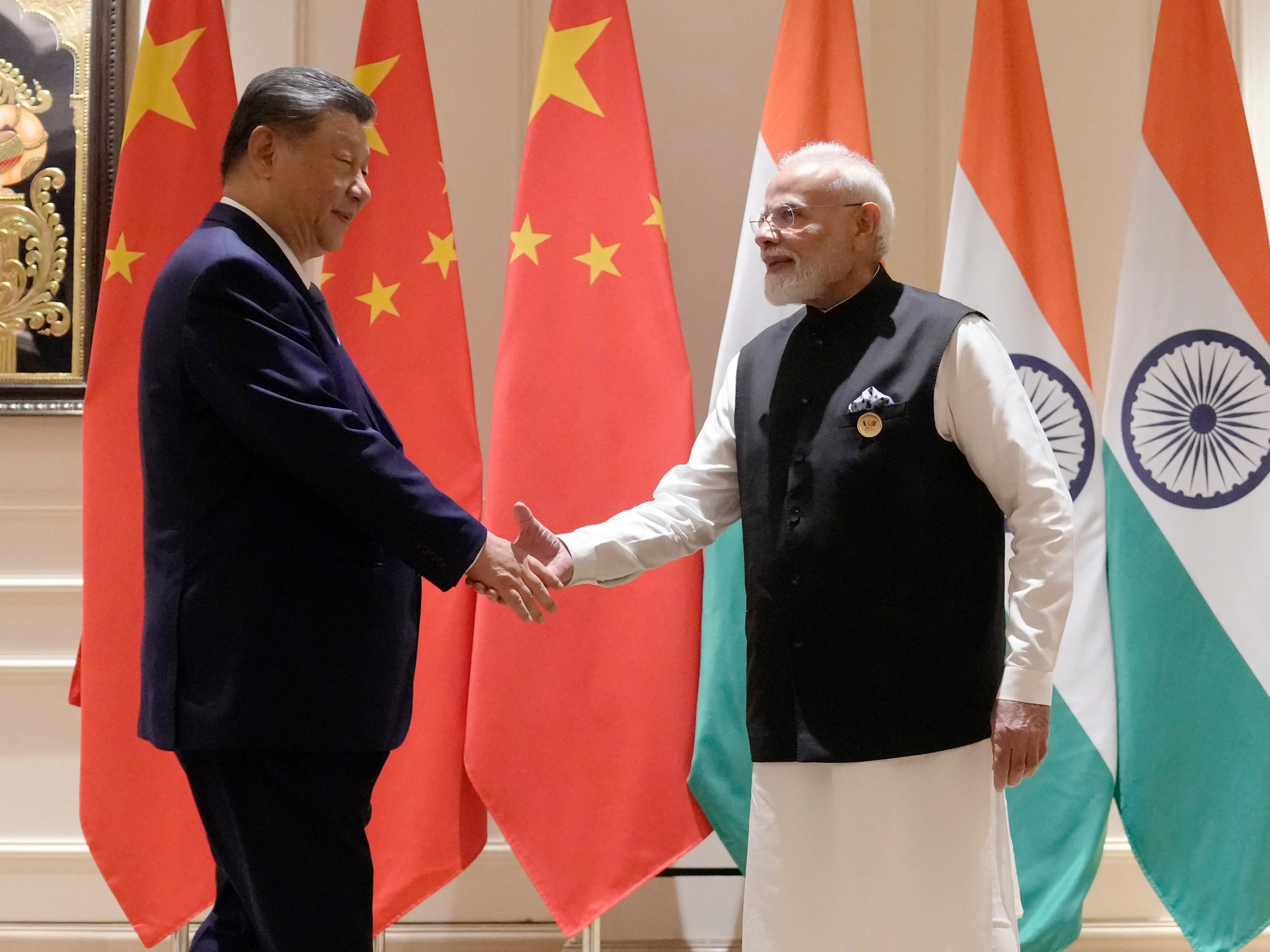)
‘Partners, not rivals’: Xi outlines four point plan for stronger India-China ties
)
US diplomat accused of possessing child abuse images secretly flown out of UK by US Marines
&im=FitAndFill=(700,400))
Shahid Kapoor to Rajkummar Rao: Actors who rule both theatres and OTT
)
BRICS Summit 2026: Modi-Xi moment highlights India-China thaw at BRICS
)
Russian drone hits Warsaw-bound train near Polish border, Zelensky accuses Moscow of ‘deliberate’ targeting
&im=FitAndFill=(700,400))
Why Chinese PL-15 air-to-air missiles use dual-pulse motors compared to European interceptors
)
‘Want to reset ties with India, have engagement based on mutual interests,’ says Bangladesh minister
)
Trump says Canada eager to reach a deal, it could come ‘fairly soon’ if Ottawa treats US farmers better
)
BRICS Summit 2026: PM Modi, Xi reach key consensus on ties, China to assume BRICS chairmanship in 2027
)
The Verdict | Africa is too big to remain a guest at the BRICS table
)
Humans may lose control of AI: Anthropic CEO calls for slowdown, Altman, Musk back him
&im=FitAndFill=(700,400))
How 2nm technology improves iPhone performance
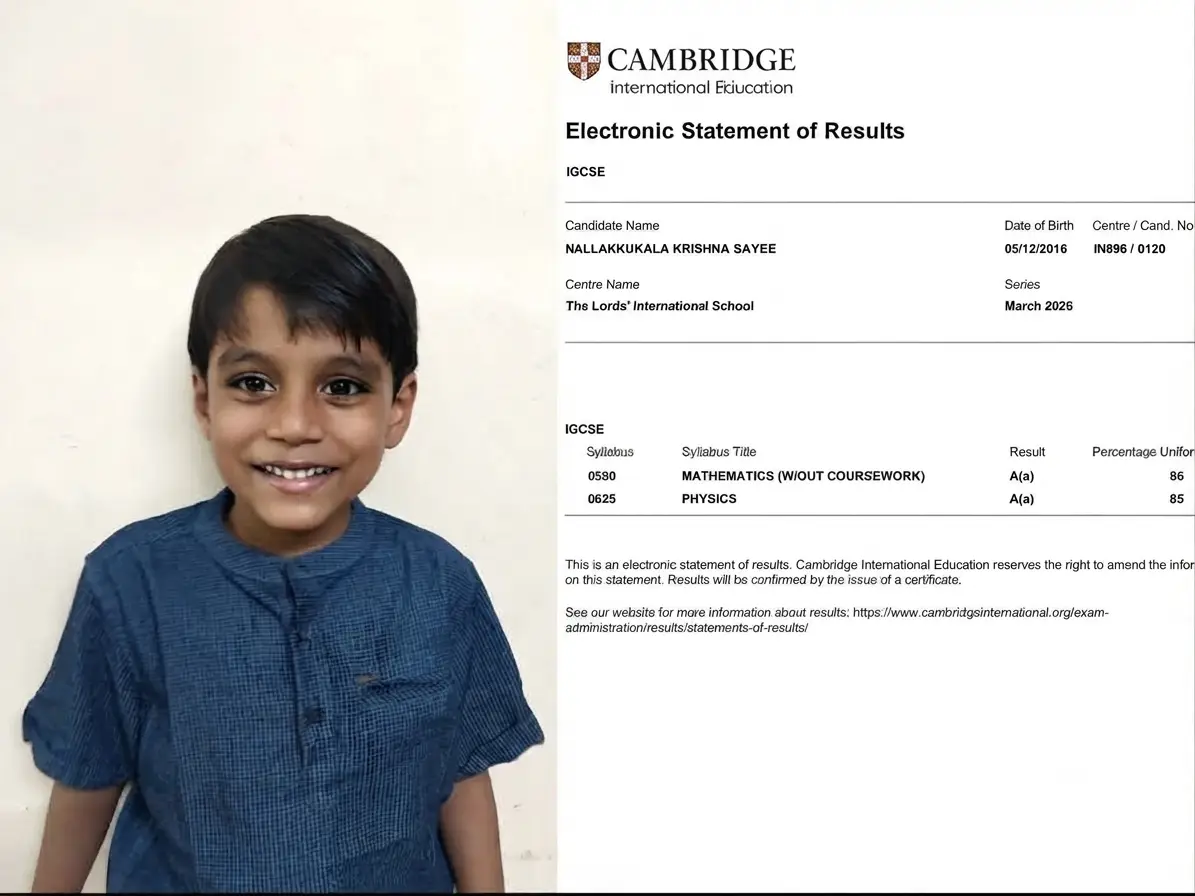)
9-year-old Chennai prodigy clears Cambridge IGCSE grade 10 exams
)
UK breakup on the cards? Scotland, Wales and Northern Ireland push for independence
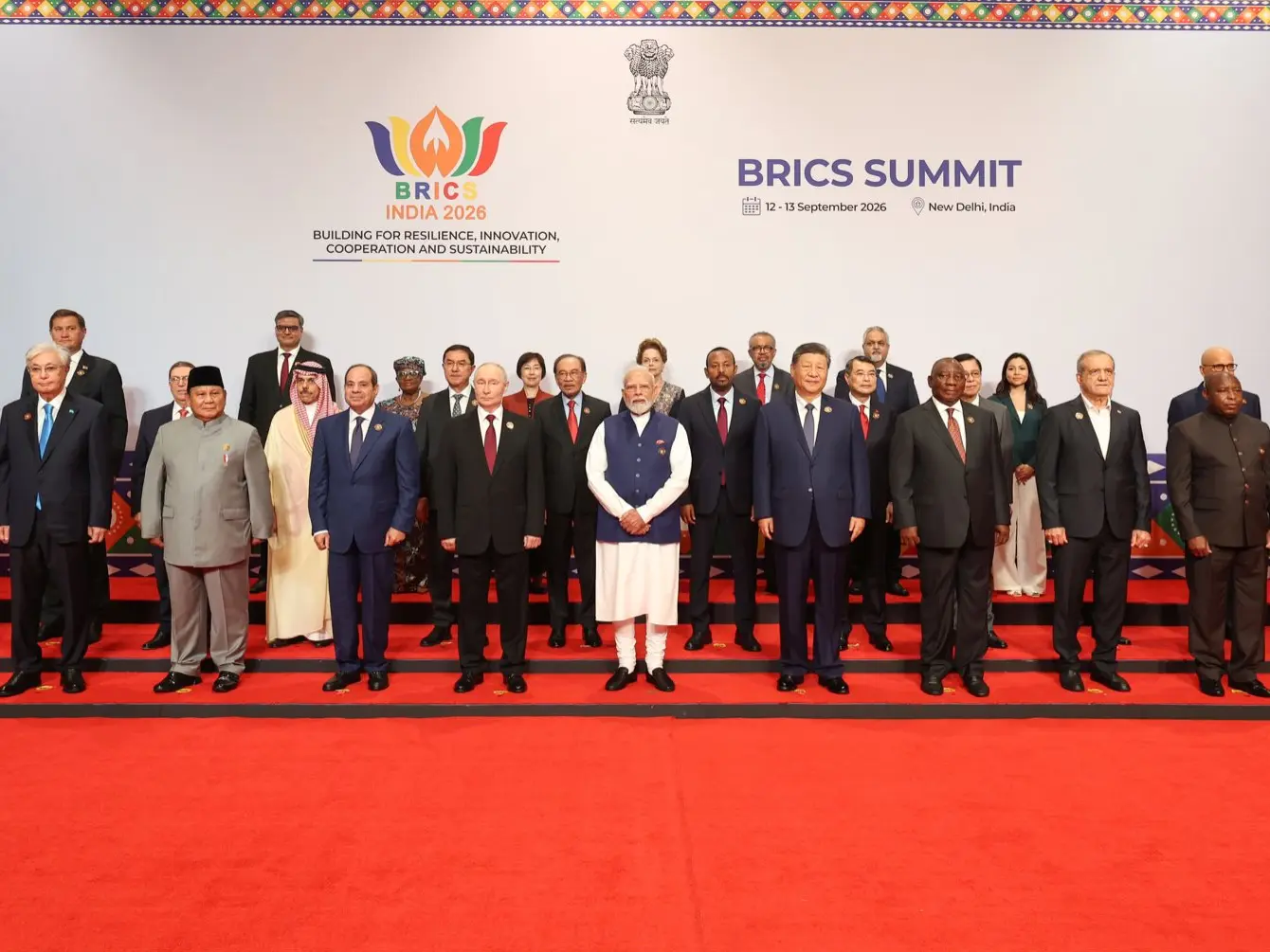)
Did BRICS Summit 2026 prove that an 11-member bloc with India and China in it can still agree on key issues?
)
First naval drone battle? Ukraine says Sargan 3000 sank Russian unmanned boat
)
War is making Russia stronger? How Ukraine is shaping Moscow’s next generation of weapons
)
Akram, Afridi, Mushtaq tear into PCB after Pakistan’s Test series collapse in UK
)
BRICS Summit 2026: Trump wants to weaken BRICS, but maybe doing the opposite
)
'He is popular...': Malaysian PM Anwar Ibrahim's praise for PM Modi during bilateral meeting | WATCH
)
Russia-Ukraine-US talks in October? Kremlin says not ruling out possibility of trilateral
)
BRICS Summit: New Delhi declaration adopted with full consensus, big diplomatic win for India
)
Top 5 places to visit in Goa beyond its famous beaches
&im=FitAndFill=(700,400))
From Rinku Singh to Mayank Yadav, 5 players dropped from India’s squad for Afghanistan T20Is
)
800 million years old - Scientists discover 'fingerprints' of supercontinent Gondwana in ancient rocks
)
Indian importers urge Bangladesh to lift export ban on 'Hilsa' fish ahead of Durga Puja
&im=FitAndFill=(700,400))
Meet top 5 batters fastest to 3000 runs in T20Is
)
Iran, India agree to deepen humanitarian and political ties, President Pezeshkian says
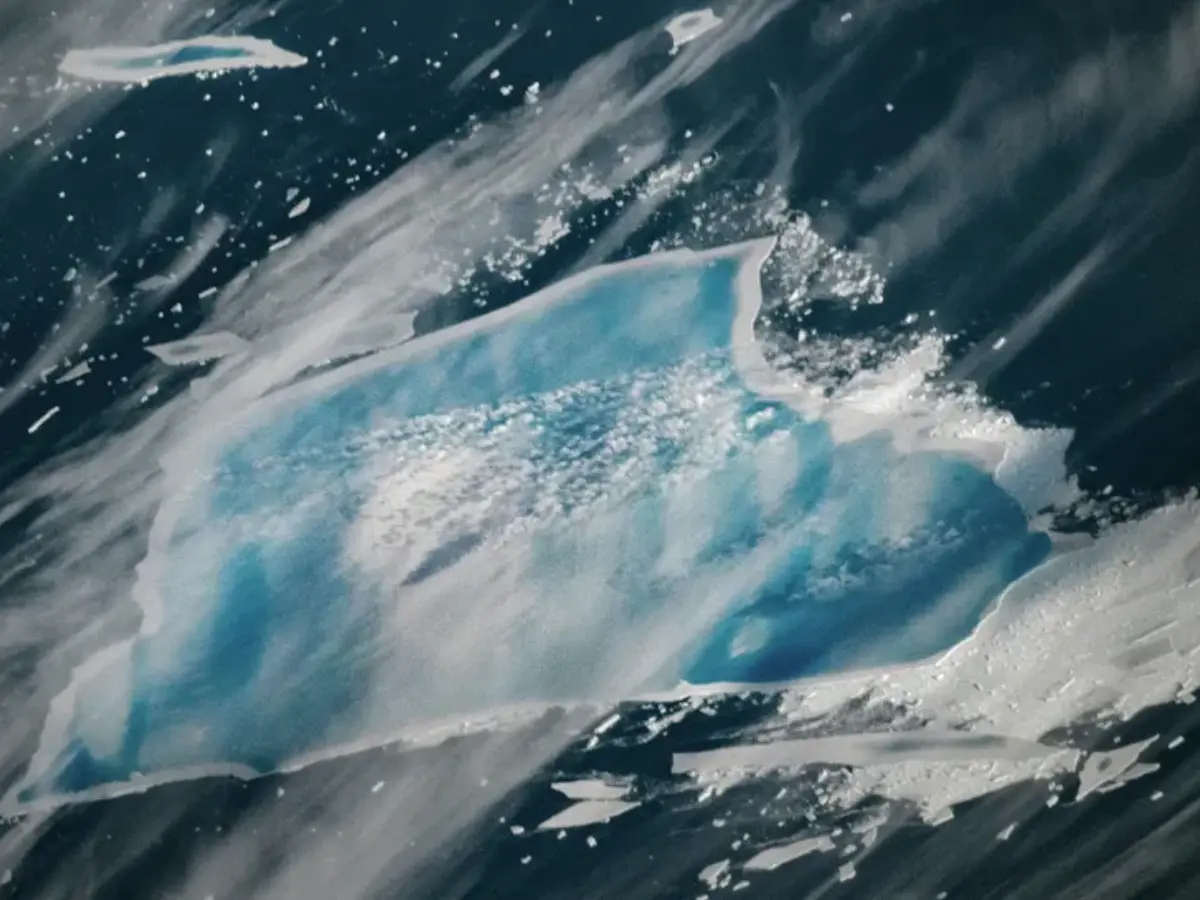
In Antarctica, the Thwaites Glacier will lose its ice shelf this year. A report by New Scientist stated that satellite images show the Thwaites Eastern Ice Shelf (TEIS) will soon separate from the glacier. Thwaites, also known as the Doomsday Glacier, is the largest glacier in West Antarctica. It is about 120 kilometres wide and more than 6,500 feet wide in some places. According to a March 2026 study, it will lose 180 billion to 200 billion tons of ice per year by 2067.