Phytosaur found in Jaisalmer: Crocodile ancestor that lived alongside dinosaurs unearthed in Rajasthan, India

&imwidth=600&imheight=450&format=webp&quality=medium "Phytosaur found in Jaisalmer: Crocodile ancestor that lived alongside dinosaurs unearthed in Rajasthan, India")
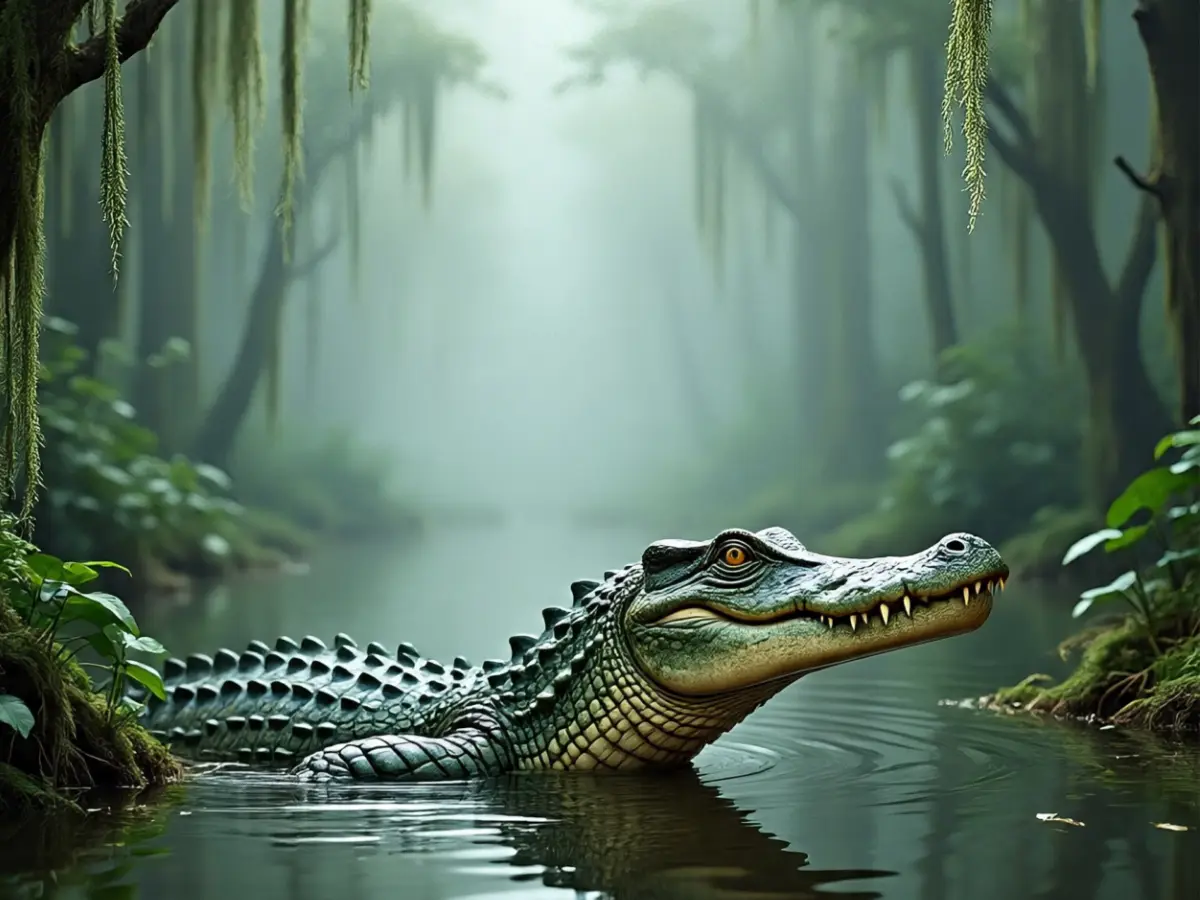
An AI depiction of a phytosaur. The sea and land creature lived with the dinosaurs and its fossil has been found in India.
Scientists have found the remains of an animal that lived with dinosaurs in Jaisalmer, Rajasthan. It lived on land and sea and ate fish. It looked like a crocodile and belonged to a group named phytosaur. What is a phytosaur?
Archaeologists have unearthed a Jurassic-era creature in the Jaisalmer area of Rajasthan, which resembles a crocodile. The fossil has been named a phytosaur, and according to researchers, it could be more than 200 million years old. The creature that lived partly on land and in water measures between 1.5 to 2 metres, and is possibly the ancestor of modern-day crocodiles. Senior hydrogeologist Dr Narayandas Inkhiya and his team made the fascinating discovery in the western Indian state, and believe more such historical treasures could be hidden in the desert. Inkhiya believes the region can be developed into an important spot for fossil tourism. Meanwhile, geoscientist CP Rajendran confirmed that this Jurassic era creature later "evolved into the crocodiles that you find now." 'They also found what looks like a fossilised egg, which was probably laid by the reptile. Also Read: Unknown Harappan settlement discovered in Thar desert for the first time
The rare discovery was made in the Megha village in Jaisalmer district. Researchers term it rare since not many fossils of such a creature have been found in the world. This animal was like a crocodile - spending its time both in the sea and on land. It is believed to have depended on fish as its source of food. However, Jaisalmer is a desert area with no water bodies around it today. So how did such an animal live here? According to previous studies, the area was submerged under the ancient Tethys Sea millions of years ago. It was flanked by a river on one side and a sea on the other. This formed the creature's habitat. Fossils of the medium-sized phytosaur have only been recovered a few times to date. Also Read: Scientist finds earliest evidence that Rig Veda verses influenced civilisations outside India
Finding a fossil from the Jurassic period is not surprising. According to Inkhiya, Jaisalmer lies in a region called the Lathi formation, where dinosaurs thrived millions of years ago. This crocodile-like creature lived alongside the dinosaurs. The region has revealed several dinosaur fossils in the past. In 2023, Inkhiya found a dinosaur egg here, while the Geological Survey of India scientists dug up the oldest herbivorous dinosaur in 2018.
What is a phytosaur? Is a phytosaur dinosaur?
Phytosaurs are semiaquatic reptiles that lived during the Late Triassic Period (about 229 million to 200 million years ago). They had short legs, wide, heavy bodies and armoured scales, long tails, and long toothy snouts. These creatures evolved to become crocodiles. They weren't dinosaurs, but belonged to a group named archosaurs, which also included pterosaurs (flying reptiles). The modern-day reptile has nostrils at the ends of its snouts, while phytosaurs had nostrils on a raised hump in front of their eyes. The name phytosaur means "plant lizard", since they were once believed to thrive by eating plants. However, they ate fish, as proved by later studies.
Trending Stories
&imwidth=280&imheight=210&format=webp&quality=medium)
&imwidth=280&imheight=210&format=webp&quality=medium)
&imwidth=280&imheight=210&format=webp&quality=medium)
&imwidth=280&imheight=210&format=webp&quality=medium)
&imwidth=280&imheight=210&format=webp&quality=medium)
&imwidth=280&imheight=210&format=webp&quality=medium)
&imwidth=280&imheight=210&format=webp&quality=medium)
&imwidth=280&imheight=210&format=webp&quality=medium)
&imwidth=280&imheight=210&format=webp&quality=medium)
&imwidth=280&imheight=210&format=webp&quality=medium)
&imwidth=280&imheight=210&format=webp&quality=medium)
&imwidth=280&imheight=210&format=webp&quality=medium)
&imwidth=280&imheight=210&format=webp&quality=medium)
&imwidth=280&imheight=210&format=webp&quality=medium)
&imwidth=280&imheight=210&format=webp&quality=medium)
&imwidth=280&imheight=210&format=webp&quality=medium)
&imwidth=280&imheight=210&format=webp&quality=medium)
&imwidth=280&imheight=210&format=webp&quality=medium)
&imwidth=280&imheight=210&format=webp&quality=medium)
&imwidth=280&imheight=210&format=webp&quality=medium)
&im=FitAndFill=(700,400)&imwidth=280&imheight=210&format=webp&quality=medium)
&imwidth=280&imheight=210&format=webp&quality=medium)
&imwidth=280&imheight=210&format=webp&quality=medium)
&imwidth=280&imheight=210&format=webp&quality=medium)
&imwidth=280&imheight=210&format=webp&quality=medium)
&imwidth=280&imheight=210&format=webp&quality=medium)
&imwidth=280&imheight=210&format=webp&quality=medium)
&imwidth=280&imheight=210&format=webp&quality=medium)
&imwidth=280&imheight=210&format=webp&quality=medium)
&imwidth=280&imheight=210&format=webp&quality=medium)
&imwidth=280&imheight=210&format=webp&quality=medium)
&imwidth=280&imheight=210&format=webp&quality=medium)
&im=FitAndFill=(700,400)&imwidth=280&imheight=210&format=webp&quality=medium)
&imwidth=280&imheight=210&format=webp&quality=medium)
&imwidth=280&imheight=210&format=webp&quality=medium)
&imwidth=280&imheight=210&format=webp&quality=medium)
&imwidth=280&imheight=210&format=webp&quality=medium)

