Malaysia to ban beef at official functions to defer to Hindus and Buddhists? Idea, mooted after outrage over alcohol at event, sparks debate

&imwidth=600&imheight=450&format=webp&quality=medium "Malaysia to ban beef at official functions to defer to Hindus and Buddhists? Idea, mooted after outrage over alcohol at event, sparks debate")
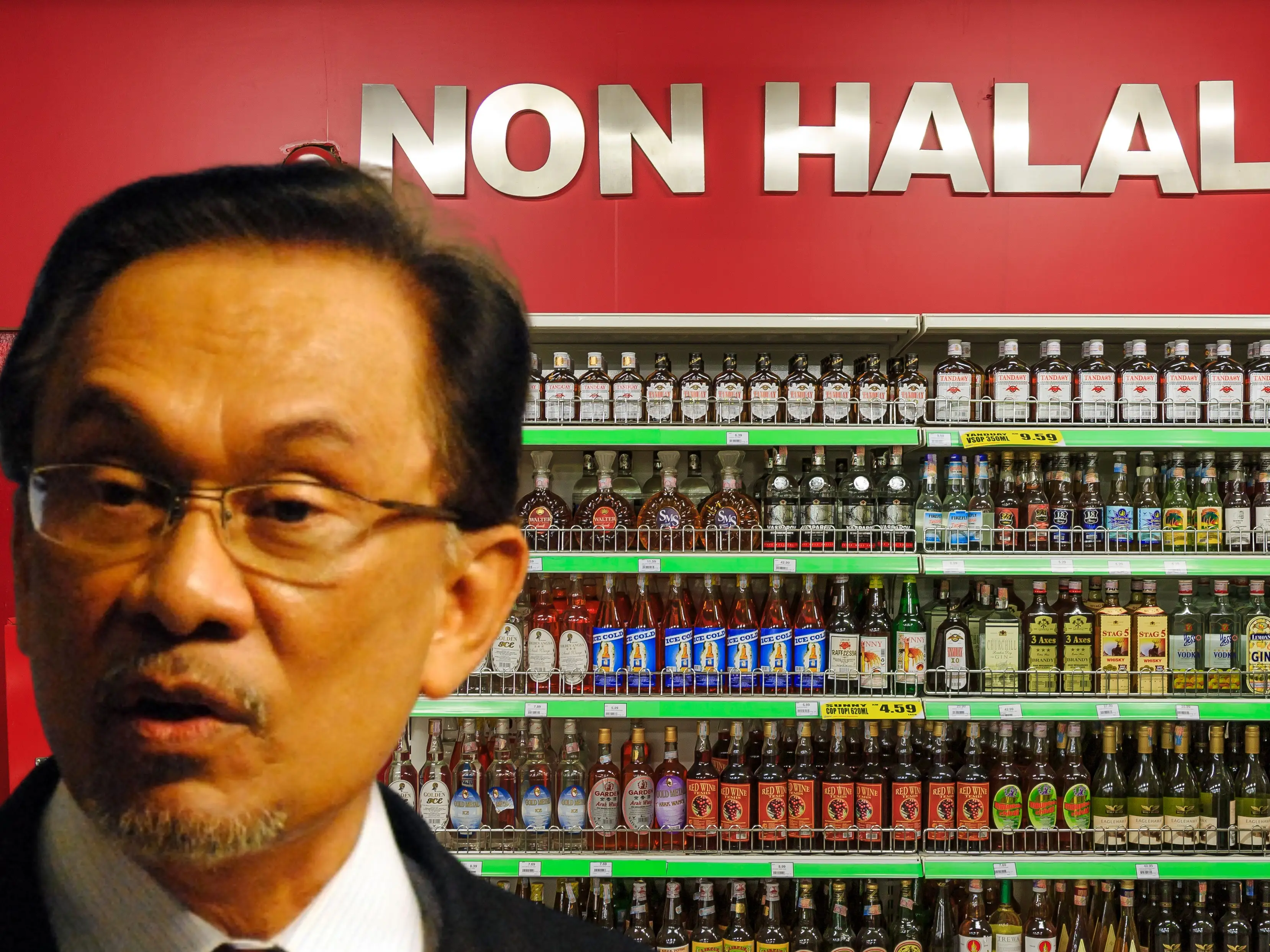
PM Anwar Ibrahim criticised serving of alcohol at a recent event. Food is often a controversial subject in Malaysia
A proposal in Malaysia to ban beef at official events is leading to debate in the southeast Asian nation. It is a question of food habits versus religious sensitivity and equality.
The Malaysian government has been urged to ban the serving of beef to respect the sentiments of Hindus and Buddhists at official events, amid debates about religious sensitivities in the country. The proposal to extend the restrictions to beef was put forward by the newly formed opposition party Parti Hati Rakyat Malaysia (Hati), led by Chan Tse Yuen. Chan urged the cabinet to consider banning beef at all official banquets, just as pork and alcohol are avoided out of respect for Muslim sensitivities. This followed controversy over alcohol being served at an official tourism event.
What is the proposal on beef in Malaysia?
In his proposal, Chan said beef should be barred to honour the dietary restrictions of Malaysia’s Hindus who are around 7 per cent of the population, as well as certain Buddhist communities. Seeing “true religious respect and equality” in Malaysia’s multiracial society, he criticised the inconsistency highlighted by the recent controversy over alcohol.
What is the recent controversy over alcohol in Malaysia?
Alcohol was served at a government-hosted gala dinner for the Global Travel Meet 2025, prompting outrage. Malaysian Prime Minister Anwar Ibrahim publicly reprimanded tourism minister Datuk Seri Tiong King Sing on October 7 for allowing alcohol at the event.
Muslim-majority Malaysia has a longstanding practice of prohibiting alcohol and non-halal foods like pork at official functions to respect Islamic norms.
Trending Stories
&imwidth=280&imheight=210&format=webp&quality=medium)
&imwidth=280&imheight=210&format=webp&quality=medium)
&im=FitAndFill=(700,400)&imwidth=280&imheight=210&format=webp&quality=medium)
&imwidth=280&imheight=210&format=webp&quality=medium)
&imwidth=280&imheight=210&format=webp&quality=medium)
&imwidth=280&imheight=210&format=webp&quality=medium)
&imwidth=280&imheight=210&format=webp&quality=medium)
&imwidth=280&imheight=210&format=webp&quality=medium)
&imwidth=280&imheight=210&format=webp&quality=medium)
&imwidth=280&imheight=210&format=webp&quality=medium)
&imwidth=280&imheight=210&format=webp&quality=medium)
&im=FitAndFill=(700,400)&imwidth=280&imheight=210&format=webp&quality=medium)
&imwidth=280&imheight=210&format=webp&quality=medium)
&imwidth=280&imheight=210&format=webp&quality=medium)
&imwidth=280&imheight=210&format=webp&quality=medium)
&imwidth=280&imheight=210&format=webp&quality=medium)
&imwidth=280&imheight=210&format=webp&quality=medium)
&imwidth=280&imheight=210&format=webp&quality=medium)
&imwidth=280&imheight=210&format=webp&quality=medium)
&imwidth=280&imheight=210&format=webp&quality=medium)
&imwidth=280&imheight=210&format=webp&quality=medium)
&im=FitAndFill=(700,400)&imwidth=280&imheight=210&format=webp&quality=medium)
&imwidth=280&imheight=210&format=webp&quality=medium)
&imwidth=280&imheight=210&format=webp&quality=medium)
&imwidth=280&imheight=210&format=webp&quality=medium)
&imwidth=280&imheight=210&format=webp&quality=medium)
&imwidth=280&imheight=210&format=webp&quality=medium)
&imwidth=280&imheight=210&format=webp&quality=medium)
&imwidth=280&imheight=210&format=webp&quality=medium)
&imwidth=280&imheight=210&format=webp&quality=medium)
&imwidth=280&imheight=210&format=webp&quality=medium)
&imwidth=280&imheight=210&format=webp&quality=medium)
&imwidth=280&imheight=210&format=webp&quality=medium)
&imwidth=280&imheight=210&format=webp&quality=medium)
&imwidth=280&imheight=210&format=webp&quality=medium)
&im=FitAndFill=(700,400)&imwidth=280&imheight=210&format=webp&quality=medium)
The alcohol incident sparked strong reactions from conservative Muslim groups and political figures. United Malays National Organisation president Ahmad Zahid Hamidi threatened to escalate the matter to the cabinet.
Some prominent voices in Malaysia favour ban on beef at official events
Political commentator Prof James Chin said in Focus Malaysia that the government’s enforcement of Islamic norms without similar consideration for non-Muslim religious dietary practices is “hypocritical.” Banning beef alongside alcohol at such events, would be a fair trade-off to respect all communities he argued. He also criticised the PM for reprimanding the minister, attributing it to pandering to right-wing political pressures.
Beef ban at government events: Proposal sparks debate in Malaysia
While still at the discussion state, the proposal has sparked a lively debate about religious equity and multicultural coexistence in the southeast Asian nation.
Some Hindu and Buddhist groups are supportive of the beef ban proposal, calling the idea an overdue recognition of their beliefs. Chan Tse Yuen said in a social media post, “Malaysia preaches tolerance but must practice mutual understanding.” Prof James Chin echoed this sentiment, saying, “If alcohol is banned for Muslims, beef should be for Hindus—it's hypocritical otherwise.”
But others warned that such measures could lead to increasingly restrictive food bans at official events. One user joked, “Slippery slope... at this point ban EVERYTHING @ official events, just bring H2O.” Another asked, “Wow, what about chicken Chan?” questioning whether restrictions might extend beyond beef.
Food and religion: A delicate balance in Malaysia
This debate is symptomatic of Malaysia’s challenge in balancing the Islamic majority’s norms with the rights and customs of minority communities. The tug of war is between consistency for all groups and mutual respect, while opponents fear that such moves could deepen societal divisions.
If a beef ban at official functions does happen, it would mark a significant precedent in Malaysia’s management of its multicultural and multireligious landscape.