Donald Trump floats ‘Lake America’ name for Lake Ontario amid US-Canada trade war

&imwidth=600&imheight=450&format=webp&quality=medium "Donald Trump floats ‘Lake America’ name for Lake Ontario amid US-Canada trade war")
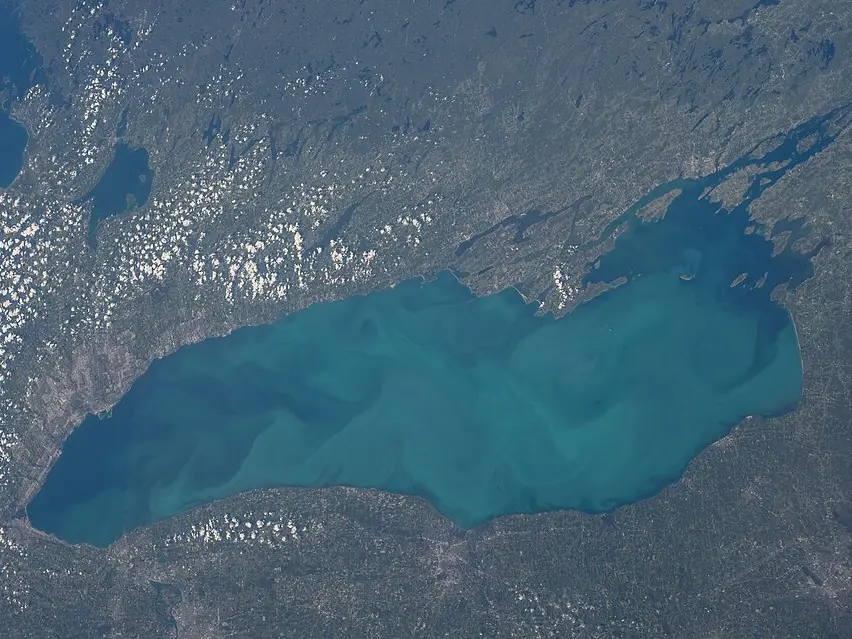
Lake Ontario Photograph: (Wikipedia)
Donald Trump considers renaming Lake Ontario ‘Lake America’ as US-Canada trade tensions rise over tariffs, retaliation and threats to key industries
Donald Trump is considering a provocative new name for Lake Ontario, suggesting it could be renamed ‘Lake America’ as trade tensions between the United States and Canada continue to escalate. The US president made the remark on Tuesday as Canada prepared to announce retaliatory measures after Washington imposed 50 per cent tariffs on USD 20 billion worth of Canadian goods over the weekend. The move followed the collapse of trade negotiations between the two countries.
In a social media post, Trump said, “The United States is giving serious consideration to changing the name of Lake Ontario to Lake America in that we don't expect to doing much business with Ontario any longer.” The proposal would mirror Trump's decision last year to rename the Gulf of Mexico as the Gulf of America through an executive order. Ontario, Canada's most populous province, is also a major centre of the country's automotive industry.
US-Canada trade tensions intensify
The latest comments come as rhetoric between Washington and Ottawa becomes increasingly confrontational. Trump told Canadian leaders on Monday to "fall in line" or face consequences "far WORSE" than the tariffs already imposed. Canadian Prime Minister Mark Carney, meanwhile, accused the United States of seeking to subordinate Canada.
Trump has also threatened an additional 50 per cent tariff on Canadian vehicles, auto parts and steel. Carney responded that US trade demands demonstrated an effort to undermine Canada's major industries. Canada and the United States maintain one of the world's largest trading relationships, with deeply integrated supply chains spanning automobiles, energy, agriculture and manufacturing. A prolonged tariff battle could therefore create significant costs for companies and workers in both countries while increasing uncertainty for consumers over potential price increases.
Trending Stories
&imwidth=280&imheight=210&format=webp&quality=medium)
&imwidth=280&imheight=210&format=webp&quality=medium)
&im=FitAndFill=(700,400)&imwidth=280&imheight=210&format=webp&quality=medium)
&imwidth=280&imheight=210&format=webp&quality=medium)
&imwidth=280&imheight=210&format=webp&quality=medium)
&imwidth=280&imheight=210&format=webp&quality=medium)
&imwidth=280&imheight=210&format=webp&quality=medium)
&imwidth=280&imheight=210&format=webp&quality=medium)
&imwidth=280&imheight=210&format=webp&quality=medium)
&imwidth=280&imheight=210&format=webp&quality=medium)
&imwidth=280&imheight=210&format=webp&quality=medium)
&im=FitAndFill=(700,400)&imwidth=280&imheight=210&format=webp&quality=medium)
&imwidth=280&imheight=210&format=webp&quality=medium)
&imwidth=280&imheight=210&format=webp&quality=medium)
&imwidth=280&imheight=210&format=webp&quality=medium)
&imwidth=280&imheight=210&format=webp&quality=medium)
&imwidth=280&imheight=210&format=webp&quality=medium)
&imwidth=280&imheight=210&format=webp&quality=medium)
&imwidth=280&imheight=210&format=webp&quality=medium)
&imwidth=280&imheight=210&format=webp&quality=medium)
&imwidth=280&imheight=210&format=webp&quality=medium)
&im=FitAndFill=(700,400)&imwidth=280&imheight=210&format=webp&quality=medium)
&imwidth=280&imheight=210&format=webp&quality=medium)
&imwidth=280&imheight=210&format=webp&quality=medium)
&imwidth=280&imheight=210&format=webp&quality=medium)
&imwidth=280&imheight=210&format=webp&quality=medium)
&imwidth=280&imheight=210&format=webp&quality=medium)
&imwidth=280&imheight=210&format=webp&quality=medium)
&imwidth=280&imheight=210&format=webp&quality=medium)
&imwidth=280&imheight=210&format=webp&quality=medium)
&imwidth=280&imheight=210&format=webp&quality=medium)
&imwidth=280&imheight=210&format=webp&quality=medium)
&imwidth=280&imheight=210&format=webp&quality=medium)
&imwidth=280&imheight=210&format=webp&quality=medium)
&imwidth=280&imheight=210&format=webp&quality=medium)
&im=FitAndFill=(700,400)&imwidth=280&imheight=210&format=webp&quality=medium)
Businesses warn of impact
Michael Howard II, who owns a furniture business in Warren, Michigan, outside Detroit, said the tariffs could have a direct impact on his family's finances and the wider community. "The ability for us to put food on the table for our family, but also impacts the ability for us to give back to our community," Howard said.
Howard and his wife launched the business about a decade ago, producing and selling items including dining tables and bookcases. He argued that the close economic relationship between the two countries makes cutting ties unrealistic. "To say that we don't need Canada is just disingenuous. It's dishonest. And it's just absolutely not truthful. We need our neighbor, but also they need us."
Canada prepares response
Canadian Finance Minister François-Philippe Champagne and three other Cabinet ministers were expected to outline measures on Tuesday to support workers affected by the tariffs. Carney had previously indicated that Canada could shift away from responding to US tariffs dollar for dollar. Instead, Ottawa may pursue more targeted measures designed to shield Canadian workers and businesses from the impact of the trade dispute.
"An attitude at the negotiation table that Canada is a subsidiary of the United States" is "not something we're going to accept," Carney said. Speaking in French, Carney delivered an even stronger criticism of the US position. "We learned during the negotiations that the Americans want to destroy our major industries, including autos, steel and aluminum. That was one of the main reasons we said no. It was a bad deal."
The latest developments highlight the widening rift between two economies whose industries and supply chains are closely interconnected. New tariffs, threats of additional measures and Canadian retaliation are increasing pressure on businesses, workers and consumers on both sides of the border.

