Starc, Lyon are last active top-10 Test bowlers: 4 reasons it won't happen again

&imwidth=600&imheight=450&format=webp&quality=medium "Starc, Lyon are last active top-10 Test bowlers: 4 reasons it won't happen again")
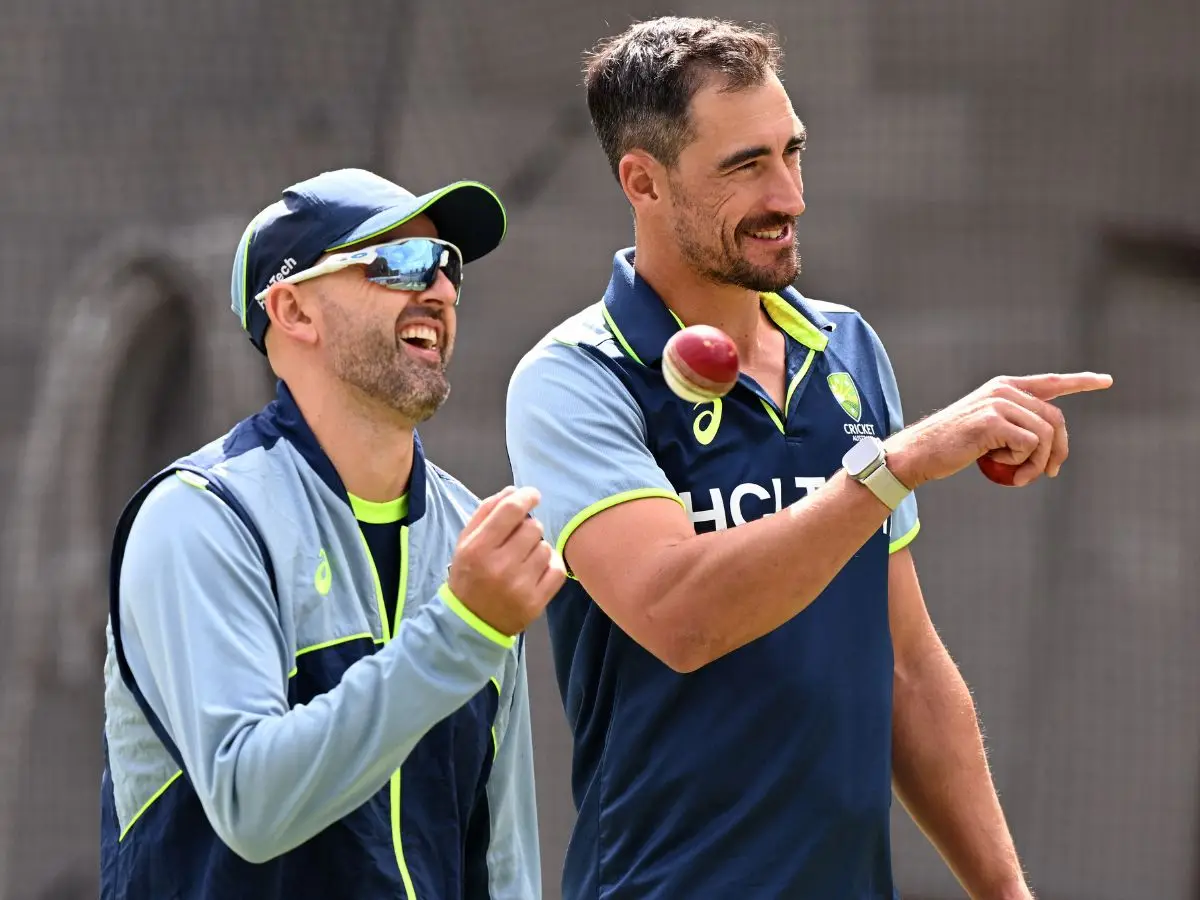
Starc, Lyon are last active top-10 Test bowlers 4 reasons it won't happen again Photograph: (AFP)
With Mitchell Starc joining Nathan Lyon in the top 10 all-time Test wicket-takers, explore 4 reasons why cricket may never see another active bowling pair like them.
Ace Australian quick Mitchell Starc entered the top-10 list of highest Test wicket-takers during the concluded second Test against Bangladesh in Mackay. Alongside veteran off-spinner Nathan Lyon, the pair are now the only active cricketers on the elite list.
It doesn't happen often, though, that two amongst the highest Test wicket-takers belong to the same country and are playing together. Pairs including Glenn McGrath and Shane Warne, Anil Kumble and Harbhajan Singh and even James Anderson and Stuart Broad have been part of this elite list, with Starc and Lyon possibly being the last.
Starc, 36 and Lyon, 38, are two Test veterans of Australian cricket, having picked up 445 and 571 wickets, respectively. While Lyon’s majestic tally places him in sixth place, Starc is currently 10th on the list. The two made their Test debuts in the same year (2011) and have played over 100 Tests each.
Meanwhile, for Lyon to break into the top-five all-time highest wicket-takers in Tests, he must pick 34 more wickets to surpass former England quick Stuart Broad. Starc, however, is far from Courtney Walsh’s tally of 519 Test wickets, and in all probability, would remain the 10th highest Test wicket-taker for some time.
Here are four reasons why Test cricket might never see a bowling pair amongst the top-10 wicket-takers in this format playing together –
Trending Stories
)
)
)
)
)
)
)
)
)
)
)
)
)
)
)
)
)
)
)
)
)
)
)
)
)
)
)
)
)
)
)
)
)
)
&im=FitAndFill=(700,400))
)
)
)
)
Workload Management and Early Retirement –
The new-age cricketers have often prioritised lucrative white-ball T20 leagues over Test cricket, with workload management and injuries drastically shortening their long-form careers before they reach top-10 tallies. With so much cricket being played worldwide, and the emergence of franchise cricket, players have been forced to choose less consuming options.
Specialisation over Longevity –
Gone are those days when a team’s premier bowler or a bowling pair used to feature in every cricket match, regardless of the format and deliver for the team unless an injury forced them out. Nowadays, with an increasing number of matches, compounded by franchise cricket, cricket boards, selection committees and team management are left with no options but to pick and play players format-wise.
Such factors make it nearly impossible for any modern-day player to play 80+ Tests, usually required to pick 400 or more Test wickets.
Fewer Test Matches -
Not many teams besides the Big Three: India, Australia and England, play many Test series consisting of three or more matches, which further reduces options from other countries despite potential. Countries known for producing world-class bowlers, including South Africa, Pakistan, New Zealand and even the West Indies, now feature in more two-match Test series, also against the Big Three.
The Rare Coincidence of Alignment -
In 149 years of Test cricket history, only three distinct eras involving eight legendary bowlers have played for the same country, at the same time, and still made it to the list of top-10 most Test wicket-takers. Thus, having a world-class pacer in Starc and a premier spinner in Lyon remain fit for over a decade, and complement each other's workloads, is a statistical anomaly in modern cricket.
