Exclusive | 'Sports gave me confidence': T12 para-athlete Sakshi Kale

&imwidth=600&imheight=450&format=webp&quality=medium "Exclusive | 'Sports gave me confidence': T12 para-athlete Sakshi Kale")
Exclusive | 'Sports gave me confidence': T12 para-athlete Sakshi Kale Photograph: (Others)
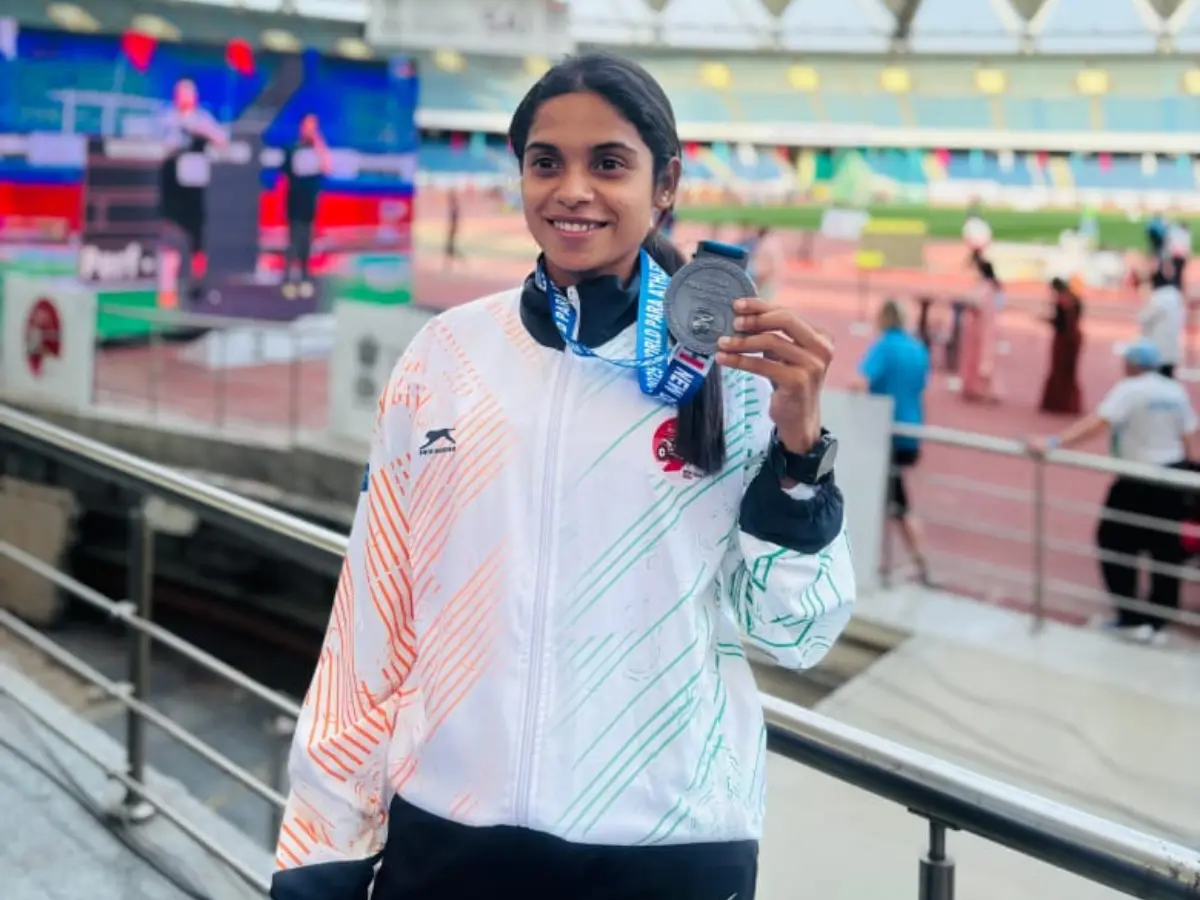
Sakshi Kale was selected again to represent India at the World Para Athletics Grand Prix in Paris. In an exclusive interview with WION, Sakshi Kale spoke about her journey in para-sports and the challenges she has faced along the way.
India has been on the rise in para sports as the nation has been boosted by some greats of the game. The set of para athletes includes Sumit Antil (javelin), Avani Lekhara (shooting), Sheetal Devi (archery) and Preethi Pal (athletics). However, the latest name to join the contingent is Sakshi Kale, a T12 category para-athlete (visual impairment), who is one of India’s rising stars in para-athletics. Over the past three years, she has taken part in many track and field events and has regularly won medals at both national and international competitions. Her journey shows her hard work, strong will and dedication towards sports.
In 2025, she achieved a major milestone, as she became the only athlete from Goa to represent India at the World Para Athletics Grand Prix in New Delhi, where she won a silver medal in the 100m race. She continued her strong performance by winning a gold medal in the 100m event at the Khelo India Para National Games. Because of her excellent performance, she was selected again to represent India at the World Para Athletics Grand Prix in Paris. In an exclusive interview with WION, facilitated by Vedanta Ltd, Sakshi Kale spoke about her journey in para-sports and the challenges she has faced along the way.
Question: Take us back to the beginning of your journey. When did you first step into para- athletics, and what motivated you to pursue sports despite living with a visual impairment?
My journey in sports began quite early. I was always active as a child and started playing football around the third standard, participating in local sports activities and school events. Sports gave me confidence and a strong sense of independence, and it never felt limiting despite my visual impairment.
During the COVID period, while visiting the Panchayat office, I happened to speak to a senior official who encouraged me to explore para sports seriously. Around the same time, I came across Sudesh Thakur, Secretary of the Goa.
Association, which inspired me to believe that competing at a higher level was possible. I was later introduced to para-athletics and connected with a coach in Ponda, which marked a turning point in my journey.
Trending Stories
)
)
)
)
)
)
)
&im=FitAndFill=(700,400))
)
)
)
)
)
&im=FitAndFill=(700,400))
)
)
)
)
)
)
)
)
)
)
)
)
&im=FitAndFill=(700,400))
)
)
)
)
)
)
)
Question: Competing at a high level requires immense mental and physical strength. How do you prepare yourself for major competitions, and can you recall your first significant medal and the emotions that came with that achievement?
Preparing for major competitions requires both physical discipline and mental clarity. Physically, I follow a structured training routine that includes track workouts, strength and conditioning in the gym, flexibility sessions, and recovery practices.
Mentally, I focus on staying calm and confident by visualising my race, trusting my training, and reminding myself of the effort I have put in over time. This balance helps me stay composed under pressure. My first significant medal was at the Senior Para National Championship, and it remains one of my most emotional moments. Winning that medal made me realise that I truly belonged on the competitive stage.
It gave me confidence, validated my hard work, and strengthened my belief that despite my visual impairment, I could compete and succeed at a high level. That moment continues to motivate me every time I step onto the track.
Question: Institutional backing often plays a crucial role in an athlete’s growth. How has the support from Vedanta Sesa Goa shaped your sporting journey, and why are such support systems vital for para-athletes?
Institutional backing can make a real difference in an athlete’s journey, especially for para-athletes, where access and preparedness are just as important as training. The support I received from Vedanta Sesa Goa during my 2025 competitive season helped remove several practical challenges that athletes often face.
Simple but critical enablers such as proper athletic shoes, better accommodation during competitions, and reliable conveyance allowed me to focus entirely on my performance rather than logistical concerns.
This kind of support directly impacts preparation, recovery, and confidence, all of which reflect in performance on the field. For para-athletes, institutional support is vital because it creates an enabling environment where talent can truly flourish. When athletes are backed with the right resources and encouragement, it not only improves performance but also reinforces belief and long-term commitment to sport.
Sakshi reflected on the support given by Vedanta Ltd. Vedanta Sesa Goa played an important role during her competitive journey by helping address practical challenges through sponsorship, which allowed her access to proper athletic gear, accommodation, and safe and speedy travel during competitions.
As Sakshi progressed, she needed more focused support and, having approached several entities, is thankful that she received sponsorship from Vedanta Sesa Goa. This became an important enabler, helping address key needs such as access to proper sporting gear, travel, and competition-related support.