Inside the lethal rebirth of India’s super Sukhoi

&imwidth=600&imheight=450&format=webp&quality=medium "Inside the lethal rebirth of India’s super Sukhoi")
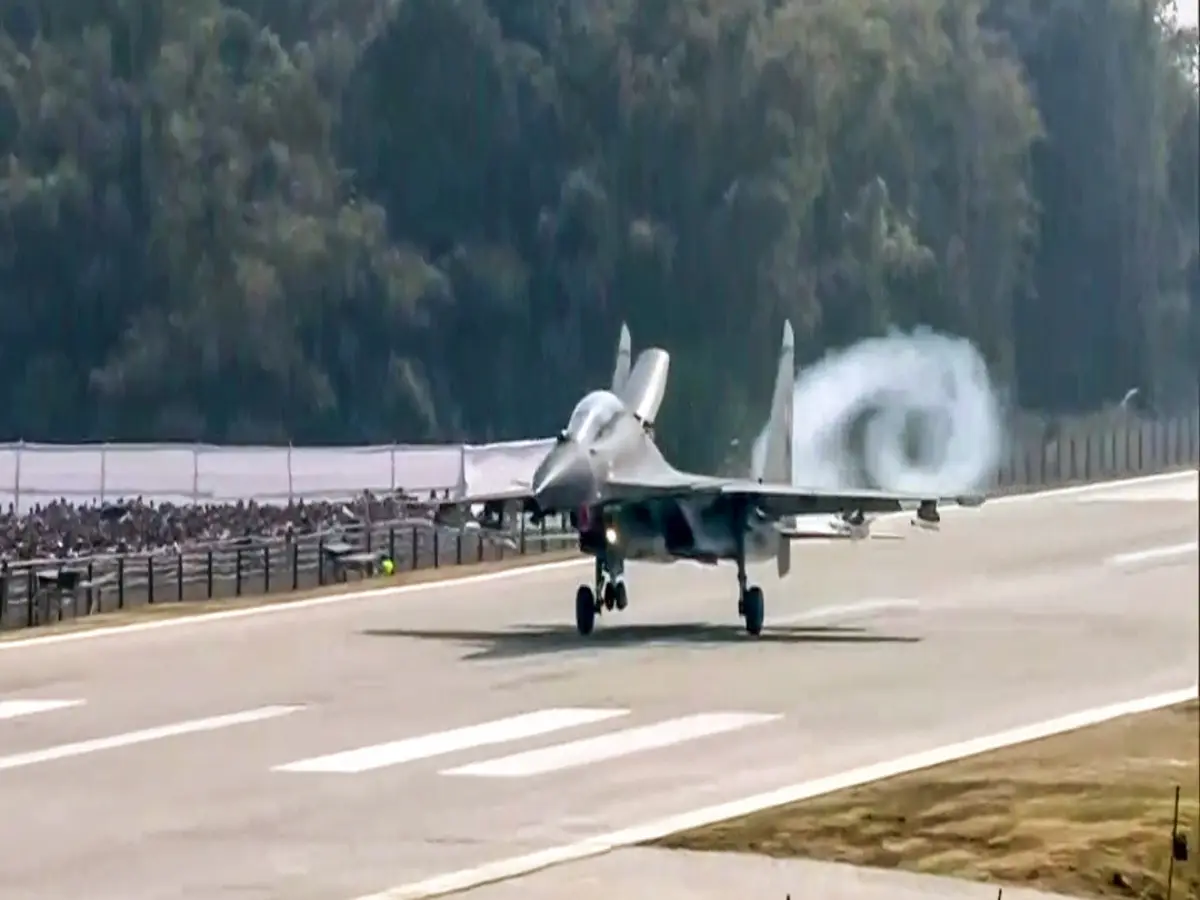
Indian Air Force's Sukhoi fighter plane Photograph: (ANI)
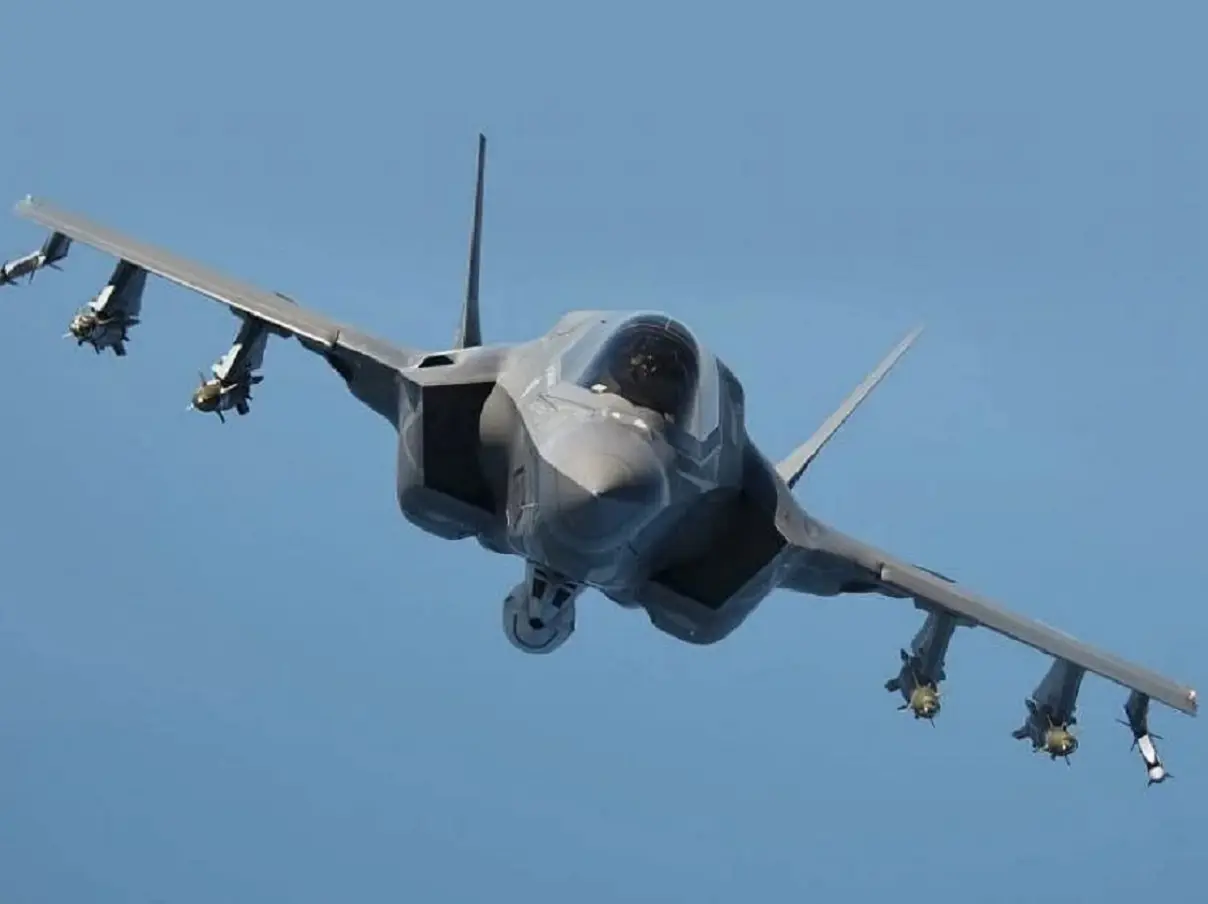
Around 260 of Sukhoi-30MKI serve in the Indian Air Force. It is a heavy, twin-engine fighter, and it is the one India counts on for two demanding jobs: winning control of the sky, and striking deep inside hostile territory.
Picture a fighter jet that first flew for India more than twenty years ago. One morning it is rolled into a hangar. Months later it comes out looking almost the same from outside — but inside, it is very nearly a new machine. That, in a single image, is the Super Sukhoi.
The aircraft is the Sukhoi-30MKI. Around 260 of them serve in the Indian Air Force. It is a heavy, twin-engine fighter, and it is the one India counts on for two demanding jobs: winning control of the sky, and striking deep inside hostile territory. For two decades it has carried that weight. But the sky around it has changed. There are now stealth fighters that barely show up on radar.
There are missiles that can kill from far beyond what the eye can see. There are electronic systems that can blind an aircraft without firing a single shot. Staying relevant in such a sky is not a matter of pride. It is survival.
This is why India began the Super Sukhoi programme, also called Super 30. Think of it as a mid-life overhaul — the way a senior athlete rebuilds training, diet and technique to stay competitive against younger rivals. The goal is to keep these jets fighting effectively into the 2050s.
The biggest change is the jet's eyesight. The old Russian Bars radar makes way for Virupaksha, designed and built in India. Virupaksha is an AESA radar — Active Electronically Scanned Array. In plain words, it does not turn a dish to look around. It is made of thousands of tiny transmitters that shift the beam electronically, almost instantly. It carries roughly 2,400 such modules, built from gallium nitride, a material that handles heat and power far better than older parts — rather like moving from an ordinary bulb to a bright, efficient LED.
Trending Stories
)
)
)
)
)
&im=FitAndFill=(700,400))
)
)
)
)
)
)
)
)
)
)
)
)
)
)
)
)
)
)
)
)
)
)
)
)
&im=FitAndFill=(700,400))
)
)
)
What does that buy a pilot? Reported figures put detection at 300 to 400 kilometres for fighter-sized targets, and up to about 200 kilometres against a very small stealth-type aircraft. The radar can watch many threats at once and is much harder to jam. In air combat, seeing first is usually the same as winning first.
The cockpit is being rebuilt too, with new mission computers, modern displays, and computers that help the pilot sort threats faster. One idea here is worth learning: sensor fusion. Instead of the pilot reading several instruments and joining the story together mentally, the aircraft joins it for him and shows one clear picture. In a fight measured in seconds, that saved effort can save a life.
An advanced Indian electronic warfare suite is also going in. Electronic warfare is the invisible half of modern combat — confusing the other side's radars while shielding your own aircraft from the same treatment.
The jet will be harder to spot as well. Indian radar-absorbent material will be applied to its skin to reduce its radar signature. This does not make a large fighter invisible. It makes it look fainter and smaller to a searching radar, like wearing dark clothes on a moonless night.
Then come the weapons: the Astra air-to-air missile and the supersonic BrahMos cruise missile, turning the upgraded fighter into a genuinely lethal multi-role platform.
The first phase covers about 84 aircraft, with more of the fleet to follow. HAL and DRDO lead the work, and the Indian content is deliberately kept high. The programme is valued at roughly ₹65,000 crore.
The radar passed its first power-on test, called First Light, in February 2026. Deliveries are aimed at mid-2027, flight trials on a modified Su-30MKI from early 2028, and the first 84 upgraded jets after 2030.
One honest note belongs here. These performance numbers are programme claims, not yet proven in flight. The paperwork and clearances are still moving. This is a promise being built, not a delivery already made.
Aircraft do not defend a country by themselves. They are flown by young men and women who quietly trust every wire and every weld, and who lift off knowing that the border far below them will not wait for perfect equipment.
And behind that promise are people. Every radar module and every line of code stands for Indian engineers who spent years in laboratories, testing, failing and testing again, so that the country need not queue up for someone else's technology. Behind them are families who barely see them through a trial season, and technicians on the flight line whose hands have grown old with these aircraft.
In plain terms, Super Sukhoi is India's intelligent answer to a hard question: how do you become far stronger without waiting years for a brand-new fighter? The answer is a proven airframe given Indian eyes, an Indian brain and Indian missiles — and told, quite firmly, that its work is not finished yet.
