Yoga techniques to help relieve daily stress

&imwidth=600&imheight=450&format=webp&quality=medium "Yoga techniques to help relieve daily stress")
Yoga Photograph: (Pixels)
Managing everyday stress is achievable through simple, consistent yoga practices. This guide details practical, science-backed techniques, including controlled breathing methods and gentle physical postures, designed to lower cortisol levels and improve your overall mental wellbeing.
Modern work environments often trigger high levels of mental fatigue. According to scientific research, chronic stress negatively impacts physical health by increasing cortisol levels. You do not need to spend thousands of Rs on expensive wellness retreats to find relief. Incorporating specific, evidence-based yoga techniques into your daily routine provides a factual method to calm the nervous system and manage everyday pressure.
Focus on controlled breathing techniques
The foundation of stress relief in yoga is breath control, medically referred to as pranayama. When you experience high stress, your body activates the sympathetic nervous system, releasing hormones like adrenaline and cortisol. A highly effective technique to reverse this process is alternate nostril breathing, also known as Anulom Vilom. By sitting quietly and guiding your breath slowly through one nostril at a time, you actively stimulate the parasympathetic nervous system. This specific action directly lowers your resting heart rate and reduces physical anxiety within minutes. Another technique, diaphragmatic breathing, involves breathing deeply into the belly, which also promotes relaxation.
Simple physical postures to release tension
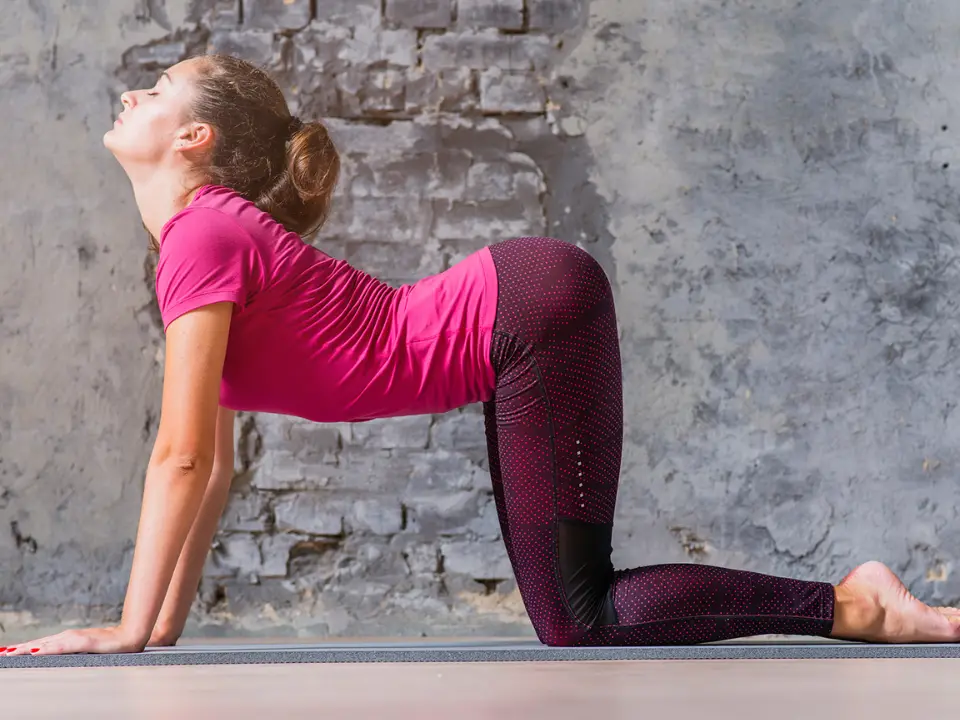
Physical stress frequently accumulates in the neck, shoulders, and lower back. Moving through gentle yoga postures helps release this trapped muscle tension safely. The child's pose is an excellent resting position that gently stretches the lower back and hips while promoting a sense of physical calm. Similarly, the cat-cow stretch actively mobilises the spine and relieves the deep stiffness caused by sitting at an office desk all day. Another simple posture is the bridge pose, which opens the chest and helps release tension stored in the shoulders. You do not need extreme flexibility to perform these movements correctly.
Using deep rest to lower cortisol
Trending Stories
)
)
)
)
)
)
)
)
)
)
)
)
)
)
)
)
)
)
)
)
)
)
)
)
)
)
)
)
)
)
)
)
)
)
&im=FitAndFill=(700,400))
)
)
)
)
Another highly effective technique is combining physical poses with deep, intentional resting periods. Practising the corpse pose, or Savasana, at the end of a short yoga session is the best way to achieve this state. Lie flat on your back, relax your arms by your sides, and focus your attention on letting your body completely melt into the ground. According to scientific literature, regular yoga practice significantly reduces cortisol levels and improves emotional regulation. Spending a few minutes in this still posture helps your body shift into deep rest and recovery.
Managing daily stress does not require hours of complex physical exercise. By integrating basic breathing techniques and gentle stretches into your regular schedule, you can effectively lower stress hormones like cortisol. Consistency is the most crucial factor for building mental resilience and long-term wellbeing.
