Why gut bacteria may matter more than we think? Experts explain

&imwidth=600&imheight=450&format=webp&quality=medium "Why gut bacteria may matter more than we think? Experts explain")
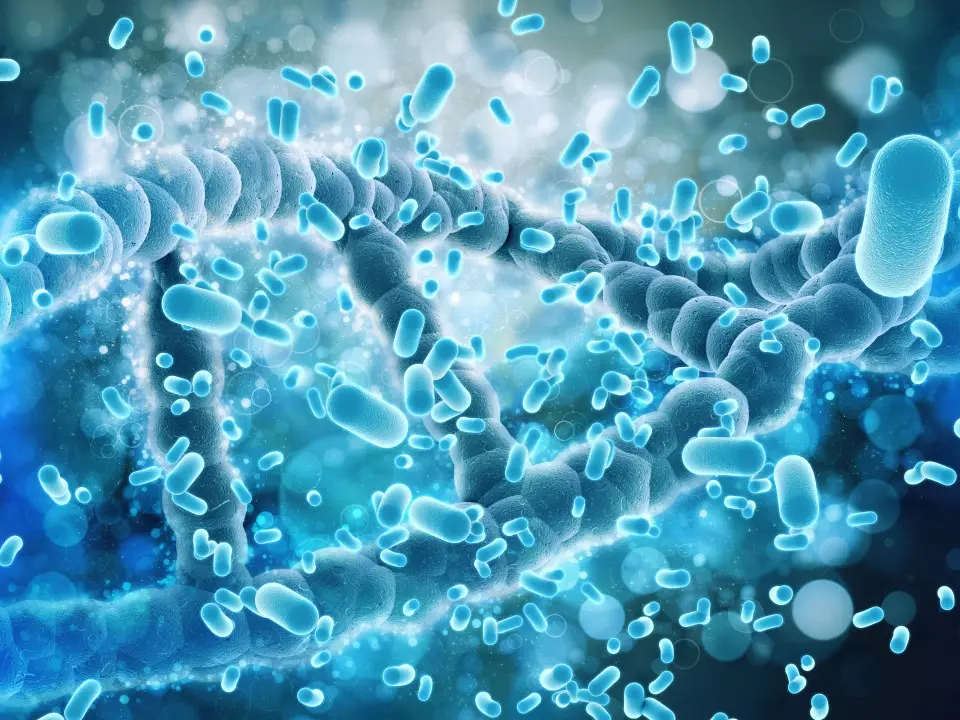
Representative image. Photograph: (Magnific)
Gut bacteria break down food and absorb vital vitamins, minerals, and amino acids needed in our bodies for cellular repair and energy. It also produces about 90% of serotonin in the body, which communicates directly with the brain, influencing mood, anxiety levels, and cognitive function.
Gut bacteria play a significant role in providing better health to humans by housing trillions of microbes that dictate essential functions of our bodies. It acts as the key role in digesting food, regulating our immune system, producing mood-altering neurotransmitters, and controlling metabolism. The gut bacteria also play a vital role in keeping a balanced microbiome. This helps prevent harmful pathogens from entering the bloodstream and regulates inflammatory responses, as nearly 70 per cent of our immune system resides in it.
Other major roles of the gut bacteria include breaking down food and absorbing vital vitamins, minerals, and amino acids needed in our body for cellular repair and energy. It also produces about 90 per cent of serotonin in the body, which acts to communicate directly with the brain, influencing mood, anxiety levels, and cognitive function. Additionally, gut health influences our body in storing fat, controls blood sugar, and regulates hunger hormones. It is shocking to know that up to 80 per cent of your body's immune cells live in your gut. Beneficial microbes train these cells to separate helpful substances from dangerous pathogens.
Experts also consider it a group of microorganisms that participate in extraordinary biological functions in our body. They noted that these bacteria continuously interact with the food we consume and help it in breaking down certain dietary components, producing compounds that can support different functions in the body.
Also read: From farm to fork: The hidden lives of animals behind India’s food | World Farm Animals Day 2026
Immunological research
Pranshul Aggarwal, Founder, Livlively, said, "When we talk about bacteria, we often immediately view them through the lens of infection and disease. However, science reveals a much more fascinating view, whereby trillions of microorganisms living in our gut form what is known as the gut microbiome. Far from being passive residents, these microorganisms participate in extraordinary biological functions. They continuously interact with the food we eat, help break down certain dietary components and produce compounds that can support different functions in the body and potentially influence wider biological processes. This makes the gut much more than a digestive system. It can be viewed as an important biological interface connecting nutrition, microbial activity and human physiology."
Trending Stories
)
)
)
)
)
)
)
)
)
)
)
)
)
)
)
)
)
)
)
)
)
)
)
)
)
)
)
)
)
)
)
)
)
)
&im=FitAndFill=(700,400))
)
)
)
)
"Researchers are continuing to explore its connection with different systems of the body. Its close relationship with the intestinal barrier and immune function has made it an important area of immunological research. The gut–brain axis is another rapidly developing field, examining how neural, metabolic, hormonal and immune pathways may enable communication between the gut and brain. Importantly, there is probably no single “perfect” microbiome. This shifts the conversation from simply adding good bacteria or feeding them to something broader: creating an environment where a balanced and functional microbial ecosystem can thrive," Aggarwal added.
"Our everyday choices, particularly what we eat and how we live, can influence this complex ecosystem. Our microbes are not merely passengers—they are active participants in the larger human ecosystem, influencing overall health and wellness. These tiny organisms are significant in forming complex interactions, which are potentially significant for the whole body," Aggarwal further said.
Gut contains trillions of microorganisms
Echoing similar views on the gut bacteria, Dr Deeksha Katiyar, MD and founder of WeClinic Homeopathy, said, "A patient may come to a clinic saying, “I have acidity.” That sounds like a straightforward complaint. But after a few questions, the conversation can become much longer. What are they eating? How are they sleeping? Are they under stress? Have their medicines changed? Has the problem been coming and going for months? That is why I find the growing interest in gut bacteria particularly interesting. The gut contains trillions of microorganisms, and their relationship with digestion, immunity and nutrition is far more complex than we once thought. It also gives us a useful way to think about why digestive problems can be so different from one person to another. The same meal may leave one person perfectly comfortable and cause considerable discomfort for someone else. The difference may lie in the wider environment in which their gut is functioning."
"This is also an area where the individual approach used in homeopathy fits naturally into the conversation. In homeopathic practice, we do not look at acidity, bloating or constipation as isolated complaints. We look at the person, their symptoms and the pattern in which those symptoms occur before deciding on treatment. I would still be careful about making the microbiome responsible for every digestive complaint. The science is developing, and there is much we are yet to understand. What it does tell us is that digestion is rarely as simple as the symptom written on a prescription. Sometimes, understanding what is happening in the gut starts with understanding what is happening in the person," she added.

