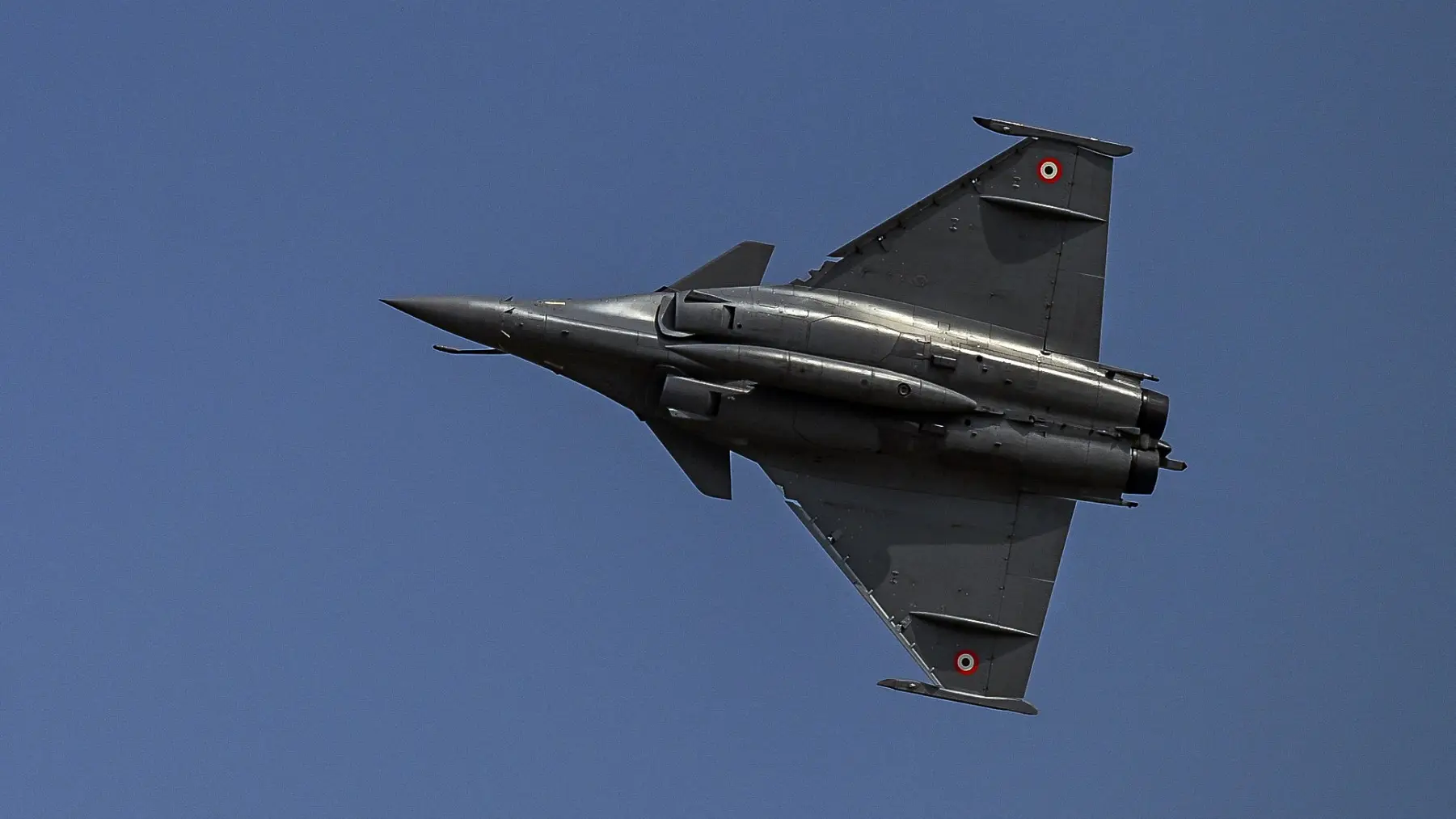
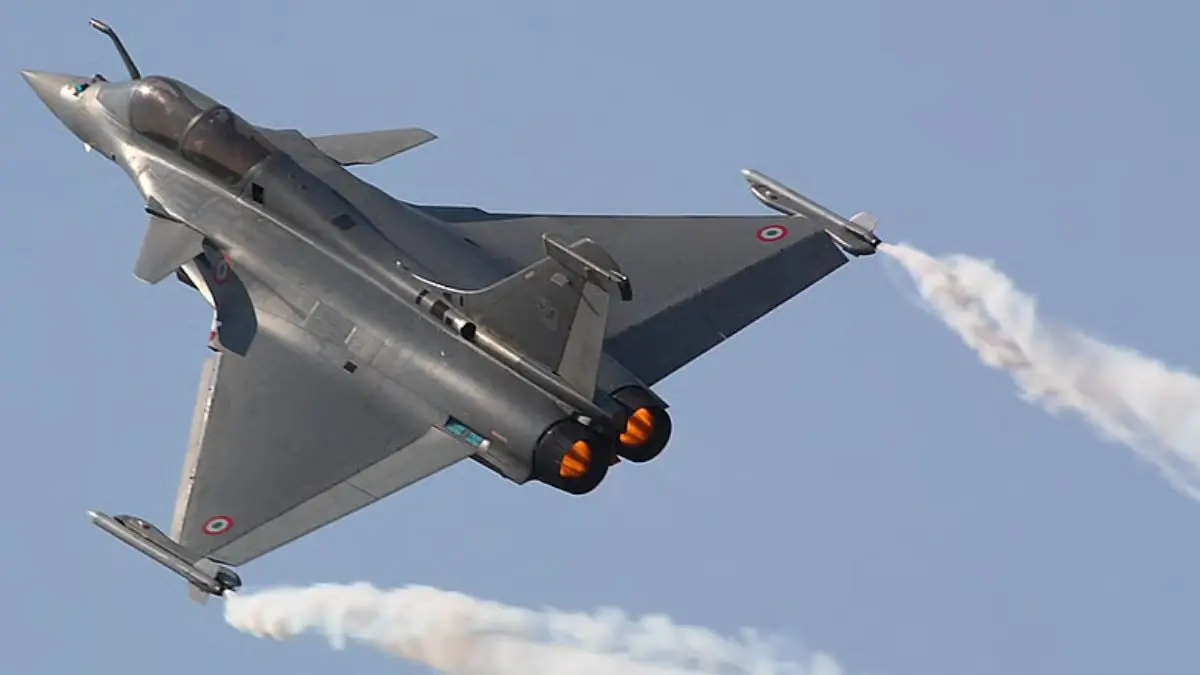
'The flying ghost for Pakistan Air Force': 7 secrets that make India’s Rafale jet invisible to radar

India’s Dassault Rafale reduces its radar visibility through composite airframe shaping, SPECTRA electronic jamming, X-Guard towed decoys, and passive Front Sector Optronics. Combined with decoy drone tactics, these systems allow it to evade adversary air defences.
Radar-Absorbent Airframe Design
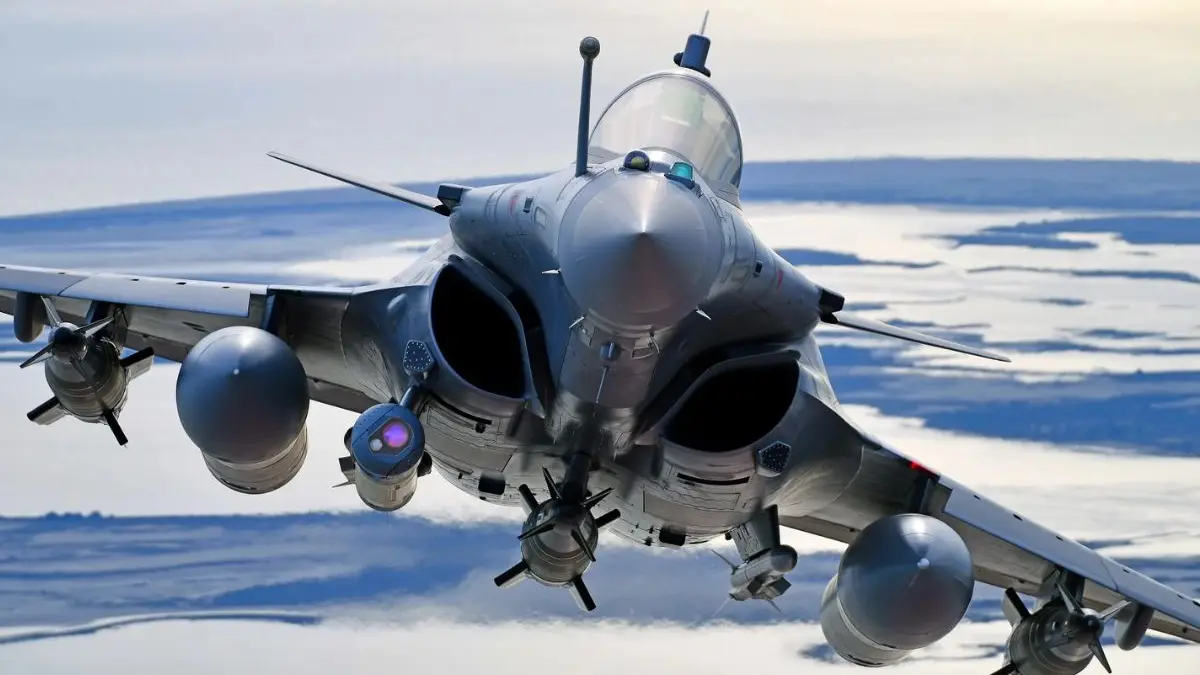
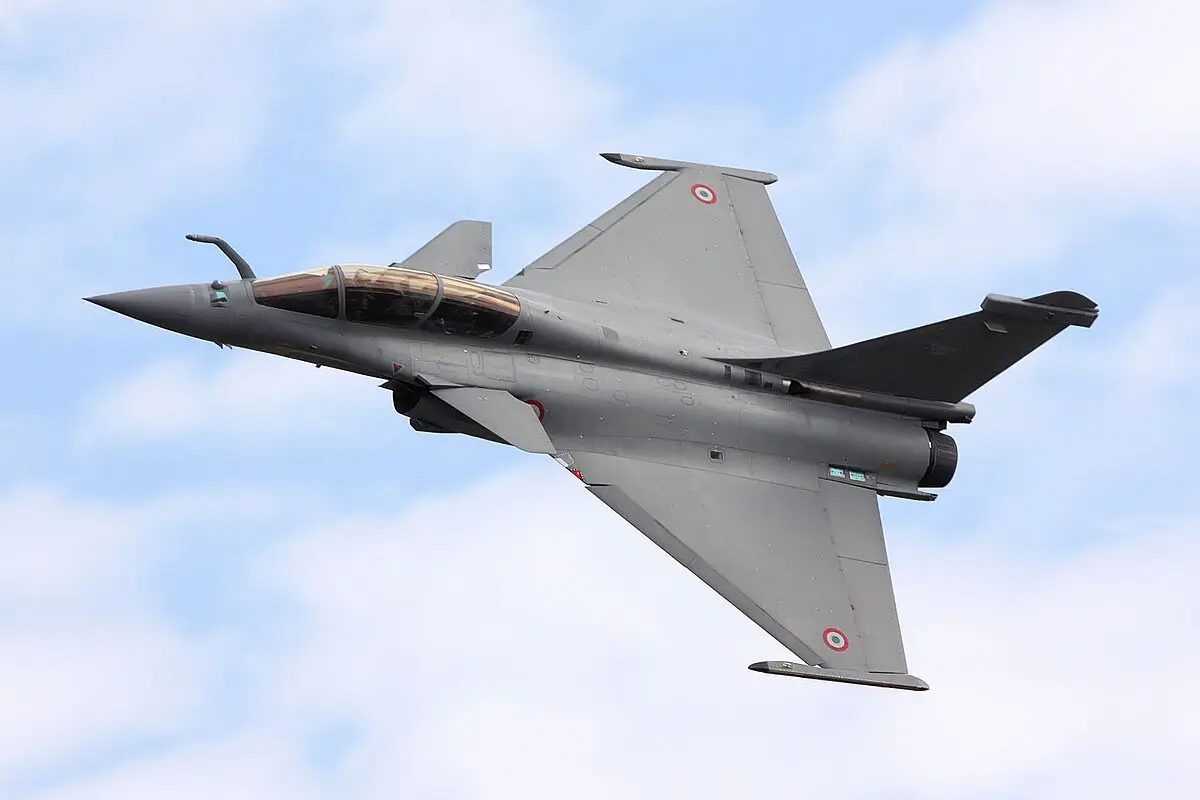
While not a pure fifth-generation stealth fighter, the Dassault Rafale incorporates extensive radar-cross-section reduction features across its airframe. Composite materials make up over 70 per cent of its wetted surface area, paired with serrated edges and S-shaped air intakes that hide reflective engine turbine blades from enemy ground radars.
SPECTRA Electronic Invisibility
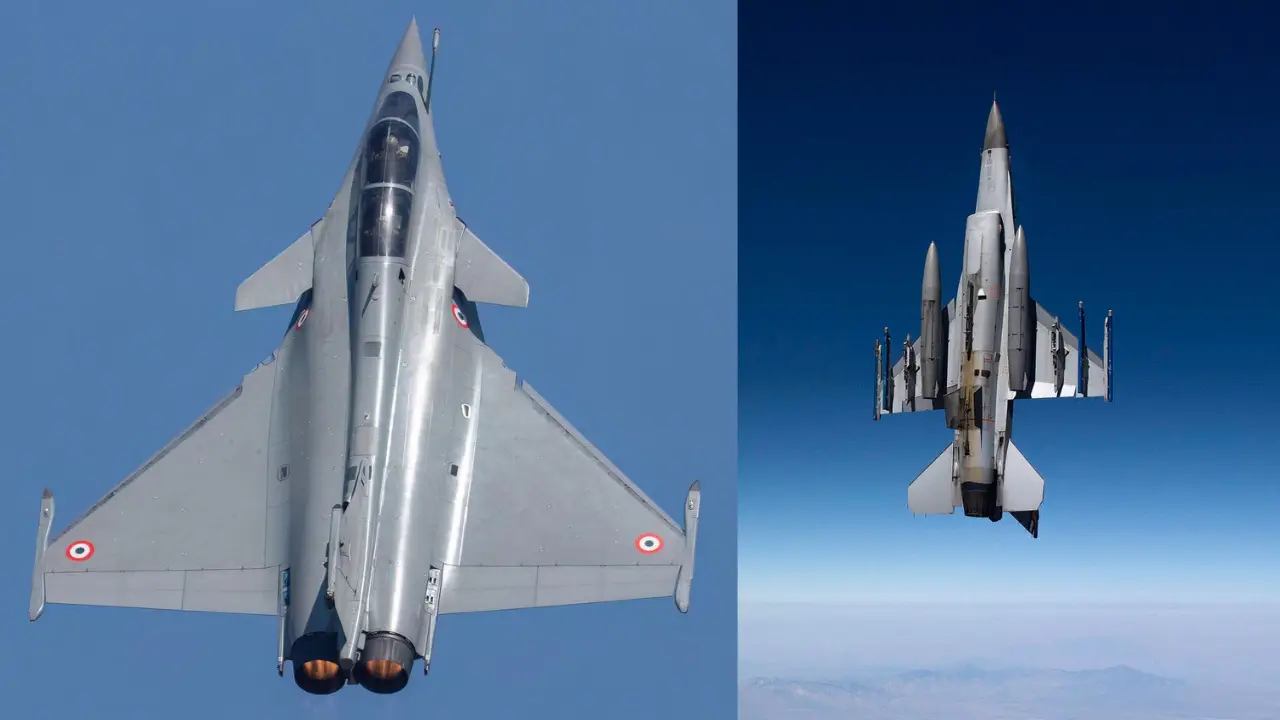
At the heart of the Rafale’s survivability is the Thales-MBDA SPECTRA electronic warfare suite, which provides full 360-degree threat detection. Instead of relying solely on physical shaping, SPECTRA uses directional jamming and active wave cancellation principles to distort incoming radar echoes and break enemy missile locks.
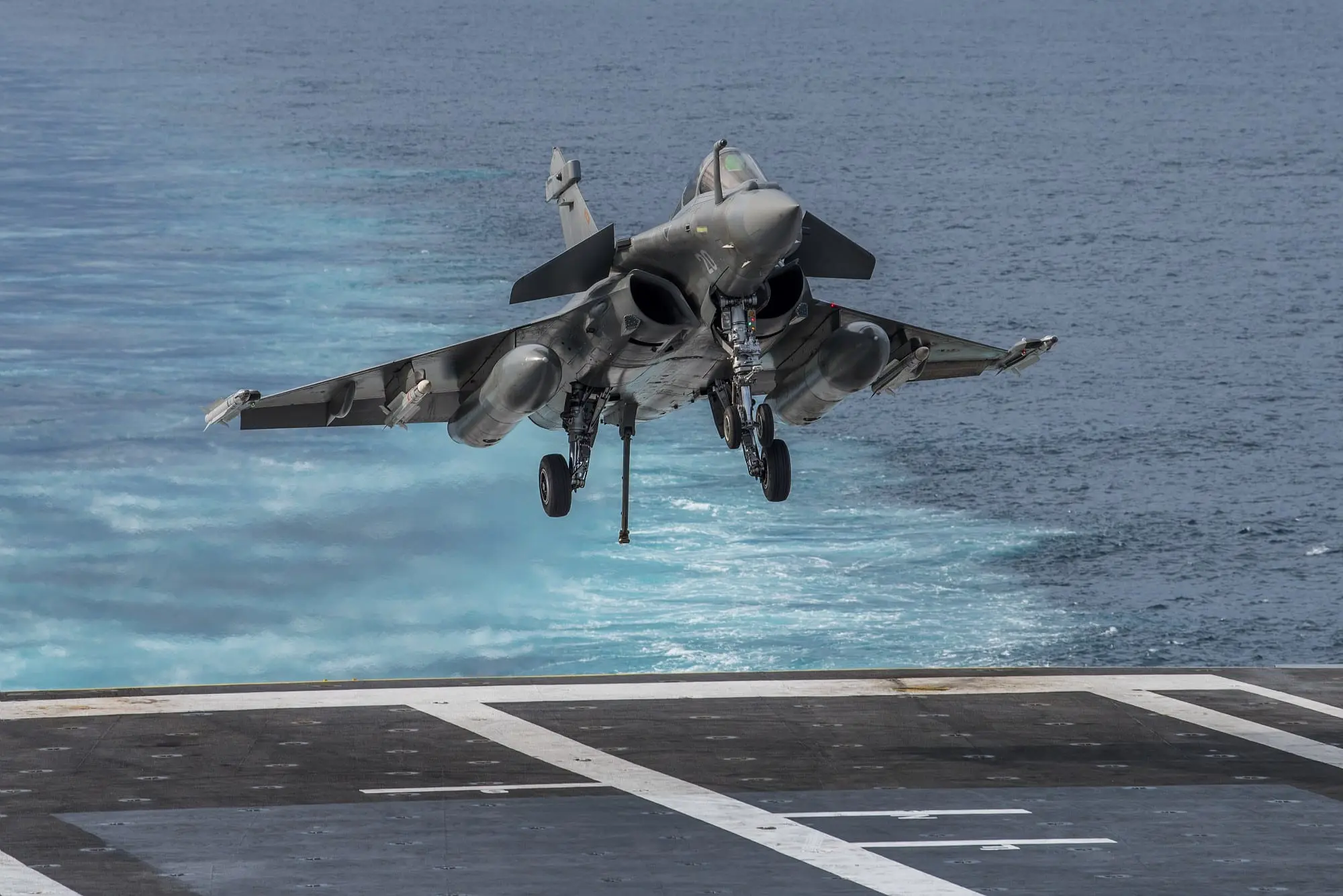
X-Guard Fibre-Optic Towed Decoy
To defeat advanced radar-guided missiles, Indian Rafales deploy the Israeli Rafael X-Guard fibre-optic towed decoy. Trailed behind the jet on a thin cable, this reusable device projects a powerful false electronic signature that lures incoming enemy missiles away from the real aircraft.
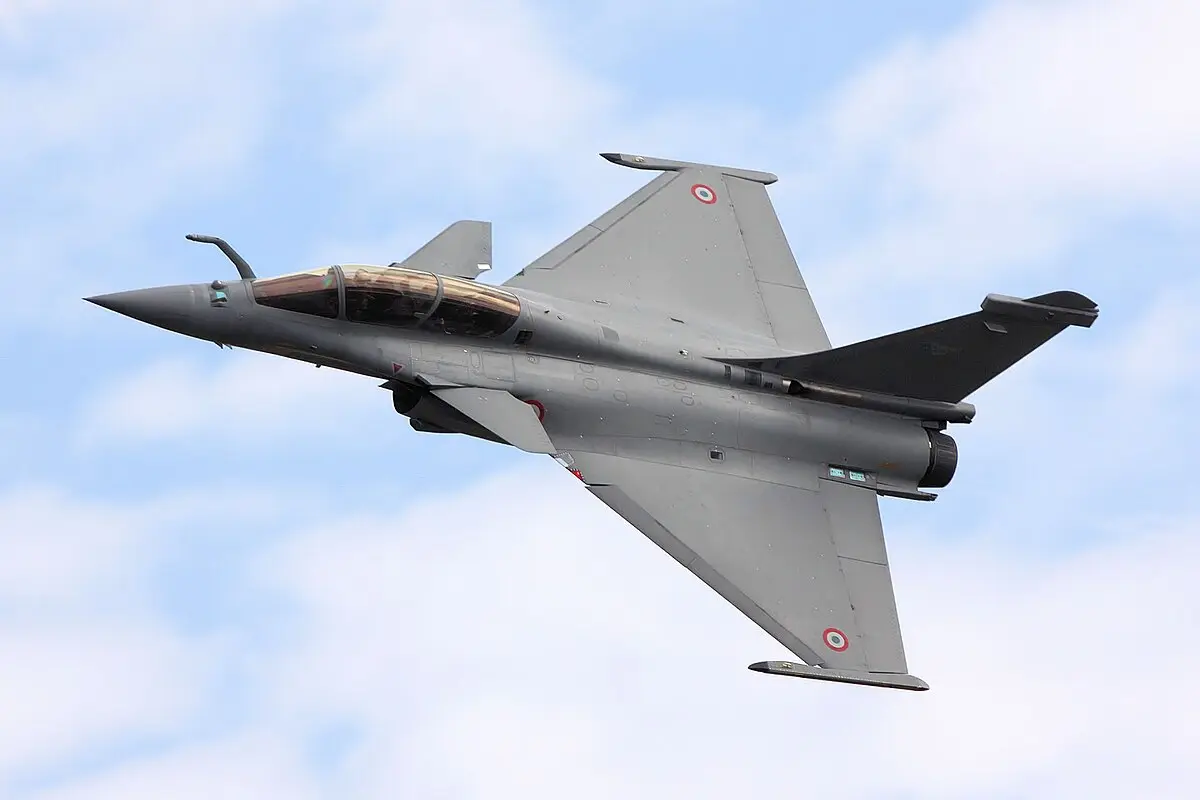
Low-Probability-of-Intercept Radar
The Thales RBE2-AA Active Electronically Scanned Array (AESA) radar allows the Rafale to scan contested skies without giving away its own position. By hopping across frequencies in milliseconds and shaping narrow electronic beams, it avoids triggering enemy radar warning receivers.
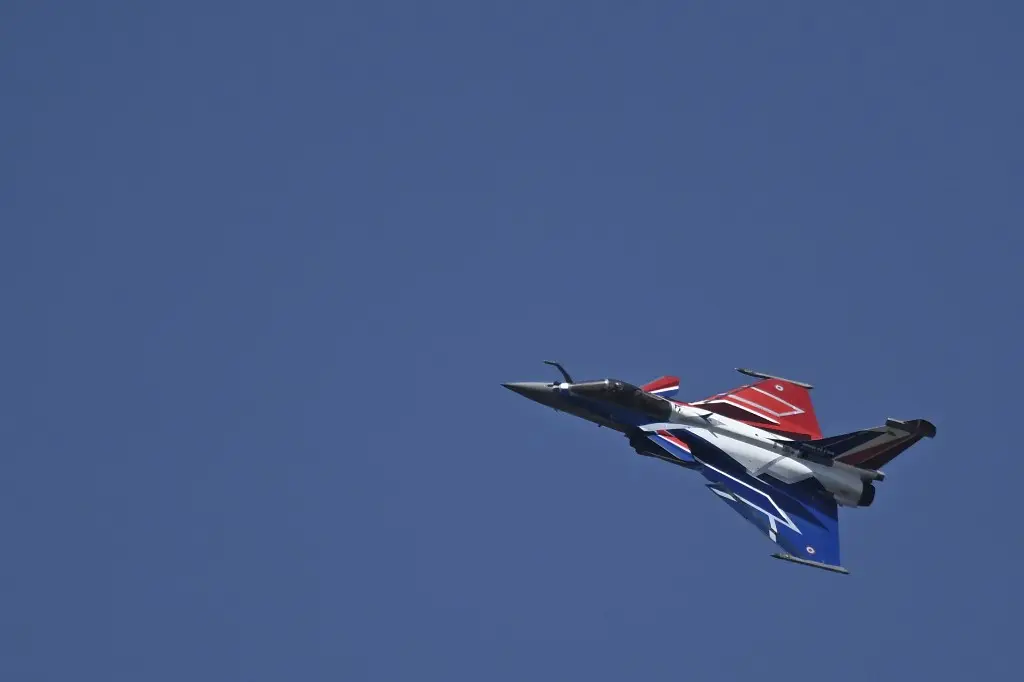
Silent Front Sector Optronics
When absolute electromagnetic silence is required, pilots switch off active radar entirely and rely on Front Sector Optronics (FSO). Integrated into the nose, this passive dual-band infrared and television sensor detects, tracks, and identifies enemy aircraft at long range without emitting a single detectable radio wave.
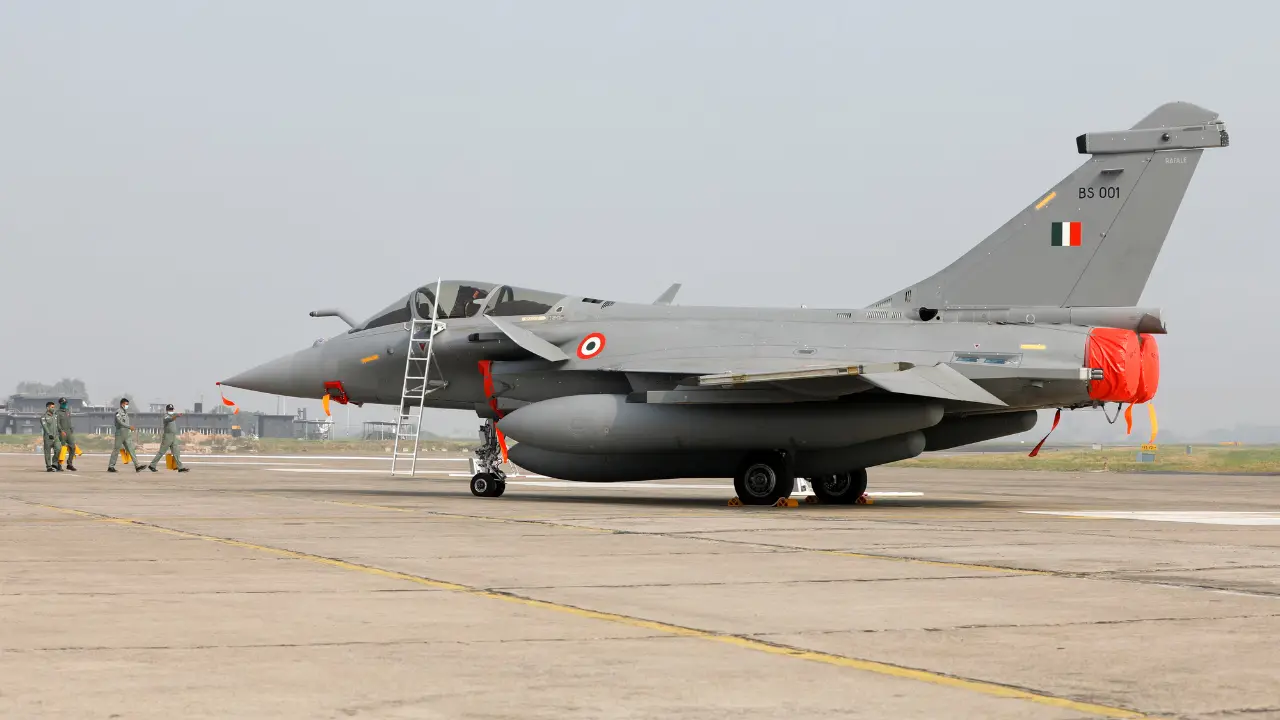
Decoy Drone Swarm Tactics
Modern Indian aerial combat doctrine increasingly pairs manned fighters with expendable decoy drones and electronic warfare payloads to saturate enemy air defences. By projecting multiple phantom radar signatures across the battlespace, these swarm tactics force adversary radars to waste missiles on false targets.
Low-Altitude Terrain Masking
The Rafale is specifically engineered for high-speed, automated terrain-following flight just a few hundred feet above the ground. By hugging rugged Himalayan valleys and using hills to block line-of-sight radar beams, the jet penetrates contested airspace undetected until the final seconds of an attack.