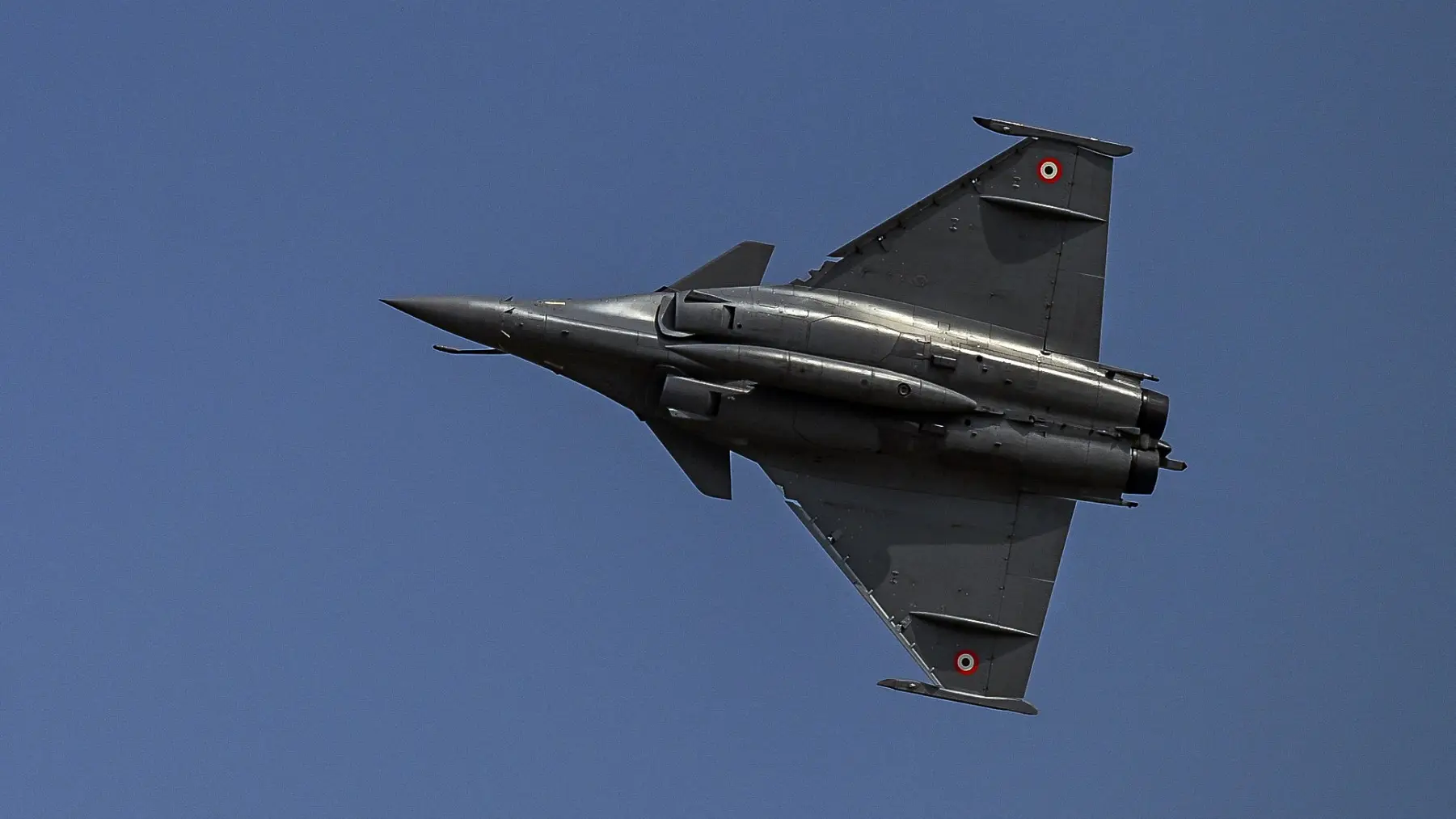
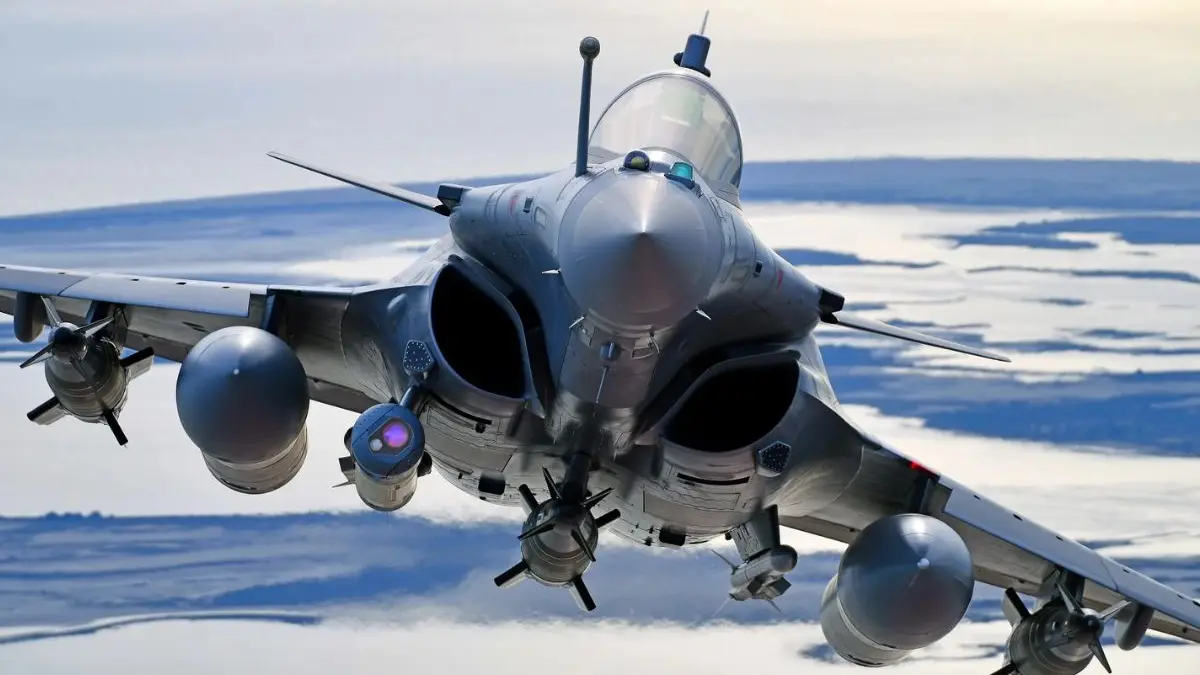
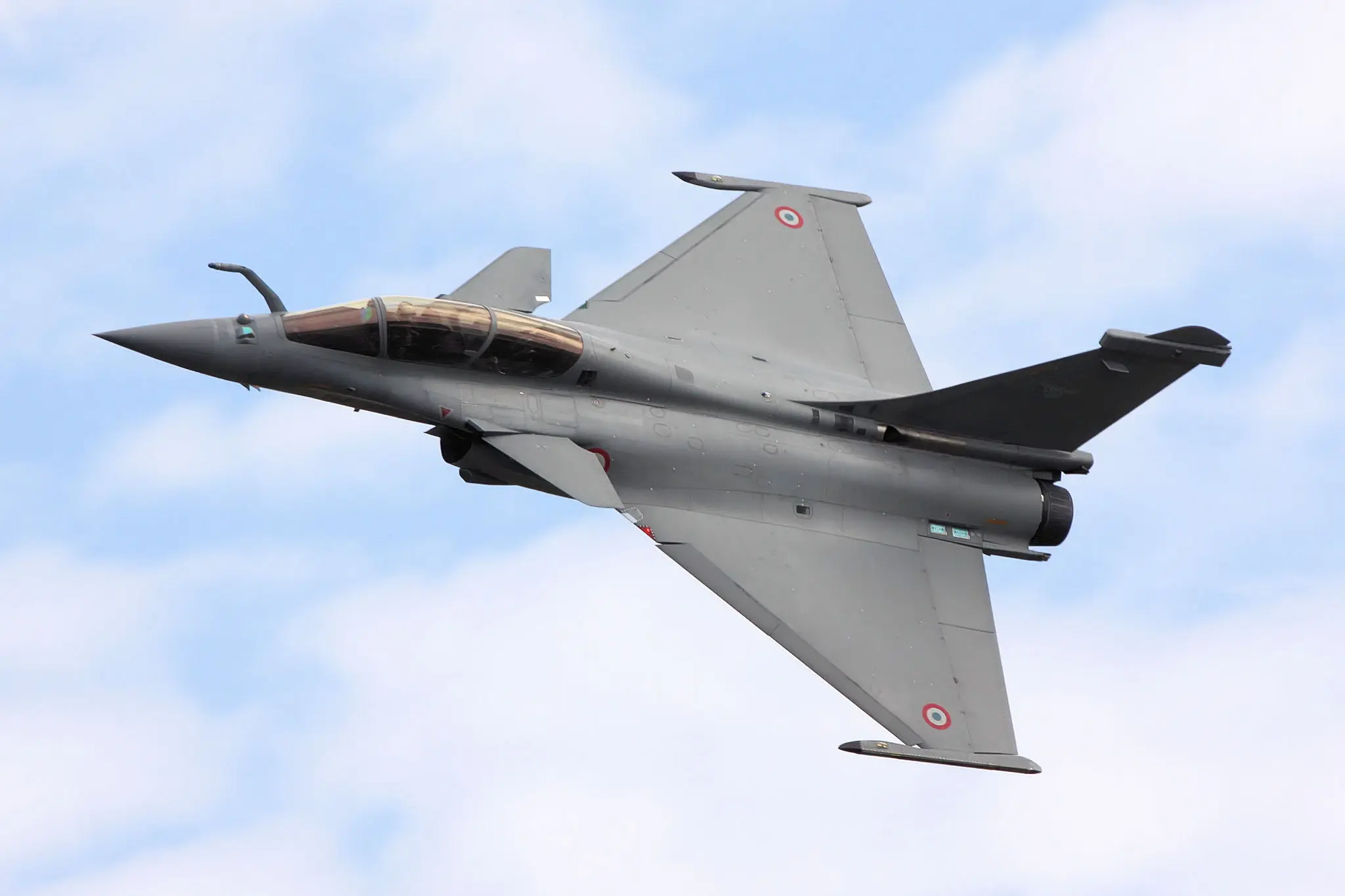
‘The 4.5-gen beast’: Why the Rafale fighter jet is one of the most dangerous fighter jets in South Asia

Equipped with Mach 4 Meteor missiles, RBE2 AESA radar, and SPECTRA electronic warfare, the combat-proven Dassault Rafale dominates South Asian skies. High-altitude Ladakh upgrades and 500km SCALP cruise missiles make it an unmatched 4.5-generation force.
The Meteor Advantage
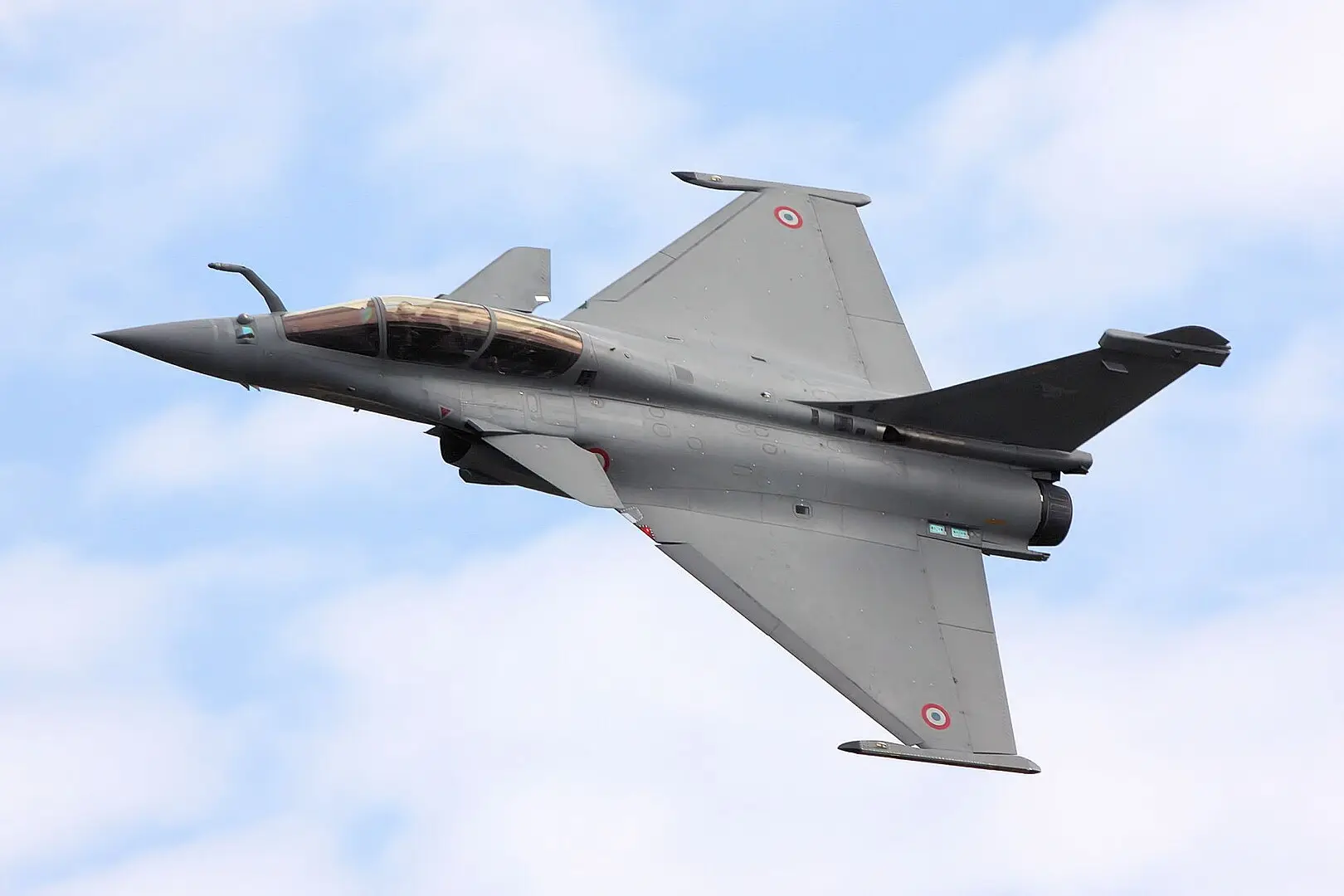
The Rafale’s primary air-to-air weapon is the MBDA Meteor beyond-visual-range missile, powered by a throttleable ramjet engine. Unlike traditional solid-fuel missiles that burn out early and glide, the Meteor accelerates at speeds exceeding Mach 4 all the way to impact, creating a massive no-escape zone of over 100 kilometres against regional fighters like the F-16 or J-10C.
The RBE2 All-Seeing Eye
Equipped with the Thales RBE2 AA Active Electronically Scanned Array (AESA) radar, the Indian Rafale steers its radar beam electronically in milliseconds rather than relying on slow mechanical dishes. This advanced sensor suite tracks up to 40 targets simultaneously and engages eight at once, giving pilots decisive first-look, first-shot superiority even in dense jamming environments.
SPECTRA Electronic Invisibility
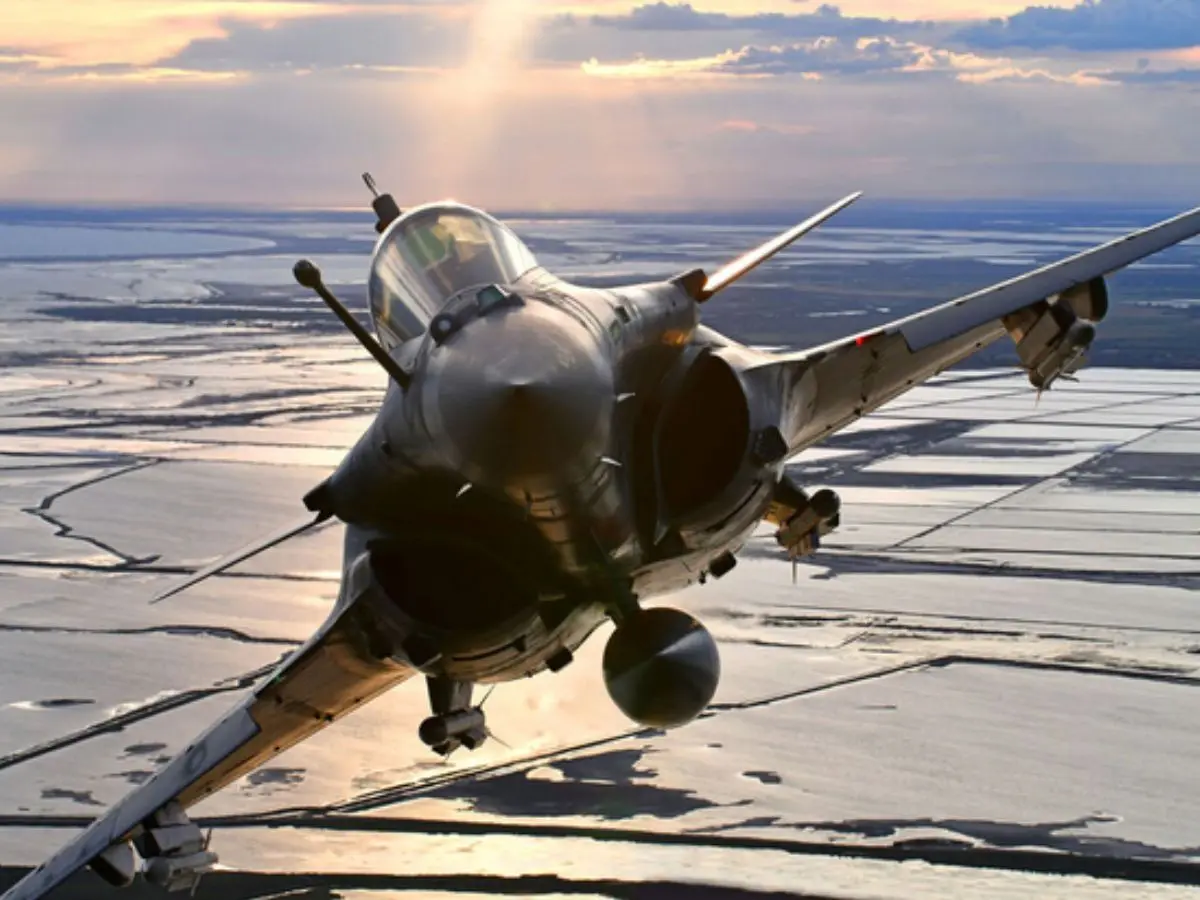
Rather than relying solely on airframe shaping, the Rafale uses the integrated SPECTRA electronic warfare suite to survive contested airspace. It provides 360-degree threat detection and employs active cancellation technology, emitting tailored counter-signals to neutralise enemy radar waves and mask the aircraft's signature.
Deep Strike Omnirole Power
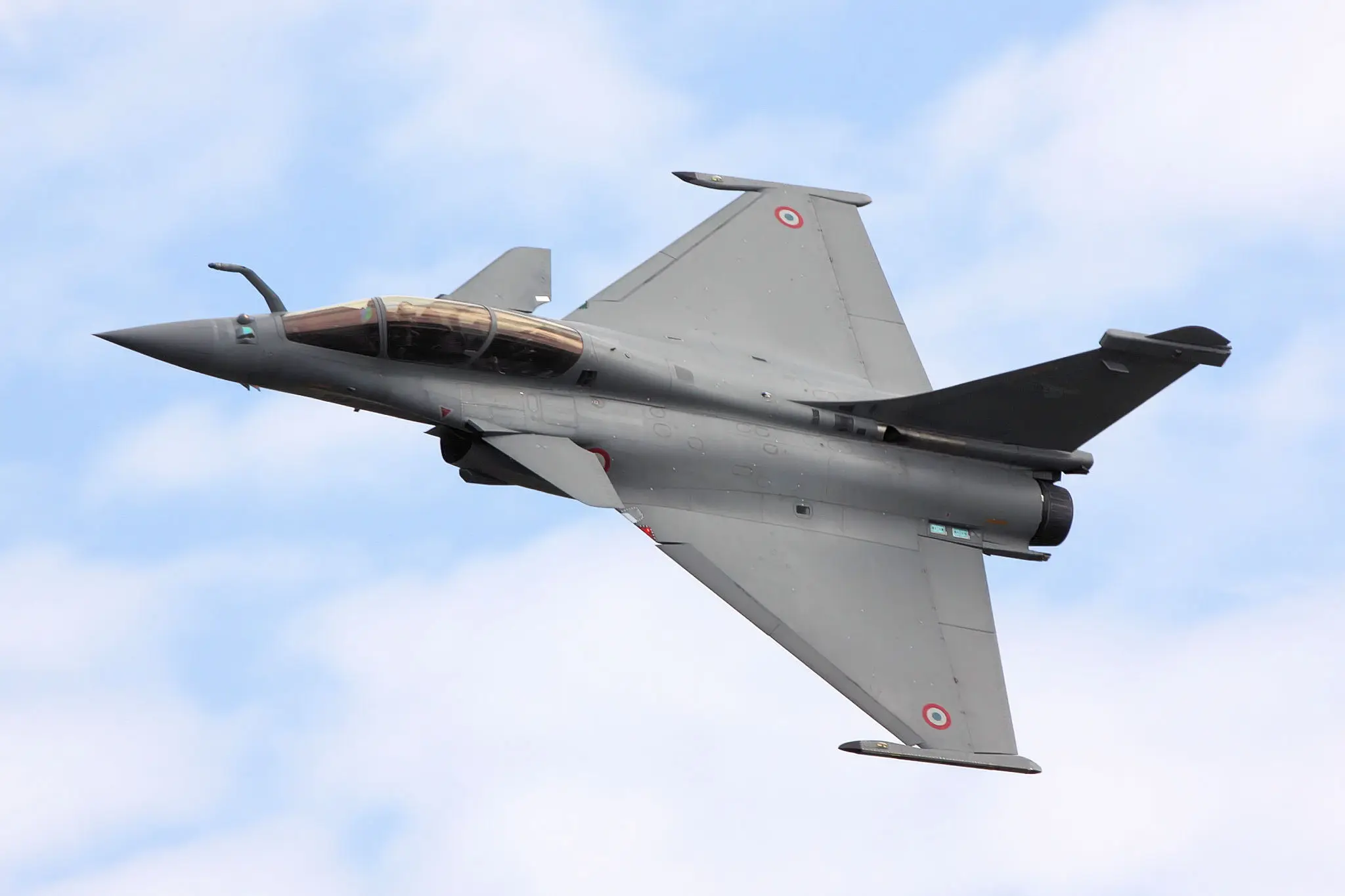
Built as a true omnirole fighter, the Rafale seamlessly transitions between air superiority, deep-strike missions, and nuclear deterrence within a single sortie. Carrying the stealthy SCALP cruise missile with a strike range exceeding 300 to 500 kilometres, Indian pilots can destroy hardened enemy bunkers and command centres without ever crossing international borders.
Hot-and-High Ladakh Edge
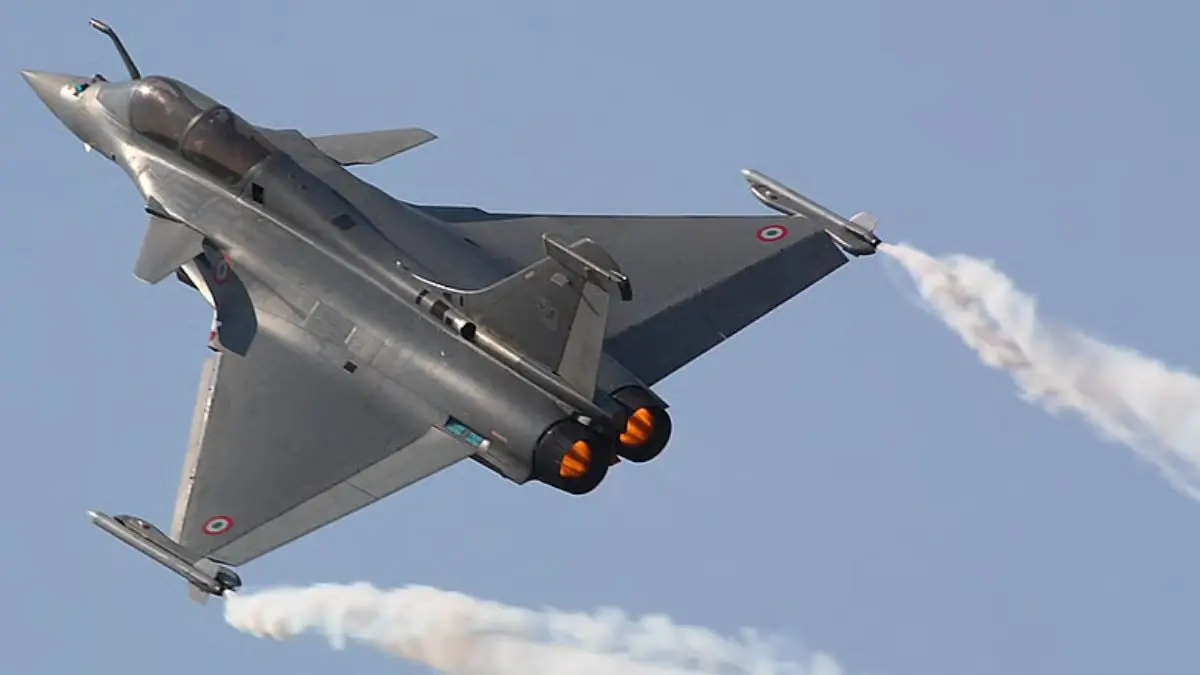
While rival aircraft often struggle with engine thrust in thin Himalayan air, the Indian Rafale features bespoke enhancements tailored for extreme high-altitude operations in Ladakh. Its twin Safran M88 turbofan engines and delta-canard aerodynamics enable cold starts and heavy weapon take-offs from high-elevation runways like Leh where competing jets must fly light.
Battle-Hardened Reliability
Unlike regional fifth-generation rivals such as China’s Chengdu J-20, which lacks real-world combat history, the Rafale is thoroughly battle-proven across theatres in Afghanistan, Libya, Mali, Iraq, and Syria. Decades of operational refinement and active Indian Air Force deployment—backed by New Delhi's ongoing plans to acquire 114 additional jets—ensure unmatched combat reliability.
HAMMER Bunker-Busting Precision
For tactical ground support, the Rafale deploys the Safran AASM HAMMER, a rocket-boosted precision munition. Fired from standoff distances of up to 60 kilometres, it strikes mountain-top bunkers along the Line of Control with metre-level accuracy while keeping the aircraft safely out of range of shoulder-fired air defences.