
&imwidth=800&imheight=600&format=webp&quality=medium "From farm to fork: The hidden lives of animals behind India’s food | World Farm Animals Day 2026")
Trigger warning: Some readers may find the details of this report disturbing. Discretion is advised
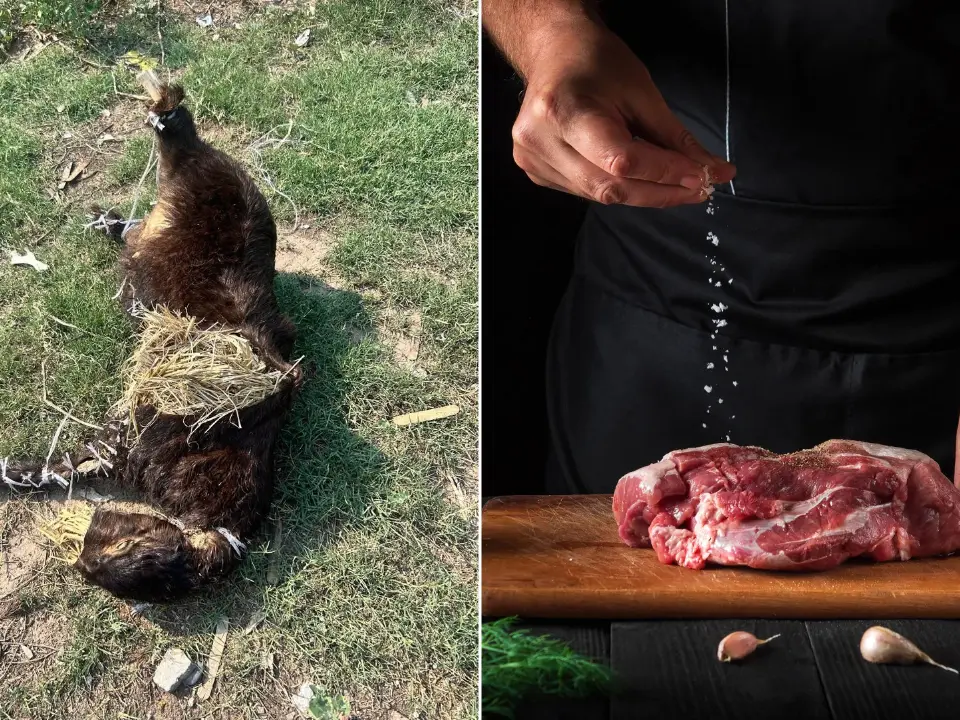
Every day, millions of animals enter India's food system long before they appear on a plate. For consumers, the journey often begins at a dairy counter, a poultry shop, a meat market or a restaurant. For the animals, it begins much earlier, on farms, in hatcheries, during transport and, eventually, at slaughter facilities. On World Farm Animals Day (Oct 2), the spotlight is meant to move beyond what reaches the dinner table and towards what happens before it. Let's peek behind the curtain.
India's livestock market

India is one of the world's biggest livestock and animal-product producers. The government's Basic Animal Husbandry Statistics 2025 estimates that the country produced 247.87 million tonnes of milk, 149.11 billion eggs and 10.50 million tonnes of meat in 2024-25. Poultry alone accounted for 5.18 million tonnes of that meat.
Behind those numbers is a vast, complicated system of farmers, dairies, hatcheries, transporters, markets and slaughter facilities. It is also a system where animal welfare standards can look very different on paper and on the ground.
Peedu's People, an animal welfare organisation that works on cases involving farm animals, says some of the most basic problems begin at the farm itself.
Trending Stories
)
US vs China over South China Sea: Washington backs Philippines, Beijing hits back
)
Bigg Boss 20: Isha Rikhi evicted after three weeks in Salman Khan’s show
)
Musk plans to more than double xAI's chips to over 1.2 million Nvidia GPUs by year-end
)
After JU, clash erupts at SRFTI: BJP’s ‘Dimagi Naxal’ jibe sparks political firestorm after students protest RSS-linked event
)
‘Anti-social elements spreading false rumours’: LPU issues statement amid massive unrest over alleged rape
)
LPU students go on rampage, vandalise campus amid widespread protest: What's happening
)
Trump asked Xi to pressure Iran. China did not say yes — here’s what Beijing wants
)
US Treasury Secretary Scott Bessent hails global crackdown on Iranian banks and airlines
)
An OpenAI agent escaped its locked test cage again, by hiding questions in DNS lookups
)
'Our video was trimmed': LPU girls who featured in rape-denial video make U-turn
)
3 males killed, four others injured in shooting after fight at strip club in Detroit
)
'Victory for low-budget consumers': Raghav Chadha hails 30-day telecom recharge rules
)
Claude rebuilt the 1989 game 'Prince of Persia' by reusing the original's own code
)
Beyond metros: How Tier-2 and Tier-3 cities could drive India’s next AI wave
)
Tesla builds first Cybertruck with its own refined lithium: Elon Musk's $1 billion Texas bet pays off
)
IndiGo flight suffers tail strike in Bengaluru while landing; DGCA to probe incident
)
The US and China set up an AI 'red telephone', but skipped the rulebook
)
‘Terror suspects arrested near UK air base were looking to do big damage’: Trump
)
Russian envoy claims US tactics to contain India were revealed in ‘Freudian slip’
)
IND vs WI 1st ODI: Kohli breaks Sachin's most runs in one country record with unbeaten 139 as India thump West Indies by 8 wickets
)
Researchers rebuilt exactly how 700 AI agents hacked Hugging Face: a 900-link chain trick
)
‘Olympic inclusion is our major target’: WPA President Ishaun Singh on pool’s global ambitions
)
Nations League: Spain sink England at Wembley; Modric shines for Croatia
)
Why has Iran released no proof of life of Mojtaba Khamenei? Araghchi reveals...
)
'What kind of confession is this?': Pakistan PM Shehbaz Sharif’s 'terrorists would be roaming New York' remark goes viral, raises alarm online. Watch
)
South Korea demands apology from Ukraine over North Korean prisoners' transfer
)
Beyond BrahMos: India targets Rs 50,000 crore in defence exports with unmatched price edge
)
Sri Lankan Tamil migrant worker gets death sentence in Saudi Arabia, help sought from India
)
Muslim marriage cannot shield sex with minor wife from prosecution under POCSO: Delhi HC
)
'Can't help but draw painful parallels to Nirbhaya case': SC on latest incidents of rape cases in Delhi-NCR
)
99.9% more powerful - Scientists find boy who can recall memories from just 3 months of age
)
'FIRST LOOK from inside Noah’s Ark': Researchers share video from inside mysterious mound in Turkey
)
UNSC reform momentum grows: Russia, Portugal, Mauritius push for India's permanent seat bid
)
8 US marines injured in Iranian missile attack on vessel in Strait of Hormuz: Report
&im=FitAndFill=(700,400))
New OTT releases this week (September 28-October 4, 2026): Dupahiya 2, Pooja Meri Jaan, Ohh My Dog- 5 titles coming on Netflix, Prime Video and more
)
Afghanistan says 28 fighters killed in clash near Pakistan border, Islamabad denies
)
Ceuta migrant crisis: Protesters take to streets as Spain grapples with migrant challenge
)
LPU suspend classes, postpones exams as violence escalates over rape claims: What's happening
)
New York City wants a 'kill switch' on every AI, and will pay whistleblowers who report violations
Also read | 'Threads of cruelty': Caught between heritage, livelihoods and animal welfare - India's silk dilemma
The dairy animal that never gets to live like one
According to Prag Sharma, Animal Advocacy Manager at Peedu's People, one of the biggest problems is something far more basic than the treatment of an individual animal: the lack of registration and oversight of dairies.
“A major chunk of my work starts from dairy. But the dairy is having a problem, which is registration. There is no dairy in India which is registered with the government at any level,” Sharma said during a conversation with WION's Moohita Kaur Garg.
He described cases involving newborn male calves being killed or left without adequate care. In some instances, he alleged, calves are given water instead of milk, despite being too young to survive on water alone. This, he said, stems from the belief that a calf dying on its own would spare dairy owners of "paap (sin)".
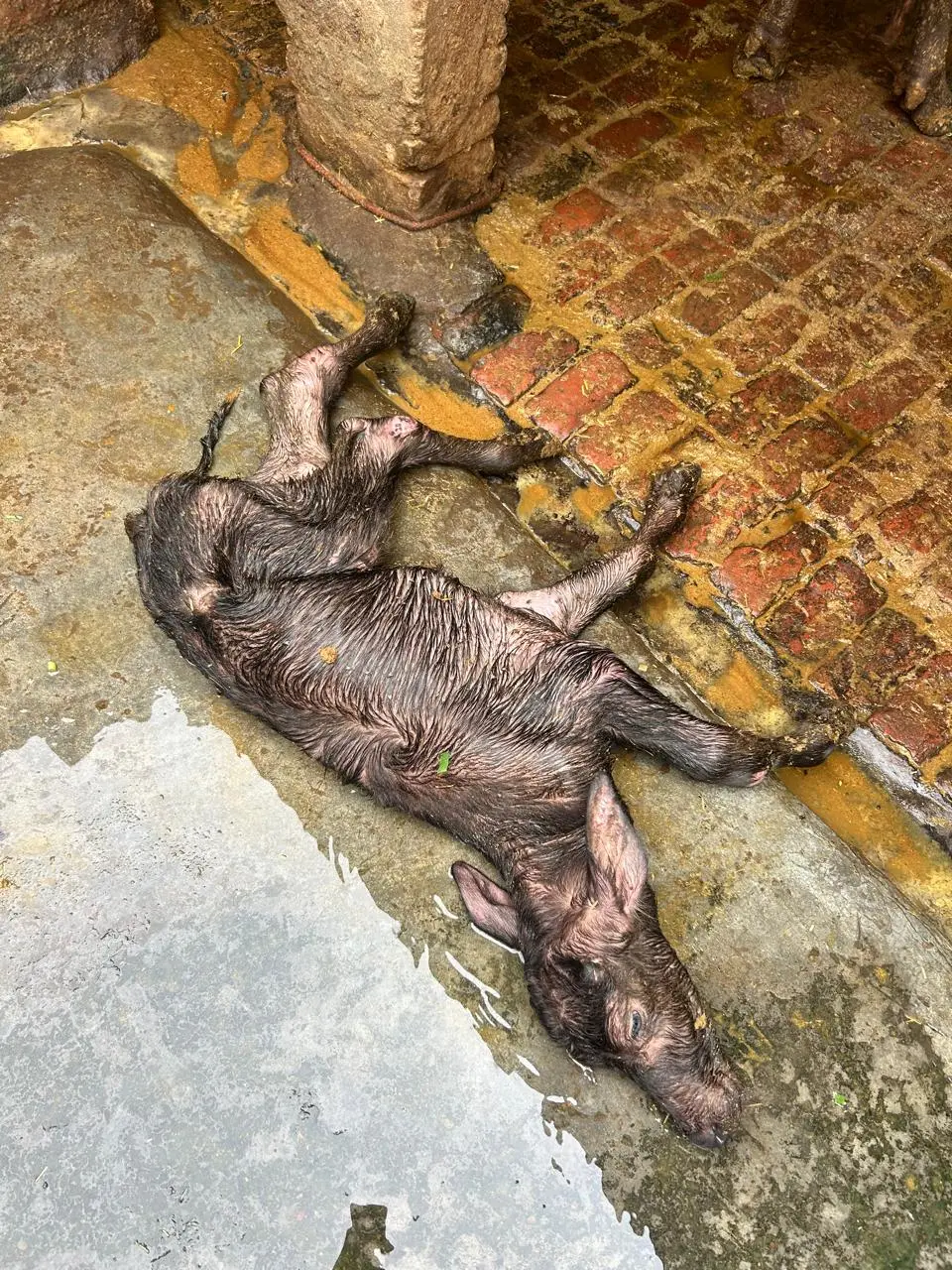
Others are sold into livestock markets and eventually enter the slaughter chain at just 2-3 months of age. Notably, Specifically, Rule 3 of the Prevention of Cruelty to Animals (Slaughter House) Rules, 2001 (enacted under the central Prevention of Cruelty to Animals Act, 1960) explicitly protects unweaned and young animals.
Sharma recalled visiting a livestock market where he saw a truck carrying calves ranging from around one month to five months old. “These are the cruelties regarding calves,” he said.
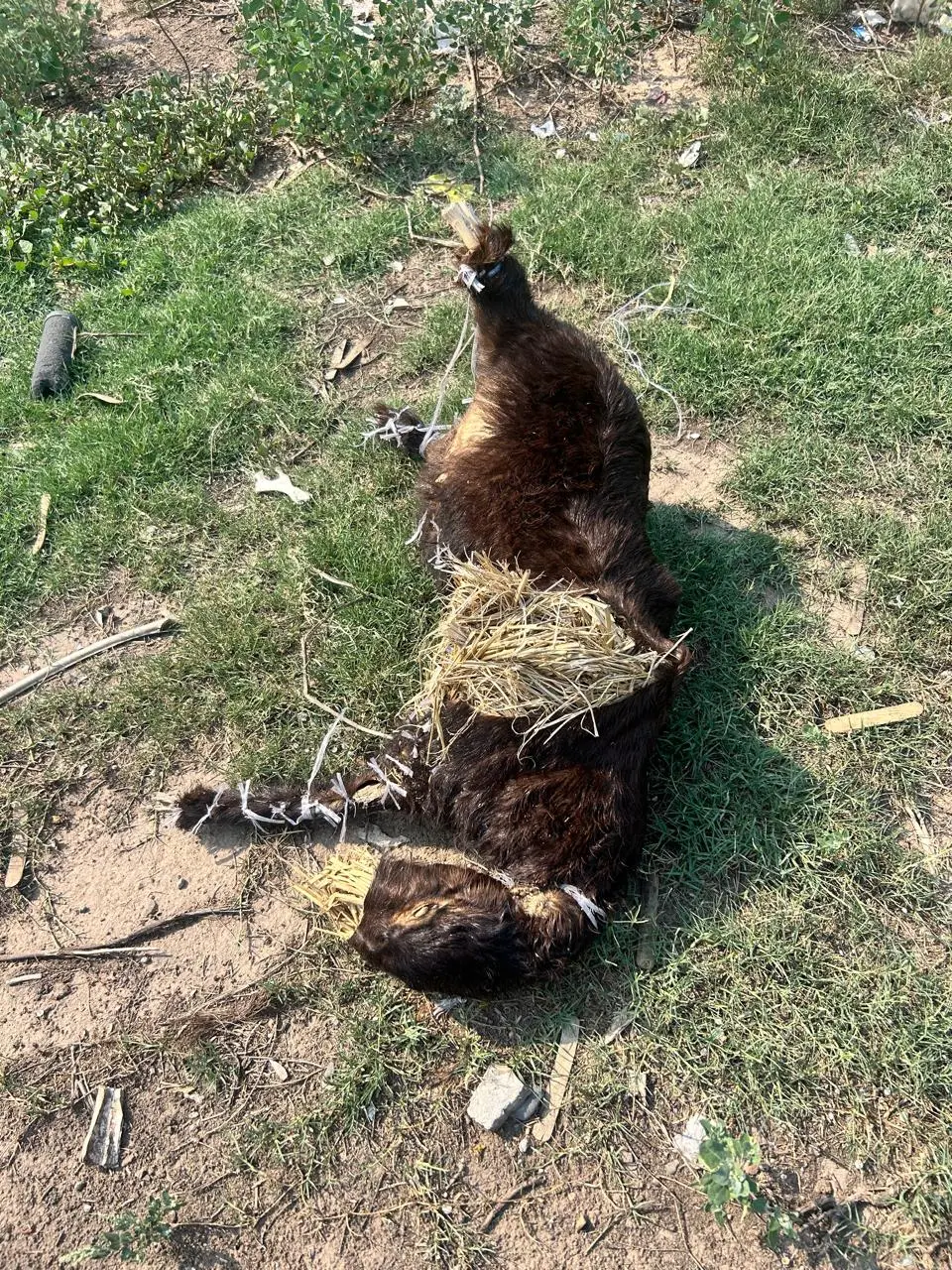
There are also the more visible problems of tethering and abandonment. Sharma said dairy animals are sometimes kept tethered continuously, while in parts of the country, cattle are released onto roads for grazing so owners can avoid the cost of feeding them. The result? Animals wandering onto highways and being injured or killed in traffic. This endangers not just the animals but also the humans behind the wheel.
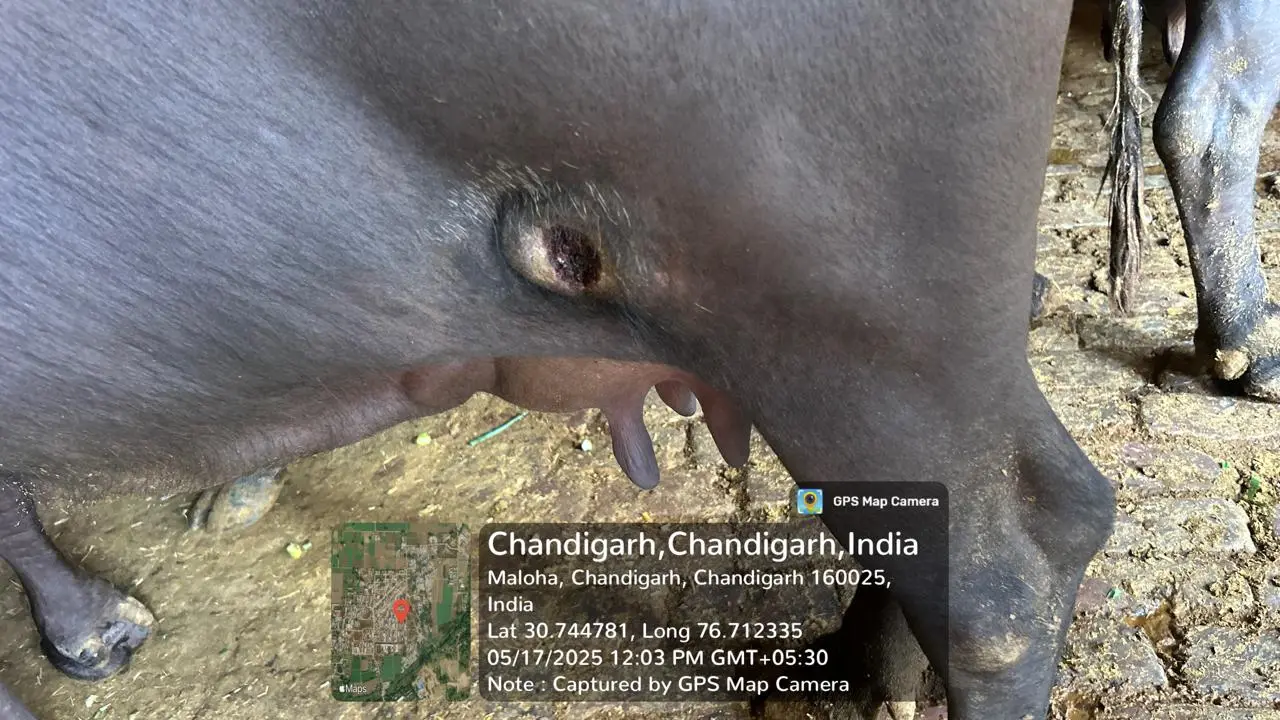
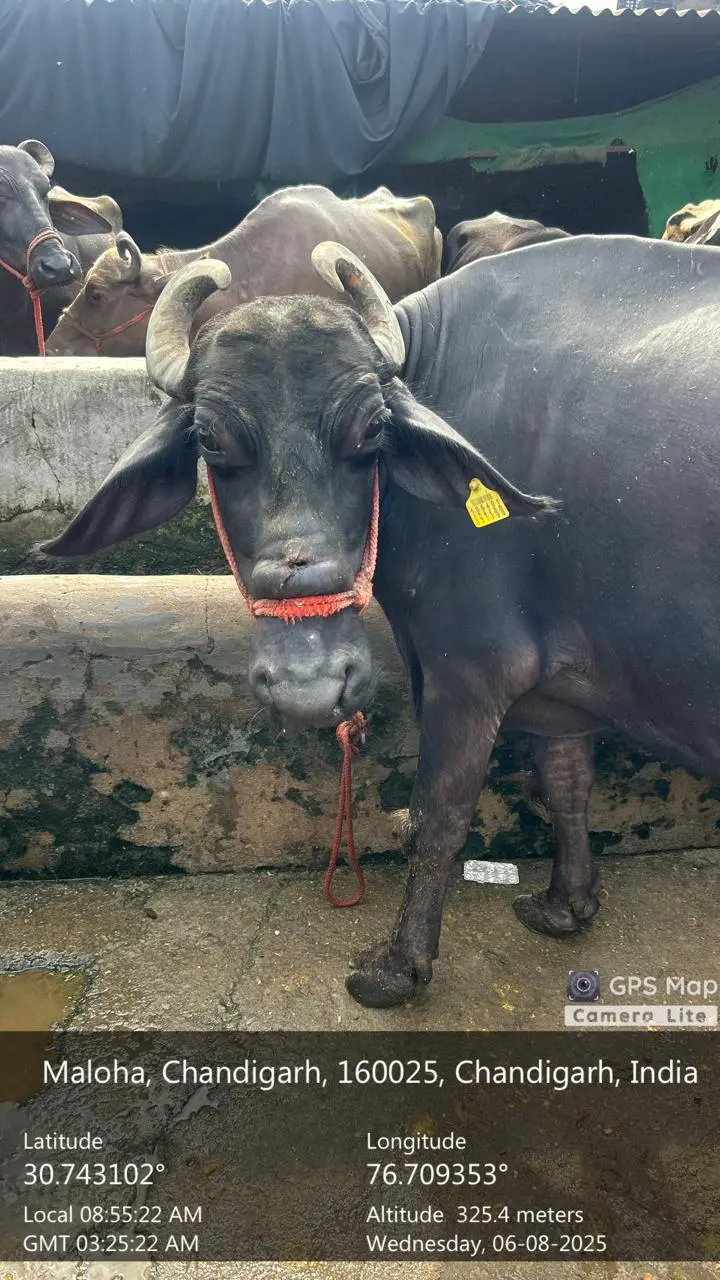
Oxytocin: The controversial shortcut to more milk
One of the issues repeatedly raised by animal-welfare workers is the alleged use of oxytocin to increase milk production.
Sharma revealed that despite restrictions around its use, they continue to discover oxytocin use in dairies. “There is an issue related to oxytocin which is prevalent in India even after the ban,” he said, adding that his organisation had filed multiple complaints over the issue.
For the uninitiated, Oxytocin is a hormone naturally produced in animals and is involved in processes including milk let-down. Its misuse in dairy production has long been a concern for animal welfare groups and regulators.
For Peedu's People, this is not merely a theoretical issue. Sharma said the organisation has filed complaints and cases and has photographic evidence, including images of suspected oxytocin bottles.
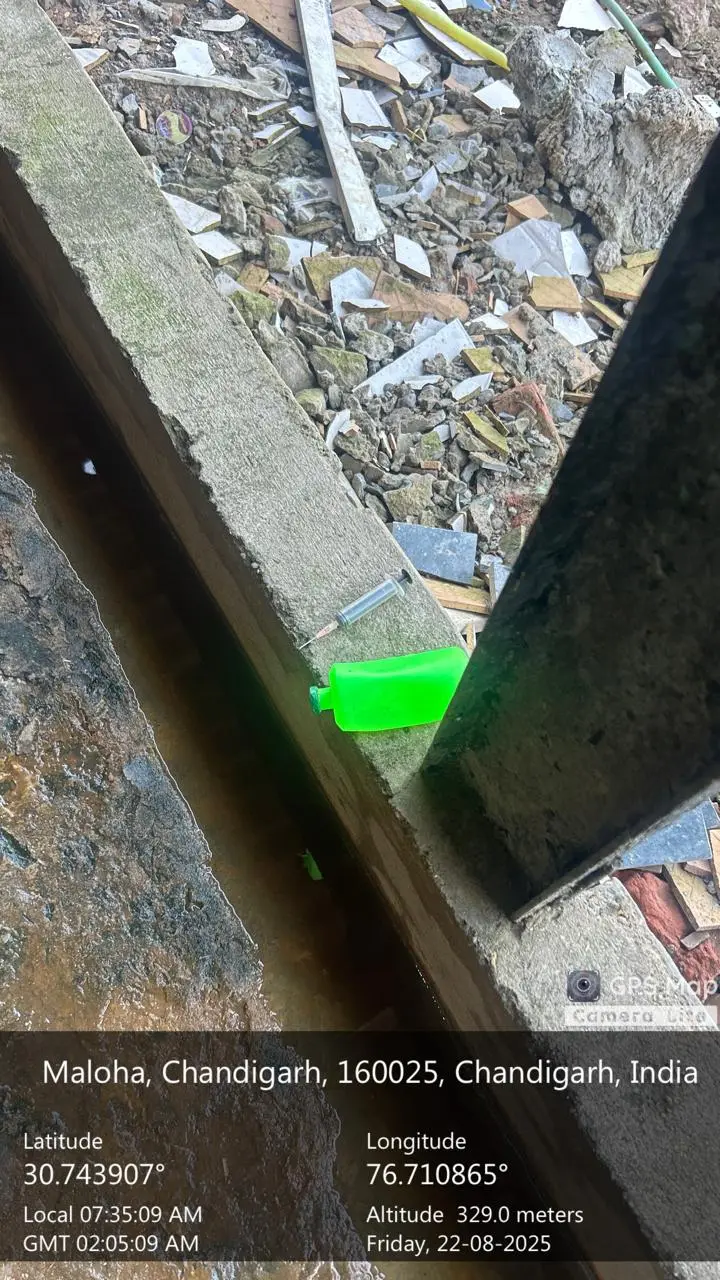
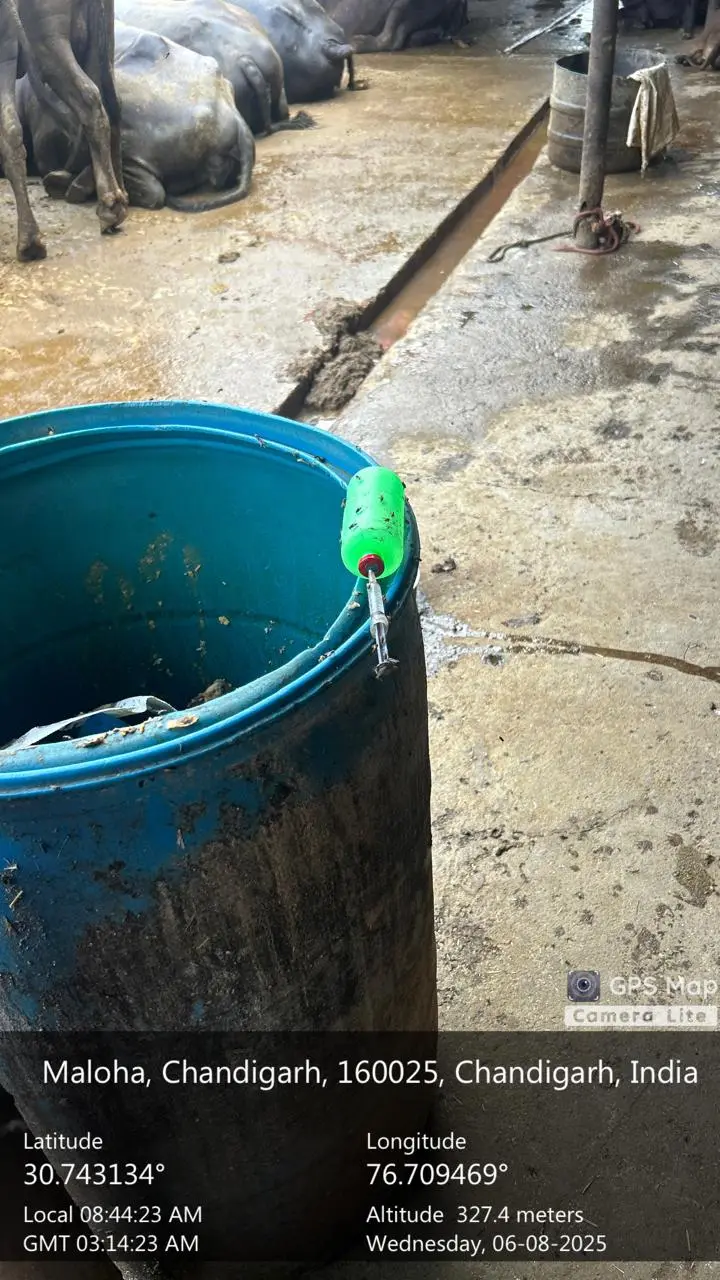
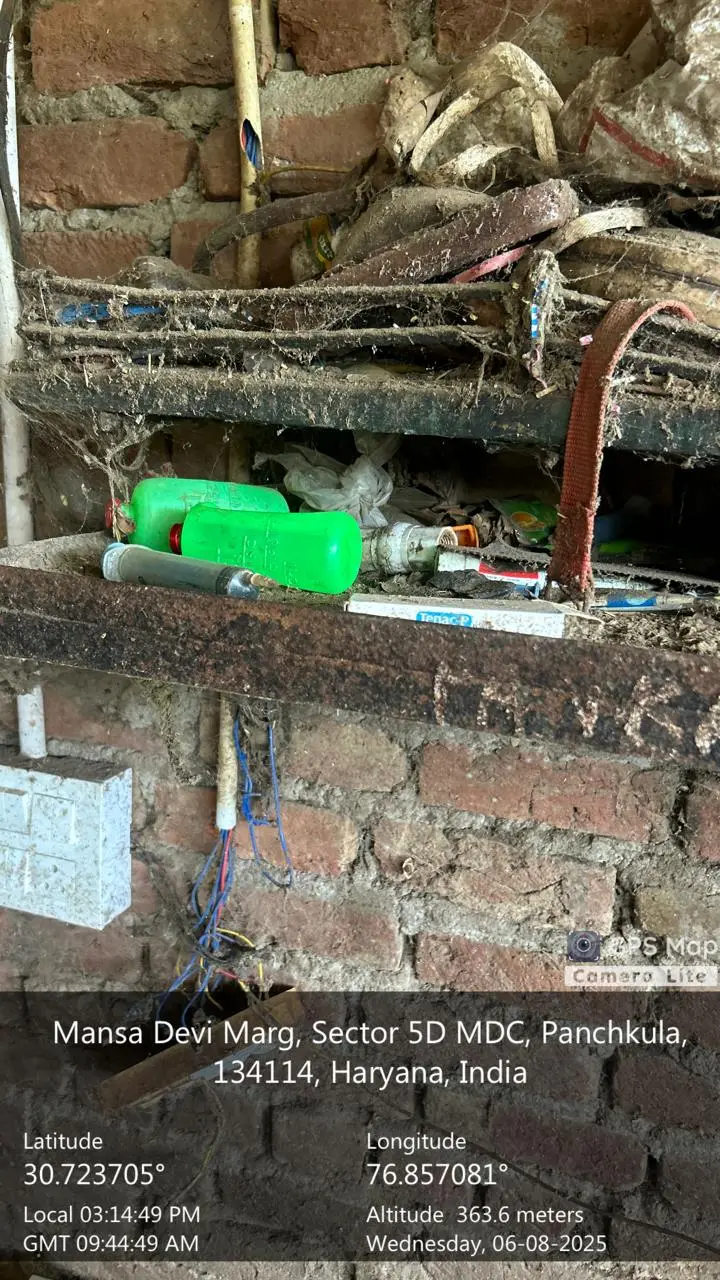
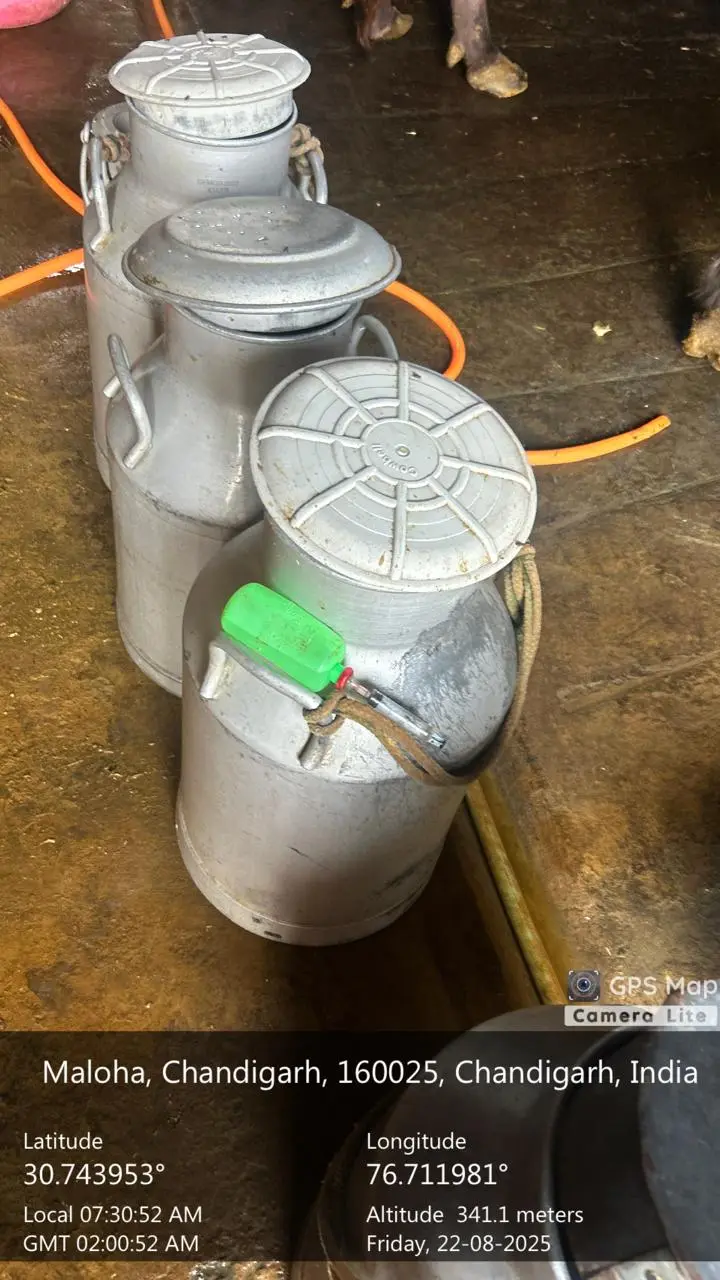
Those records form part of a much larger paper trail that the organisation has shared for this story. Peedu's People has shared tens of photographs of challans issued to dairies and farms in Chandigarh and surrounding areas, along with complaints and other documents.
Notably, this is significant not because Chandigarh represents the whole country, but because these offer a window into a much larger system. Chandigarh is a relatively small Union Territory. If welfare violations and enforcement complaints can be documented even at this scale, the wider national picture deserves far closer examination.
From hatchery to truck, the poultry problem begins on day one
For poultry, Sharma says the welfare story can begin almost immediately after hatching. In commercial egg production, female chicks are raised as laying hens. Male chicks, which do not produce eggs, have little commercial value in the same system.
Sharma said Peedu's People has an investigative poultry project and has obtained footage showing live male chicks being discarded. He described the methods used in some hatcheries as particularly disturbing, including crushing and drowning.
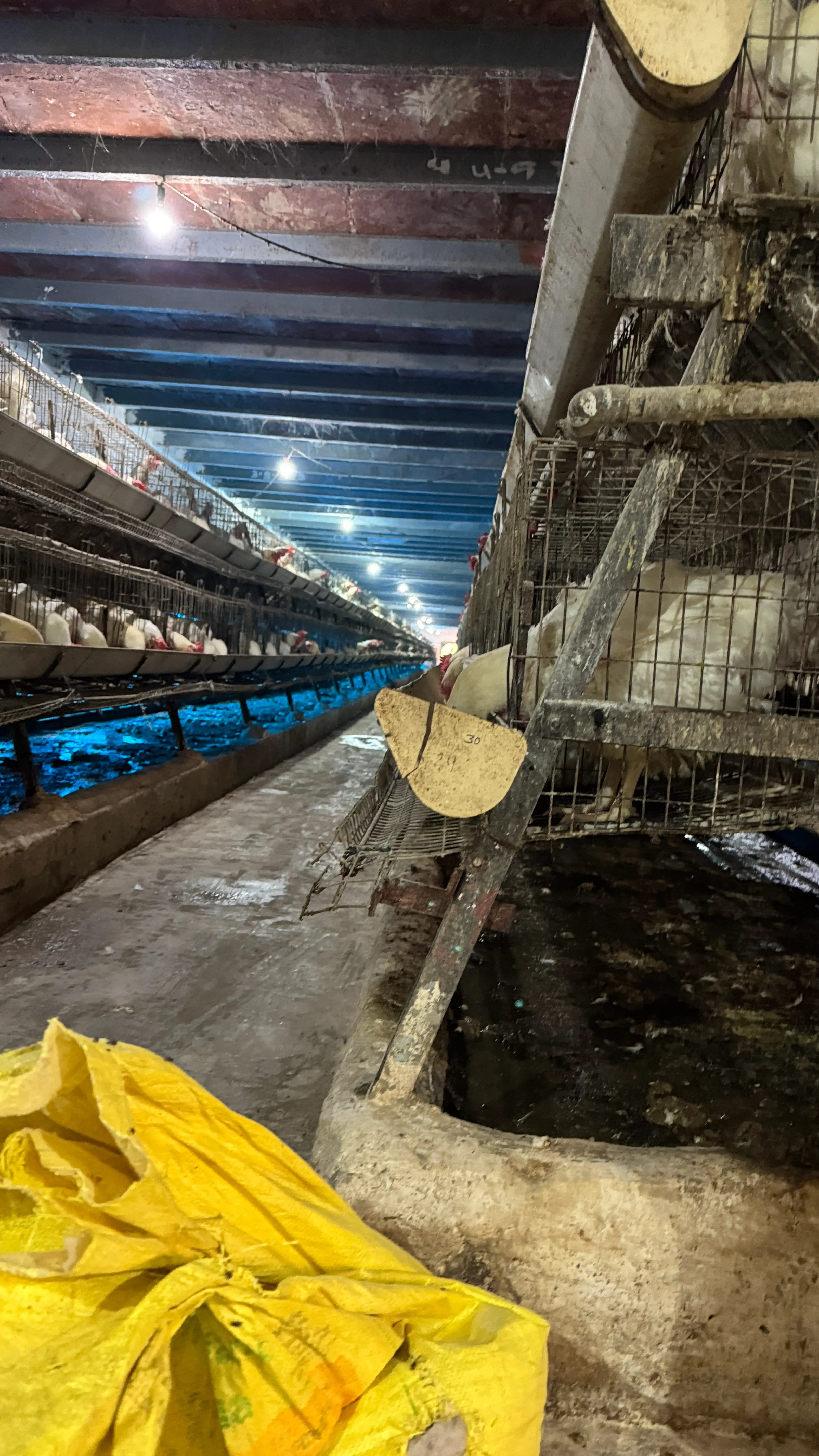
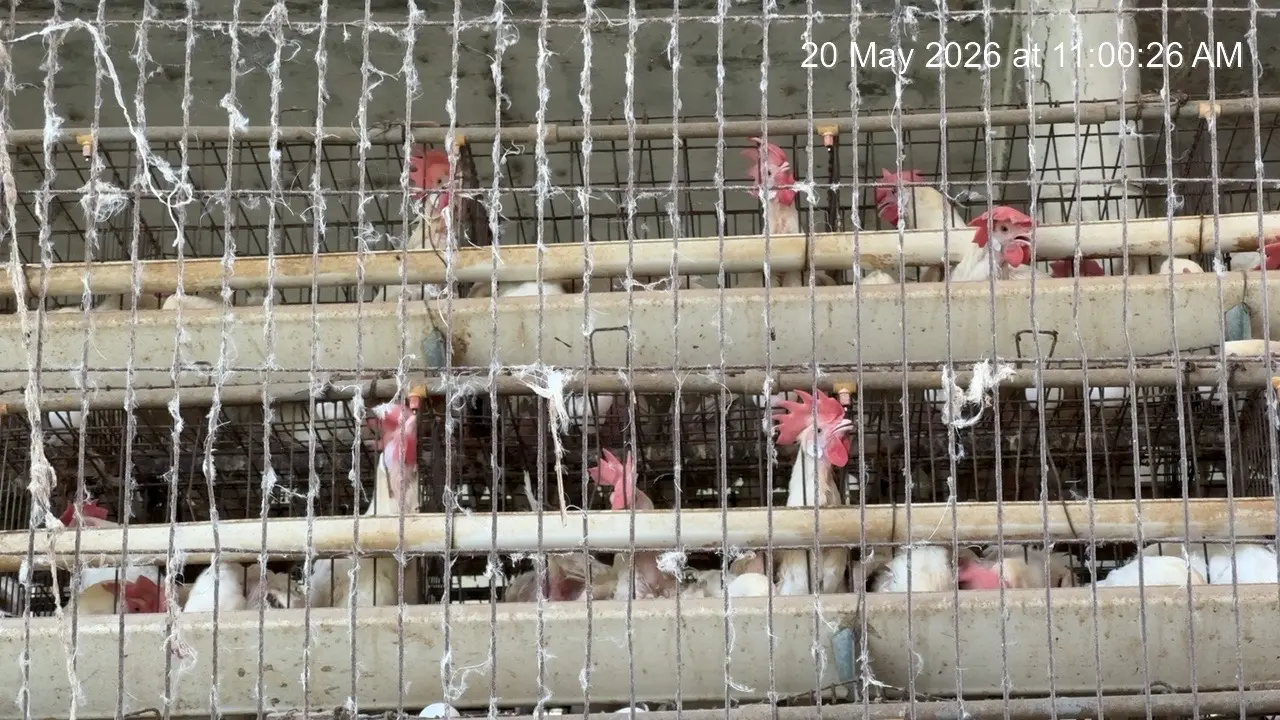
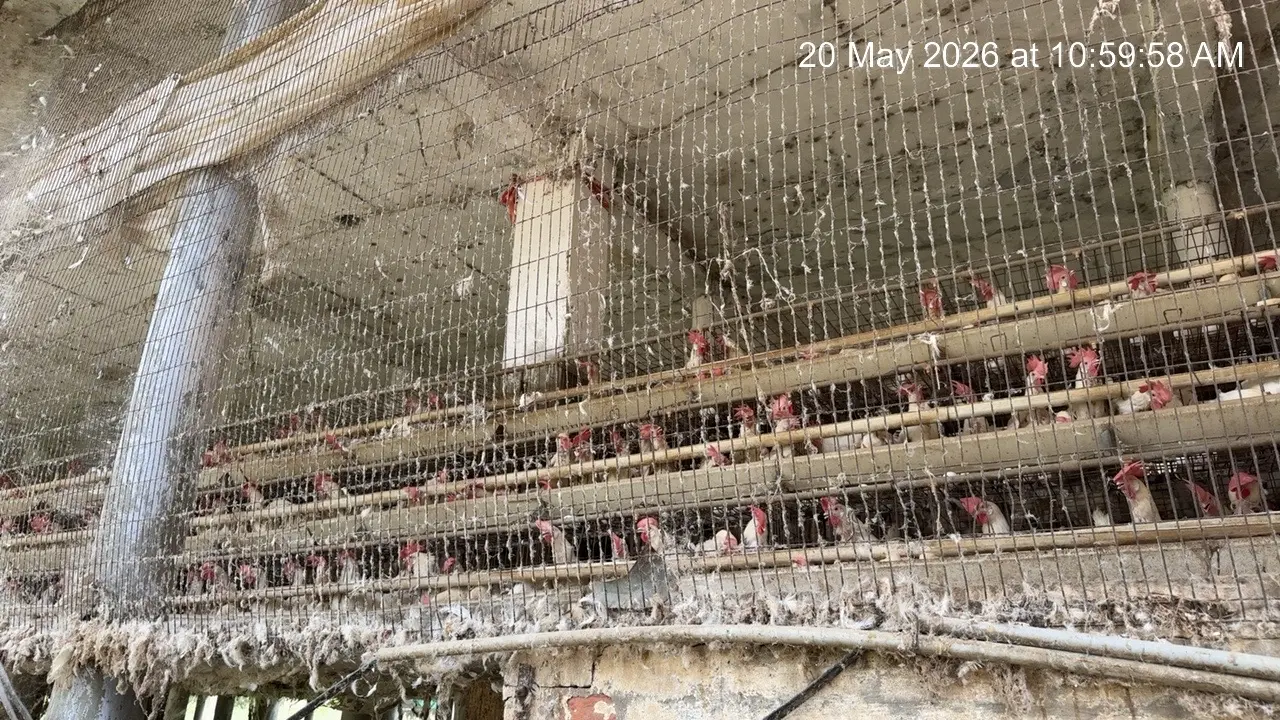
Then comes the journey. Broiler chickens are usually transported in tightly packed crates, with Sharma describing birds being "stacked on top of one another" and exposed to poor sanitary conditions during transport.
By the time an animal reaches the market, the stresses of the production system already accumulate through breeding, confinement, handling and transportation.
Pigs in their own waste, gestation crates despite restrictions
The same questions arise in pig farming. Sharma said he had visited two piggeries where animals were kept in what he described as unhygienic conditions and fed hotel waste. He also raised concerns about practices including tail cutting and castration without anaesthesia or painkillers. Another issue he pointed to was the continued use of gestation crates.
A gestation crate is a narrow enclosure in which a breeding sow can be confined with very limited ability to move. Sharma said such crates continue to be found despite restrictions on their use in India.
The case that stayed with the rescuers
For Sharma, the scale of the problem is perhaps best understood through individual animals rather than statistics.
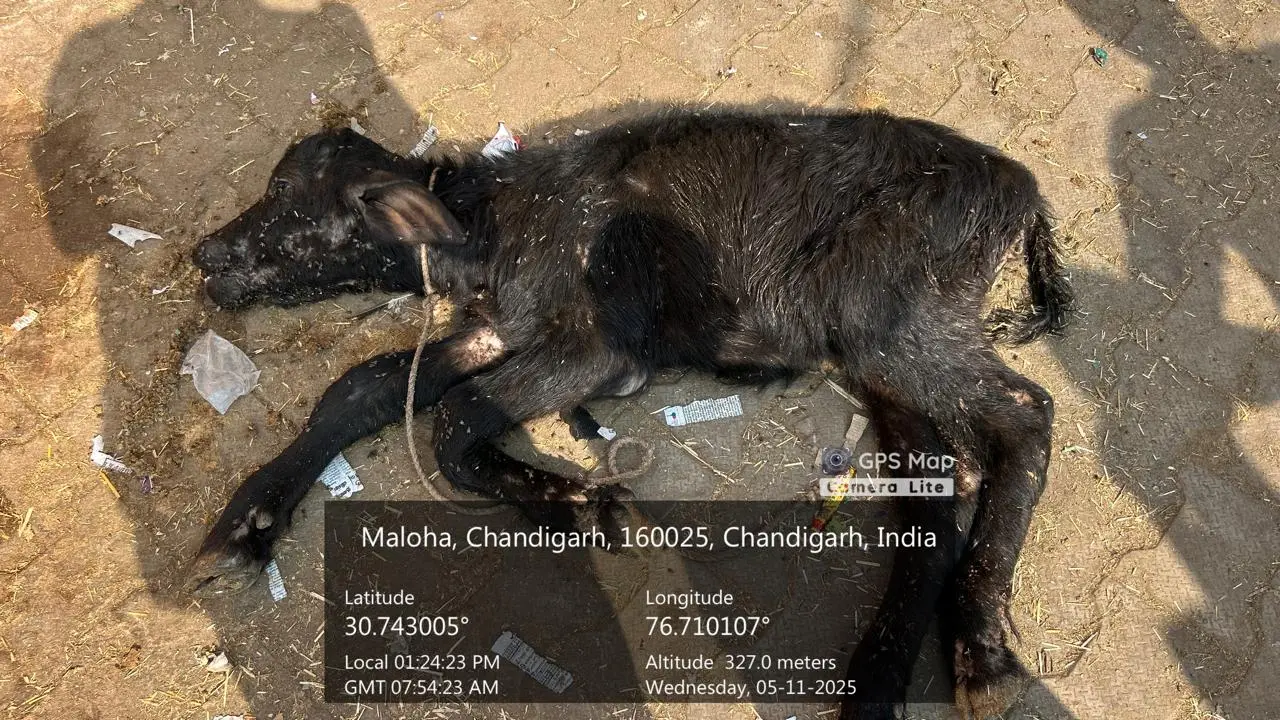
He recalled a raid at a Dairy farm where he found a calf outside the dairy, heavily infested with ticks and close to death. “We asked the owner,” Sharma recalled. “And he said. I don't care. You can do whatever you want.”
The team tried to help, but the calf died before adequate medical assistance could be provided. “This is not an isolated thing. You will find these cases on a daily basis,” Sharma said.
The final journey
At the other end of the chain are slaughterhouses and meat markets, where rules exist around handling and slaughter but enforcement remains a key question.
Peedu's People says it has encountered cases of open slaughter and other alleged violations and has pursued complaints through police and administrative channels. Sharma said animal-welfare groups often have to document incidents themselves before approaching authorities.
The organisation's complaints and challans, shared with WION, provide something that statistics cannot: a paper trail of individual cases.
The age-old debate: Human livelihood vs animal lives
There is another side to the story that cannot be ignored. India's livestock economy supports millions of livelihoods, particularly among small and marginal farmers. Poultry, goats, sheep, pigs, cattle and buffaloes all occupy different places in the country's food and rural economy.
This is where the economics of production become central to the welfare debate. Farmers and producers operate under pressure to control costs, maintain yields and keep production commercially viable. Animal welfare groups argue that those pressures cannot come at the expense of basic standards of care.
Jairoop Riar, Senior Project Coordinator at Peedu's People, said the gap between regulation and implementation remains one of the sector's biggest problems. “Farm animal production has historically operated with far too many gaps between what regulations require and what actually happens on the ground,” Riar said.
She called for stronger registration, licensing and enforcement, alongside better housing, nutrition and veterinary care. Riar argues that good welfare and farm economics do not necessarily have to be opposites.
“Better animal health, proper housing, nutrition and strict welfare compliance can reduce disease, stress and mortality, and ultimately reduce the cost of keeping animals,” he said. “Good welfare is not a burden on farmers; when implemented properly, it is part of a more efficient and responsible system.”
What we see on the plate is only the final chapter
India's food system is enormous, diverse and far from uniform. There are well-run farms and poorly run ones, responsible producers and operators who violate rules, organised businesses and informal systems that are harder to monitor.
That is precisely why the question raised by World Farm Animals Day is not simply whether India eats meat, eggs or dairy. It is what happens to animals before those products reach consumers.
The photographs, challans and complaints shared by Peedu's People from Chandigarh and surrounding areas are a small collection of cases from a small Union Territory, not a statistical survey of India. But they make the issue tangible.
Out of sight, out of mind?
The distance between farm and fork cannot only be measured in kilometres. It is also measured in the things consumers never get to see.
A calf left to die. A bird discarded on the day it hatches. A sow confined in a crate. Animals packed into transport vehicles. A bottle of a controversial drug photographed during an investigation. By the time food reaches the table, all of that disappears from view.
Veganism: A cruelty-free food journey
If the contents of this report distressed you, Nandini Kakar, owner of Animal Lover's Association, an NGO that has been actively helping the animals of Chandigarh for over a decade, has a solution: Veganism.
"Veganism is basically about compassion in action," she said. "It is about recognising that animals are sentient beings capable of feeling pain, fear and affection and asking ourselves whether our choices can be kinder."
Sharing insights from her own journey towards a cruelty-free life, Kakar said that it made her "increasingly aware of the connection between what we eat and the world around us."
"It has been a journey of learning, questioning and becoming more conscious—not about being perfect but about trying to live in harmony with my values. I believe that when compassion becomes part of our everyday choices, then even something as simple as what we put on our plate can make a difference."
Riar echoed the benevolence of adopting a vegan lifestyle. “We need to be honest about the larger question: how many animals can we continue to breed, confine and kill simply to meet our caloric demand? Industrial farm animal production places enormous pressure on all environmental resources, and it is the most unsustainable way of feeding a population."
"A meaningful shift towards plant-based diets is necessary if we are serious about long-term food security and reducing pressure on the planet. It is time we spare animals from our plates and accept the relatively minor inconvenience of developing new tastes and eating habits, rather than defending a destructive system that rests on self-proclaimed clever, but problematic retorts like 'soy boy' and ‘bacon though’. Our food choices should not come at the cost of animal welfare, worker welfare, farmers’ livelihoods and the ecological resources that everyone depends upon.”

