National Dog Day: Delhi's stray dogs caught between love and law | In Pics

In honour of National Dog Day, let's have a look at the complex relationship between people and stray dogs in Delhi — especially in light of the Supreme Court of India's recent order(s) regarding the city's street dogs.
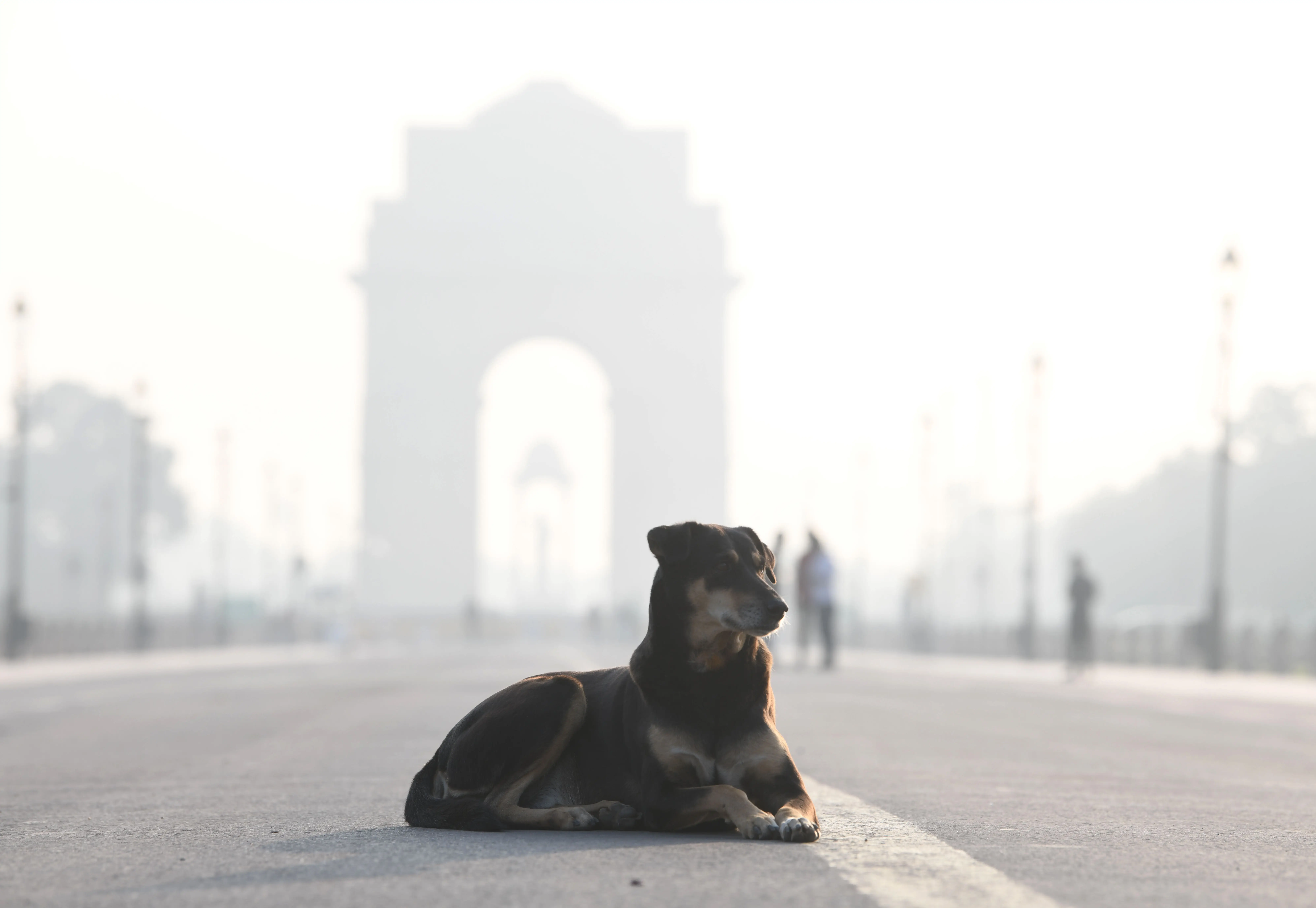
Supreme Court vs Street Dogs
Every year, on August 26, the world celebrates 'National Dog Day', a day that honours dogs — pets, rescues, and strays. This year, the day comes at a complicated moment with India's capital, New Delhi, at the centre of a legal and moral debate sparked by the Supreme Court's order banning street dogs.
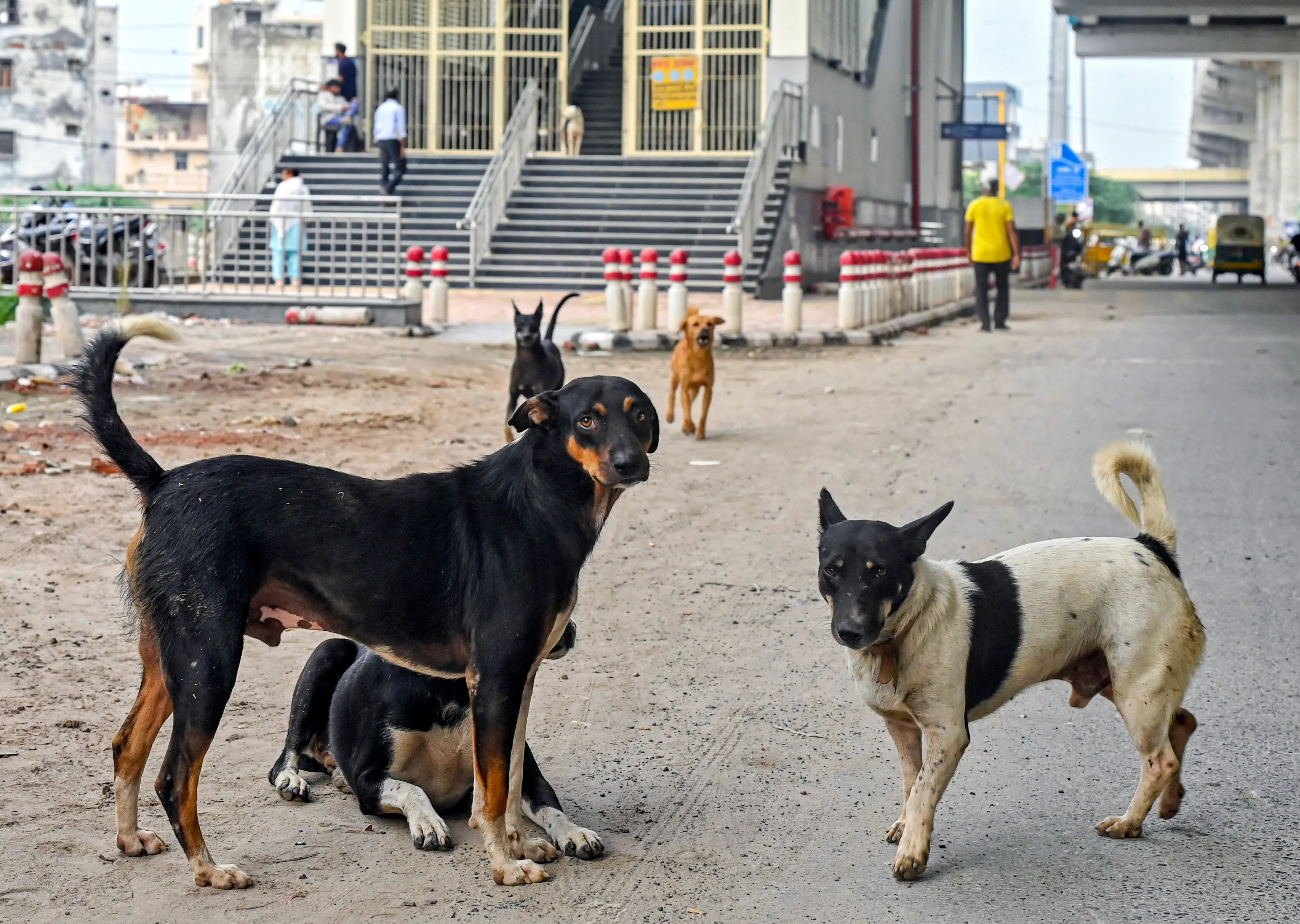
Plight of Dil-i Dogs
The ban was rectified, and now, instead of being relocated from their homes, the streets of Delhi, street dogs will be vaccinated and sterilised. Seems like a just decision, right? But there are other issues.
Even as the so-called "stray dog menace" eases for some, these voiceless creatures remain the victims of human cruelty. Let's take a closer look at what India's 'Dil' (Heart) and its strays went through recently. But first, let's see what National Dog Day is.
What is National Dog Day?
Today (Aug 26) is the day the world celebrates 'Man's best friend' - the dog. The celebration was started in 2004 by Animal Welfare Advocate Colleen Paige. National Dog Day, as per the website by the same name, "celebrates all breeds, mixed and pure and serves to help galvanise the public to recognise the number of dogs that need to be rescued each year, either from public shelters, rescues and pure breed rescues."
It "honours family dogs and dogs that work selflessly to save lives, keep us safe and bring comfort." In many ways, this is exactly what Delhi's street dogs are to many of us — a source of comfort and kinship.
The plight of Delhi's stray dogs
On August 11, the Supreme Court of India, a two-member bench, ordered the relocation of stray canines from the Delhi-NCR streets to shelters. Following massive protests by animal lovers across India, and many abroad, the order was subsequently amended on August 22.
Mellowing down the order, a three-member bench said that only dogs with rabies or aggressive behaviour shall not be released back into public. Others would be sterilised, vaccinated and released back to their areas.
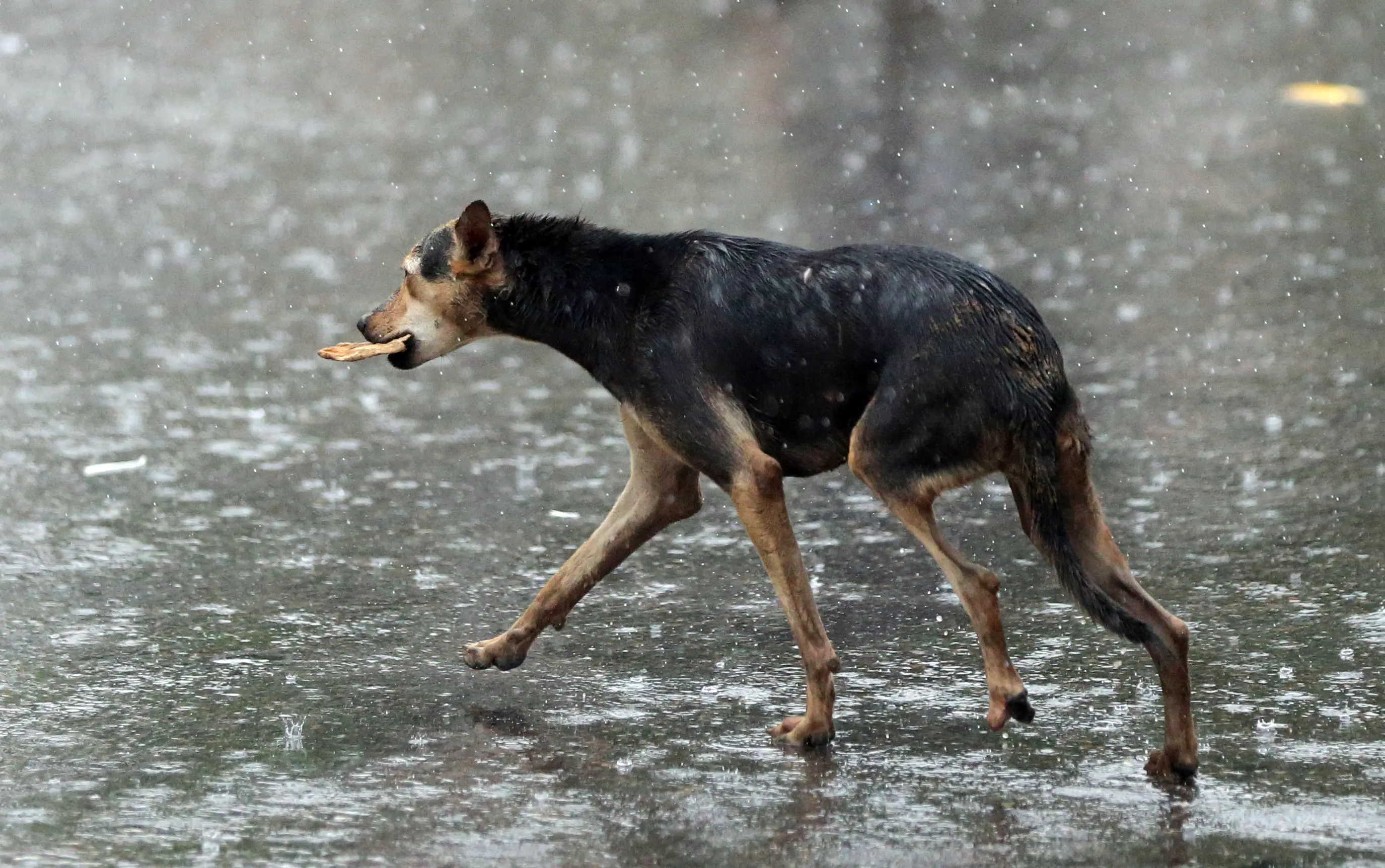
Illegal to feed but what about killing them?
The top court, in its latest order, has also made it illegal to feed dogs on streets — their home — and in public places. It has expanded the case to include all States and Union Territories, consolidating related High Court cases for a final national policy.
What about humanity?
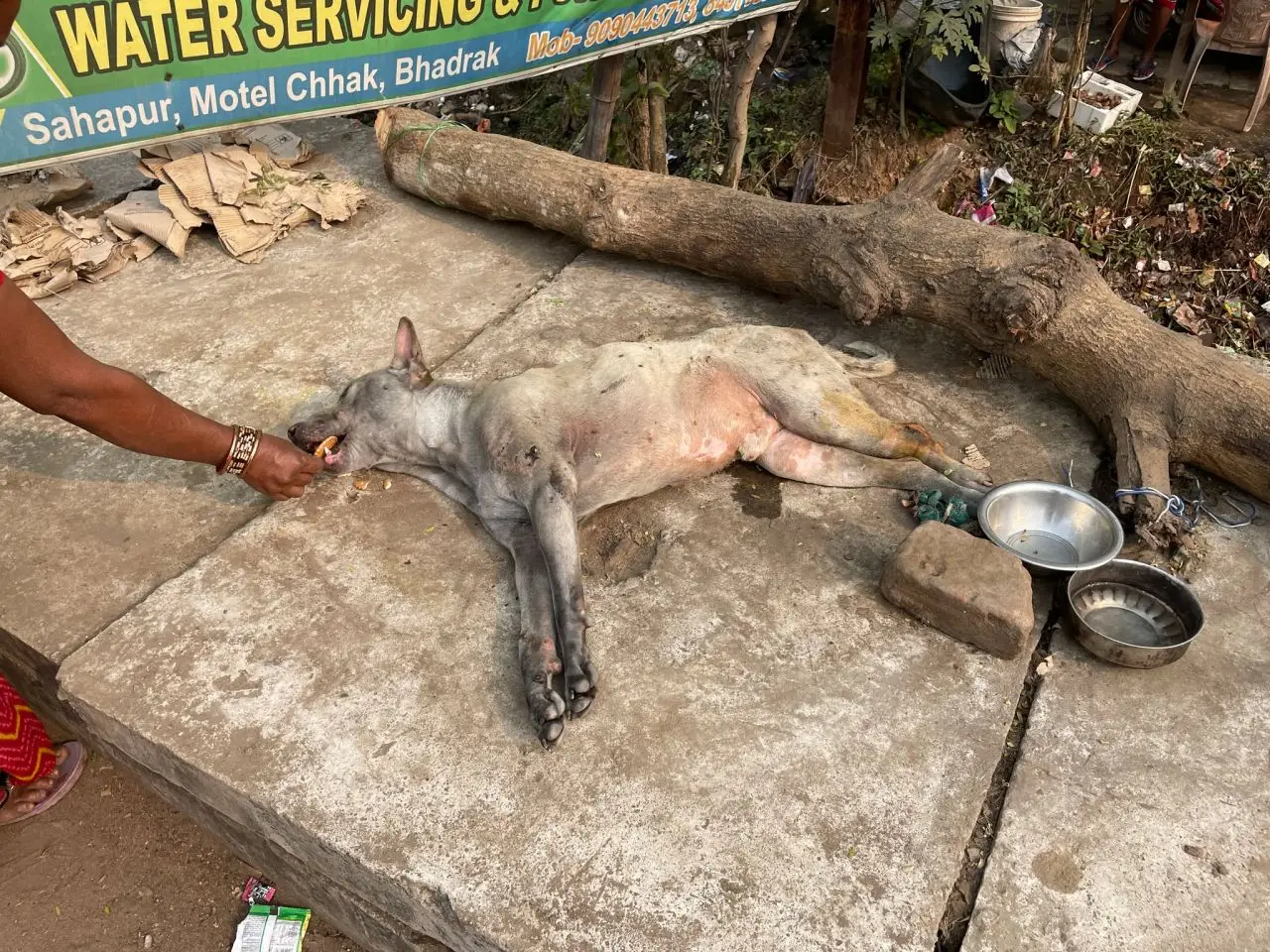
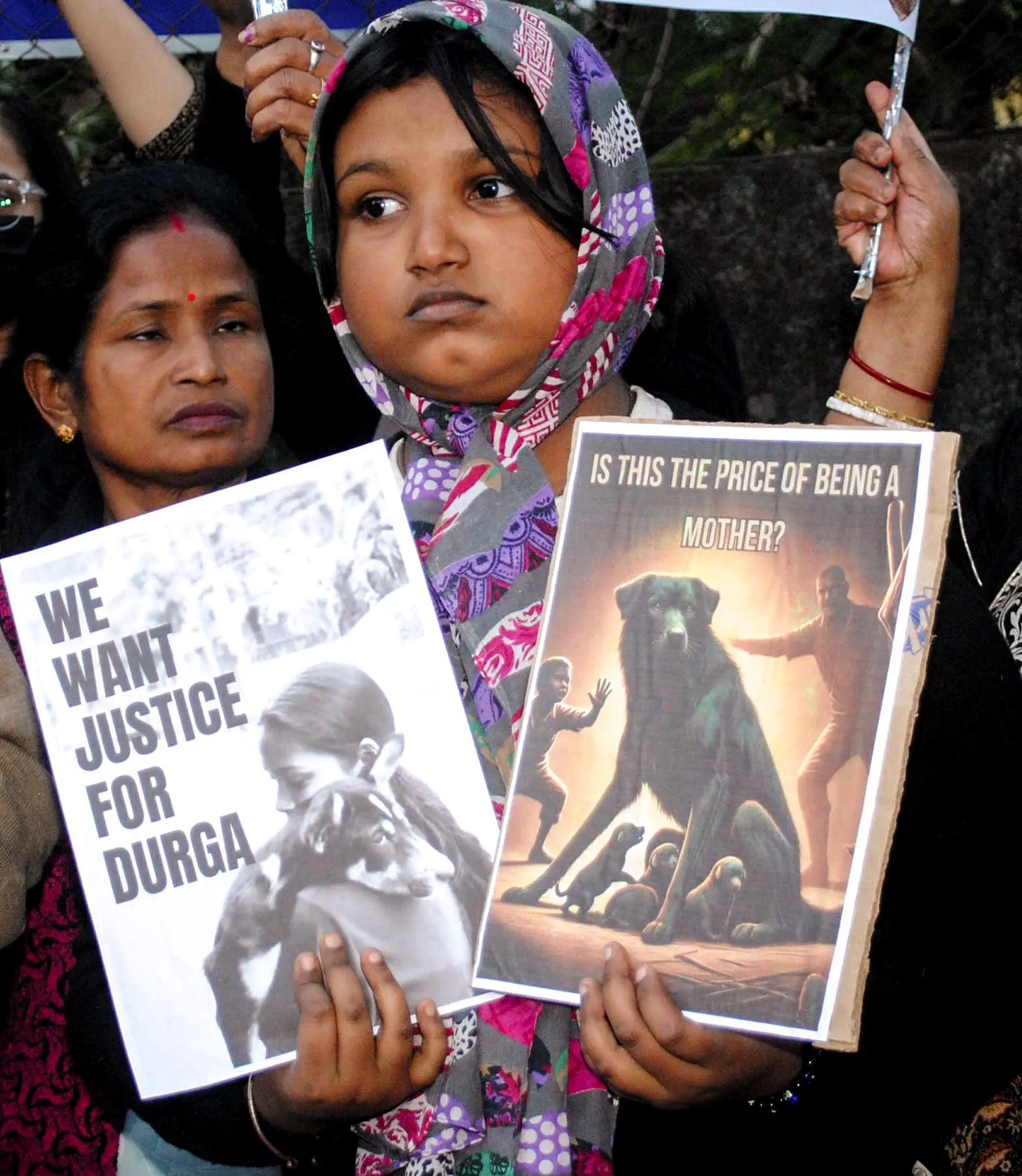
However, the plight of Delhi's strays and street dogs across the nation is far from over. During the massive uproar over the Indian top court's stray dog order, numerous videos of abuse borne by the Indies (a popular name for Indian pariah dogs that roam the streets) were shared. These disturbing videos included very graphic clips of sexual abuse of these dogs, which are known for their gentle temperament (in most cases).
Loophole in SC's order on street dogs
The punishment for such heinous crimes remains ₹50, a fact raised by those who love animals for years.
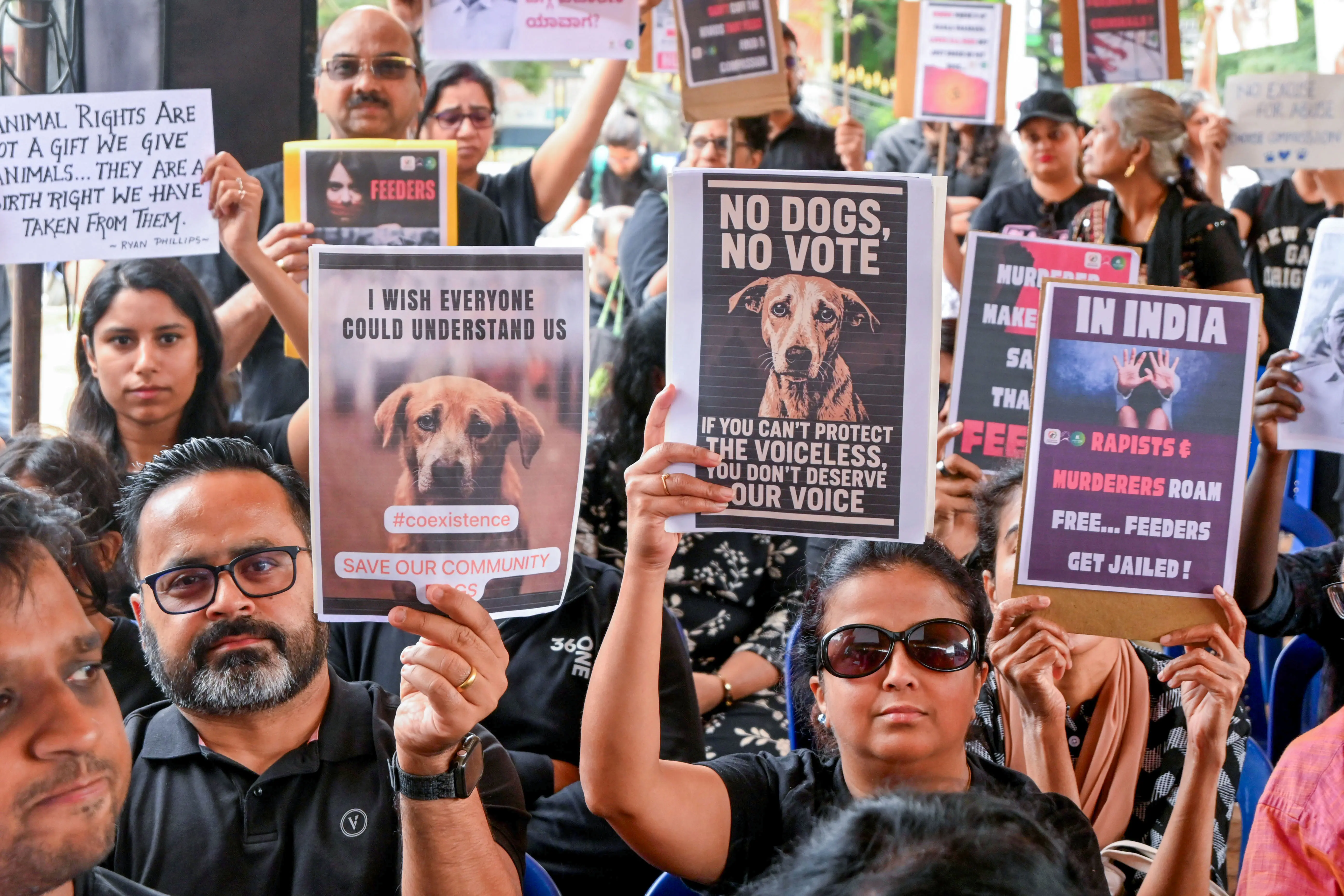
On the other hand, the Supreme Court's most recent stray dogs ruling has imposed a substantial penalty of ₹25,000 on animal advocates and community dog feeders who "intervene" in authorities implementing the order. This order, with its vague language, has been flagged by activists as a potential loophole that can lead to abuse of both strays and the people who look after them.
The cost of animal lives vs the displeasure of humans
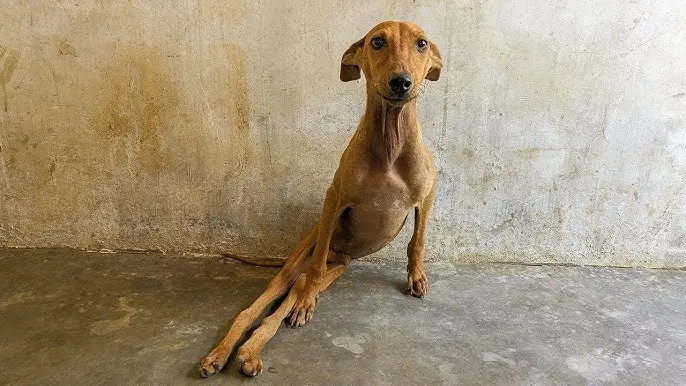
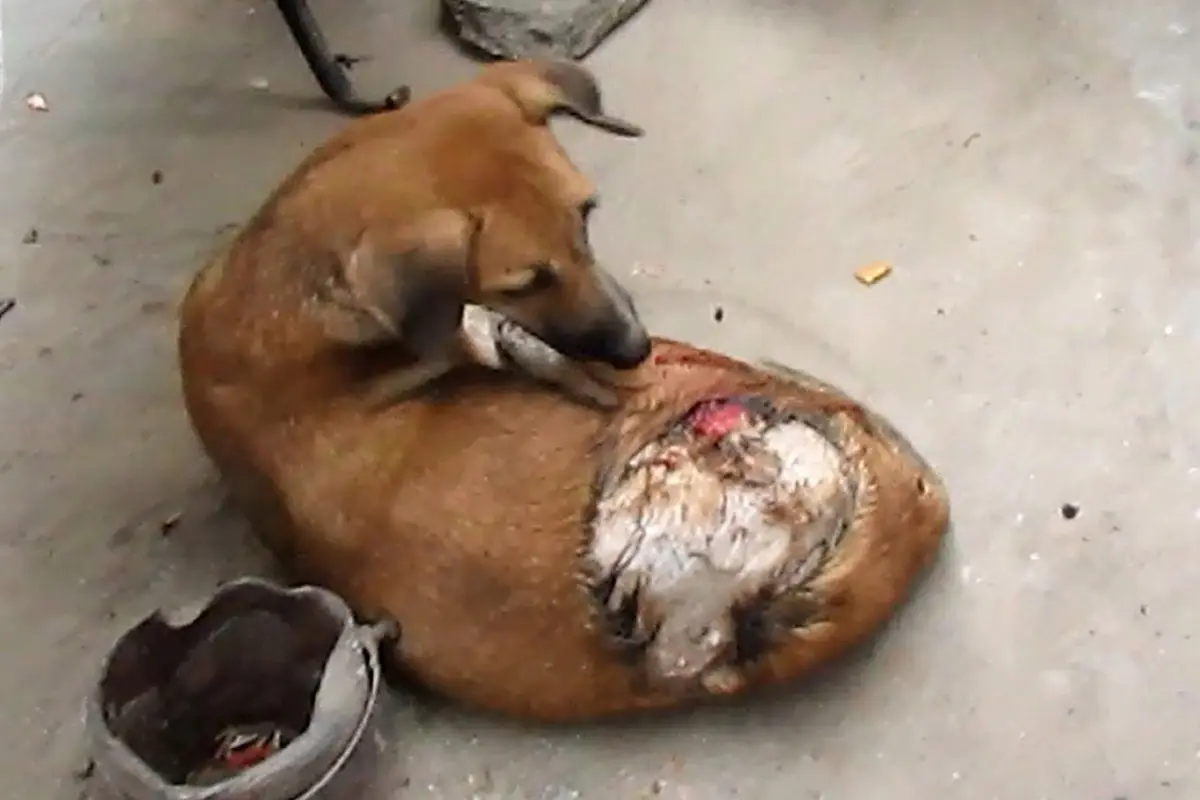
Walk into an animal shelter, and you would see countless dogs (and other animals) suffering from human cruelty — dogs paralysed by careless drivers, burned by acid, and even those that became the target of sexually frustrated humans and were raped.
Sadly, under the Prevention of Cruelty to Animals Act (PCA Act), 1960, the penalty for these acts — and for killing or harming an animal — remains a mere ₹50. It must also be noted that in most cases, the perpetrators get away without even paying this measly amount.
₹50 vs ₹25,000
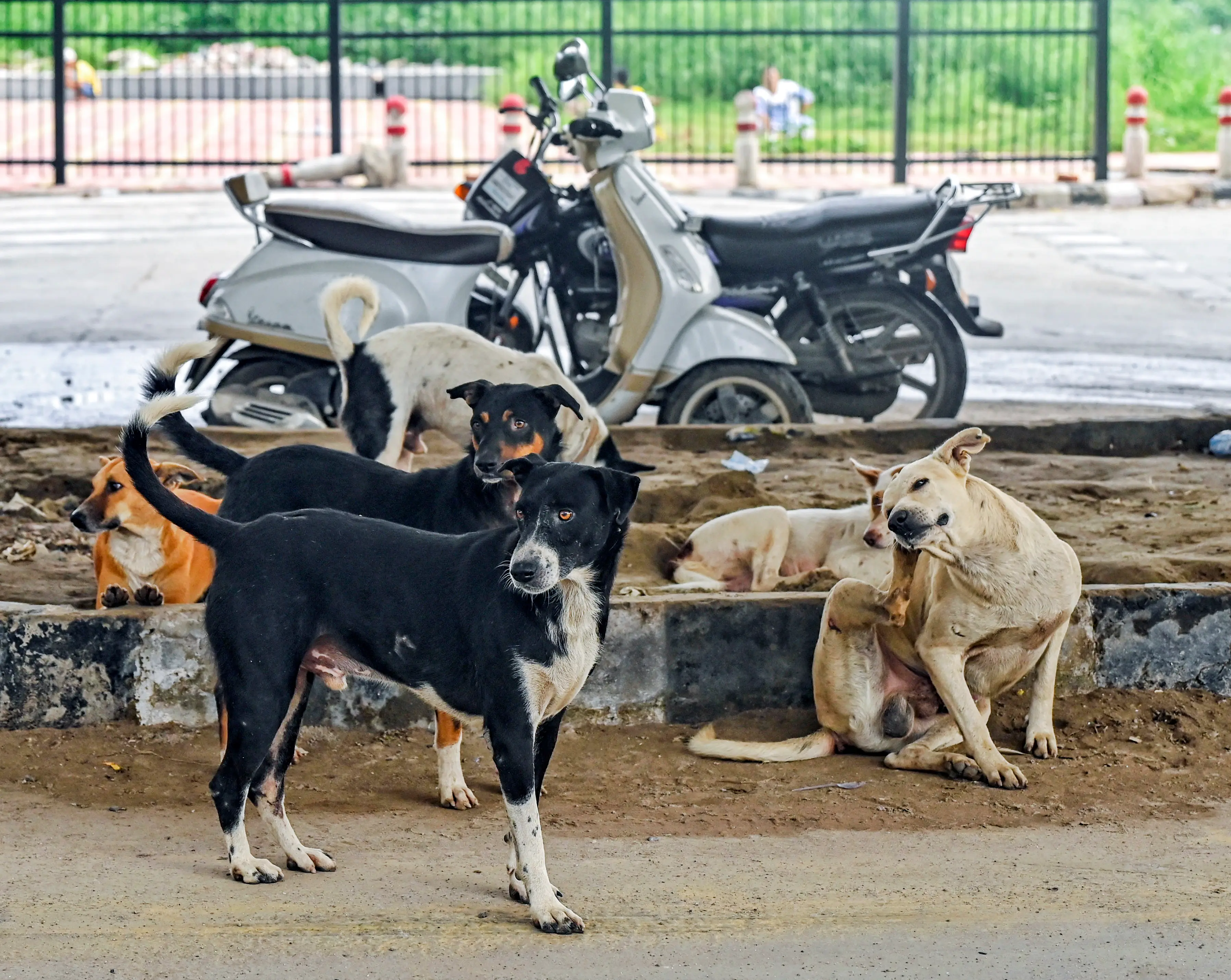
However, as mentioned, animal lovers or dog lovers who try to obstruct the Supreme Court's latest order face a fine of ₹25,000.
"The observation (of imposing fines of ₹25,000) is meant for NGOs and intervenors who intervened in the suo motu matter, not for common people. The purpose of it can be understood by going through the order. These funds will be used for the welfare of dogs," said the court.
To a casual observer, this fine might seem just; however, already NGOs and animal activists have started reporting cases where, thanks to the vague language of the order, even feeding the dogs has come under the ambit of this fine.
On the flip side, those who hate animals and those who (in certain cases, rightly) fear street dogs have been known to use their personal bias to kill, maim, or purge dogs from their locality. Animal rights advocates have cautioned that the situation will only deteriorate.
Point to ponder
So, I leave you with this question: On National Dog Day, what warrants a higher fine — killing, raping a dog or feeding it?
)
)
)
)
)