&imwidth=800&imheight=600&format=webp&quality=medium "Trump asked Xi to pressure Iran. China did not say yes — here’s what Beijing wants")
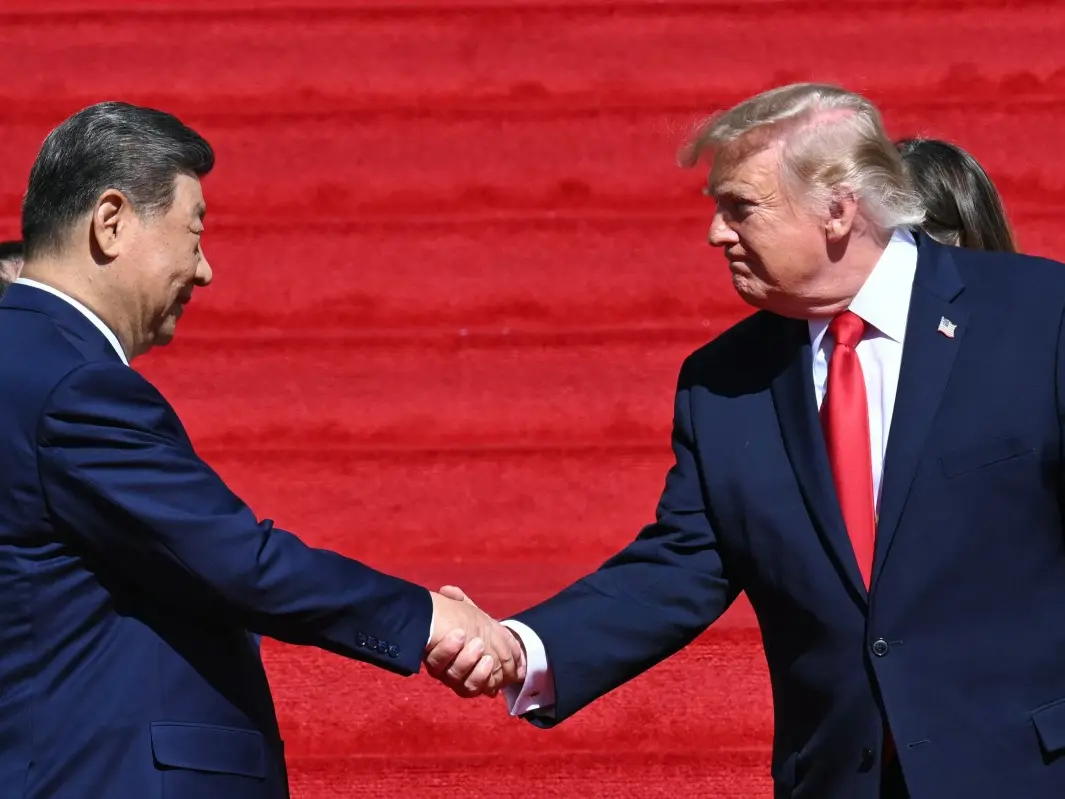
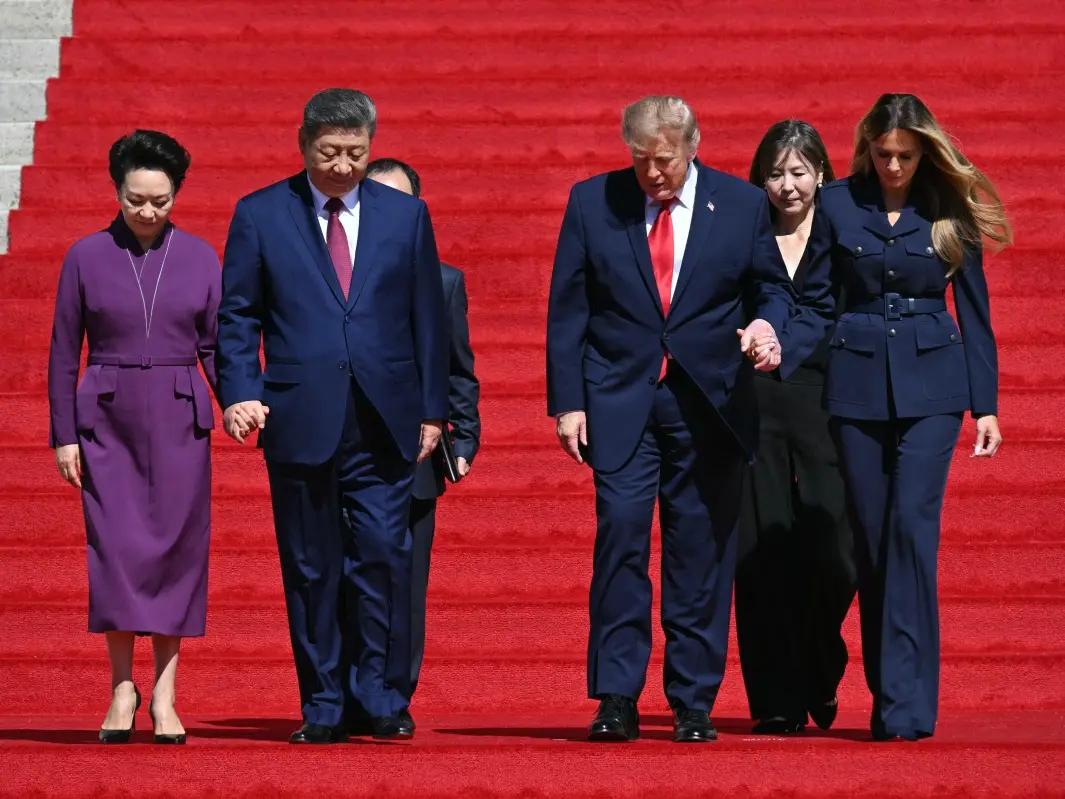
Despite two different summits, US President Donald Trump had failed to secure any concrete commitment from Chinese President Xi Jinping that could significantly tip the balance of power in favour of Washington in the US-Iran war. Trump pressed Xi to get China to help end the Iran war and reopen the Strait of Hormuz, curb support for Tehran, but did not score any bargain in that regard.
China had earlier in May stated that it had clear incentives in reopening the Strait of Hormuz, as China, being an export-oriented economy, wanted to maintain uninterrupted maritime trade. But it remained unclear whether China would do anything to pressure Iran. This time in September, Xi backed renewed US-Iran talks but still did not commit to pressuring Tehran. Iran did not feature in any of the leaders' public remarks on Thursday, though Xi has expressed hope that US and Iran “will return to the track of resolving issues through dialogue and negotiation as soon as possible.” The meeting gave no public indication that Beijing had agreed to curb any of the specific support US officials wanted stopped, whether it was satellite imagery, targeting support, missile and drone components, or sanctioned oil purchases.
US Treasury Secretary Bessent launched Operation Economic Outcast on August 24, 2026, a global secondary-sanctions campaign meant to cut off any country or entity doing business with Iran from the dollar system. Bessent called it an "economic D-Day" and warned the sanctions campaign came with a promise to "sever every economic lifeline" sustaining Tehran.

Bessent claimed that China would not be exempted, claiming that it was not “above the reach of" US sanctions. China's response was defiance, not cooperation. Foreign Ministry spokesperson Lin Jian said that “China has made clear on many occasions its firm opposition to illicit unilateral sanctions that have no basis in international law or the authorisation of the UN Security Council". China and Russia have already vetoed a US-drafted UN Security Council resolution that would have mandated experts monitoring compliance with UN sanctions on Iran for a year.
Why does China have little incentive to assist Washington?
Trending Stories
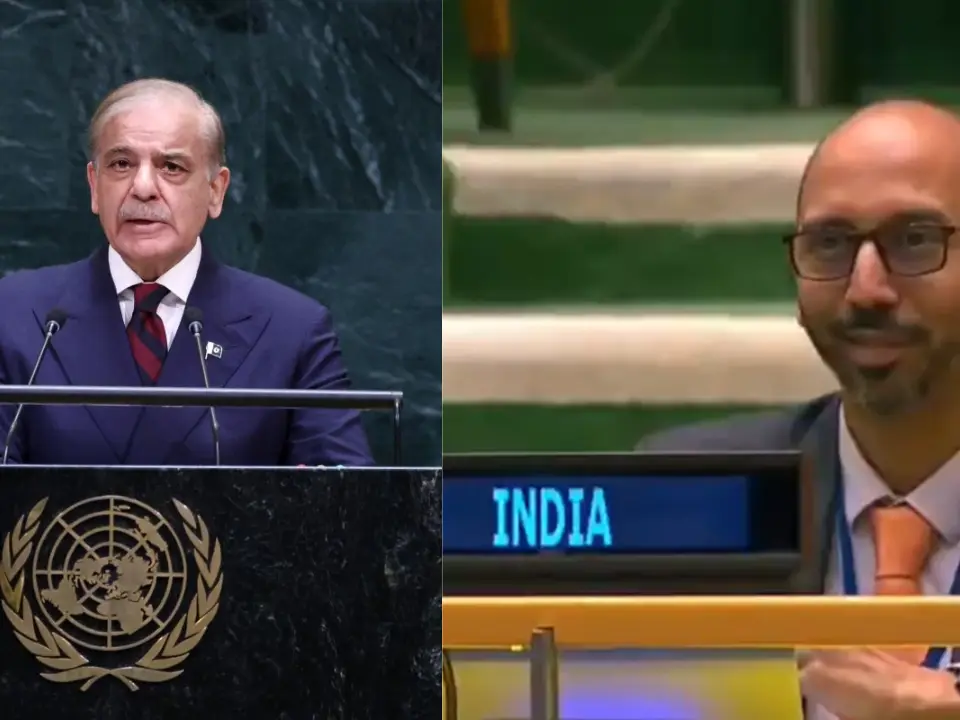)
WATCH | As Shehbaz Sharif claims Pakistan’s ‘victory’ during 2025 conflict, Indian diplomat R Srinivas laughs at UN
)
SIR row: RTI response raises questions over EC’s claim of unanimous approval
)
US Treasury Secretary Scott Bessent hails global crackdown on Iranian banks and airlines
)
Russia will achieve Ukraine war aims; Europe doing everything to block peace talks: Lavrov at UN
)
Man arrested after his 22-year-old girlfriend dies at homestay in Guwahati; police suspect murder over suicide claim
)
‘Could kill billions...’: Bill Gates backs calls to slow AI development amid fears of catastrophe
)
‘Attack on Mecca a red line for Pakistan’: Shehbaz Sharif warns Houthis at UN
)
Beyond metros: How Tier-2 and Tier-3 cities could drive India’s next AI wave
)
Ramayana: Yash’s Ravana gets first official poster from Nitesh Tiwari’s epic
)
Gunmen kill 27 in two separate mass shootings in South Africa
)
WATCH | Delhi minister Parvesh Verma slaps man during road inspection – Here’s what happened
)
Two men die of suspected chemical exposure inside public toilet in Mumbai
)
LPU students go on rampage, vandalise campus amid widespread protest: What's happening
)
US vs China over South China Sea: Washington backs Philippines, Beijing hits back
&im=FitAndFill=(700,400))
New Friday OTT releases (September 25, 2026): Don’t Be Shy, Hunkkaar: The Roar, Mango Pachcha- 6 movies and TV shows on Netflix, Prime Video and more
)
UNSC reform momentum grows: Russia, Portugal, Mauritius push for India's permanent seat bid
)
Bigg Boss 20: Salman Khan schools Rhiti Tiwari over Qazi Touqeer clash, compares her to Dolly Bindra
)
'FIRST LOOK from inside Noah’s Ark': Researchers share video from inside mysterious mound in Turkey
)
Trump-Xi summit wrap: Big pageantry, Iran talks, few major developments and more meetings planned
&im=FitAndFill=(700,400))
Humanoid robots to virtual worlds! Korean sci-fi dramas to watch: Are You Human Too?, Memories of the Alhambra and more
)
OpenAI AI Agents hacked 4 websites before Hugging Face, researchers reveal
)
UK police arrest several under explosives act near air base used by US forces
)
Election Commission on 'damage control' : What do nine new decisions mean?
)
‘Olympic inclusion is our major target’: WPA President Ishaun Singh on pool’s global ambitions
)
Nations League: Spain sink England at Wembley; Modric shines for Croatia
)
'Countries far from conflict are penalised': Jaishankar calls for Gulf peace, seafarer safety at UN
)
Sri Lankan Tamil migrant worker gets death sentence in Saudi Arabia, help sought from India
)
US-Iran war: Trump rejects Iran's Hormuz proposal, reports suggest talks expected next week
)
Bollywood x K-pop crossover! LE SSERAFIM’s Kazuha charms fans with Shah Rukh Khan’s ‘Chammak Challo’ steps
)
IND vs WI 1st ODI: Naman Dhir debuts as India bowl first in Trivandrum; check playing XIs
)
'A terrorist country is asking me that question?': Jaishankar hits back at Pakistani journalist at UN; flags attacks on commercial shipping
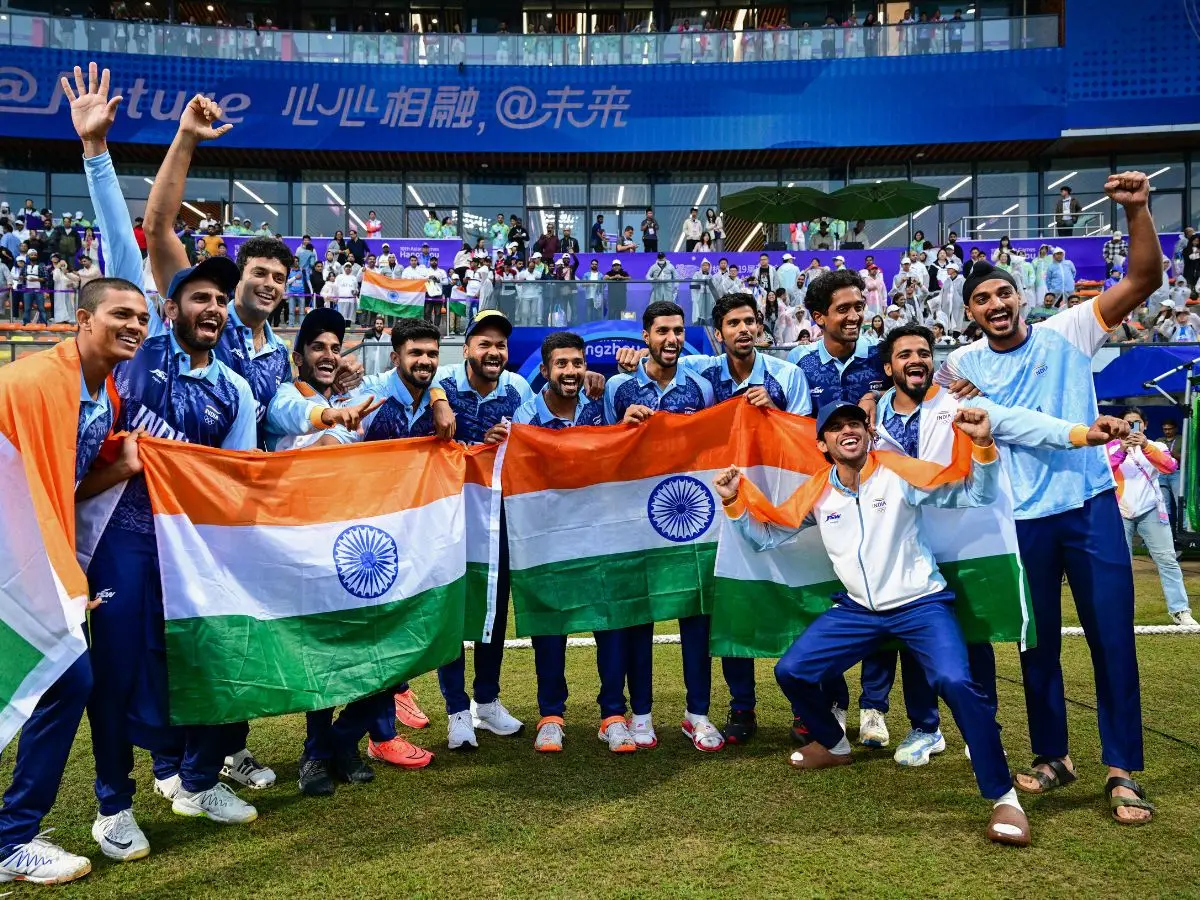)
Asian Games 2026: India face Afghanistan in quarterfinal on Sep 28; Pakistan clash with Hong Kong
Beijing has significant leverage over Tehran but has little incentive to use it, and it has already demonstrated it will restrict rare-earth exports in retaliation; it ran this script in April last year against Trump's tariffs, and within weeks American and European automakers were idling assembly lines. China accounted for more than 90 per cent of Iranian oil revenue in 2025, while Chinese imports have dropped this year to manage the scarce supply of Crude oil in global markets to 534,000 barrels per day in August, compared to 1.4 million bpd in 2025; it has not stopped. China also continued air links with Iran despite the Trump-Xi summit; a Mahan Air flight from Tehran landed in Guangzhou last Wednesday.
Washington has so far avoided sanctioning China's major state-owned banks, hitting only smaller shipping and refining firms because a full break would risk destabilising global finance and trigger a trade war Washington doesn't want either.
China has already initiated its Belt and Road Initiative, and Russia has its trans-Caspian sea corridor to bypass the US and Western-sanctioned trade route. China's southern corridor connects Xi'an and Urumqi through Kazakhstan, Turkmenistan, and Uzbekistan to dry ports near Tehran; trains on this route jumped from 7 total over seven years to roughly 40-65 a year. Together, these two can not help Iran win the war, but create a trade bloc independent of the US, keeping Tehran alive long enough to make this war economically painful for Washington, so it seems perfectly plausible for China to buy more time, as the US economy continues to lose fiscal stability, while it continues building alternative payment infrastructure that reduces its own dollar dependency over time.