India’s running revolution: How the sport is changing minds, lifestyles and everyday health

&imwidth=600&imheight=450&format=webp&quality=medium "India’s running revolution: How the sport is changing minds, lifestyles and everyday health")
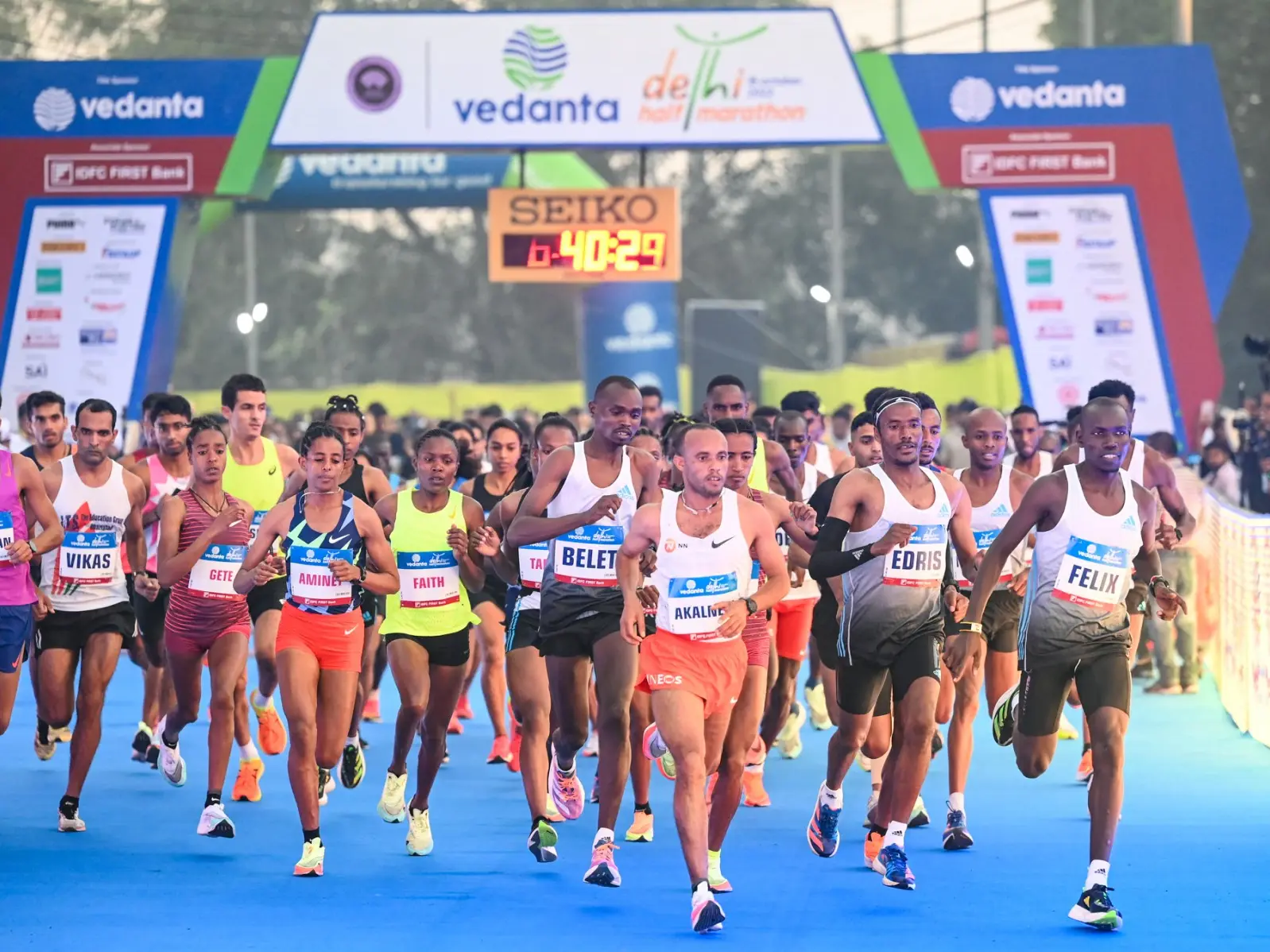
Runners take part in marathon Photograph: (AFP)
India's running culture is evolving beyond medals, with runners embracing the sport for mental health, discipline, fitness and a better quality of life
For years, running in India was largely associated with elite athletes, podium finishes and competitive sport. But a quiet transformation is underway. Increasingly, Indians are taking up running not necessarily to win medals or break records, but to improve their physical health, mental wellbeing and overall quality of life. For many, the finish line is no longer the only goal. The journey itself has become the reward.
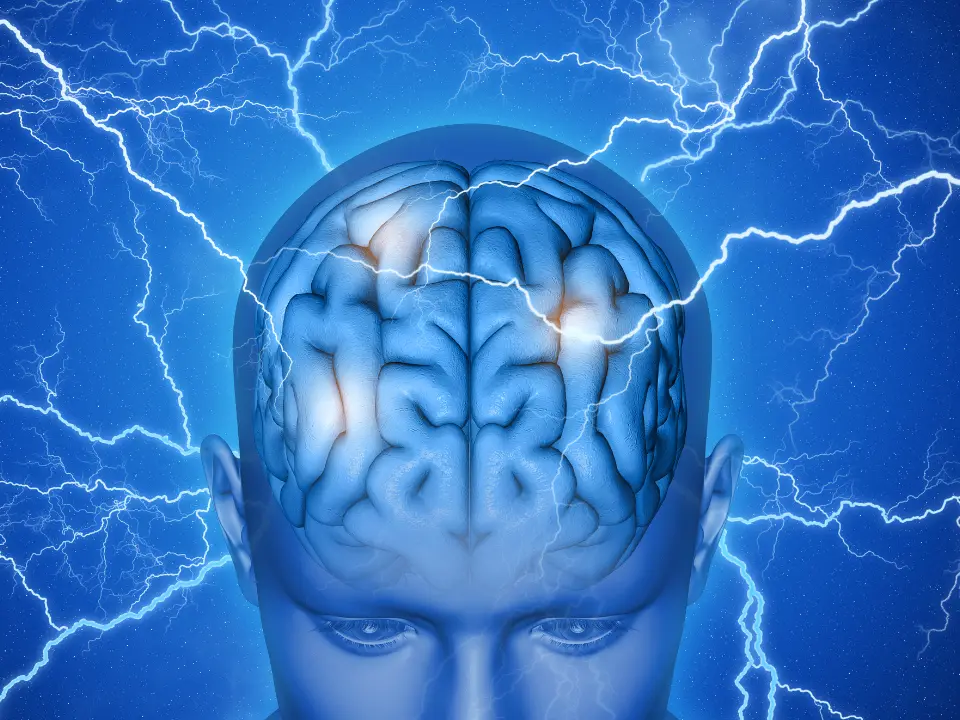
The findings of the Vedanta Delhi Half Marathon (VDHM) participant report offer a glimpse into this changing mindset. As many as 97.8 per cent of runners surveyed said mental discipline was an integral part of their training, while 93.1 per cent reported reduced medication usage after adopting a running routine. For Vivek Singh, Joint Managing Director at Procam International, which promotes the VDHM, distance running has benefits that extend well beyond physical fitness. “Distance running, which is what we are propagating here, whether it be the 10K, the half marathon, the full marathon, it has an immense calming effect on our mind. It builds not just mental strength, endurance, mental endurance, it also calms the mind through the repetition of taking one step forward. It also raises your cardiovascular capacity and this helps you to tackle life's challenges without any issue.”
That idea of taking one step forward, repeatedly, perhaps captures the changing relationship Indians are developing with running. It is becoming less about the stopwatch and more about consistency, discipline and the ability to deal with everyday pressures. Singh also pointed to the wider lifestyle changes that can come with sustained distance running. “So, not only have people said, talked about mental strength, mental calmness, people have reduced medication after taking to distance running in a sustained way. And that's what the study has shown. Reduced medication, increased cardiovascular strength, more calm and meditative state of mind, the benefits of distance running are immense.”
For participants, the change can be deeply personal. Virat, a 64-year-old businessman from Delhi, has experienced running not simply as an exercise routine but as a way of stepping away from some of the pressures of modern life.
“As far as mental health is concerned, it gives you a sense of calm. It gives you a sense of positive energy. It gives you a better focus.” He believes running provides an important break from the increasingly screen-driven and stressful nature of everyday life. “Running also gets you into a high and then into a state of better fitness. It takes you outdoors, reduces the stress level. And the modern day stresses of screen time, of traffic, of noise, are all running keeps you away from all these.” The benefits, he says, eventually spill into other parts of life. The discipline required to wake up early, train regularly and make better choices can influence habits beyond running itself.
Trending Stories
)
)
)
)
)
)
)
)
)
)
)
)
)
)
)
)
)
)
)
)
)
)
)
)
)
)
)
)
)
)
)
)
)
)
&im=FitAndFill=(700,400))
)
)
)
)
“Plus, it improves your discipline, getting up early, eating the right things, doing the right things, avoiding all sorts of bad habits such as alcohol, smoking. And of course, being in the outdoors helps you sleep, run better. It helps you admire the outdoors, exercise, brings better fitness, muscular power, improves your overall lifestyle.”
That sense of discipline is also something elite athletes experience at a much higher intensity. Middle-distance runner Lili Das knows the physical and psychological demands of competitive running. For her, running has always been about much more than improving race times. “Running is not just a way to improve your time. It is also a great way to increase your mental strength, self-control and self-confidence. It also works as a stress reliever. It also develops positive thinking. It helps us to stay healthy both physically and mentally.”
Elite sport demands routine, sacrifice and an ability to deal with setbacks. Das says those lessons can apply equally to everyday life. “We have to train a lot in the morning and evening. We have to be an elite athlete in the morning and evening. We have to train for 3 hours in the morning and evening. We have to take care of everything.”
Her experience also highlights another important aspect of running: the ability to accept setbacks without giving up. “Sometimes we get up and down. Sometimes we get injured, sometimes we get fit. We have to take care of everything.”
That mindset extends beyond training and into nutrition and recovery. “On top of that, we have to take care of our diet as well. We have to follow our diet from morning to night. We have to take care of everything.” And ultimately, it comes down to resilience. “In life, there are ups and downs. Sometimes it's good, sometimes it's bad. We don't give up. We think that if something bad is happening, something good will happen. That's it.”
For Singh, this broader understanding of health is one of the biggest reasons behind India's growing running culture. He believes the country is witnessing a cultural shift in how people think about taking care of themselves. “I think greater awareness that health is wealth. A greater awareness that we have to take care of our health. I think it has been something quite amazing how the cultural shift has happened. Health, you cannot say that health will take care of itself. You have to make that effort.”
Importantly, the change is not limited to India's younger generation. Singh says older runners are increasingly becoming an inspiration for younger people to take up the sport. “And this has been, I am telling you, it's the middle-aged people and elderly who are inspiring the youth. The number of youth taking to the sport, the number of run clubs where youth are participating. It is amazing. And that is what we want in a fit India.”

