
&imwidth=800&imheight=600&format=webp&quality=medium "What happens if you practise yoga before bed?")
Millions of people struggle with poor sleep due to daily stress and continuous screen time. While many turn to medication, a simpler, natural alternative involves gentle physical movement. Practising yoga before bed directly influences the nervous system, preparing the human body for deep rest. Incorporating just a few minutes of mindful stretching into your night routine can significantly alter your sleep patterns.
Activates the parasympathetic nervous system
The primary benefit of night-time yoga is its direct impact on the autonomic nervous system. Gentle yoga shifts the body from a sympathetic state, often called fight or flight, to a parasympathetic state, which is responsible for rest and digestion. Deep, rhythmic breathing lowers the blood pressure and slows the heart rate. According to a survey by the National Center for Complementary and Integrative Health, over 55 per cent of people who practise yoga reported improved sleep. Additionally, the same survey found that over 85 per cent of users experienced less stress.

Lowers physical tension and stress hormones
Throughout the day, the body accumulates physical stress, particularly in the neck and shoulders. Stretching before bed relieves this muscular tension and increases blood flow. This physical release sends a signal to the brain that it is safe to relax. Consequently, yoga tames the production of cortisol and adrenaline, which are the primary stress hormones. As the mind calms down, the body can naturally increase levels of melatonin, the hormone responsible for regulating your circadian rhythm and promoting sleep.
Proven techniques for night-time relaxation
Trending Stories
&im=FitAndFill=(700,400))
National Handloom Day 2026: From Alia Bhatt to Samantha Ruth Prabhu; Actresses who celebrated India's textile heritage as brides
)
The Royals enter the Doctor Who universe: King Charles and Queen Camilla beam into Commonwealth Games in TARDIS
)
Unitree Robotics targets $9 billion valuation in landmark IPO backed by DeepSeek and Tencent
)
India names 27 sites in Arunachal Pradesh
)
Bharat Bhhagya Viddhaata OTT: When will Kangana Ranaut's film stream online?
&im=FitAndFill=(700,400))
How many soldiers operate one S-400 battery?
)
Shakib Al Hasan ready to return to Bangladesh—under one condition
)
‘Fake news’: MEA rejects report claiming India sought defence pact with Israel after Pakistan, Saudi Arabia, Turkey deal
)
Rockstar to unveil GTA 6 extended look ahead of November launch
)
Russia forms Ukrainian Volunteer Spetsnaz Brigade to fight Ukraine
)
Drug-resistant fungus that hides in hair and enters bloodstream reported in 23 US states
)
Technology transfer deal boosts India's defence manufacturing ambitions
)
Border row erupts in Europe after Ceuta crossings, Spain imposes border controls on Italy
)
Morale plummets on USS Abraham Lincoln: Are US sailors reaching a breaking point? | GRAVITAS
)
'Security can't be bought with Pakistan, Turkey deal': Iran tells Saudi Arabia
)
Baba Vanga's 2026 prophecy: 2 predictions 'already came true', 3 terrifying ones remain. Details inside
)
Colombia’s new president Abelardo de la Espriella vows to ‘defeat narco-terrorists’, signals hardline shift
&im=FitAndFill=(700,400))
New Friday OTT releases (August 7, 2026): Operation Safed Sagar, Vadhandhi, Main Vaapis Aaunga- 6 movies and TV shows on Netflix, Prime Video and more
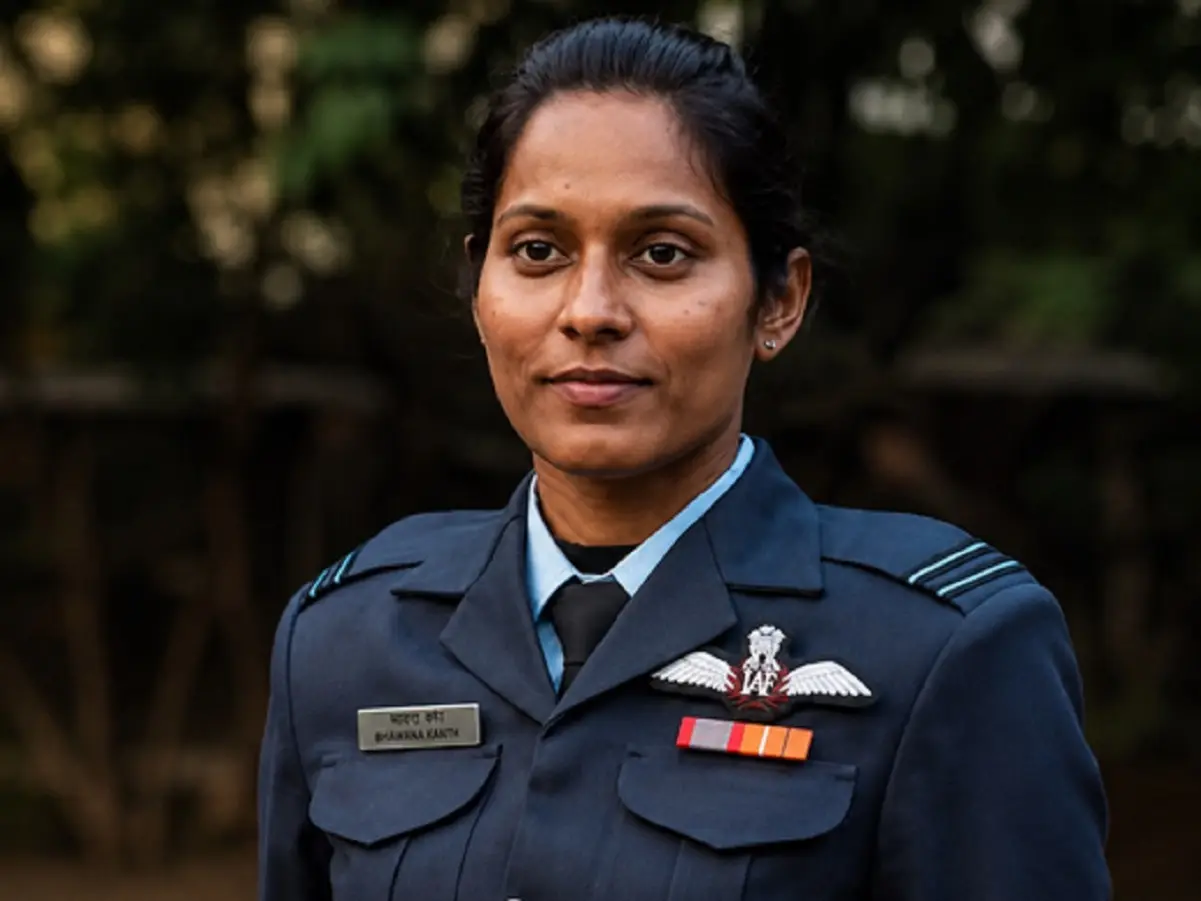)
Squadron Leader Bhawana Kanth scripts history as Indian Air Force gets its first woman ‘Top Gun’ pilot
)
RSS says Gen Z protests reflect genuine distress
)
Trump says Iranian school bombing photos could be AI-generated - 'I don’t think...'
)
IAF officer held for sharing sensitive information in 'honey trap' case, booked under Official Secrets Act
)
Stray Kids under scrutiny? Fans react to Grammy submission silence after BTS boycott
&im=FitAndFill=(700,400))
Why the Su-30MKI doesn't need external fuel tanks to fly vast distances
)
Jugal Hansraj reunites with Shekhar Kapur after 40 years for Masoom: The Next Generation
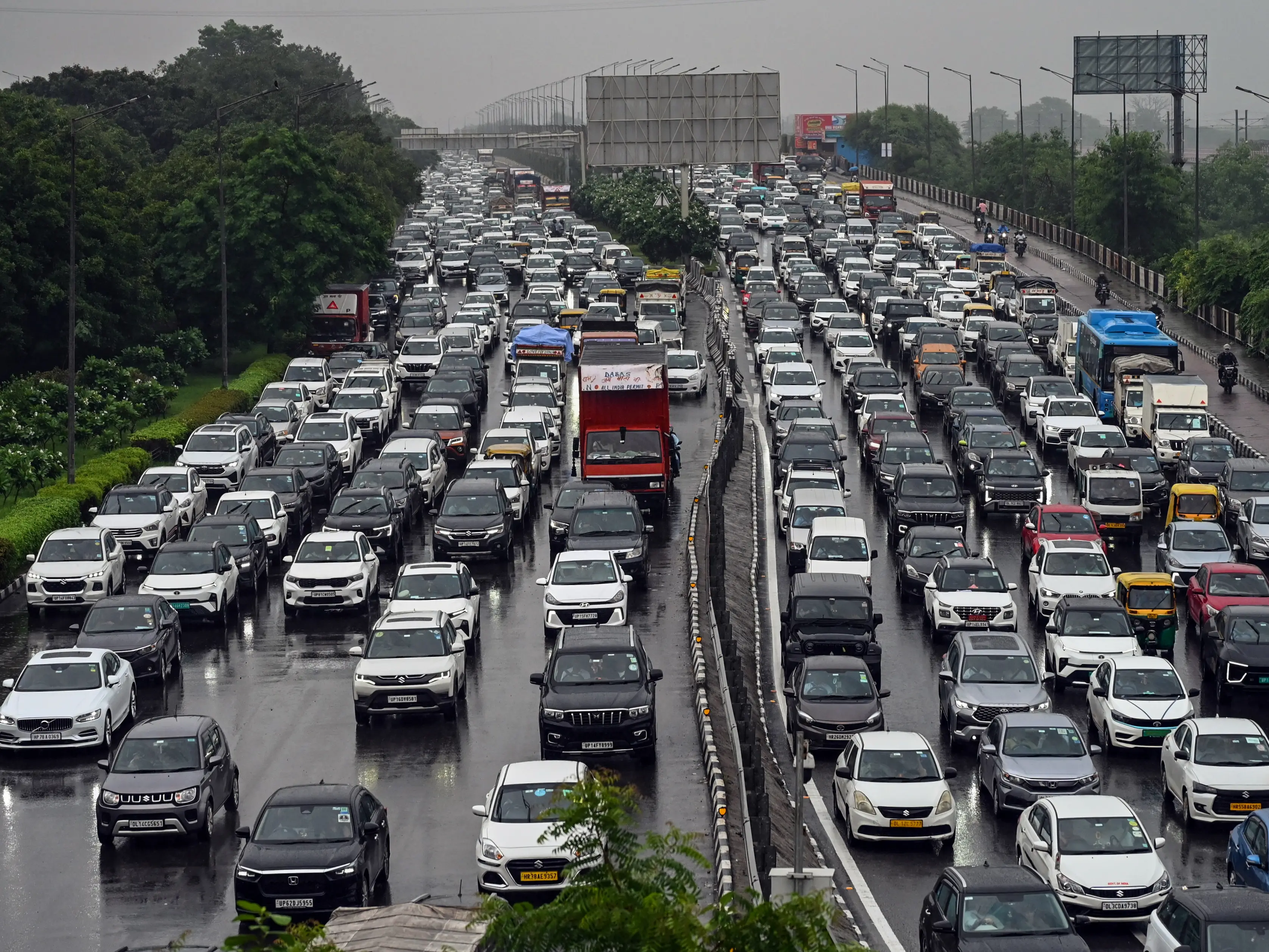)
New speed limits, automatic challans: Big traffic change coming to Delhi-Meerut Expressway. All you need to know
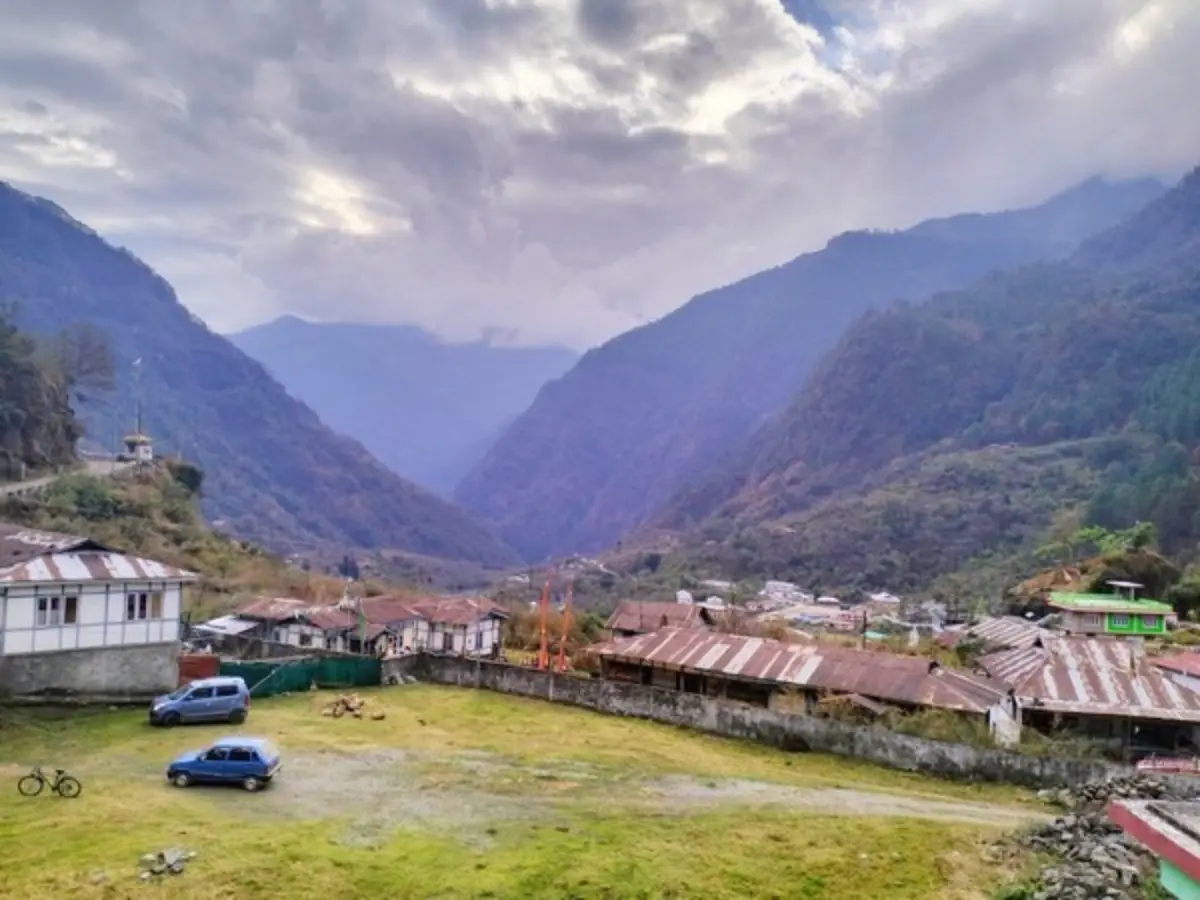)
India officially names 27 places in Arunachal to counter China's renaming claims
)
Trump calls White House ballroom ruling a 'national disgrace' as court says Congress approval needed
)
US sanctions Iran’s crypto network after Strait of Hormuz attacks, offers $15m bounty for intel on IRGC finance
&im=FitAndFill=(700,400))
Why the Su-30MKI is one of the heaviest fighters ever built
)
Uttarakhand young innovator builds India's own flying vehicle, conducts first test flight: WATCH
)
Chilling video shows students take cover as teen opens fire at Thai school
)
Reese Witherspoon's father hospitalised after poolside incident in Nashville: Report
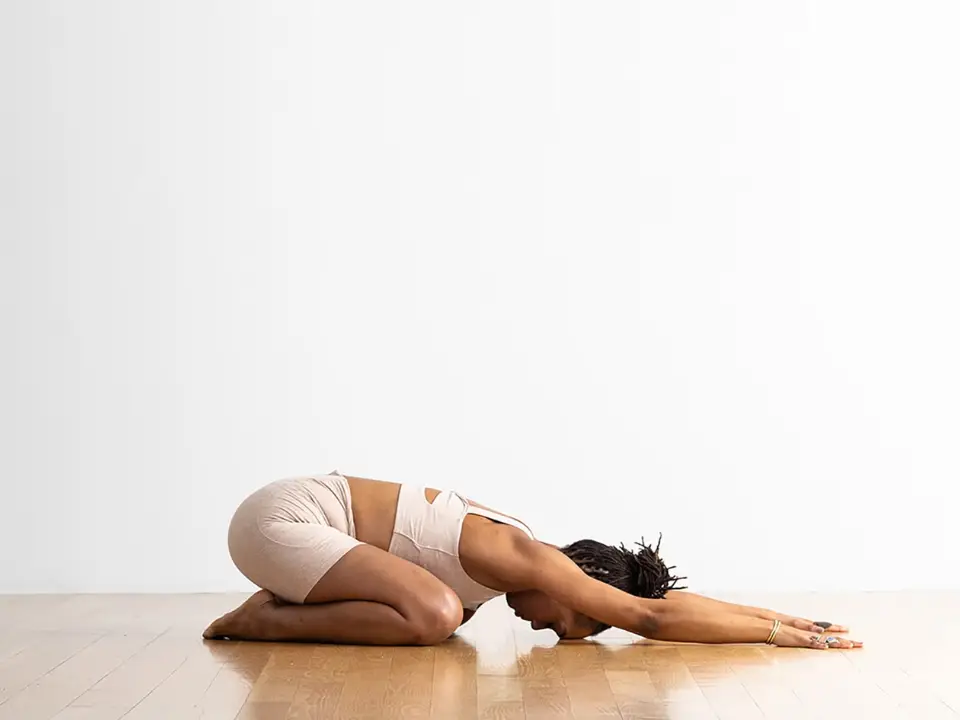
Not all yoga styles are suitable for the evening. Fast-paced or vigorous movements, such as sun salutations or planks, will increase your resting heart rate and stimulate the body. Instead, focus on specific restorative postures. Child's pose is a highly effective stretch for calming the nervous system. Legs-up-the-wall is another recommended technique to alleviate built-up stress from the day. Focussing on prolonged exhalations during these physical movements further slows the heart rate, helping the body to transition smoothly into sleep.
Creating a consistent pre-sleep routine trains your brain to associate these specific movements with rest. By dedicating just 10 minutes to gentle stretching in a dark, quiet room, you can lower physical tension and secure a deeper, uninterrupted night of sleep.
