How does the loss of forests affect the way wildlife lives and moves?

&imwidth=600&imheight=450&format=webp&quality=medium "How does the loss of forests affect the way wildlife lives and moves?")
How does the loss of forests affect the way wildlife lives and moves? Photograph: (Unsplash)
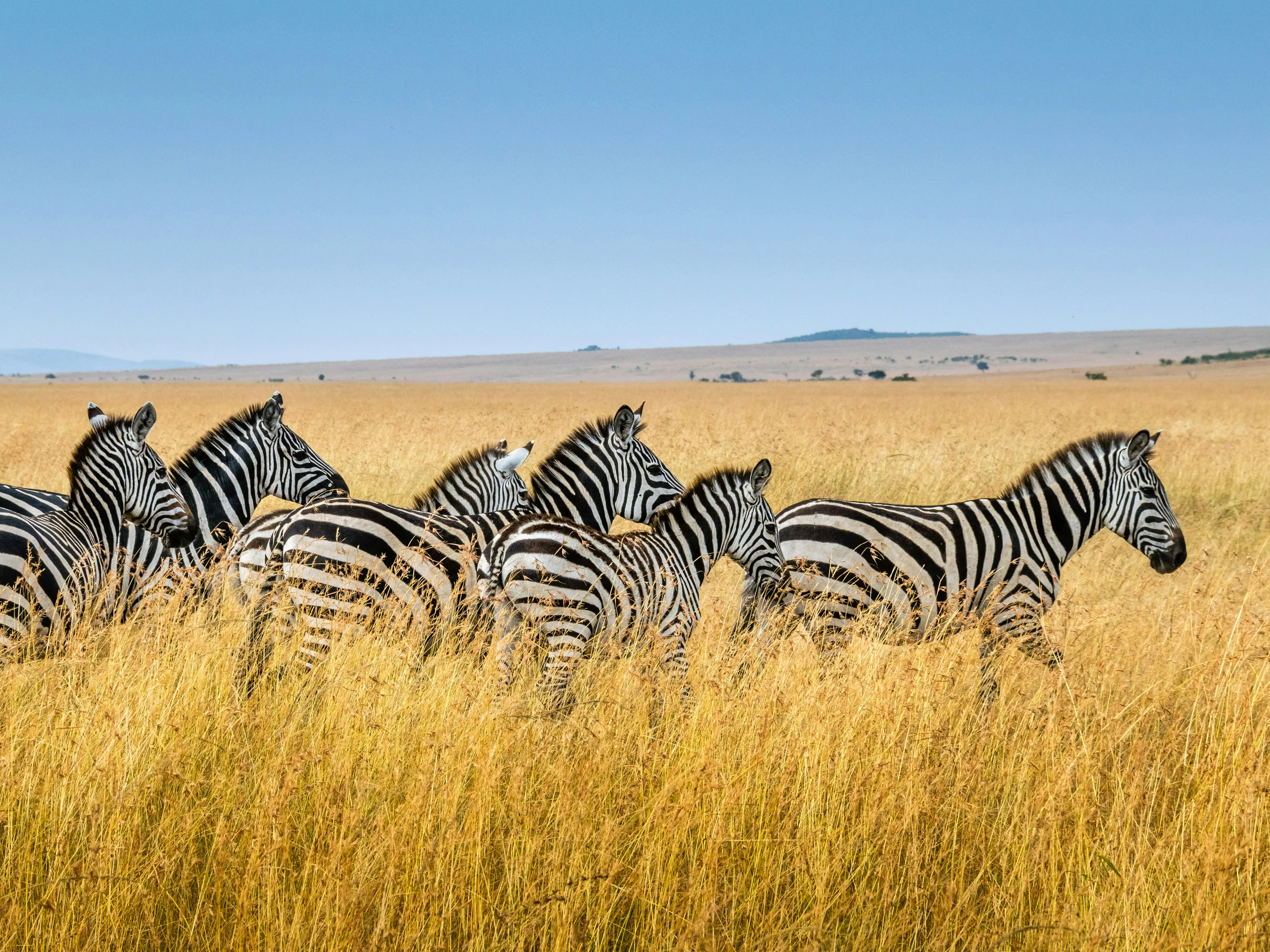
Forest loss severely alters wild animal movement. Habitat fragmentation blocks ancient migration routes, forcing species into urban areas and increasing human-wildlife conflict. Wildlife corridors offer a proven solution to help animals travel safely across borders.
Deforestation is fundamentally altering how wild animals travel across their natural environments. As global forest cover diminishes, species are losing crucial travel routes and breeding habitats. This massive shift forces animals into smaller, fragmented spaces and pushes them closer to human settlements. Understanding how forest loss changes wildlife movement is vital for modern conservation and for responsible travellers visiting global national parks.
Habitat fragmentation and restricted migration
When human activity clears forests for agriculture or infrastructure, it creates isolated patches of woodland. A comprehensive study published in the journal Science indicates that over 70 per cent of the world's remaining forests lie within just one kilometre of a forest edge.
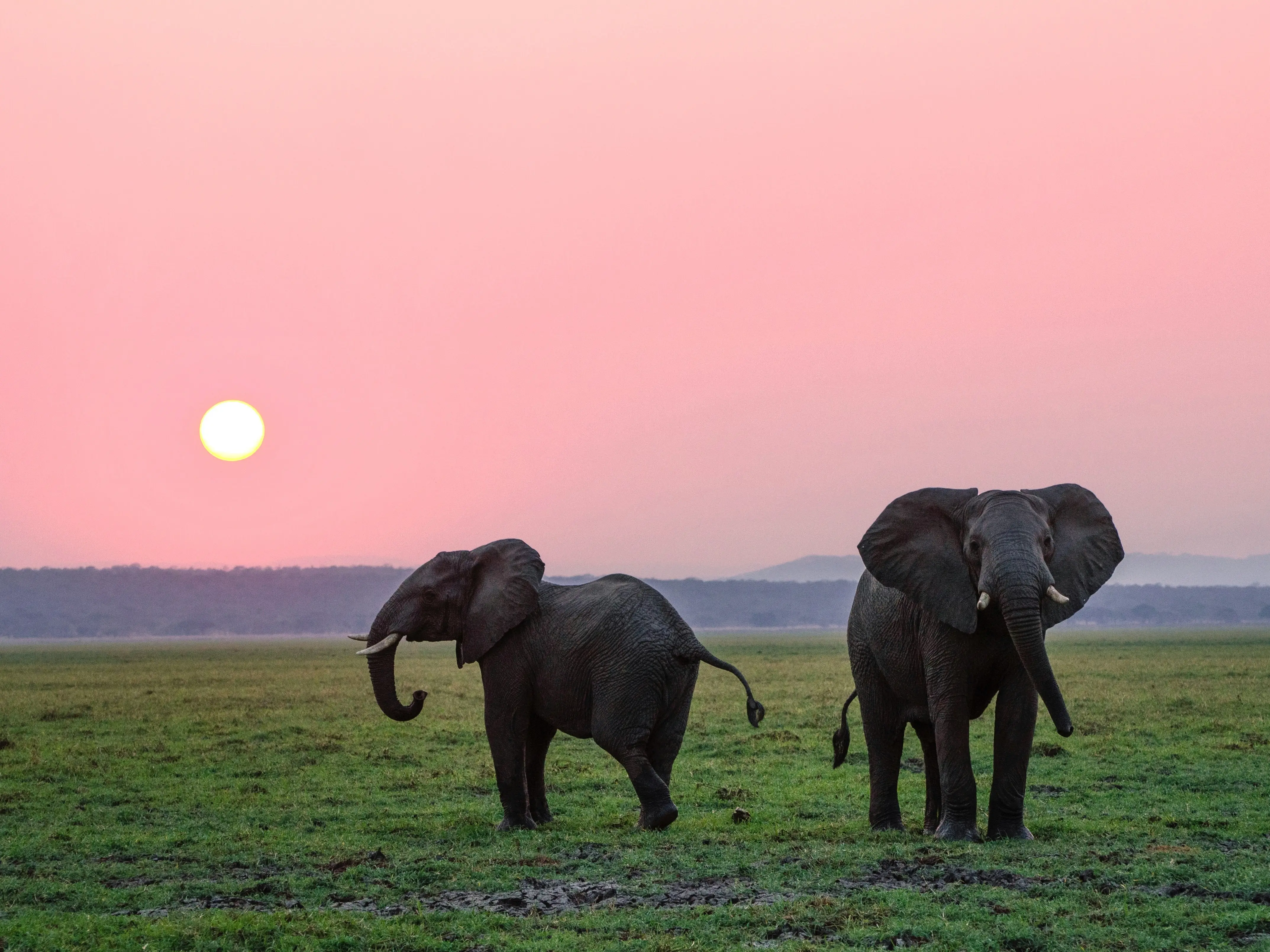
This fragmentation severely restricts animals that require vast, continuous spaces. For example, forest elephants in the Congo Basin have lost immense portions of their traditional migration routes due to commercial logging. This limitation prevents them from travelling the long distances required to forage for food and breed safely, leading to isolated and vulnerable populations.
Rising human and wildlife conflict
The continuous shrinking of natural habitats forces wildlife into urban and agricultural zones. A joint report by the United Nations Environment Programme and the World Wide Fund for Nature highlights that human-wildlife conflict is increasing globally.
Trending Stories
)
)
)
)
)
)
)
)
)
)
)
)
)
)
)
)
)
)
)
)
)
)
)
)
)
)
)
)
)
)
)
)
)
)
In India, elephants searching for their ancient forest corridors frequently enter tea estates and villages, leading to severe crop damage and dangerous encounters. Similarly, leopards are increasingly sighted in towns bordering forest reserves as their natural hunting grounds disappear. This shift in movement poses a serious danger to both the animals and the local agricultural economies.
Developing green corridors for safe transit
To mitigate these disruptions, conservationists are building dedicated wildlife corridors. These structures connect fragmented forests, allowing animals to move safely across human-made barriers like motorways.
Data from Parks Canada shows that the 44 wildlife crossing structures in Banff National Park have reduced wildlife-vehicle collisions by more than 80 per cent. Similar initiatives, such as the elevated highway through the Pench Tiger Reserve in India, allow tigers and other species to cross safely underneath the traffic. These green corridors allow species to maintain genetic diversity and travel without human interference.
The rapid loss of forests severely restricts animal movement and forces species into dangerous situations. Protecting continuous forest landscapes is essential for their survival. Travellers visiting wildlife reserves must support eco-tourism initiatives that prioritise habitat conservation over excessive commercial development.
